How Local Conditions Play In
Hampton sits in a cold-moderate climate band, which means winters bring freezing nights but nothing like the deep-freeze swings you'd get further inland or north. That matters for openers in one specific way: the lubricant in an old gear-drive unit gets stiff on the coldest nights, which is exactly the kind of night a storm is also likely to knock the power out. Being close to the water - means wind events hit harder here than they would a few miles inland, and that's when the grid goes down. An opener built in the 70s, 80s, or 90s wasn't engineered with any of that in mind. It was built to run on wall current, full stop. So the two things stacking against each other aren't exotic: older houses with older openers, in a spot where the power is the first thing to go when weather turns. Neither fact alone is a problem. Together they're why 'the door won't open' calls here spike right after a bad night.
What to Check
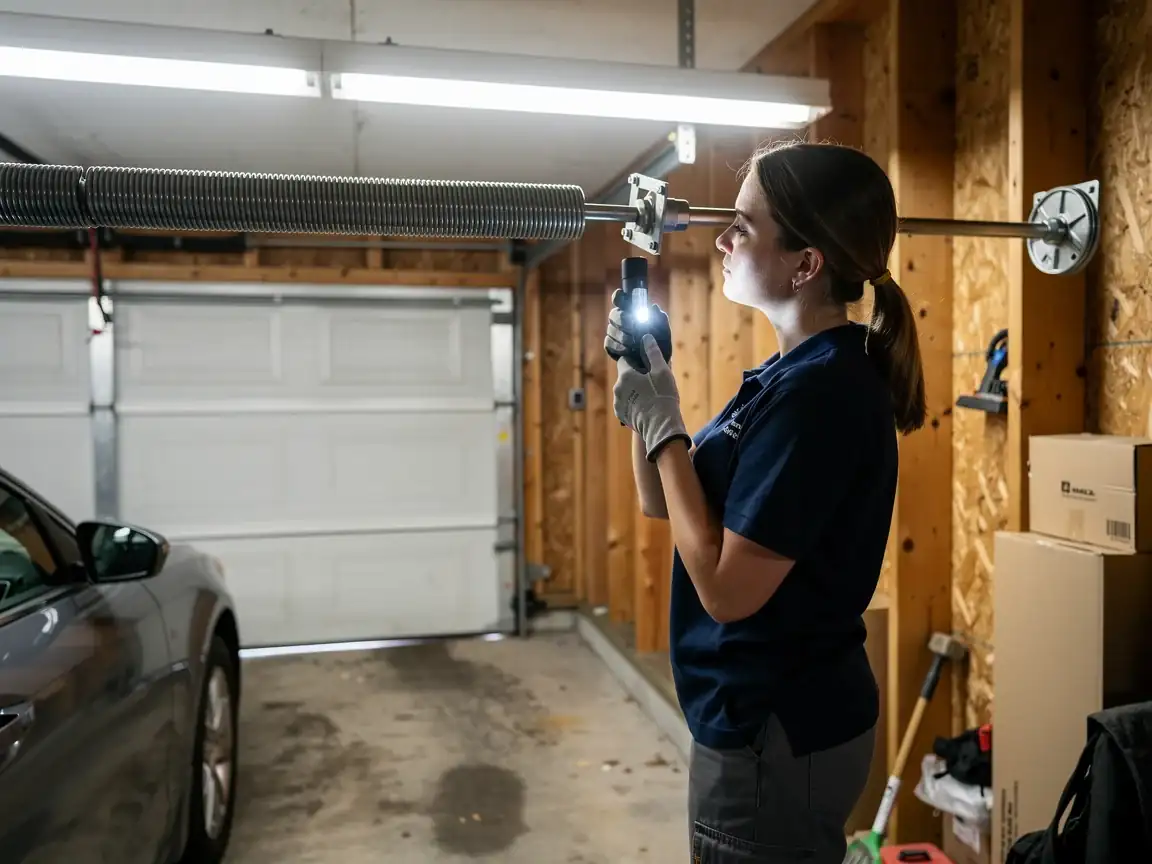
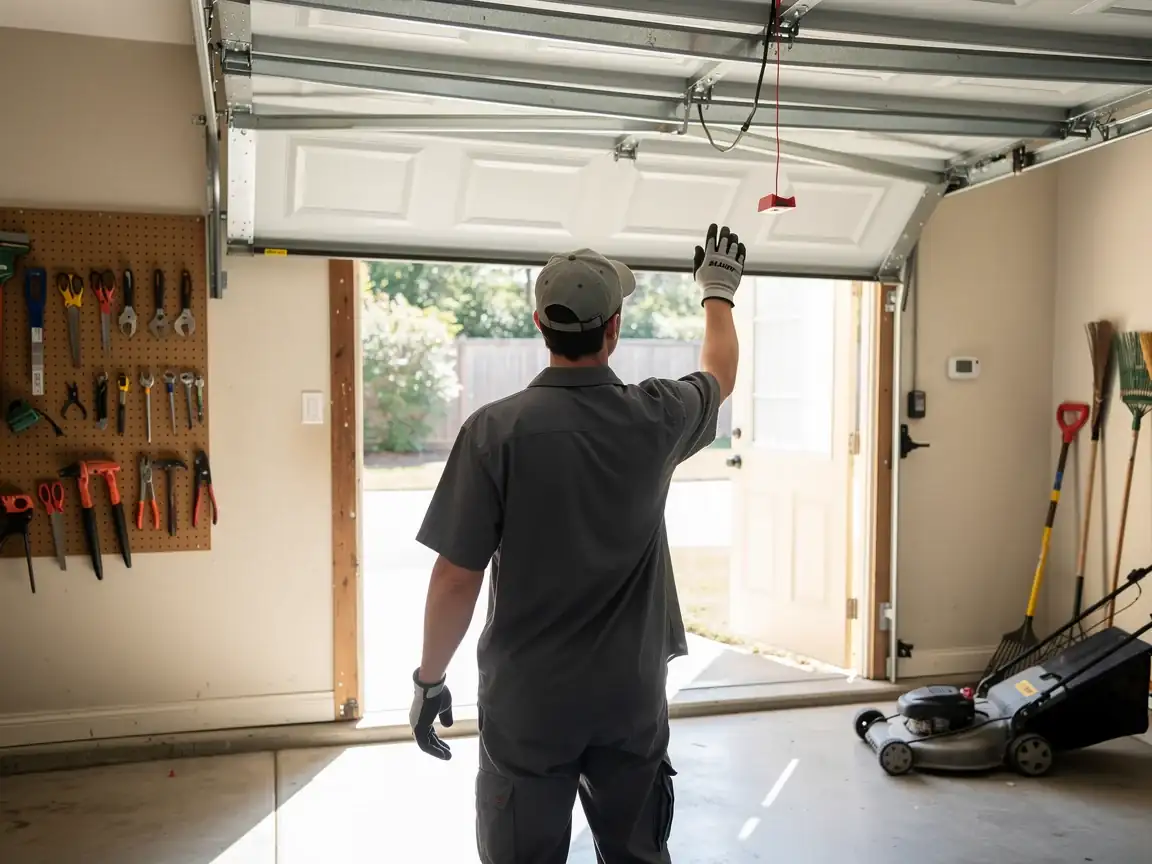
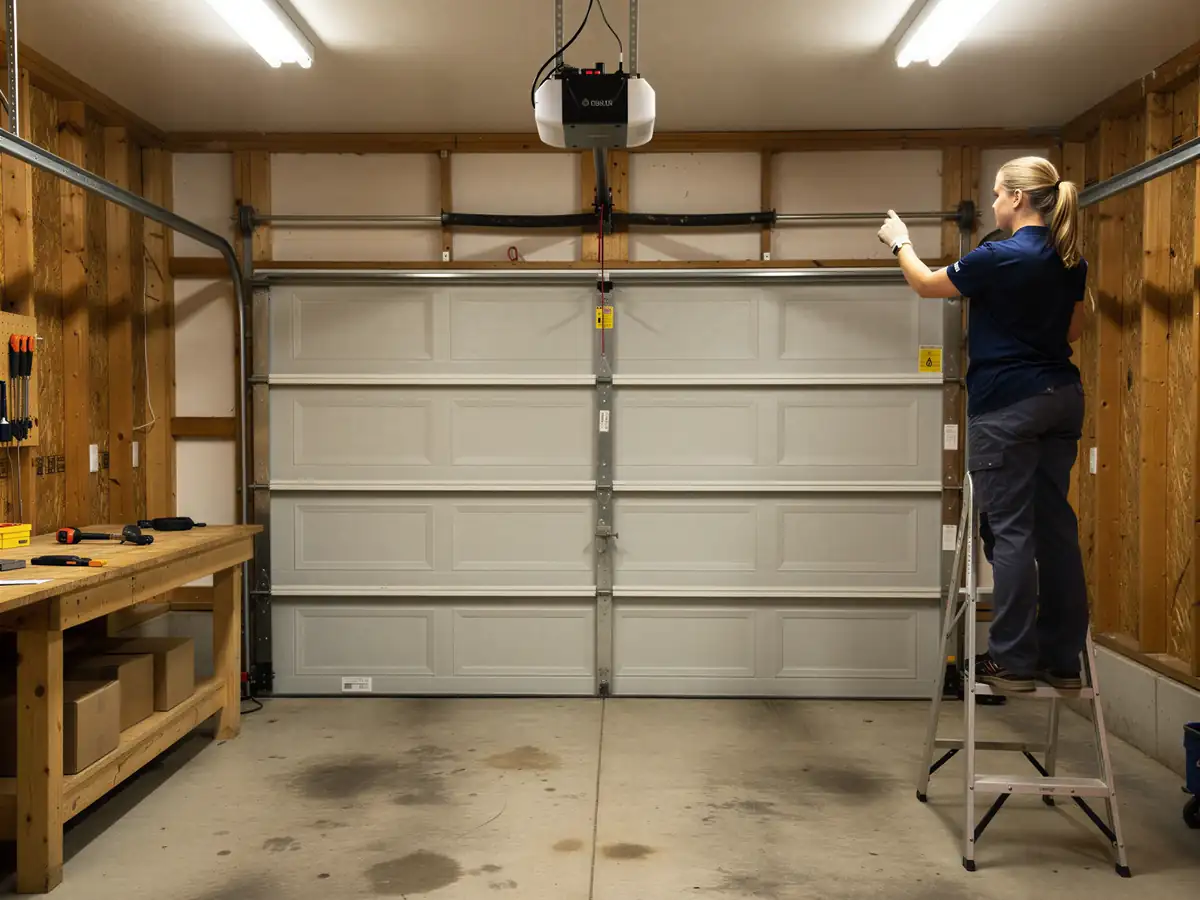
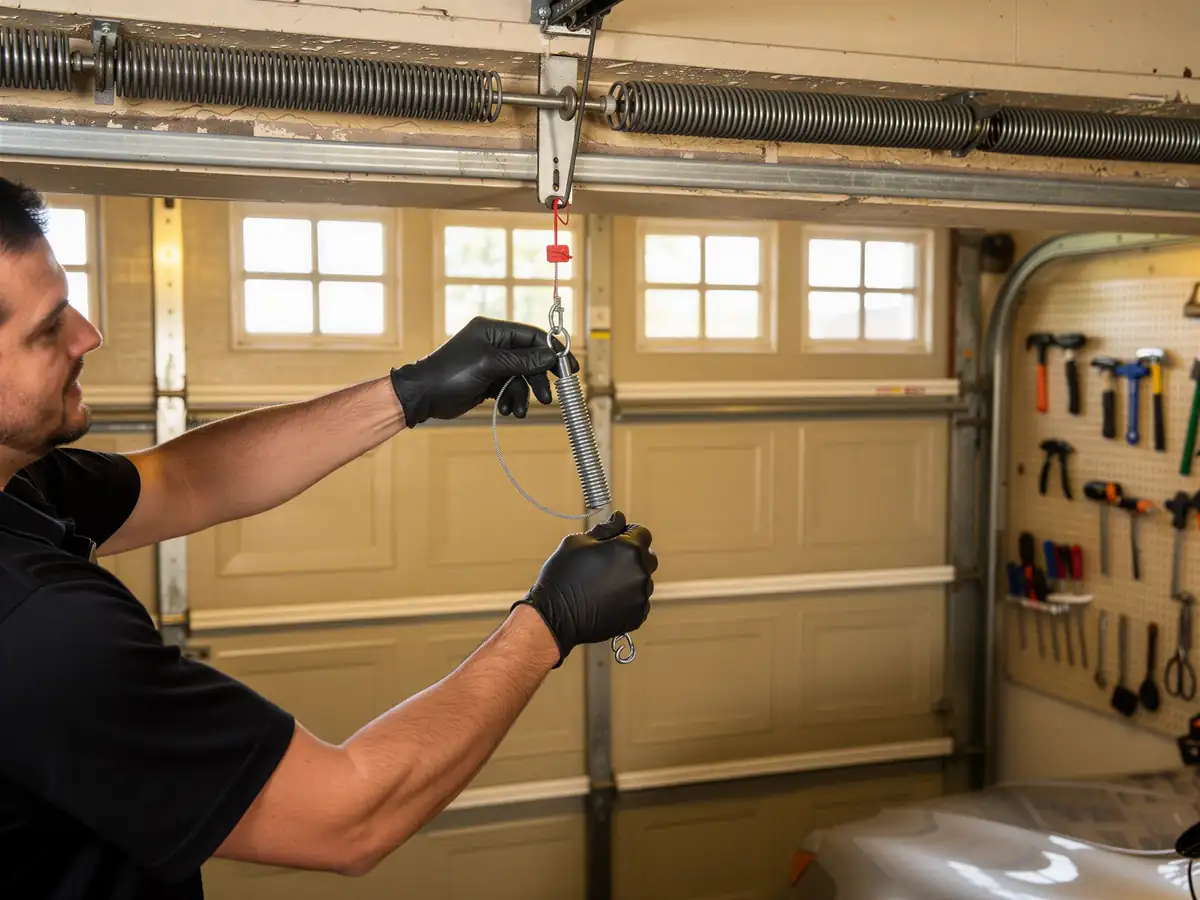
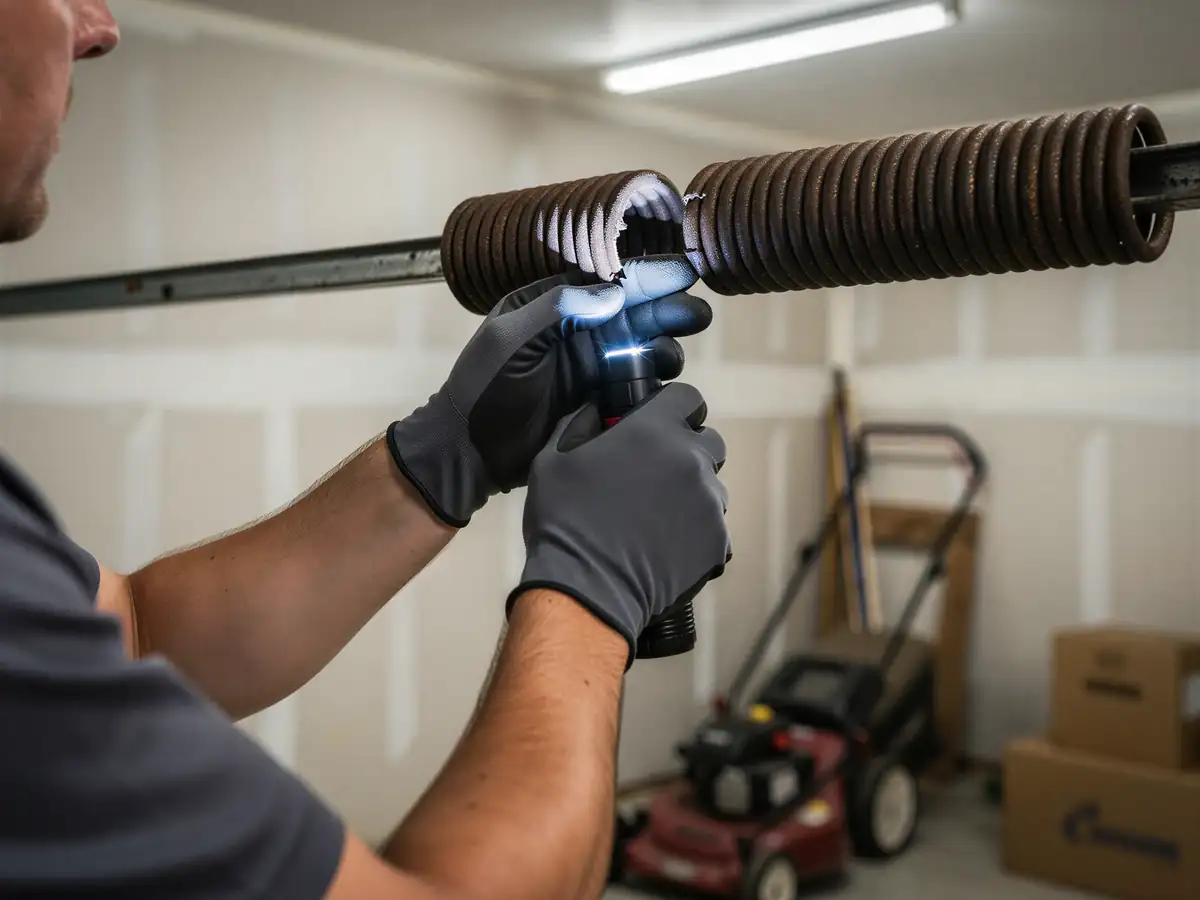
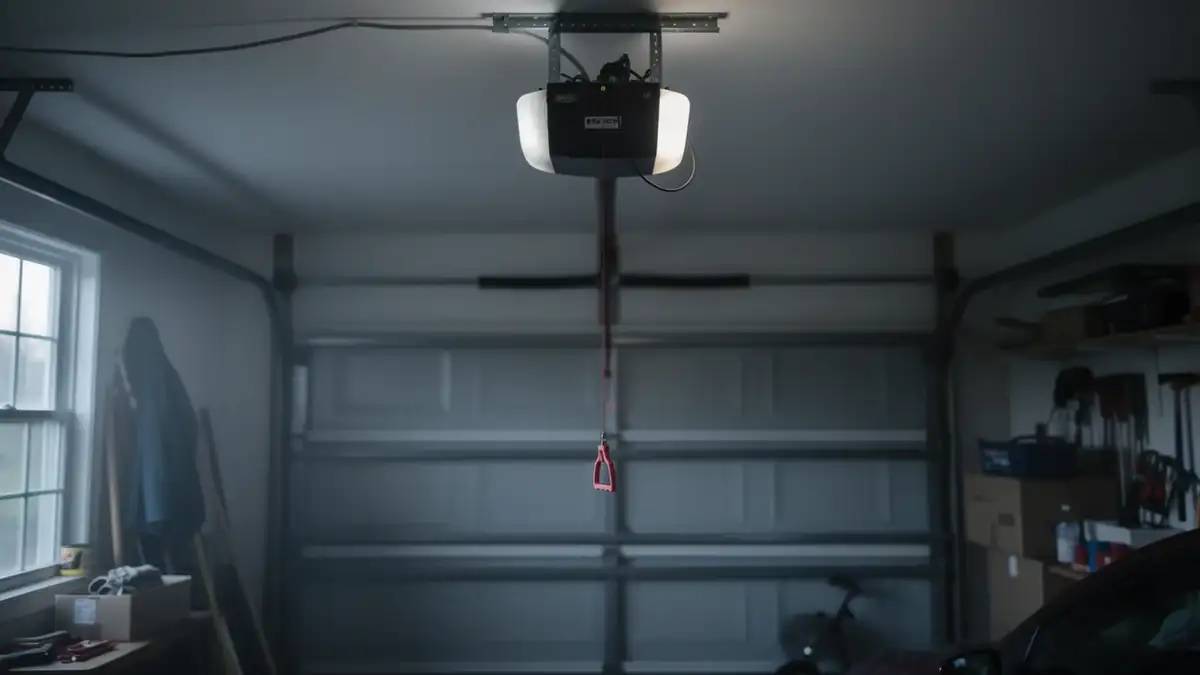
Before you call anyone, find the manual release cord - the red handle hanging from a track near the opener head - and confirm it still pulls freely. On a house from the 1966-1992 era, that cord and the mechanism behind it have usually never been serviced, so it can bind or snap rather than release cleanly. Next, check whether the opener has any kind of battery backup unit wired in; most installed before the last decade or so don't, which means a power cut takes the opener fully offline with no fallback. Look at the drive itself: chain-drive units from that period are noisy but rugged, while early screw-drive models from the same window wear out their drive screws faster than people expect. Finally, check the springs while the door is manually disengaged - a door that feels heavy or uneven to lift by hand on a house this age often has a torsion spring near the end of its life, power or no power. None of this requires tools, just a flashlight and five minutes before you decide what's actually wrong.