What the Housing Means for Your Door
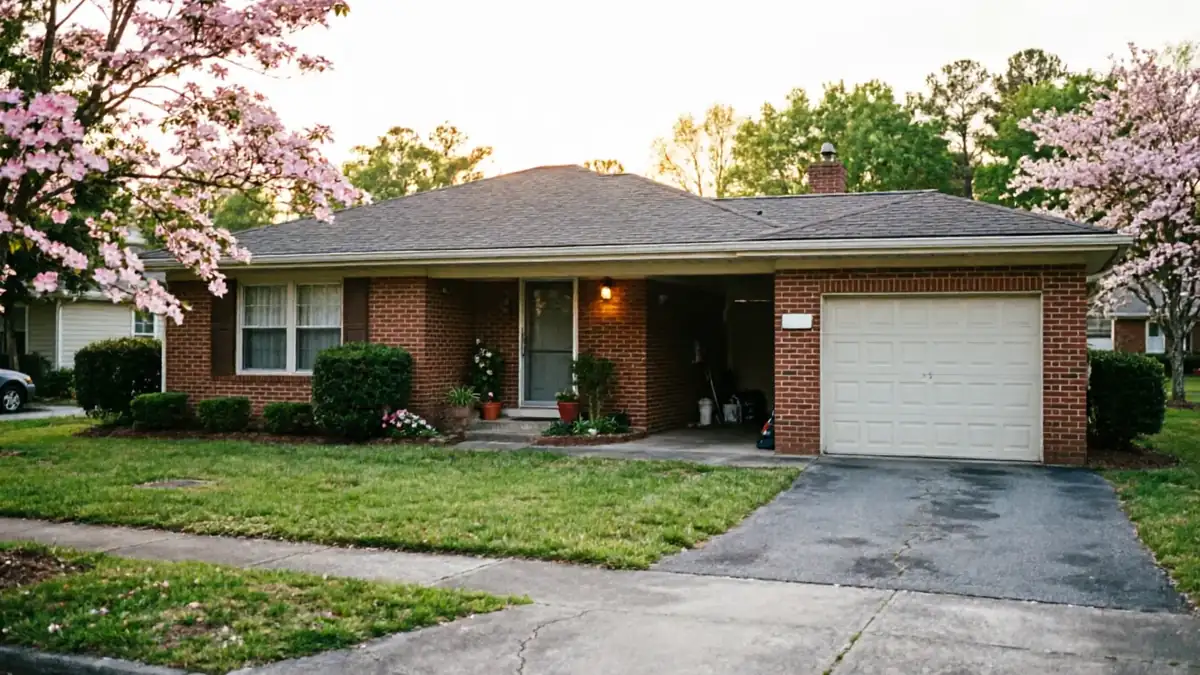
The typical house around Gloucester Point went up in 1981
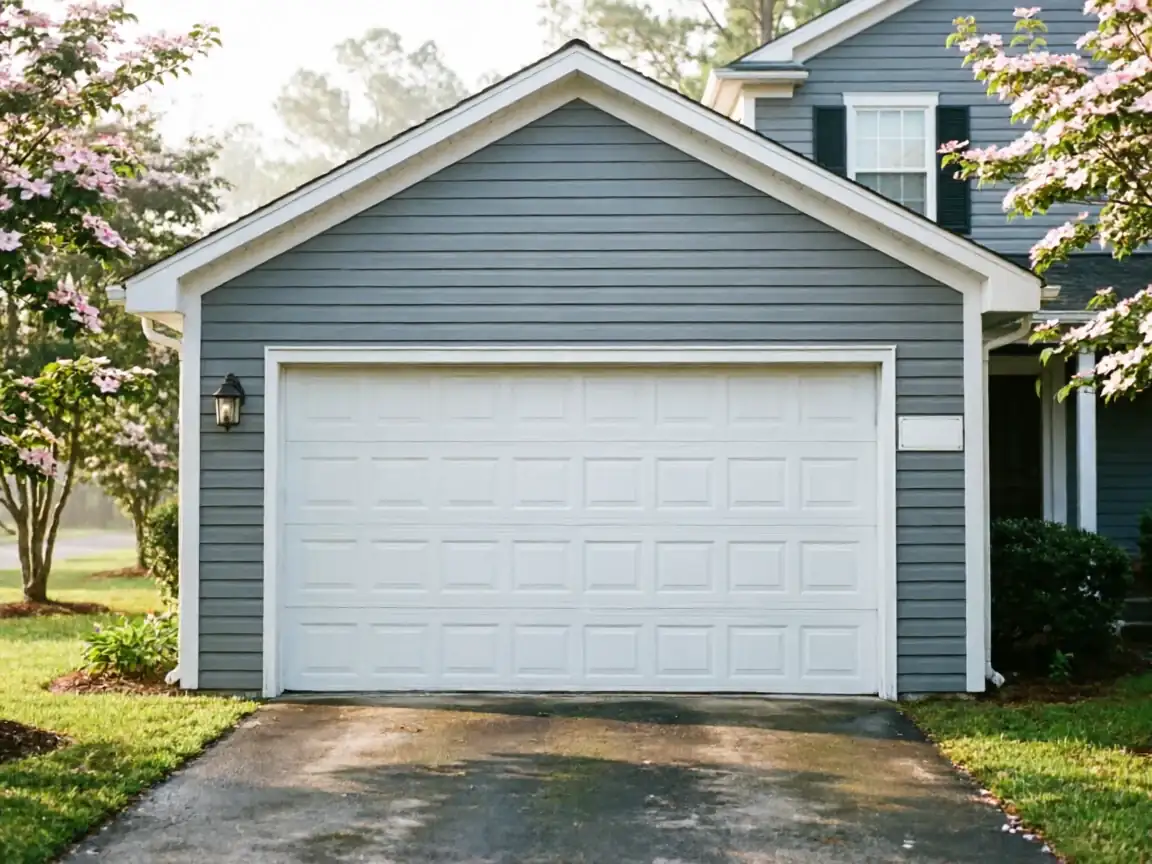
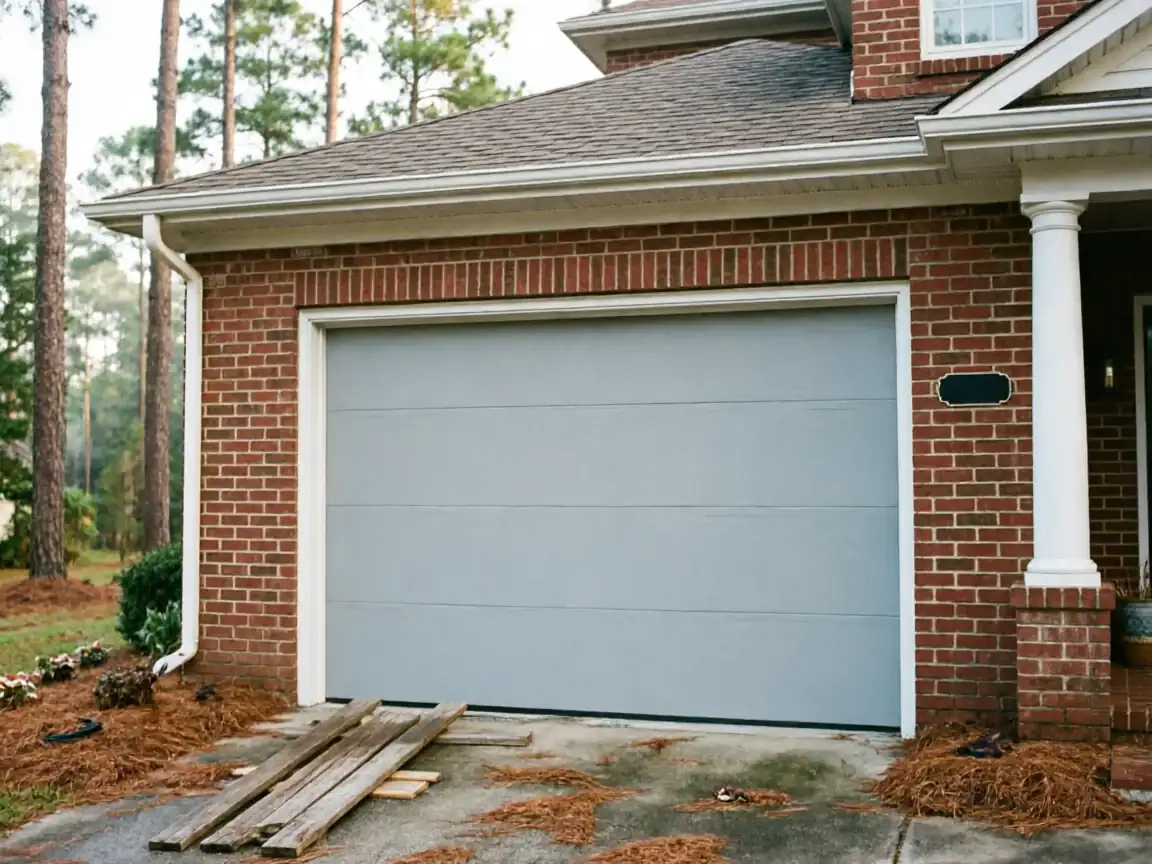
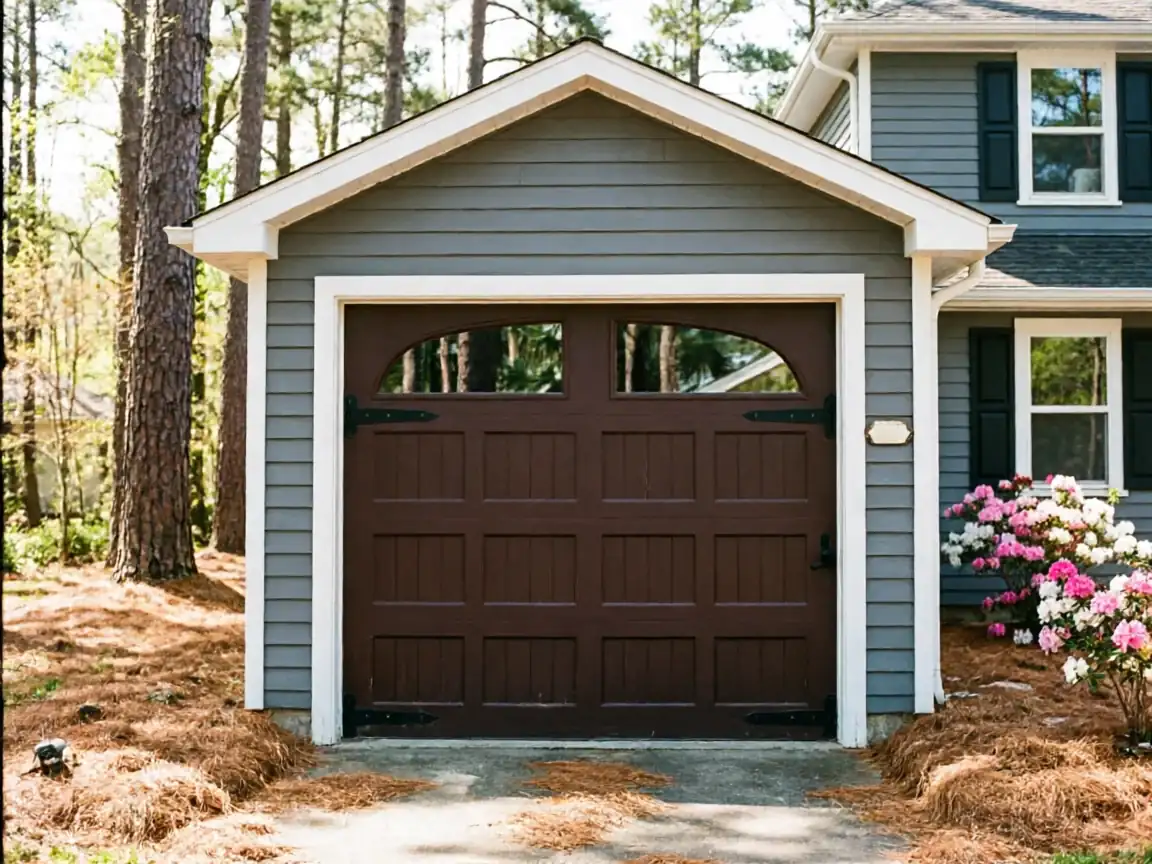
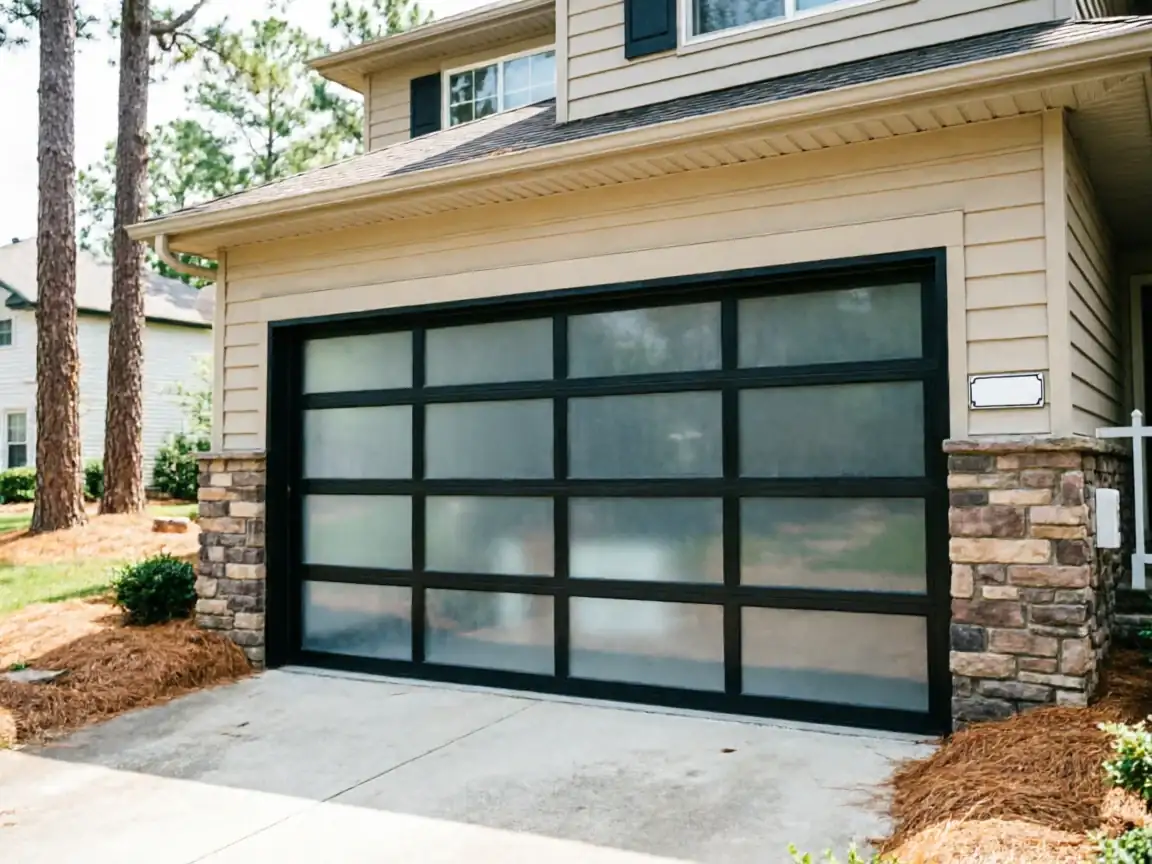
That's later than a lot of what we see closer to Hampton's old core, where houses can run back to the late 1960s. By 1981, builders had mostly moved off the old one-piece tilt-up doors and onto steel sectional doors, usually on extension springs rather than torsion bars, with openers that were still chain-drive and not particularly smart about load limits.
That matters when something breaks
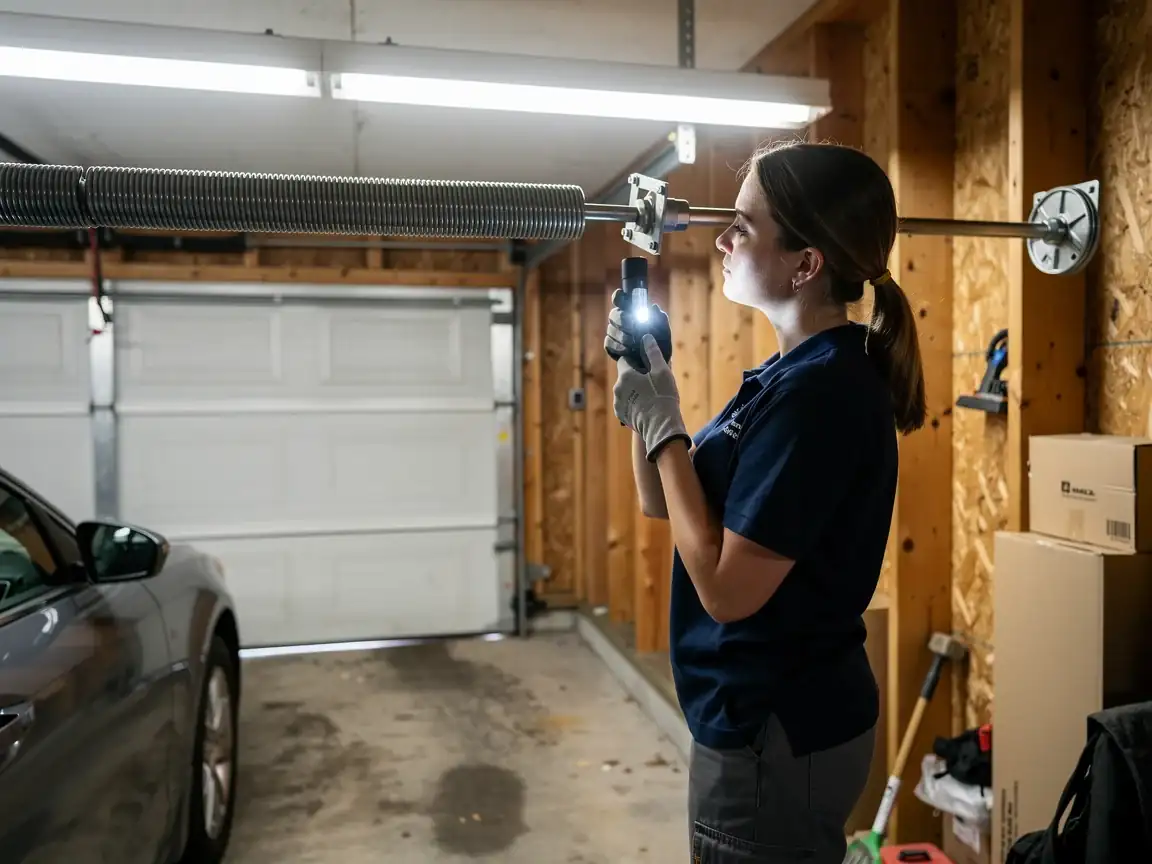
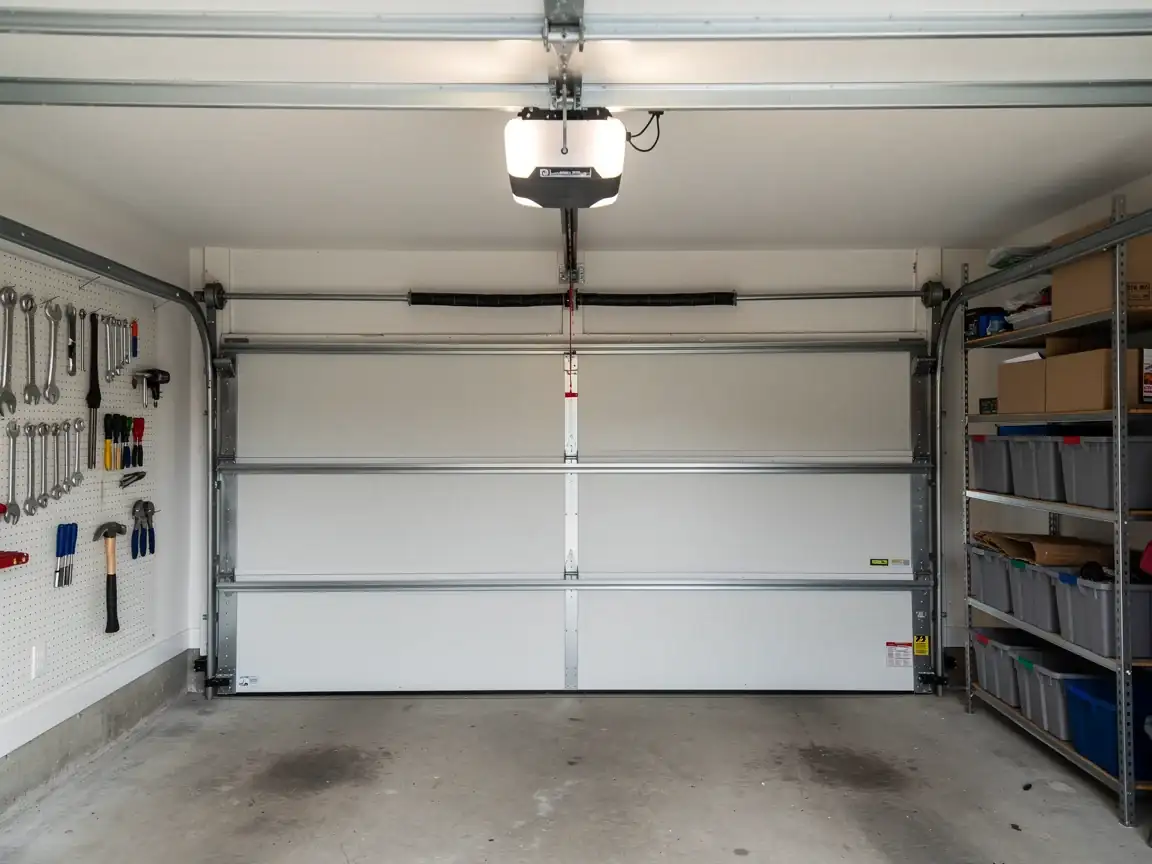
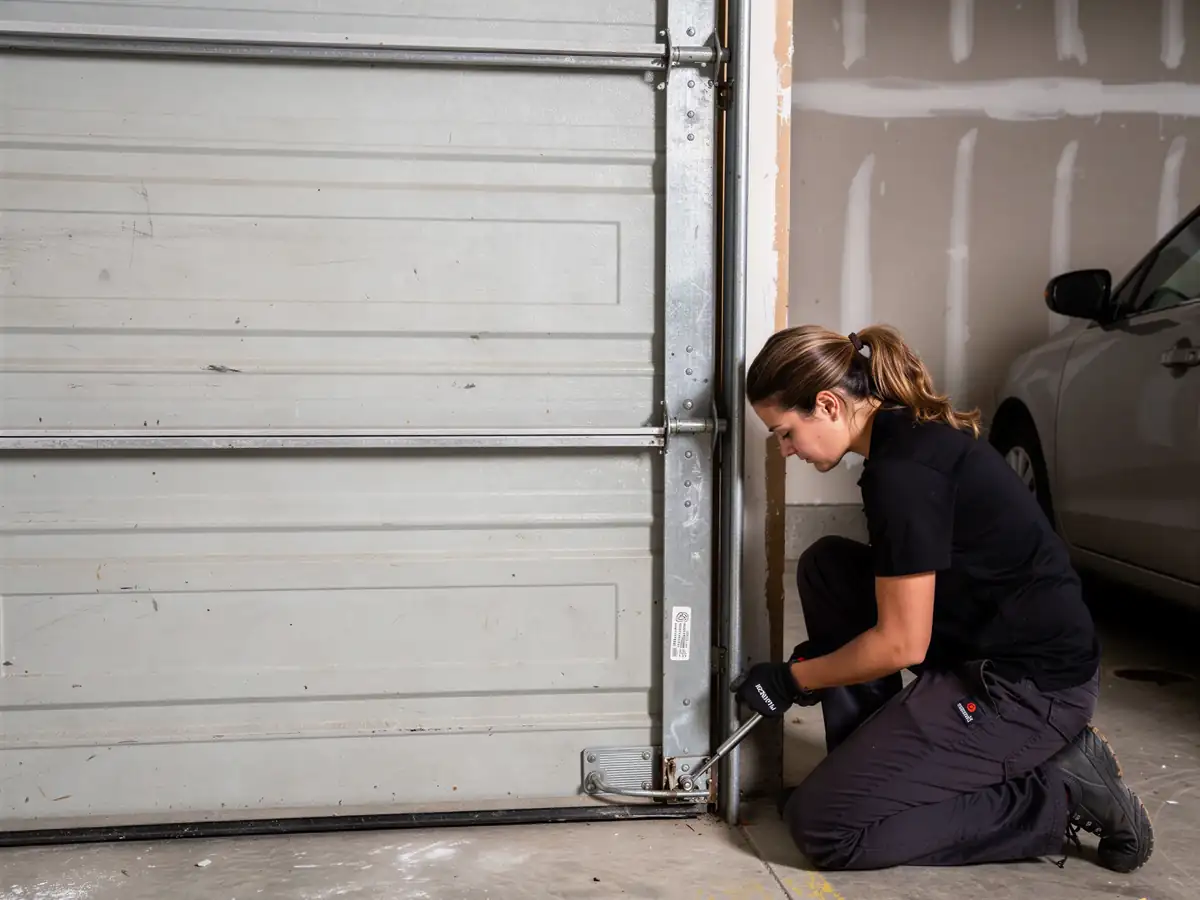
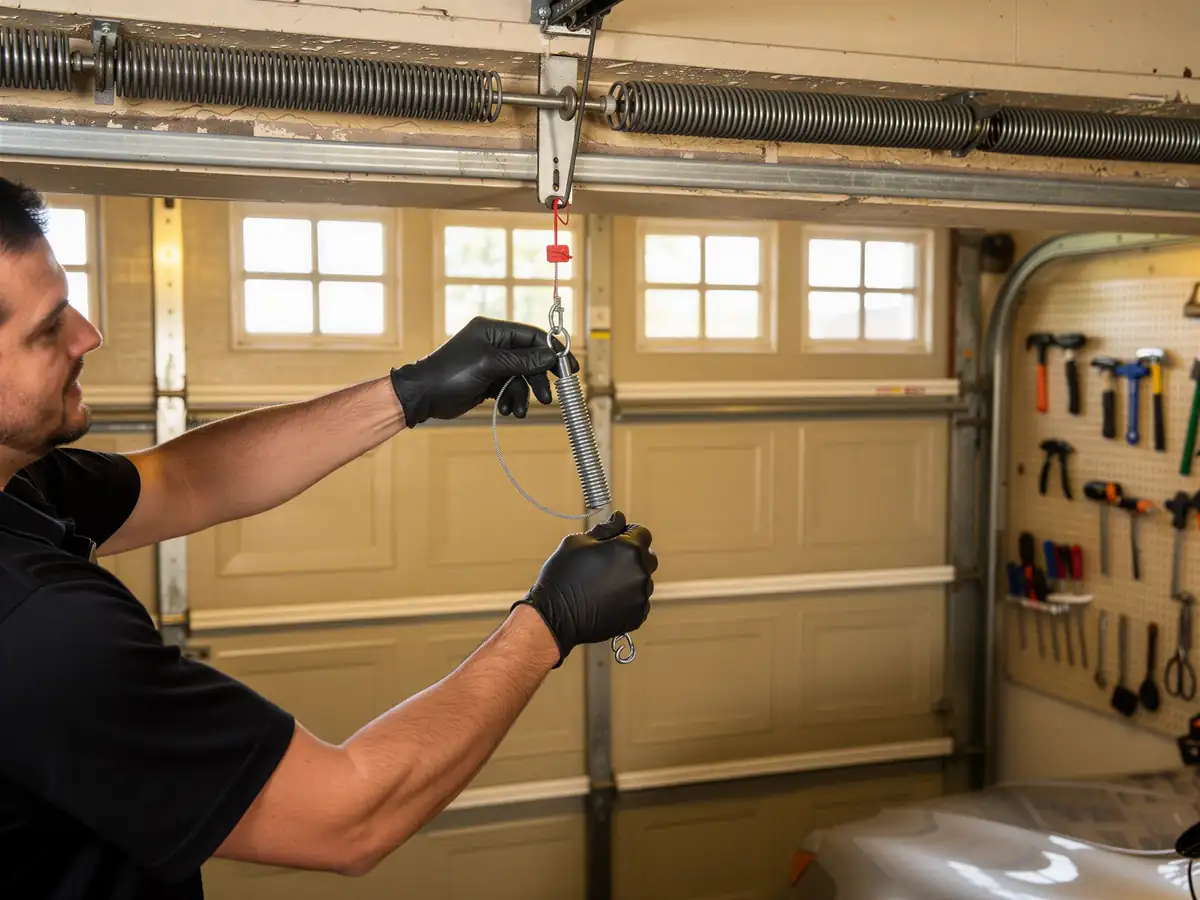
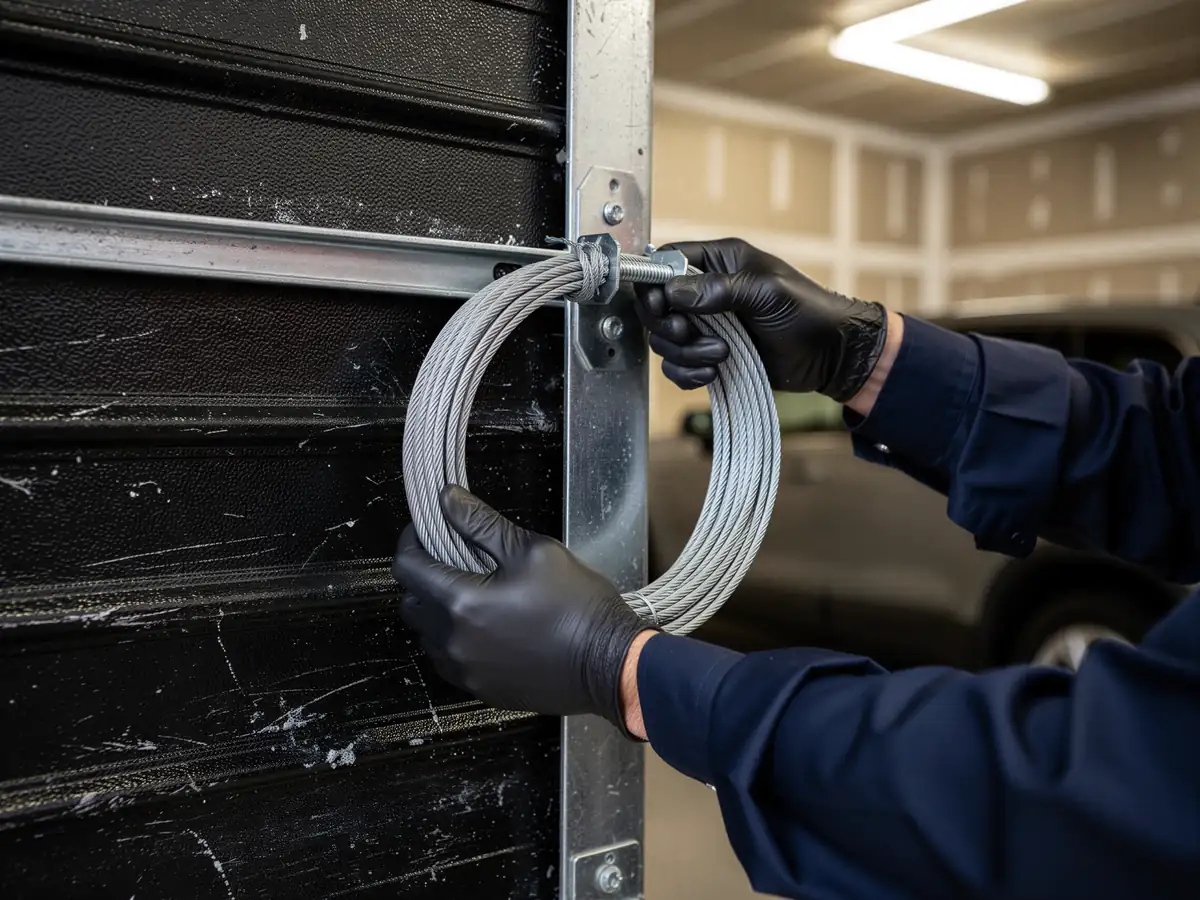
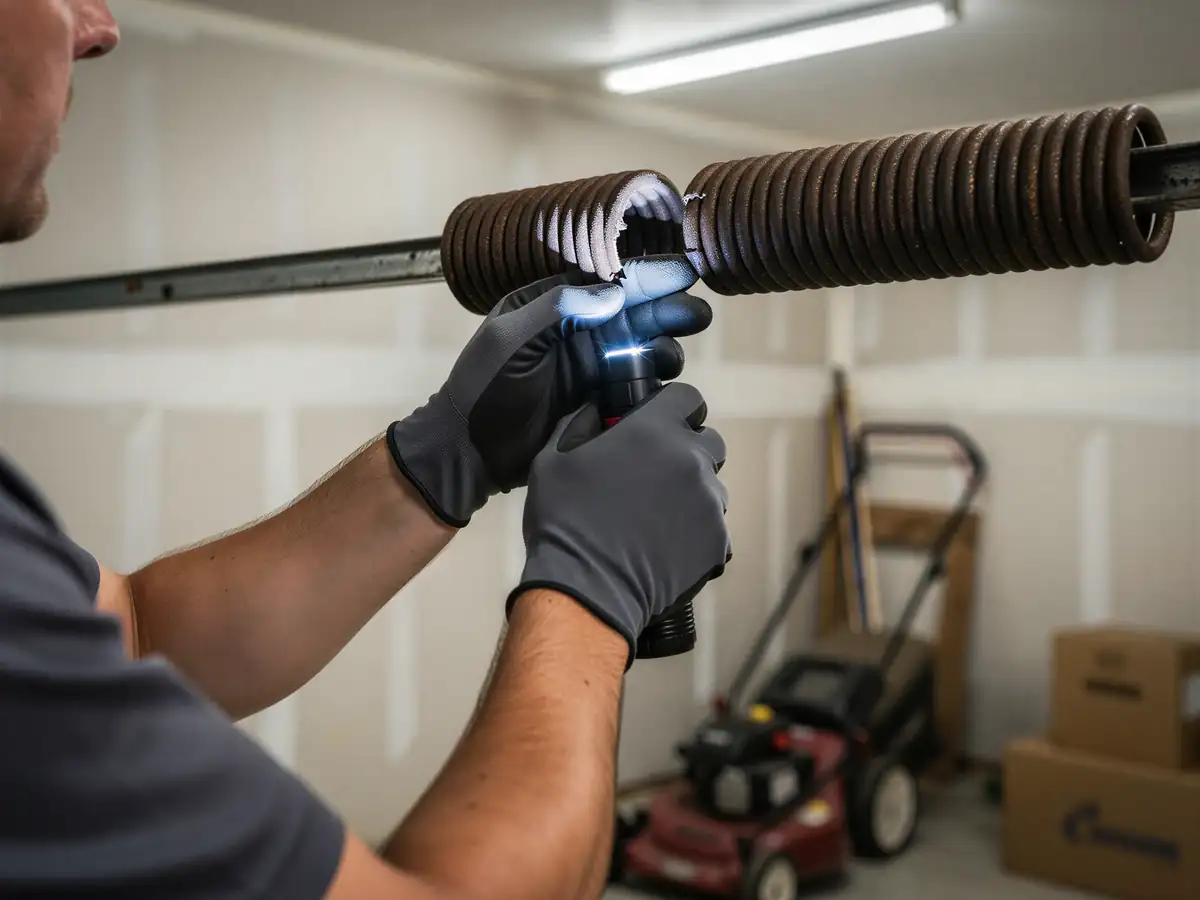
A sectional door from this era usually takes standard panel sizes, but the spring setup is older-style extension springs mounted along the horizontal track, not the torsion tube over the header you'd find on anything built in the last 15 years. Parts aren't exotic, but a tech who shows up expecting a torsion spring and finds extension cables is going to waste time, or worse, misjudge the tension.
- 15 years
Across the wider service area the housing stock runs 1966 through 1992
With a median around 1977, so Gloucester Point sits a bit on the newer side of that range. The practical upshot: expect steel panels and extension-spring hardware before you expect anything older or anything fully current.
When We Can Get There
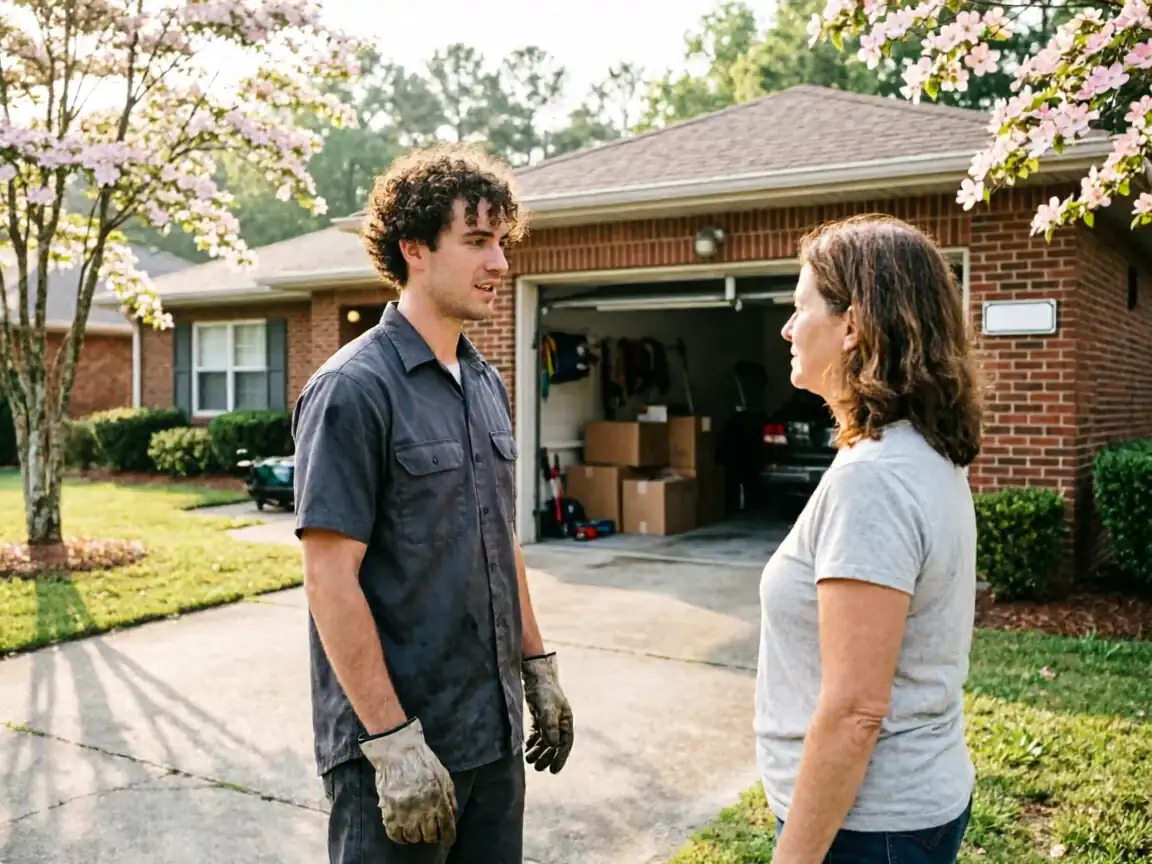
We run out of Hampton, and Gloucester Point is about 19 miles from there. We don't have a depot or a crew based in Gloucester Point itself, so we're honest about what that means: the truck has to make the drive every time, and that's part of scheduling a call here, not an afterthought.
We're not going to promise a same-day window just because it sounds good on a page. What we can tell you is that the trip is a known quantity, 19 miles each way, and we plan routes so a Gloucester Point call doesn't get bumped to the bottom of the list just because it's farther out. If you're weighing whether to call us versus someone closer, that distance is the honest trade-off: we know this area's housing stock and hardware, but we're not around the corner.
For anything that can wait a day, that's rarely an issue. For a door that won't close and a car that needs to get out, say so when you call, because the order we run jobs in depends partly on where everyone else on the list is that day.
The Calls We Get From Here
Gloucester Point has about 4,425 households, and the median income here runs around $71,589, noticeably below the roughly $90,885 median across the broader service area. That gap shows up directly in the kind of call we get: more requests to repair a spring, cable, or opener motor, fewer requests to just replace the whole door outright.
That's not a knock on the area, it's just the math most homeowners run. A broken extension spring is a straightforward, bounded repair. A full door and opener replacement is a bigger number, and with a 1981-era door that still closes fine otherwise, most people here want it fixed, not swapped.
One limitation worth saying plainly: if the door itself is warped, the track is bent beyond adjustment, or the panels are rusted through near the water, repair stops being the cheaper option and we'll tell you that instead of patching something that'll fail again in six months. We'd rather lose the smaller job than sell you a fix that doesn't hold.
What Was Built Here
Gloucester Point's median year built is 1981
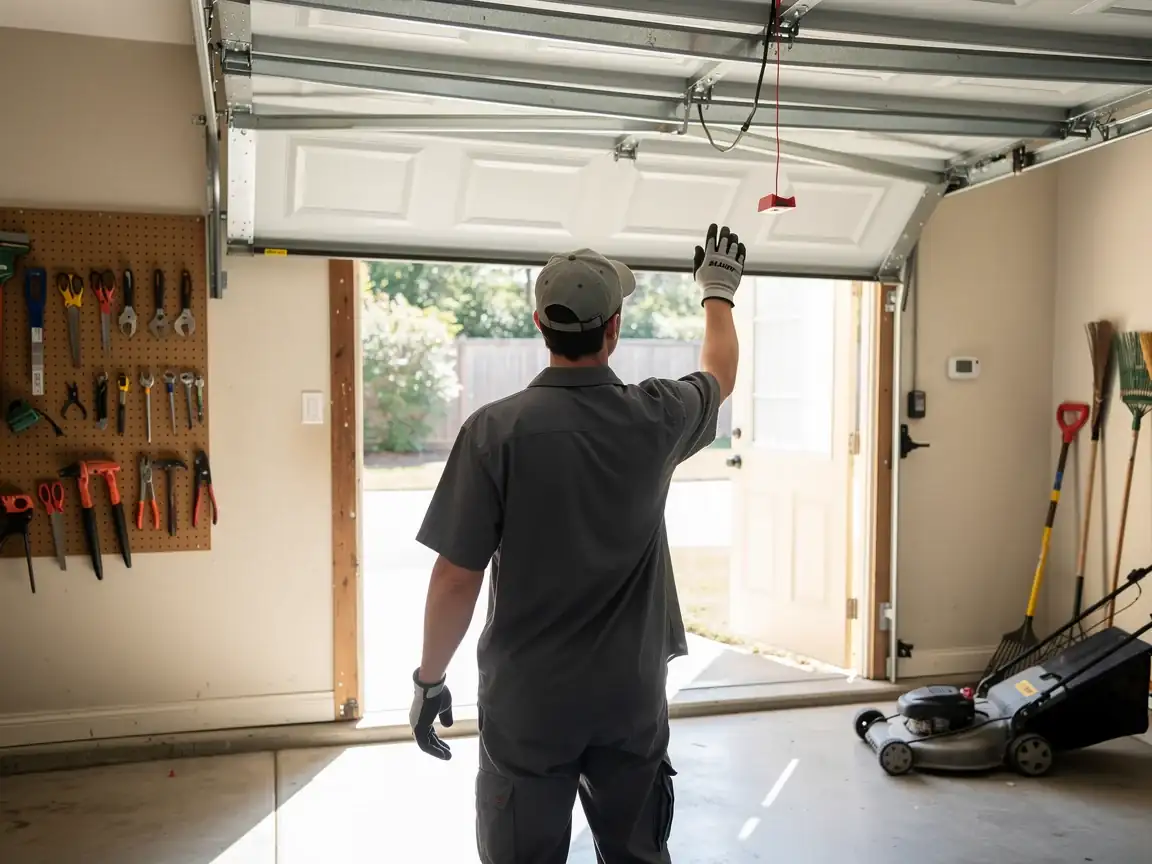
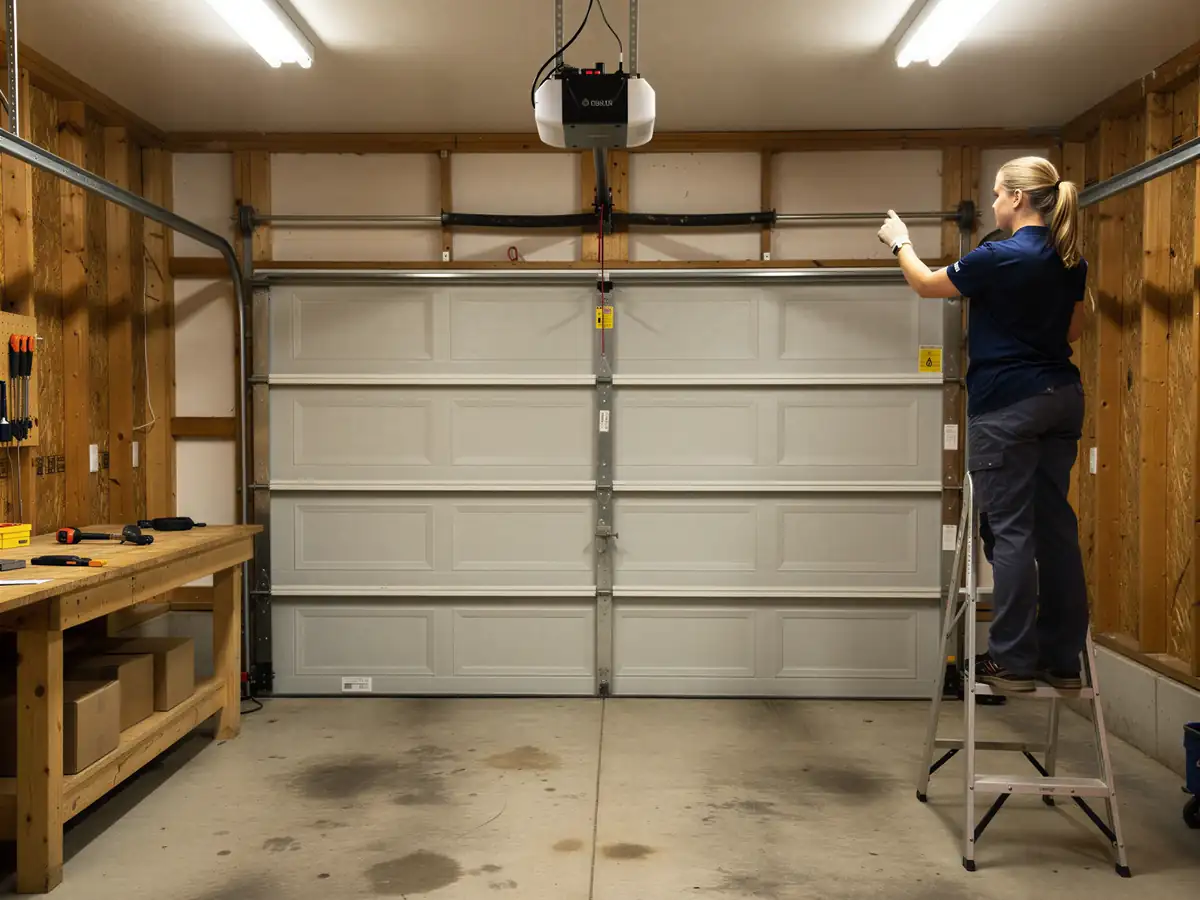
Which puts most doors and openers here at roughly the same age bracket: steel sectional panels, extension-spring hardware, and openers from before modern safety sensors were standard equipment. If your door still has the original opener, it may not have the photo-eye safety reversal that's been required on newer units for years.
The service area sits in a cold-moderate climate band
Which matters for door material more than people expect. Steel panels from the early 1980s often have thin or no foam-core insulation, so temperature swings make the door itself heavier to lift in the cold and noisier on the track as metal contracts. That's a different problem from, say, a rust issue, and it's worth knowing which one you actually have before paying for a fix.
We don't guess at this from the truck window
If you tell us roughly when the house went up, we can usually tell you over the phone whether you're dealing with extension springs or torsion, which saves a wasted trip either way.