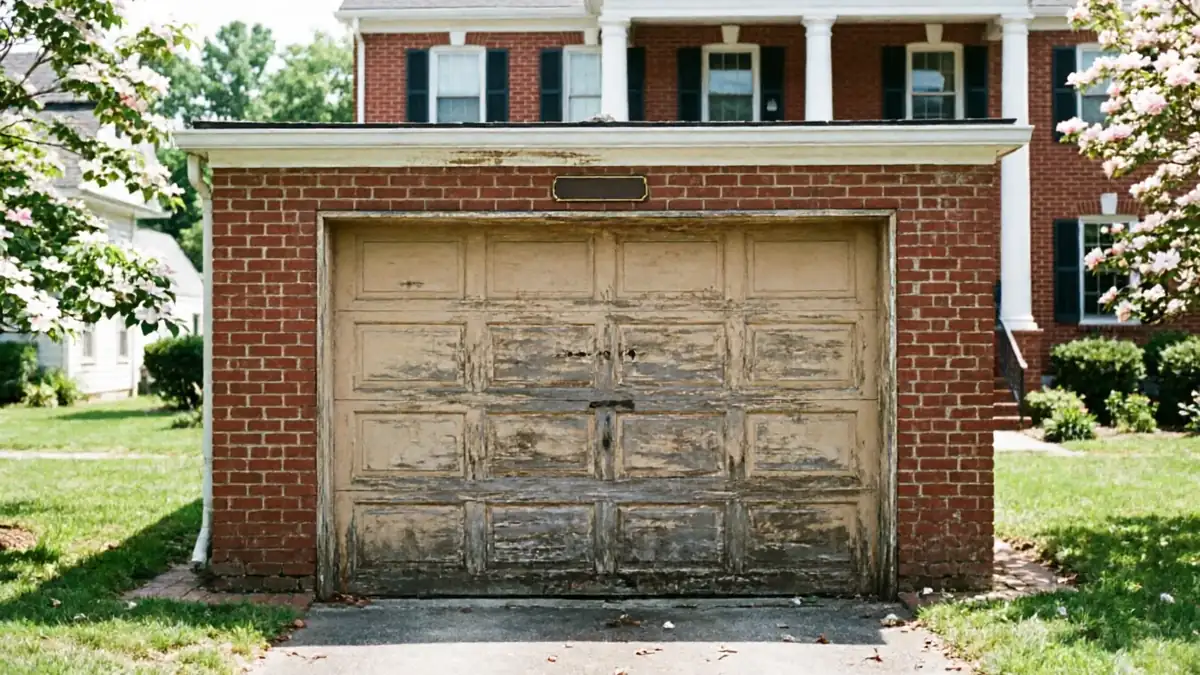
Most of the housing stock around Hampton went up between 1966 and 1992, with the median build year landing around 1977. That's not a small detail. A door and opener installed when a house was built in the late 1970s is now pushing fifty years old, and a lot of those original setups are still out there in the five older residential areas that make up the bulk of the local market. Fiberglass panels that have gone soft and chalky, steel sections with rust blooming at the bottom corners, extension springs that were never meant to carry a door this heavy for this long - all of it traces back to the same build wave. Across the service area there are roughly 52,311 households and about 23,601 owner-occupied houses, and a large share of them are sitting on hardware that's never been swapped out, only patched. The question for a lot of these calls isn't whether something's wrong. It's whether what's wrong is worth chasing with a repair bill or whether the door itself has reached the end of its run.
How Local Conditions Play In
The climate band here is cold-moderate, which means the area doesn't get brutal winters but does see enough cold, damp swings to matter for a door that's decades old. Steel sections from the 1970s and 80s weren't galvanized the way doors are today, and years of temperature swings plus coastal humidity work on seams and fasteners slowly but steadily. Torsion springs lose tension gradually in that kind of cycling, and tracks on older doors - especially the side-mounted hardware common on houses from that build era - can rack out of true without anyone noticing until the door starts binding. None of this is dramatic. It's wear that adds up over forty-plus years of seasonal cycling in a climate that never lets hardware just sit still. On a newer door this isn't a concern yet. On a door that matches the median age of housing here, it's already baked in.
What to Check
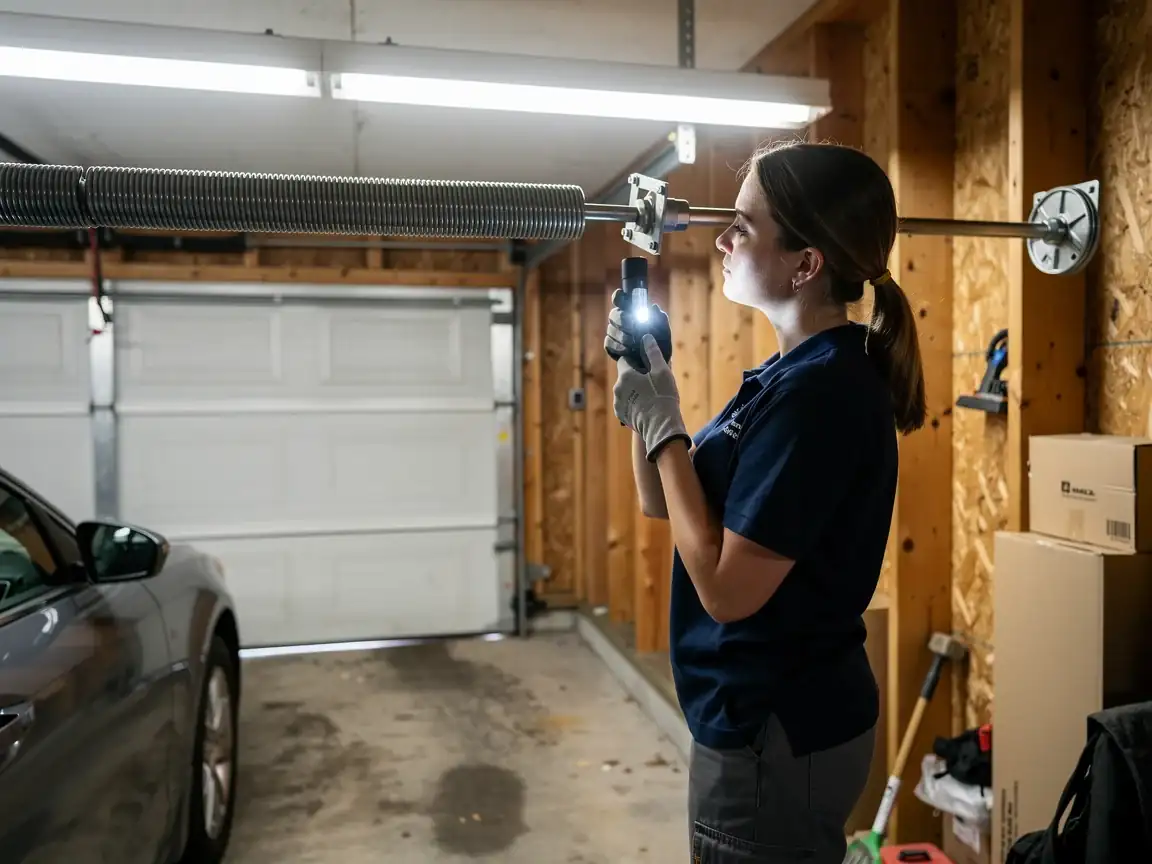
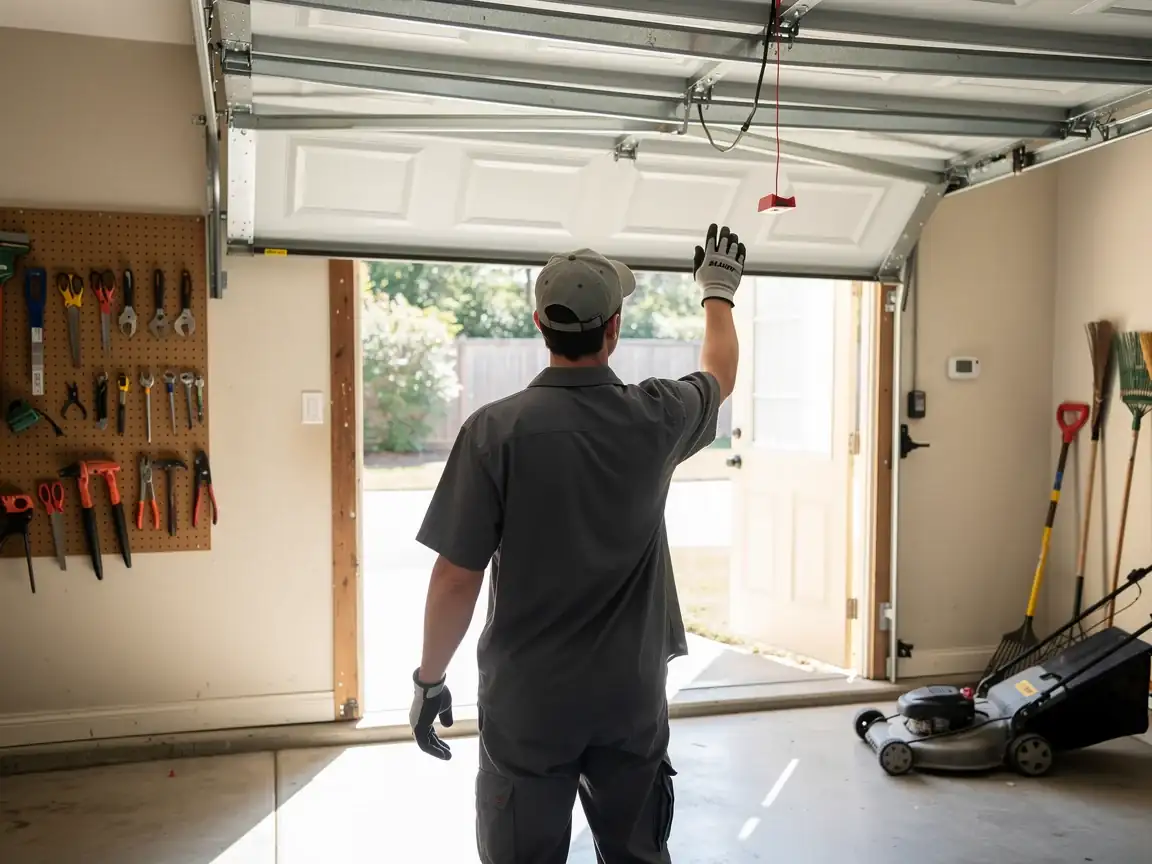
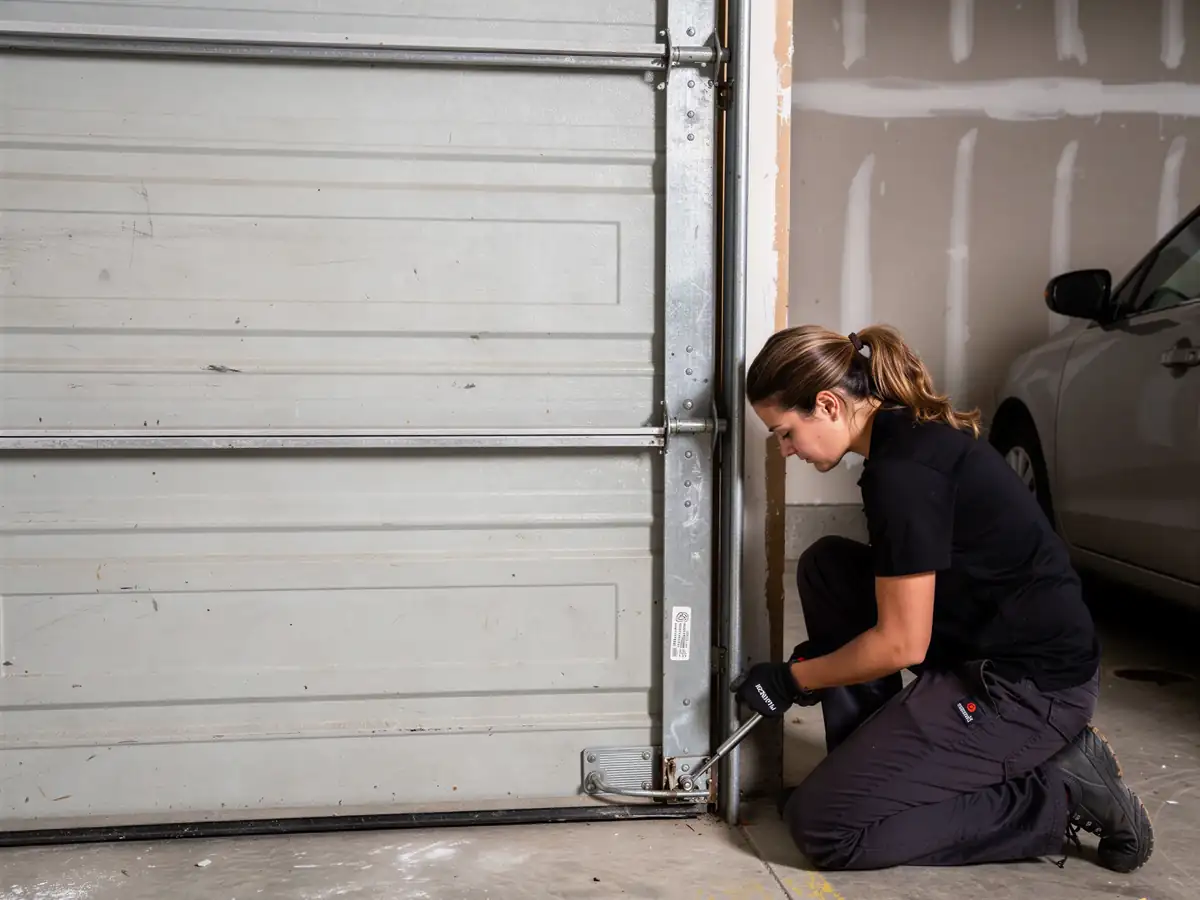
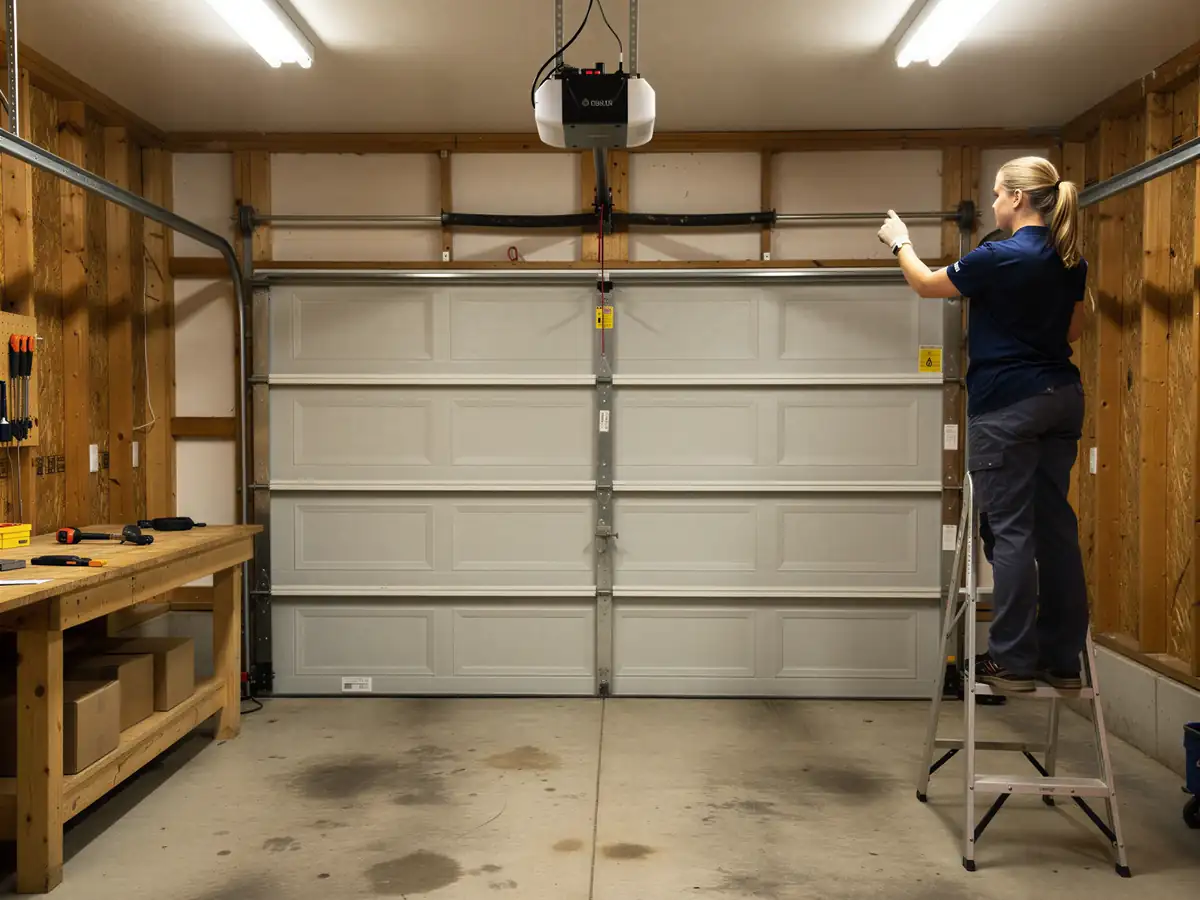
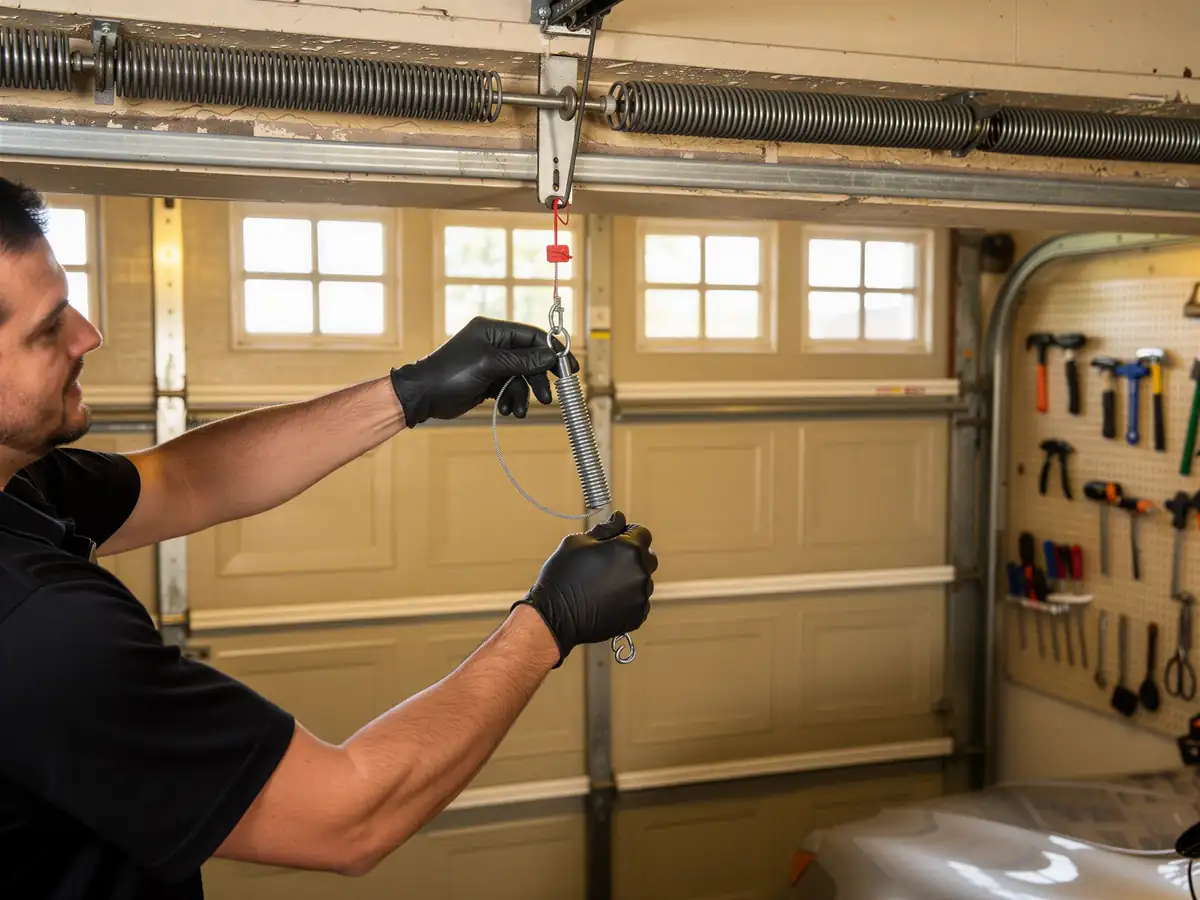
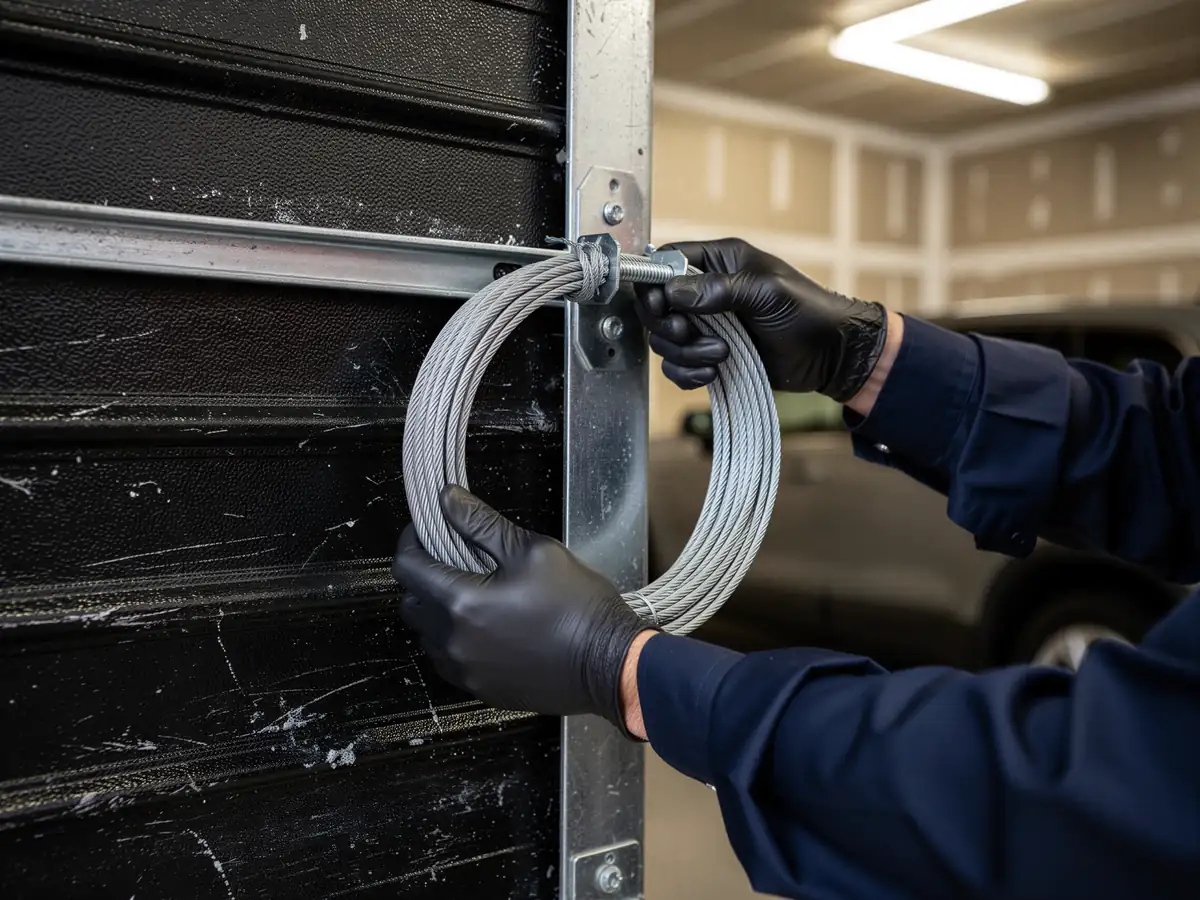
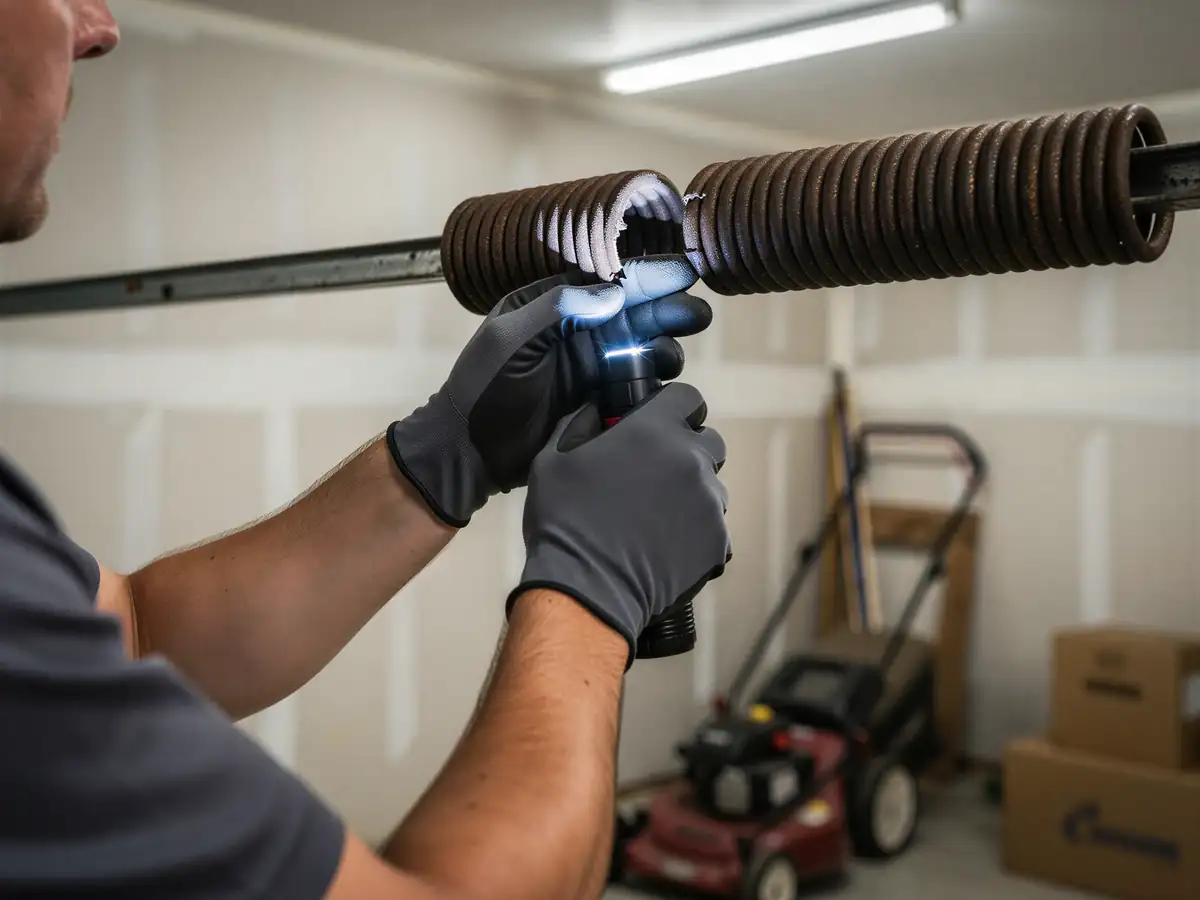
Start with the springs. If the door is original to a house built in the 1970s or earlier, the springs are original too, or close to it, and torsion springs in that age range are candidates for replacement on their own, independent of anything else being wrong. Next check the bottom two panels for rust-through or soft spots - coastal humidity tends to hit the bottom first. Look at the track mounting brackets for rust streaks or loose lag bolts; on older side-mounted setups these brackets take the full load and corrode quietly. Run the door by hand with the opener disconnected and feel for binding partway up - that's usually a track or roller problem, not an opener problem. Finally, check whether the panels are a style still made today. A lot of the 1960s-70s doors used panel profiles and track widths nobody stocks anymore, which matters for the next section.
When It Stops Being a DIY Job
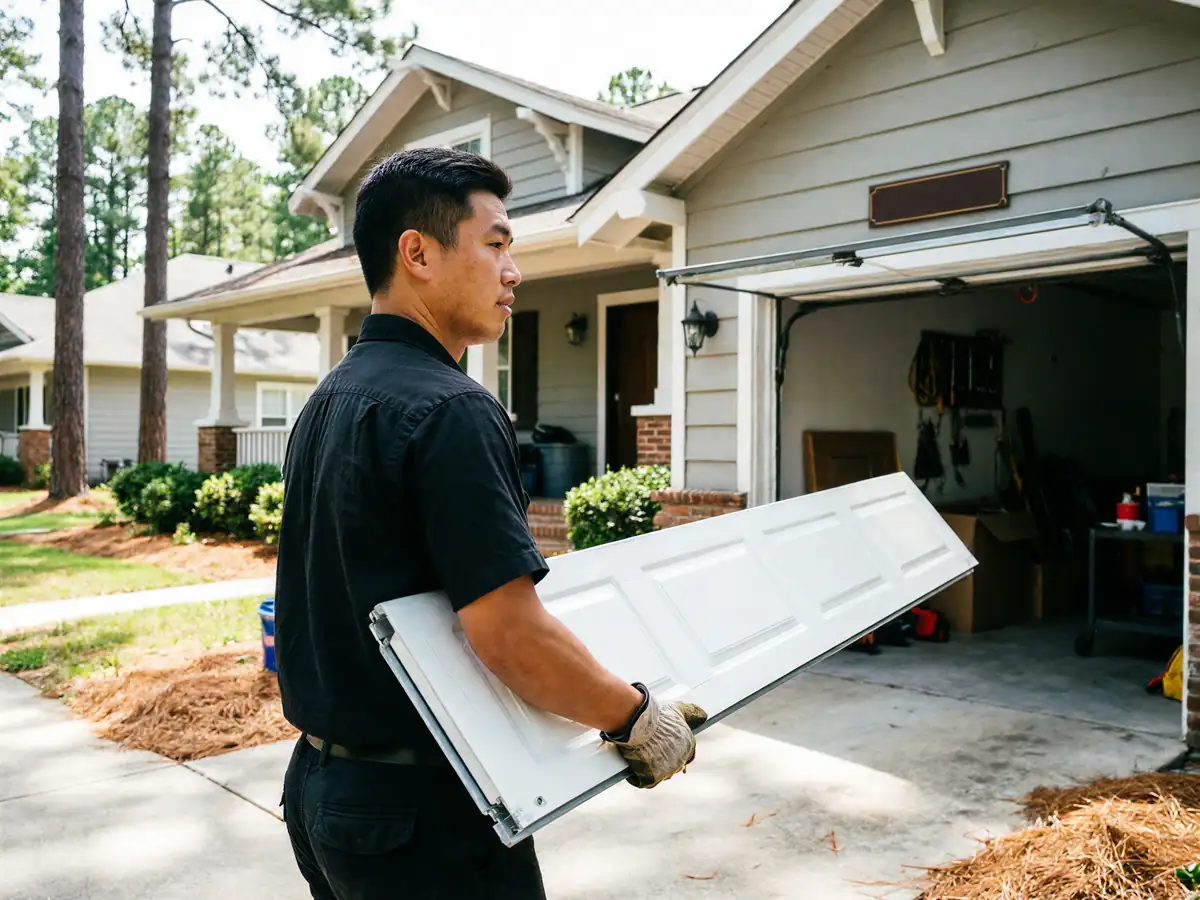
If the door is original to a house from that 1966-1992 window and the springs have never been replaced, that's not a weekend fix - a torsion spring under full tension can put someone in the hospital, and it's one of the jobs we tell people flat out to call for. The honest limitation here: if your door uses a discontinued panel profile from that era, we may not be able to get a matching replacement panel at all, and a full door replacement ends up cheaper and faster than hunting down a part that hasn't been made in decades. If the frame itself has racked out of square, or two or more major components need attention at once, that's usually the point where fixing it piece by piece costs more than starting over with new hardware built for how a door actually ages in this climate.
How do I know if my garage door's springs are original?
If your house was built before the 1990s and nobody has a record of a spring replacement, assume they're original. Given the median build year here is around 1977, that's a lot of springs well past their expected life. A visible gap in the spring coils or a door that feels heavier than it used to are both signs worth a look.
Is it worth replacing just the panels on an old door?
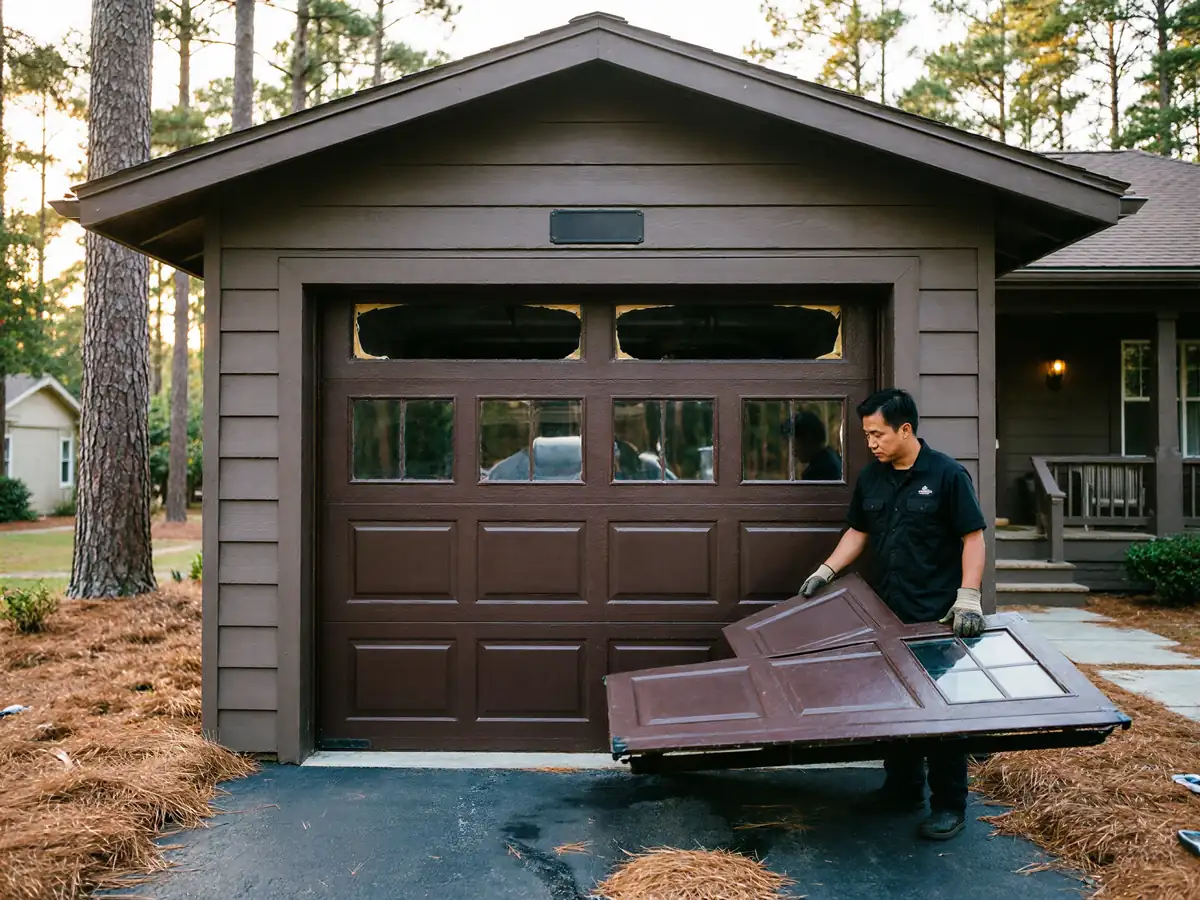
Sometimes, if the track and springs are in good shape and the panel style is still available. But a lot of doors from the 1960s-70s building wave used profiles that aren't made anymore, so matching panels can be impossible to source, and full replacement often ends up the more practical route.
Does Hampton's climate actually affect garage door hardware?
Yes, though not dramatically. The cold-moderate climate here means repeated seasonal cycling and coastal humidity, which over forty-plus years works on unprotected steel fasteners and older spring coatings. It's not sudden failure - it's slow wear that shows up as rust, binding tracks, or springs that have lost tension.
Ready to get your garage door sorted?
Tell us what it’s doing and where you are in Hampton - we’ll take it from there.