How Long It Takes
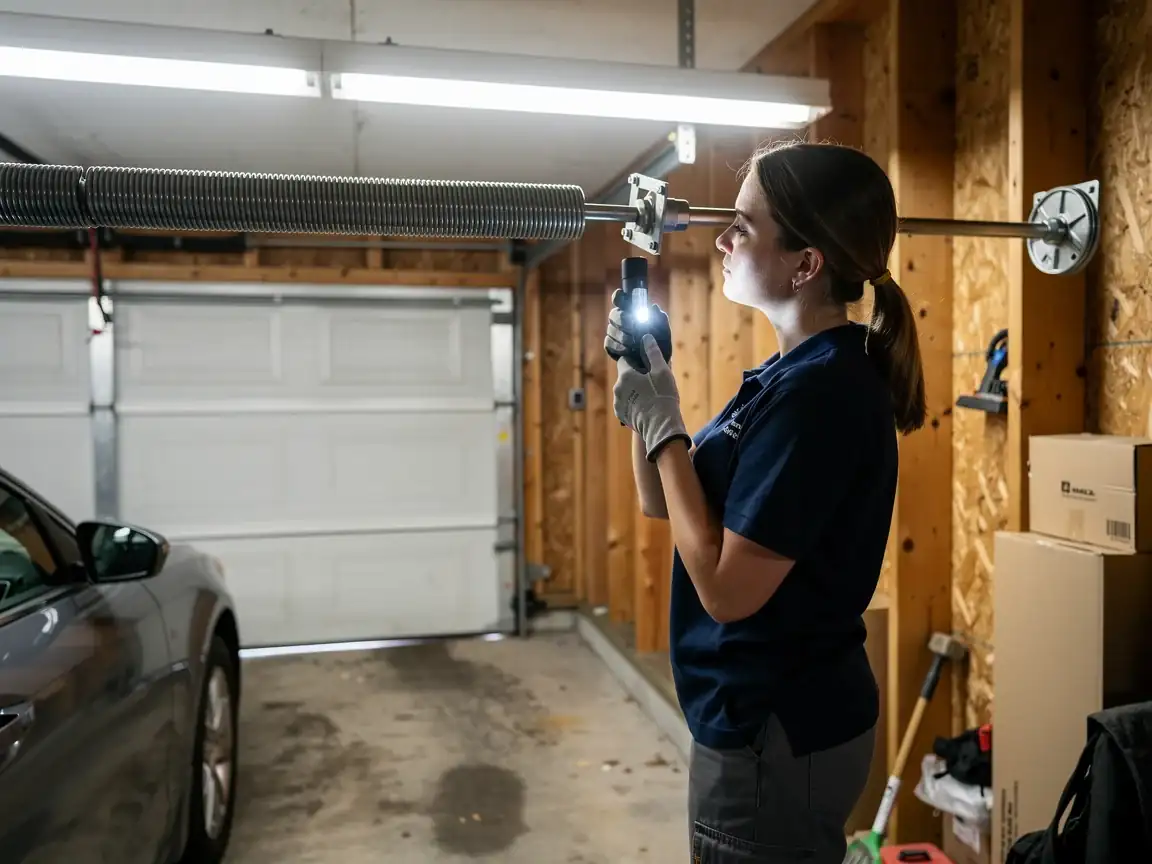
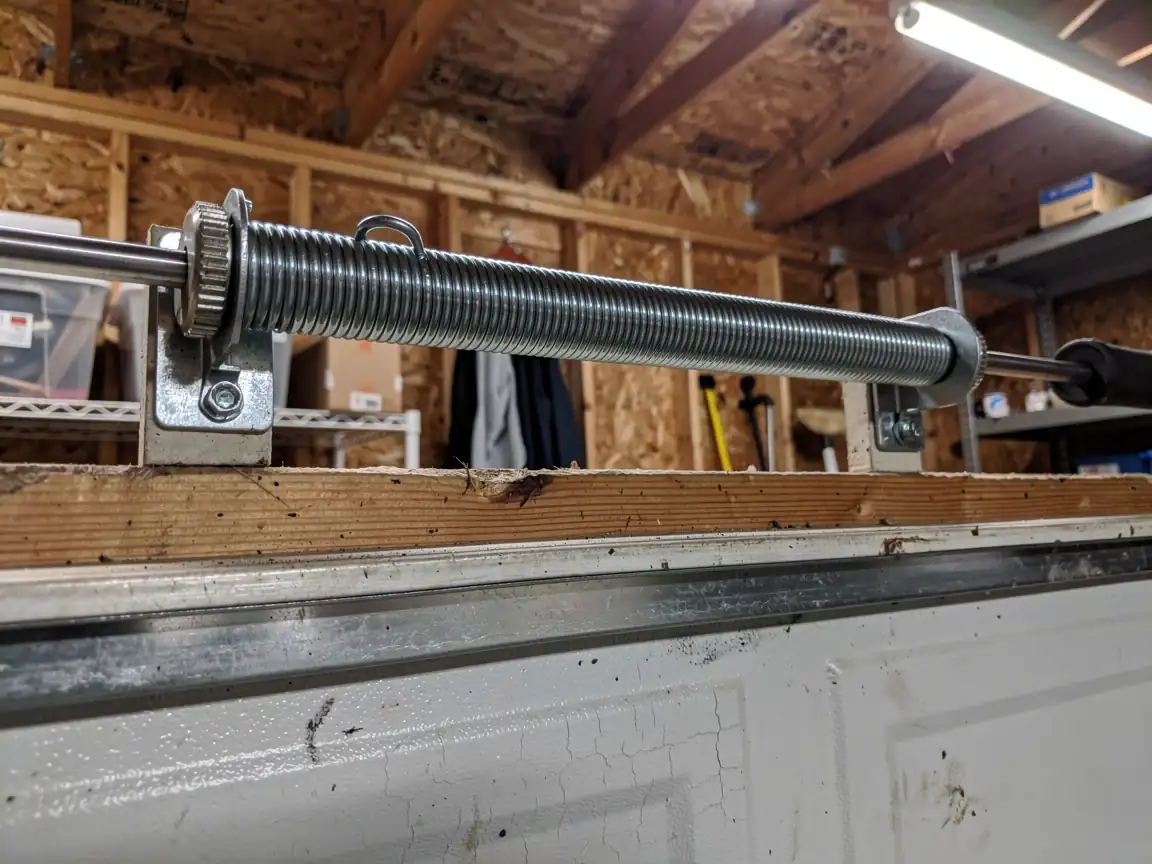
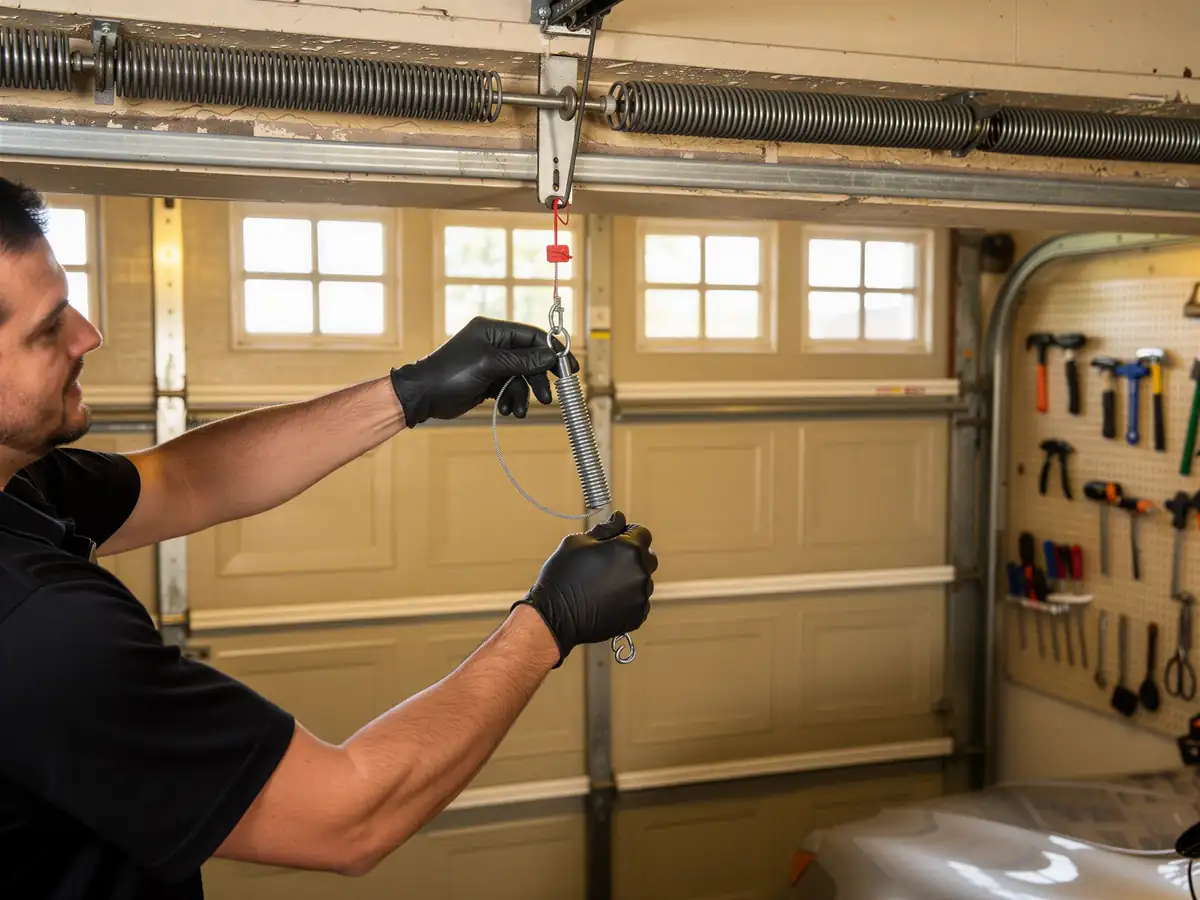
A torsion spring swap on a standard door is usually a single visit
We bring stock sizes for the openings most common in Hampton, since most houses here went up between 1966 and 1992, median year 1977, and the door openings from that era are fairly standardized. Where it gets longer is parts. If your door is an original from a 1960s or 70s build and the track or hinge pattern isn't a size we carry on the truck, we have to order it, and that can push the job to a second visit.
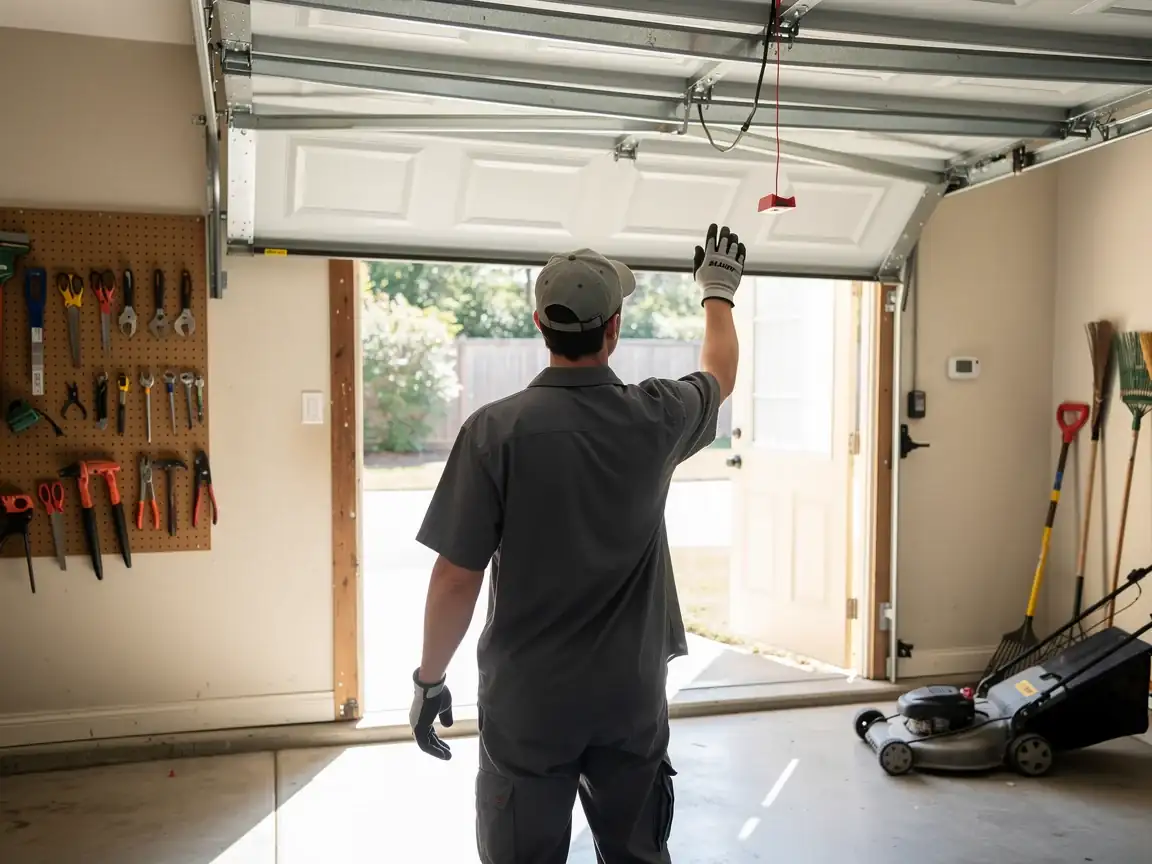
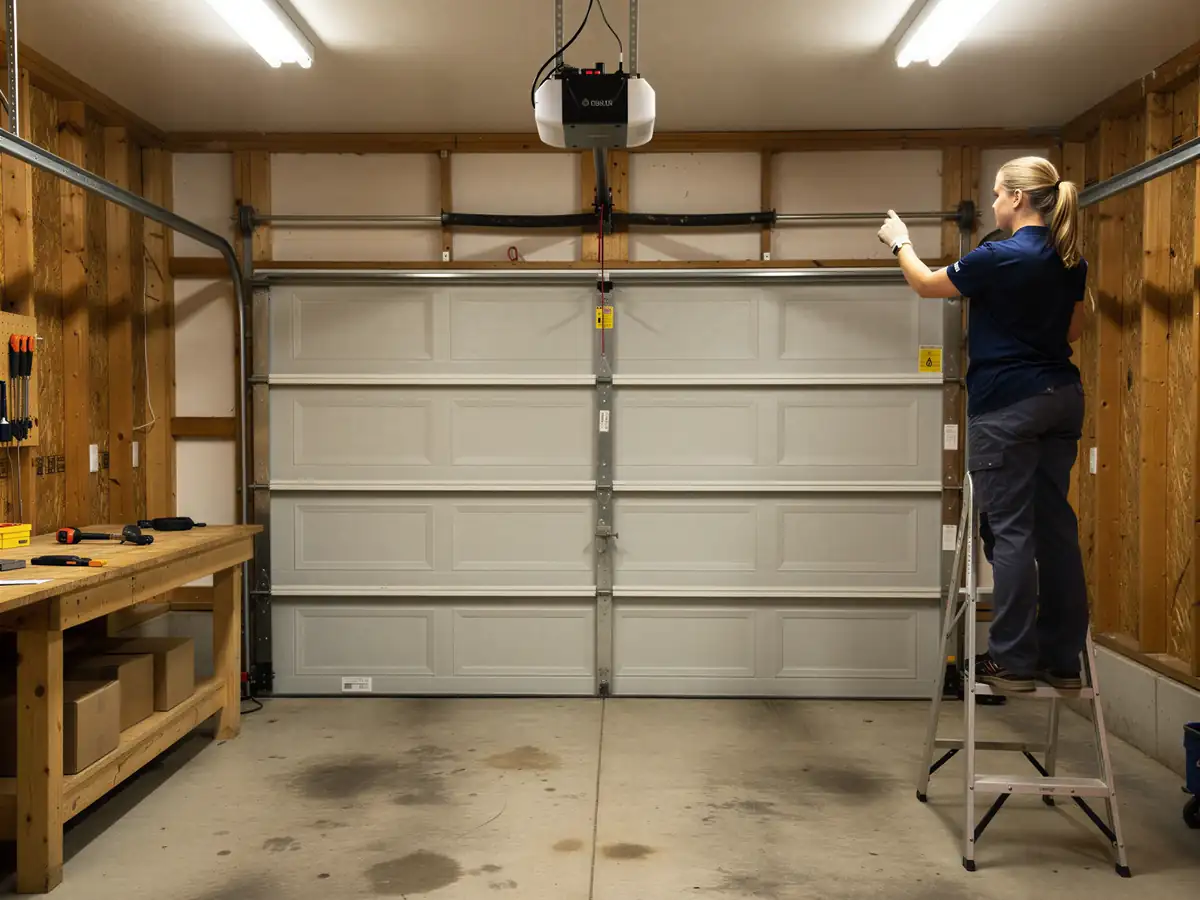
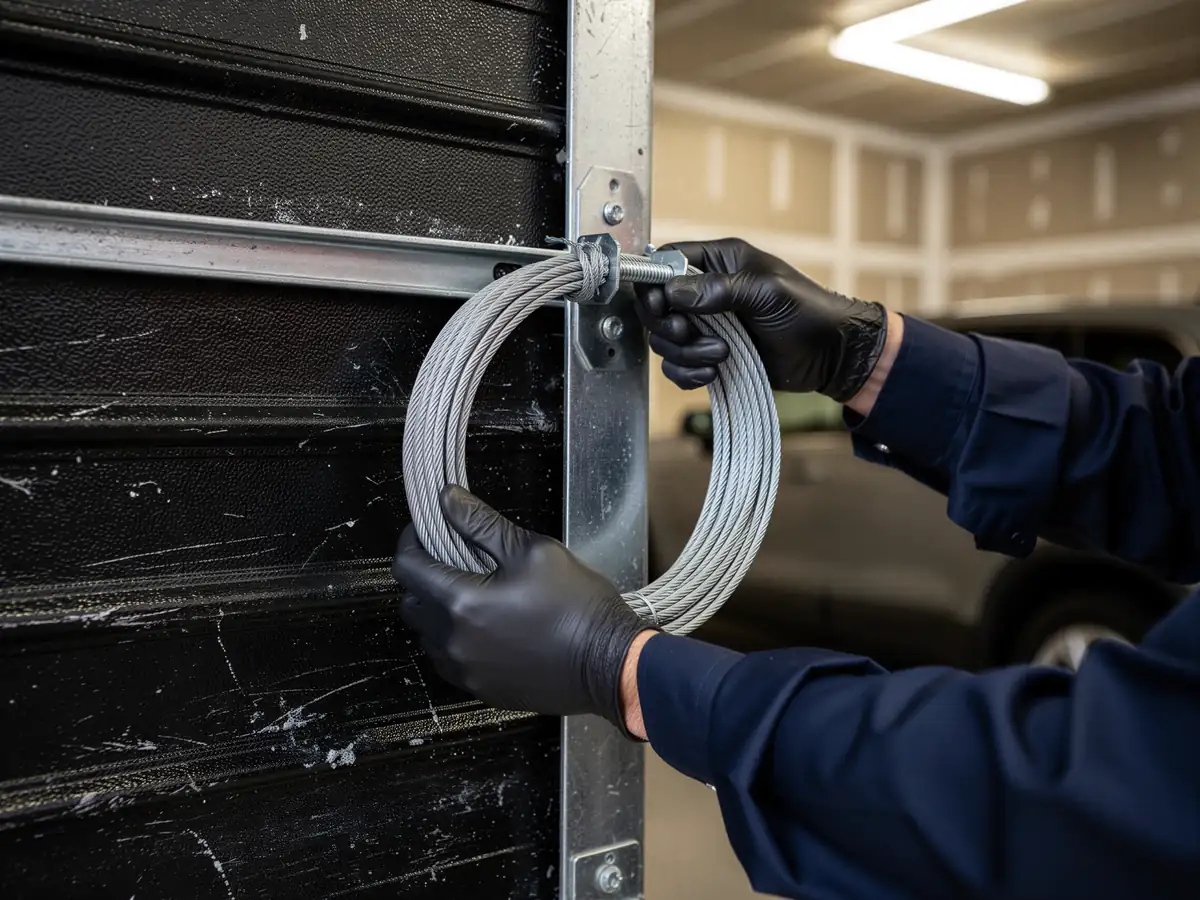
Cable and roller repairs are quick once we're on site - an hour, sometimes less
Opener repairs vary more because the failure could be the logic board, the gears, or just a worn sensor, and we won't guess at that over the phone. We diagnose first, then quote the time.
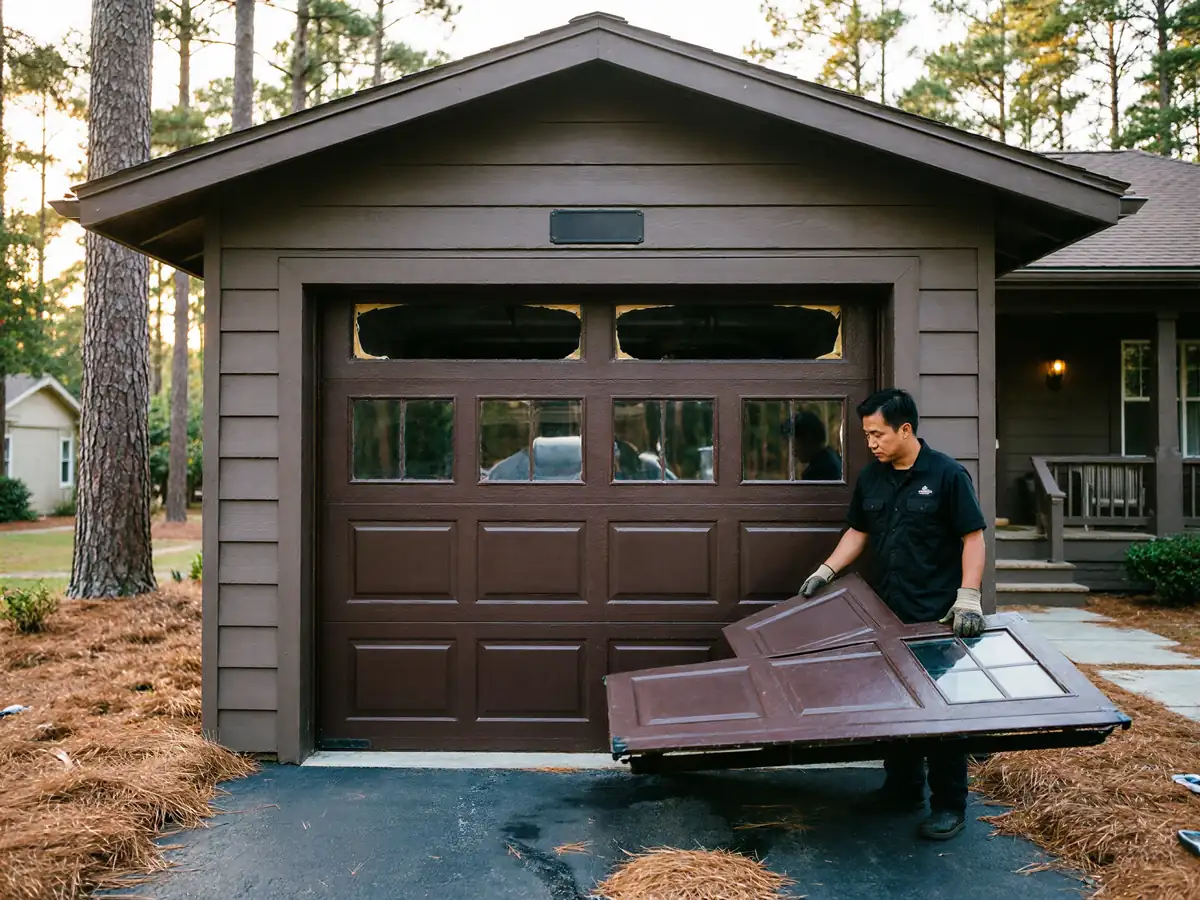
Honest limitation: if the door itself is warped or the panels are rusted through at the bottom
Not uncommon on houses from the older end of that 1966-1992 range - repair isn't really a fix, it's a delay. We'll tell you straight when that's the case instead of patching something that'll fail again in a season.
The Cost of This Job
Cost on a repair call comes down to what's actually broken, not a flat number we can quote sight unseen - a frayed cable is a different job than a cracked panel. What we can tell you is how Hampton households tend to decide: at a median household income of $90,885 across the service area, most owners here choose to replace a failing torsion spring outright rather than patch it twice in a year, because the labor to visit twice usually costs more than doing it right once.
Age of the door matters too. With 23,601 owner-occupied houses in the service area and most of the housing stock dating to the 1960s and 70s, a lot of doors are original or close to it. Parts for those openers and tracks aren't always the cheap universal stock - sometimes they're a special order, and that adds to the bill.
We'll give you the number after we look at the door, not before. Anyone quoting a price over the phone without seeing your spring size, door weight, and track condition is guessing.
Why This Fails Locally
Hampton sits in a cold-moderate climate band, which means the garage door panel and steel track go through real seasonal swings - summer humidity swells wood-core panels and warps thin steel skins, then winter cold shrinks the same metal back down. That cycle, repeated every year since a door was installed, is what loosens roller tracks and dries out the lubricant in a torsion spring faster than in a climate that doesn't move as much.
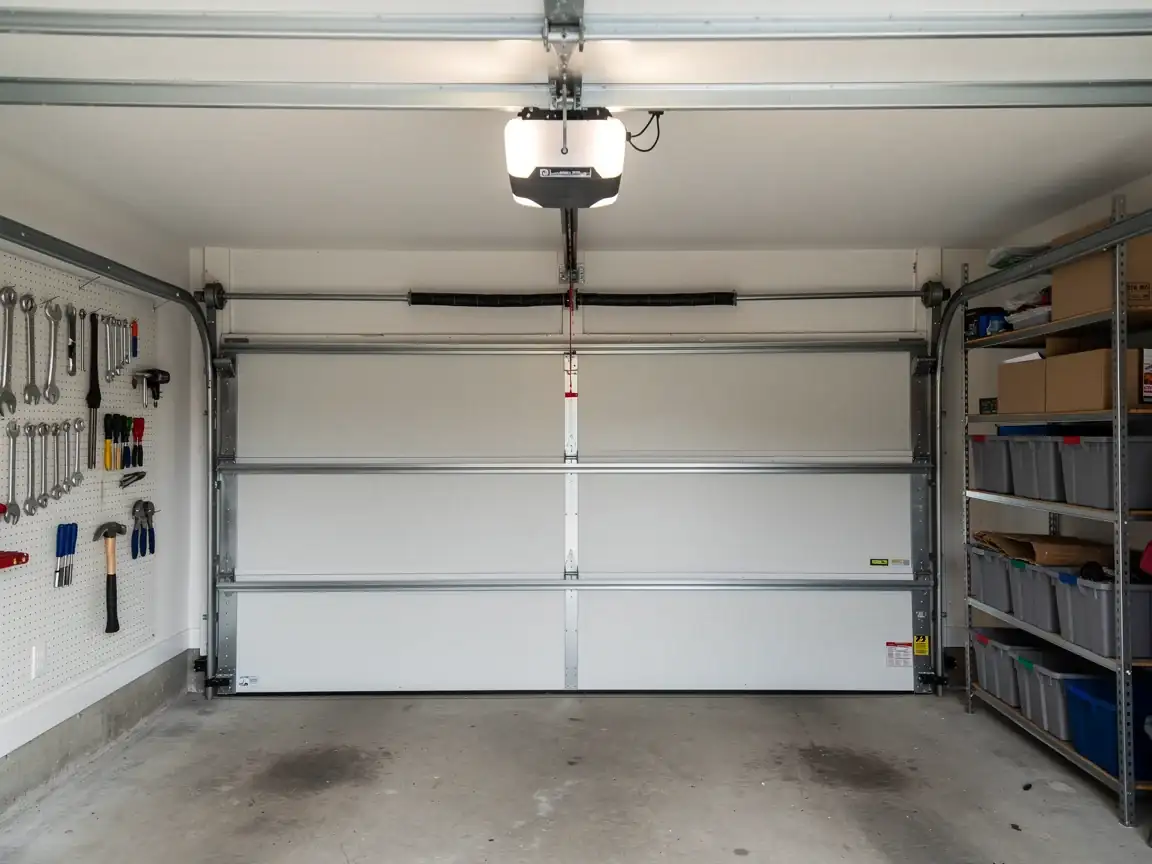
Layer that on top of the housing stock: most homes across the service area were built between 1966 and 1992, with the bulk around the 1960s and 70s spread across neighborhoods. Doors and openers from that era weren't engineered for today's heavier insulated panels, and plenty of them are still running original torsion hardware on side-mount brackets that nobody manufactures anymore. When a spring finally gives out on one of these doors, it's not a fluke - it's thirty-plus years of seasonal expansion and contraction catching up with hardware sized for a lighter, older door.
The Symptom
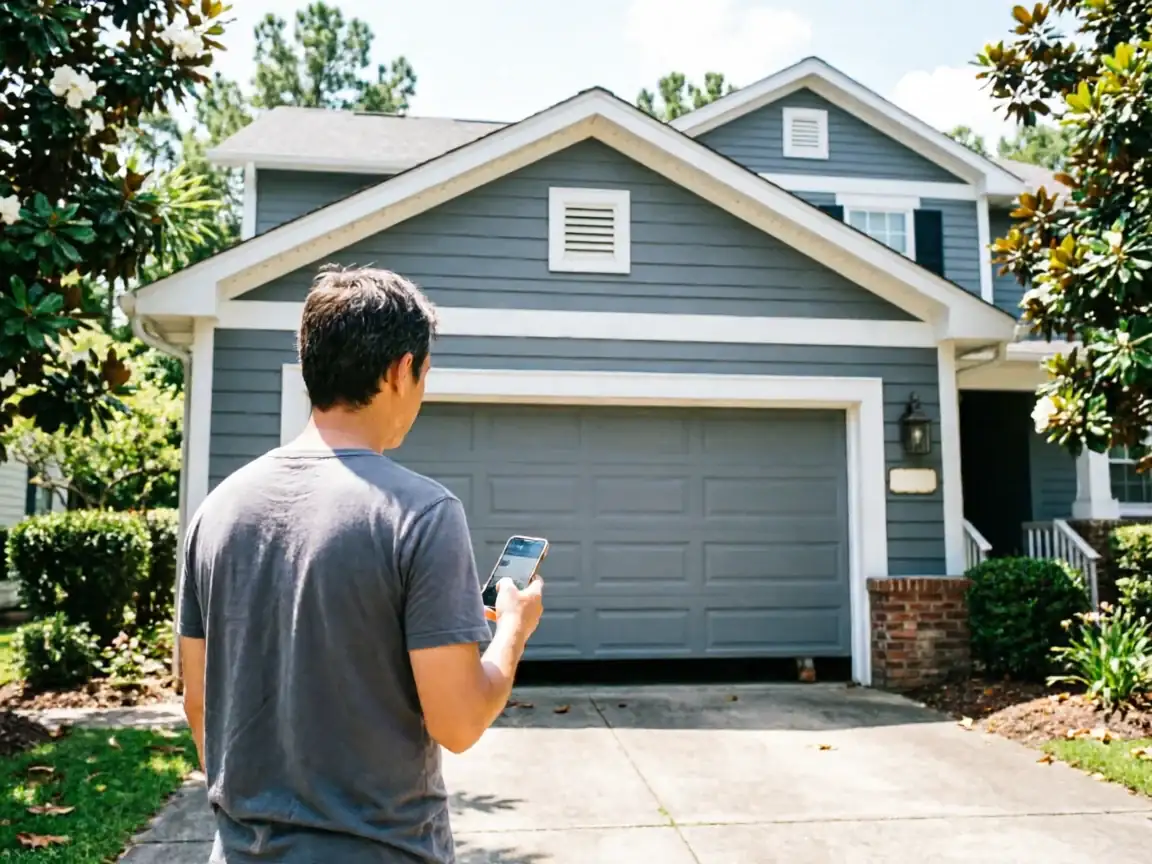
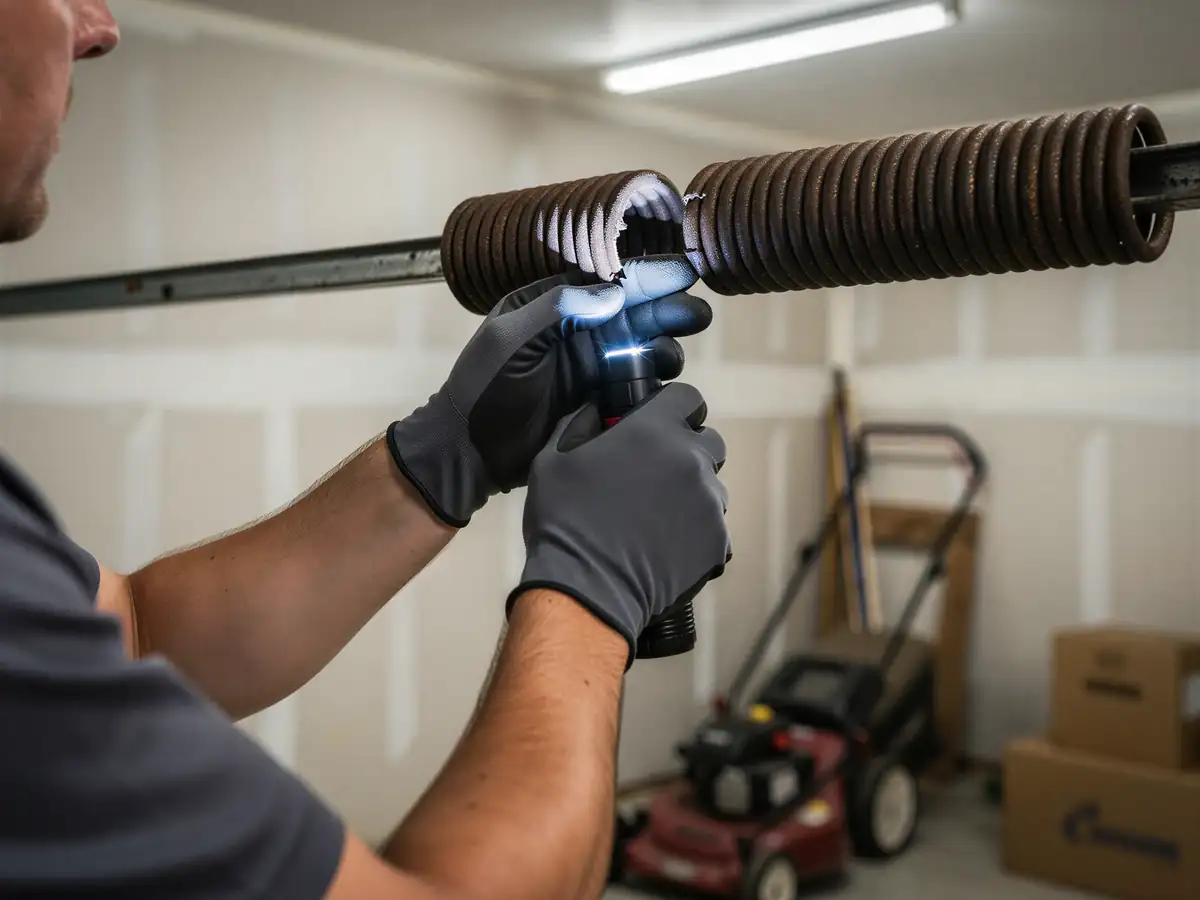
The door that won't open, or opens a few inches and stops, is almost always a spring
On the older stock common here - torsion springs installed when the house was built in the 1960s, 70s, or into the early 90s - the spring has usually done its last full cycle. You'll hear it some times as a bang from the garage, other times it just goes quiet and the opener strains against dead weight.
A door that drifts to one side as it closes, or binds halfway up, points to a track problem instead
Often a bent rail or a roller that's worn through after decades of the same seasonal swelling and shrinking the climate here puts it through. If the opener runs but the door doesn't move, check the cable first; on original hardware those fray at the drum over time and nobody notices until the strand finally lets go.
If your door is slamming down fast instead of closing on its own weight evenly, don't put weight under it to test
That's a spring that's already failed or about to.