How Long It Takes
A torsion spring job is a same-visit repair once a tech is at the house
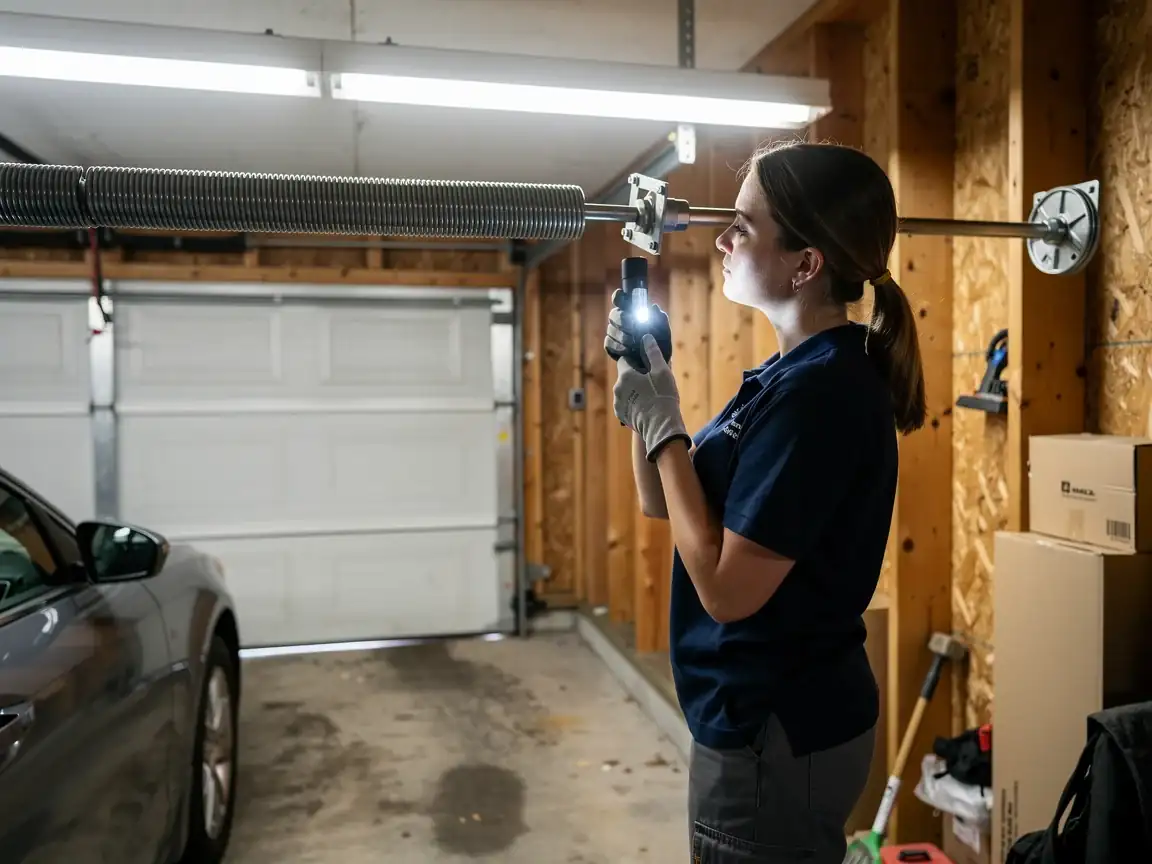
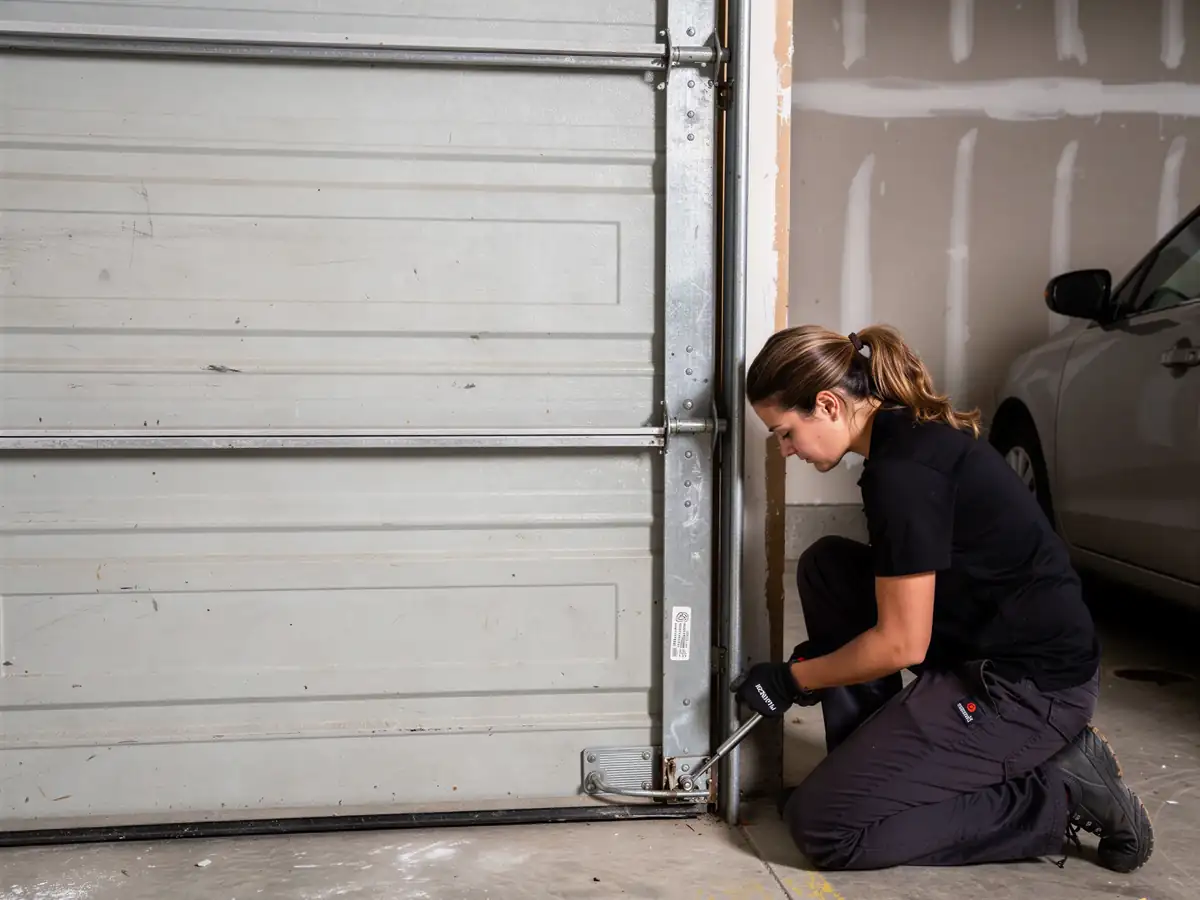
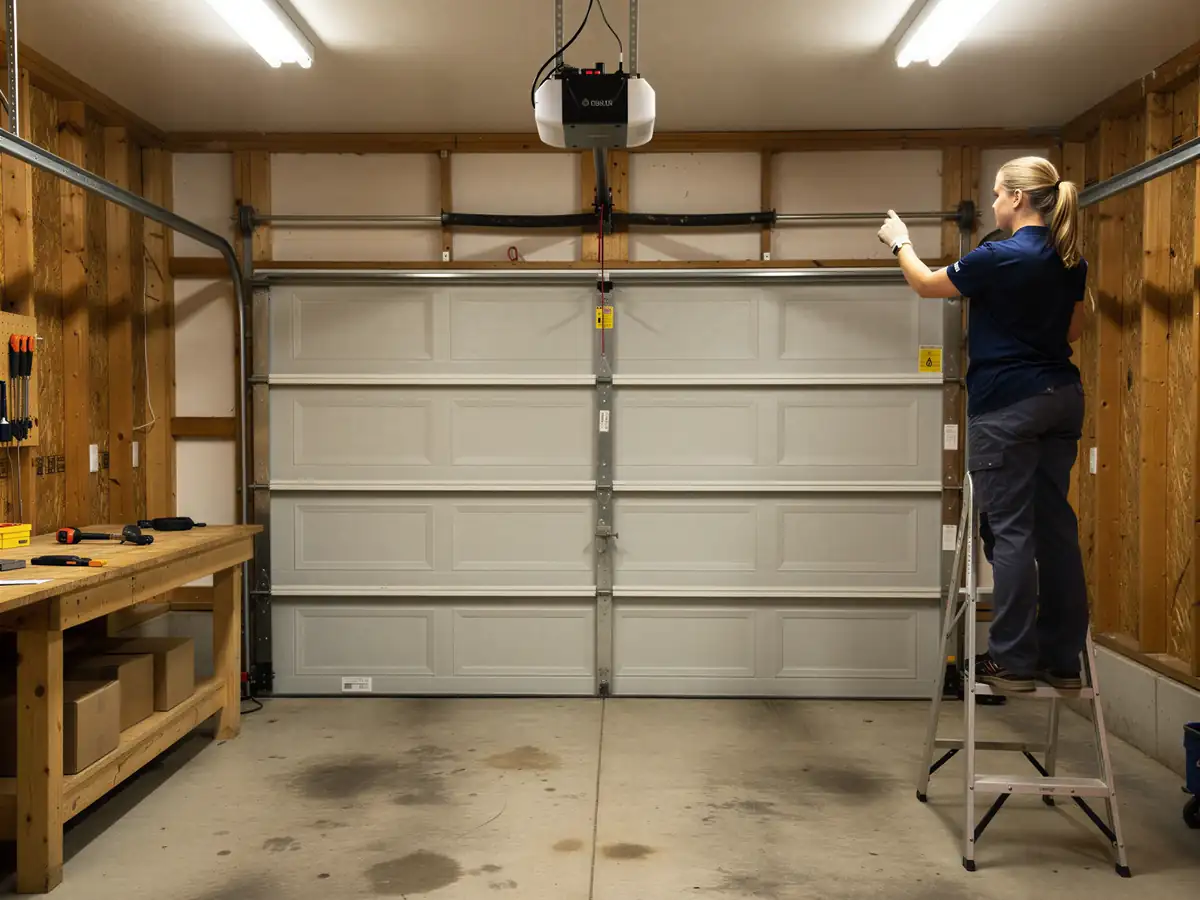
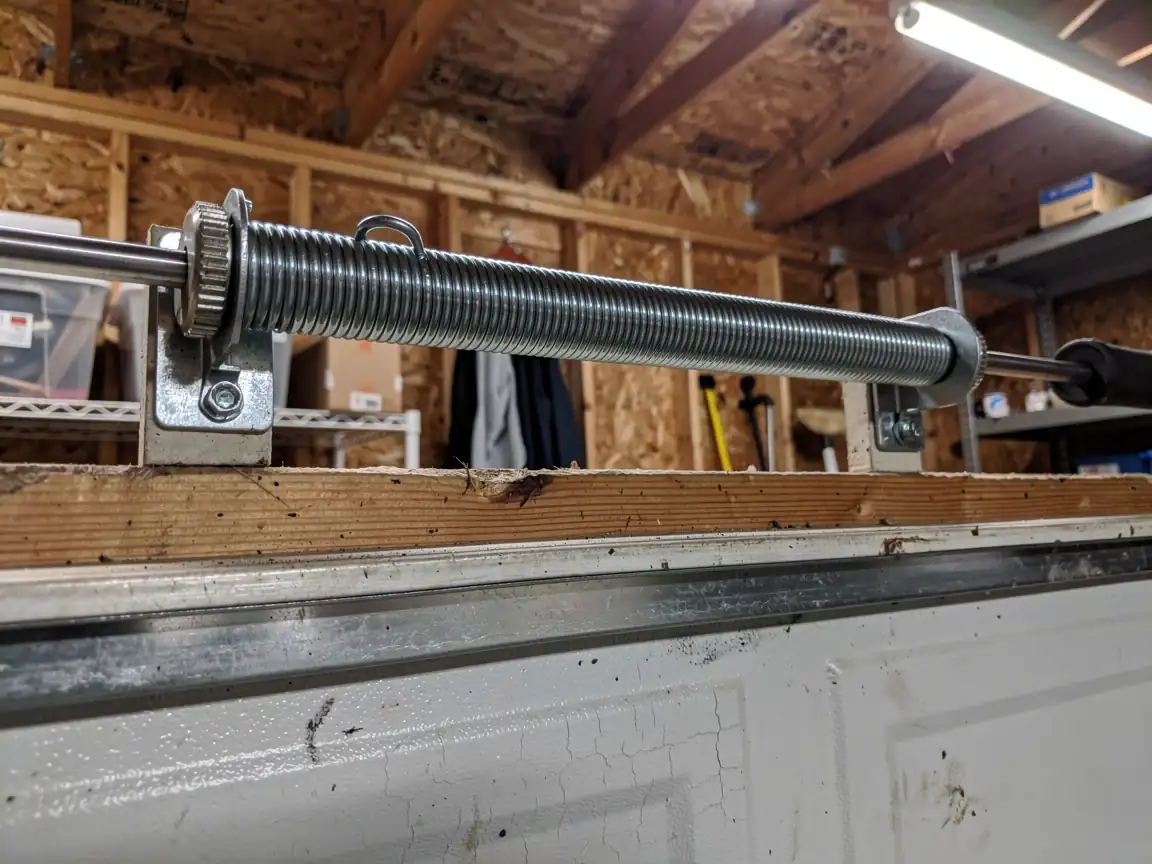
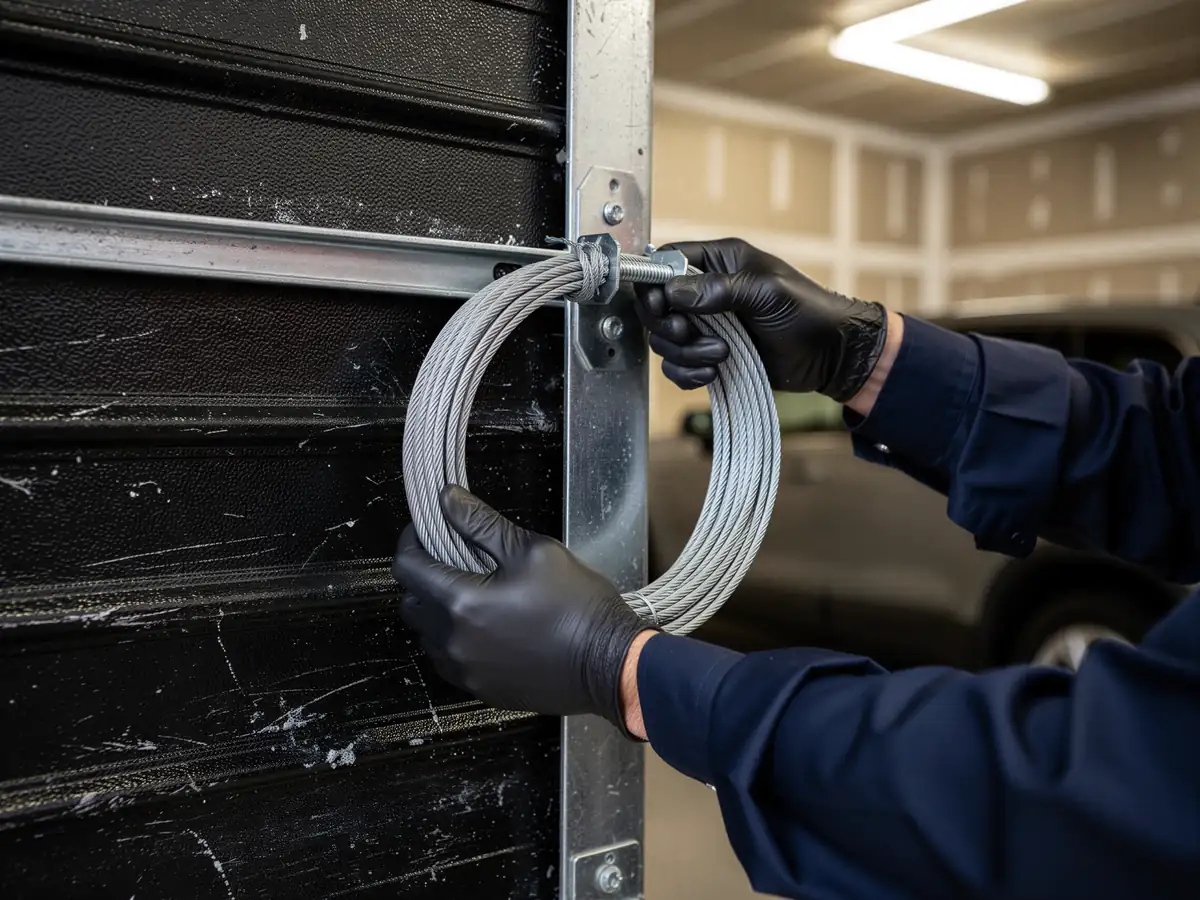
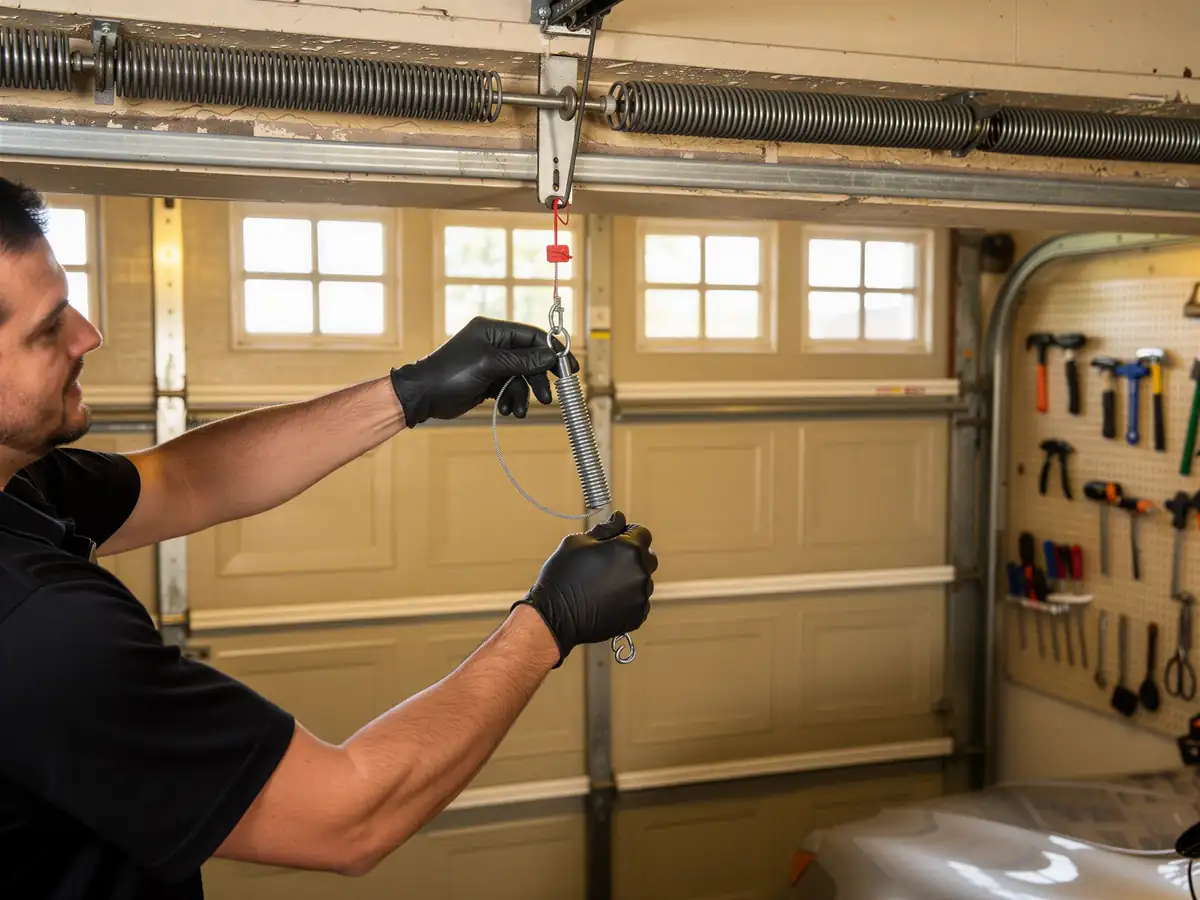
The tech checks the spring size, the drum, the cable condition, and the track alignment before touching anything, because a worn cable or a bent track will snap a brand-new spring just as fast as the old one failed. On a standard single door with one spring, the swap itself usually runs under an hour once the truck has the right size spring on board. Double doors with two springs, or doors where the opener bracket has to come off first, take longer.
What actually stretches a job out in Hampton is parts matching
A lot of the torsion hardware still in service here dates to the 1966-1992 building boom, and spring wind and wire gauge from that era don't always match what's stocked on a standard truck. If the drum or shaft is original too, the tech may need to source a part that isn't a common size anymore, and that can mean a return trip. We won't force a mismatched spring onto old hardware just to finish in one visit - a spring rated wrong for the door's weight fails again, usually within months, and often takes a cable or a finger with it.
The Cost of This Job
We don't post a flat number for spring repair because the variables are real: single spring versus a pair, standard torsion versus the older extension-spring setups still found on some of the 1970s builds in this area, and whether the drums, bearings, or cables need replacing alongside the spring itself. A tech gives you the number after looking at the door, not before.
What we can say is that this area's median household income sits around $90,885, and most homeowners here treat a spring repair as a planned expense rather than an emergency they can't absorb - which is part of why we quote the job on-site instead of guessing over the phone. Replacing just the spring is cheaper than letting it go and having the cable or drum fail from the extra strain. If a spring breaks and the door has been run on it anyway for a few weeks, that's usually the point where the cost moves from a spring repair to a spring-plus-cable repair, so the timing of the call matters more than people think.
Why This Fails Locally
Hampton's housing stock mostly went up between 1966 and 1992, with a lot of it clustered around 1977, which means a large share of garage doors in this service area are still running on torsion hardware from that same build-out. Torsion springs are rated for a cycle count, not a calendar date, but houses built in that window have had forty-plus years to run through those cycles, and most owners never knew the spring had a shelf life at all.
The cold-moderate climate band here adds to it. Steel coil springs lose a little tension and flex differently as temperatures swing through a Hampton winter versus a Hampton summer, and that repeated contraction and expansion is what finally snaps a spring that's already near the end of its rated cycles - often on the coldest morning of the stretch, when the metal is least forgiving. It's not a dramatic failure point, just an old part meeting an ordinary temperature swing at the wrong moment. Newer doors with galvanized, higher-cycle springs handle that swing fine. The 1970s-era single-spring setups common across this service area don't have the same margin.
The Symptom
A broken torsion spring almost always announces itself the same way
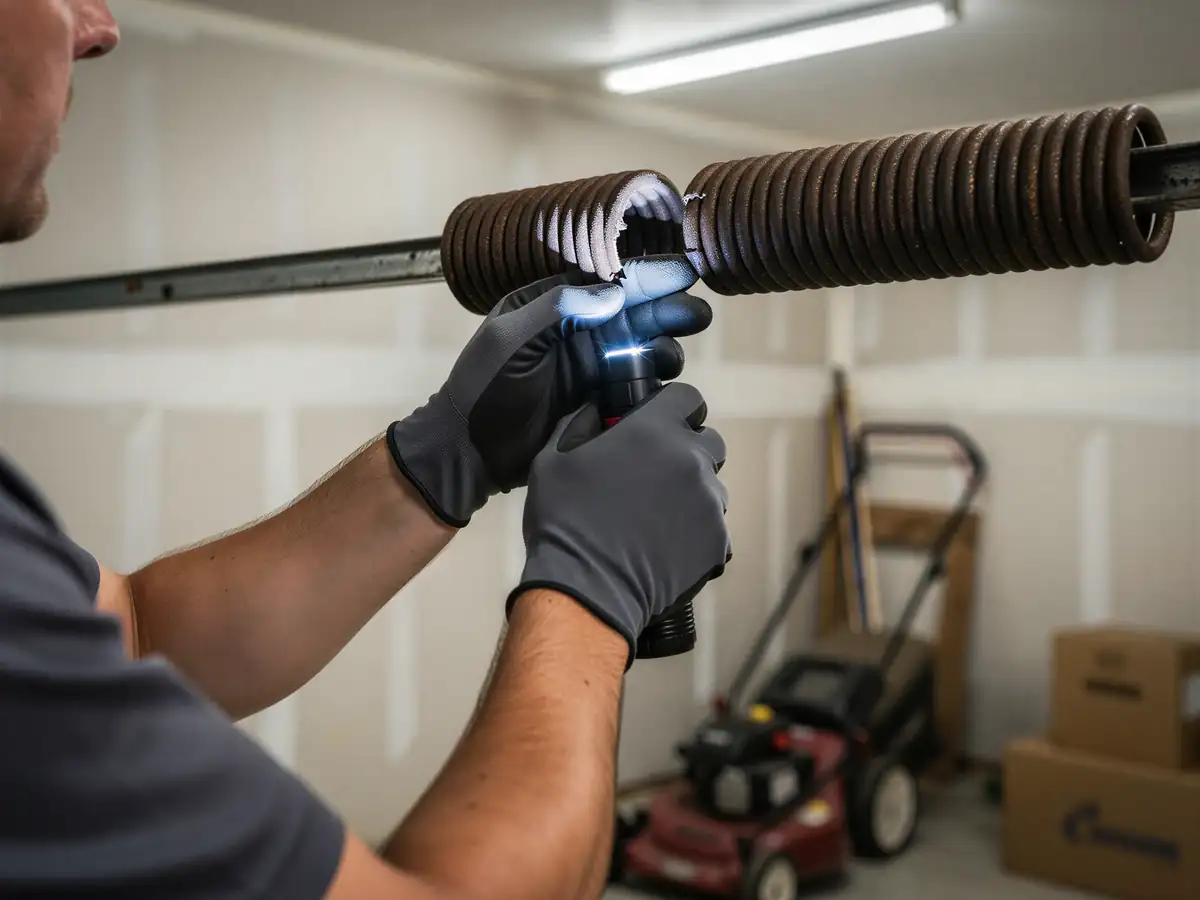
A loud bang from the garage, sometimes loud enough to hear inside the house, followed by a door that won't lift - or that the opener strains against and then stops. If you try the manual release and lift by hand, the door will feel far heavier than normal, because the spring is what was carrying most of that weight, not your arms or the opener motor.
Sometimes it's quieter than that
The spring can lose tension gradually, and you'll notice the door closing crooked, drifting down on one side, or the opener reversing partway through a close because it's fighting an imbalanced load. Either way, don't keep running the opener once you suspect a spring issue - that's how a cable snaps or a drum cracks on top of the original problem, turning a single-part repair into a bigger one. If the door is original to a 1970s-built house and has never had the spring replaced, a loud bang in the garage is almost certainly this, not the opener.