Serving Hampton, VA & nearby
(757) 384-0572
Hampton, VA

What a Garage Door Service Call Actually Covers in Hampton

A look at what a garage door service call in Hampton actually checks, built around the area's 1966-1992 housing stock and coastal climate conditions.

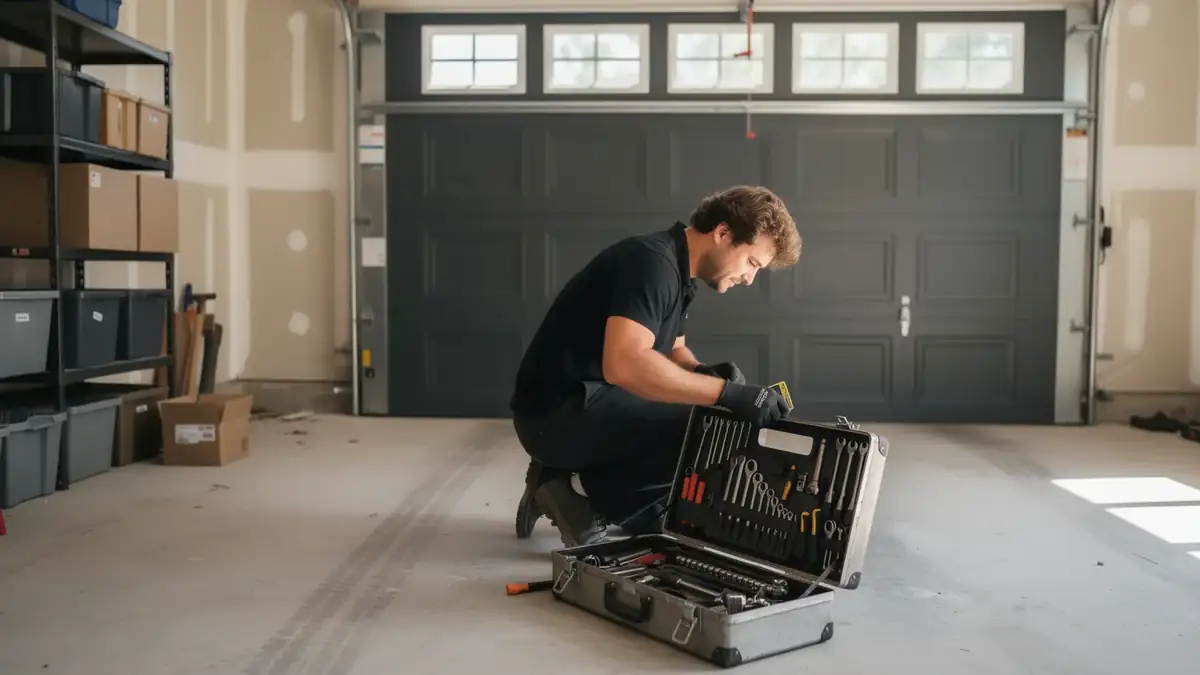
A technician kneels in a garage, looking into an open toolbox.

The Situation

When we get a call in Hampton, we're usually looking at a door that's somewhere between 25 and 55 years old, because most of the houses we work on went up between 1966 and 1992, with the median landing around 1977. That matters more than people think. A door from that era was built for a lighter panel and a torsion spring sized to match it. Homeowners replace the door over the years but keep the original track and spring, or they replace the spring but never touch the opener bracket, and the mismatch is what we find on the service call. Across the five main pockets of housing in this part of town, built mostly through the 60s and 70s, the pattern repeats: original hardware, newer door, nobody checked whether the two agree with each other. A service call here starts with figuring out which parts are from which decade, not just whether the door goes up and down. That's the actual job, more often than the spring itself.

How Local Conditions Play In

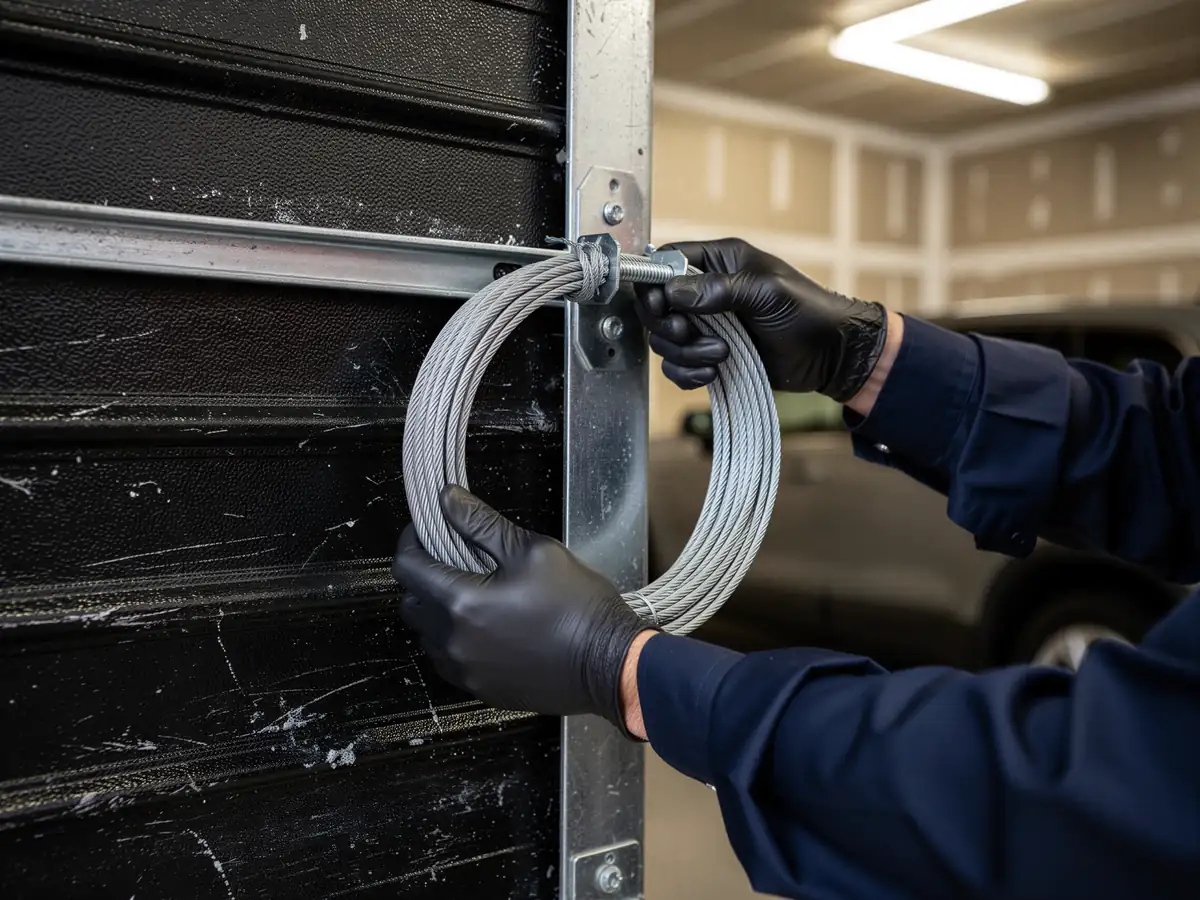
Hampton sits in a cold-moderate climate band is right at the western edge of town, which means the salt air off the water reaches bare hardware faster than it would thirty miles inland. Exposed spring coils, hinges, and roller shafts pick up surface rust years before they would in a drier climate, and rust on a torsion spring isn't cosmetic - it's where the metal starts to fatigue unevenly and fail without warning. Add winter contraction and summer humidity swings between the coastline near Fort Monroe, two miles south, and the drier inland air out toward Langley, four miles northwest, and you get hardware that expands and contracts more than the builders of a 1977 door ever planned for. A service call in this area checks for corrosion on fasteners and spring coils specifically, not just whether they turn freely. We also look at cable condition near the bottom roller, since that's where salt-laden moisture tends to sit longest after a wet week.

What to Check

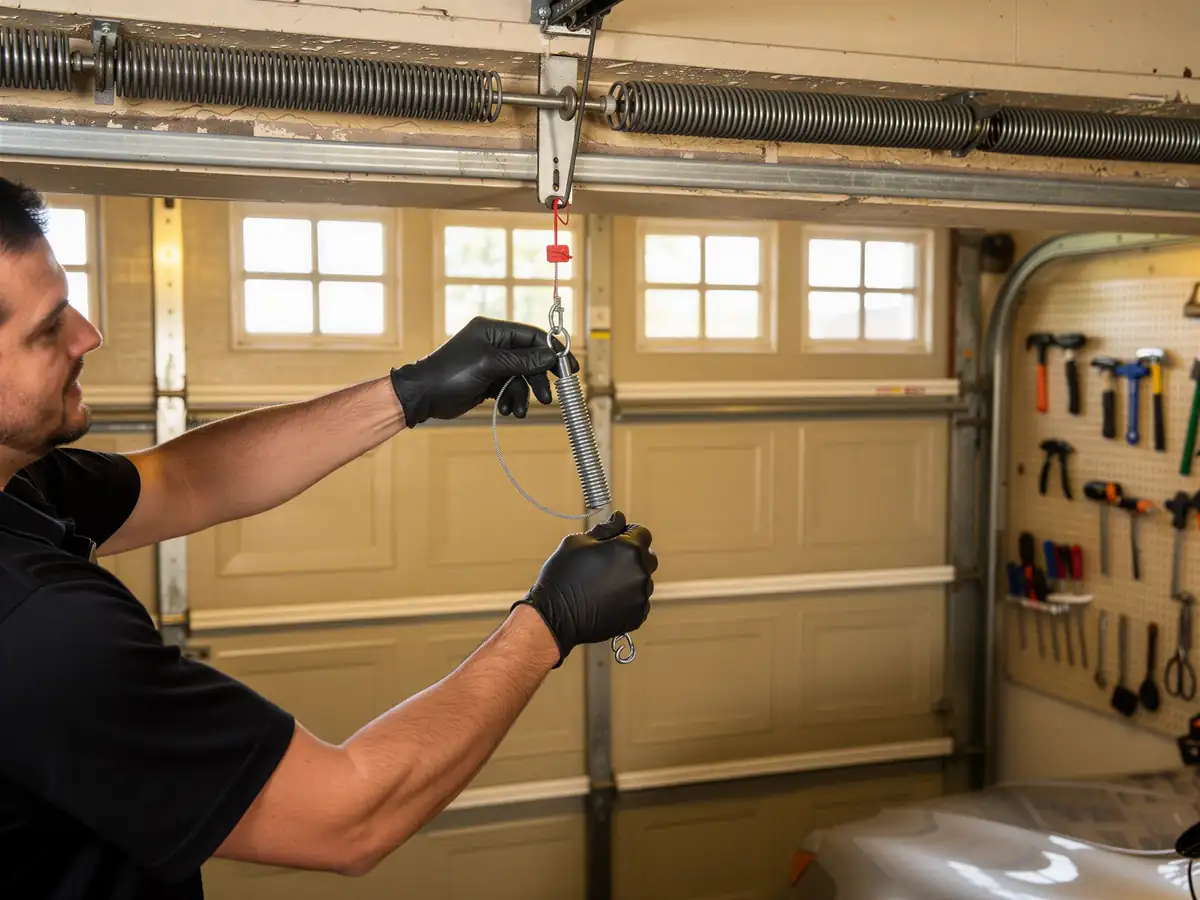
On a door from the 1966-1992 build window, start with the spring: original torsion springs from that stretch were often undersized for anything heavier than a single-layer steel door, so if the door's been upgraded to an insulated panel, the spring is working harder than it was built for. Next, check the track bolts and the header bracket - houses from this era commonly used a mounting method that loosens over decades of seasonal wood movement in the framing. Look at roller condition near the bottom two feet of track, where moisture collects first in a coastal town. Check the opener's force setting if it's been swapped out but the spring wasn't re-balanced to match - that's a common mismatch we find on older Hampton homes. Finally, listen for grinding at the top roller, which usually means the track has shifted slightly out of plumb, something that happens gradually on houses built on this area's soil and settling pattern.

When It Stops Being a DIY Job

Lubricating hinges and tightening visible bolts is fine to do yourself. Replacing a torsion spring is not, especially on the double doors common in the larger homes built through the 1970s and 80s in this area - the spring is under enough tension to cause real injury, and we don't recommend homeowners attempt it regardless of how the online videos make it look. If the door is original to a house from the 1966-1992 range and the track or spring size doesn't match anything available off the shelf, that's also a call-us situation rather than a parts-store trip, because matching obsolete hardware takes some figuring out. One honest limit on our end: we don't do cosmetic refinishing - if a door's structurally sound but just faded or dinged from salt air, that's a repaint job, not a repair call, and we'll tell you that straight instead of billing for something that doesn't need fixing.

How it works

From “it’s stuck” to “it’s fixed”

A man uses a smartphone to open a gray garage door on a blue house.

Tell us what’s wrong

Describe the symptom - won’t open, loud bang, opener runs but the door won’t move.

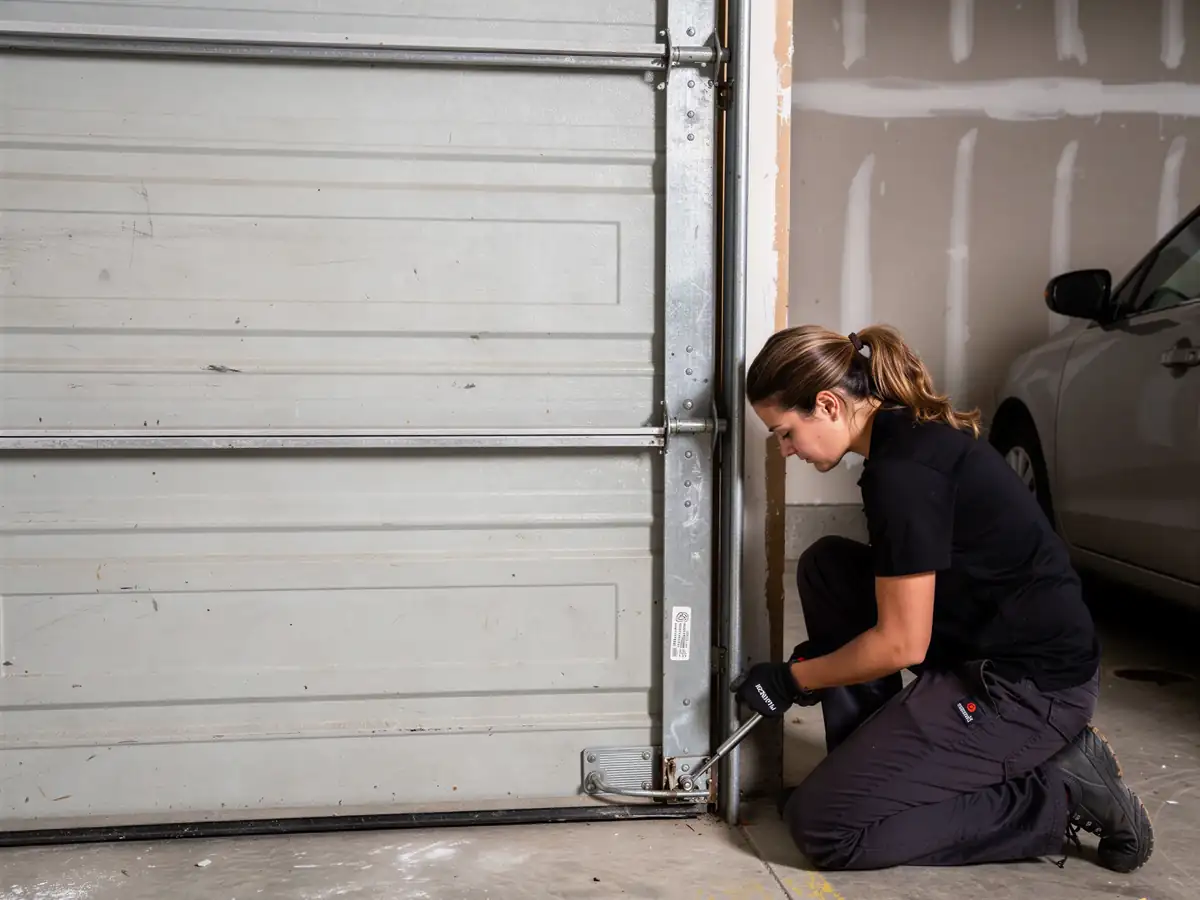
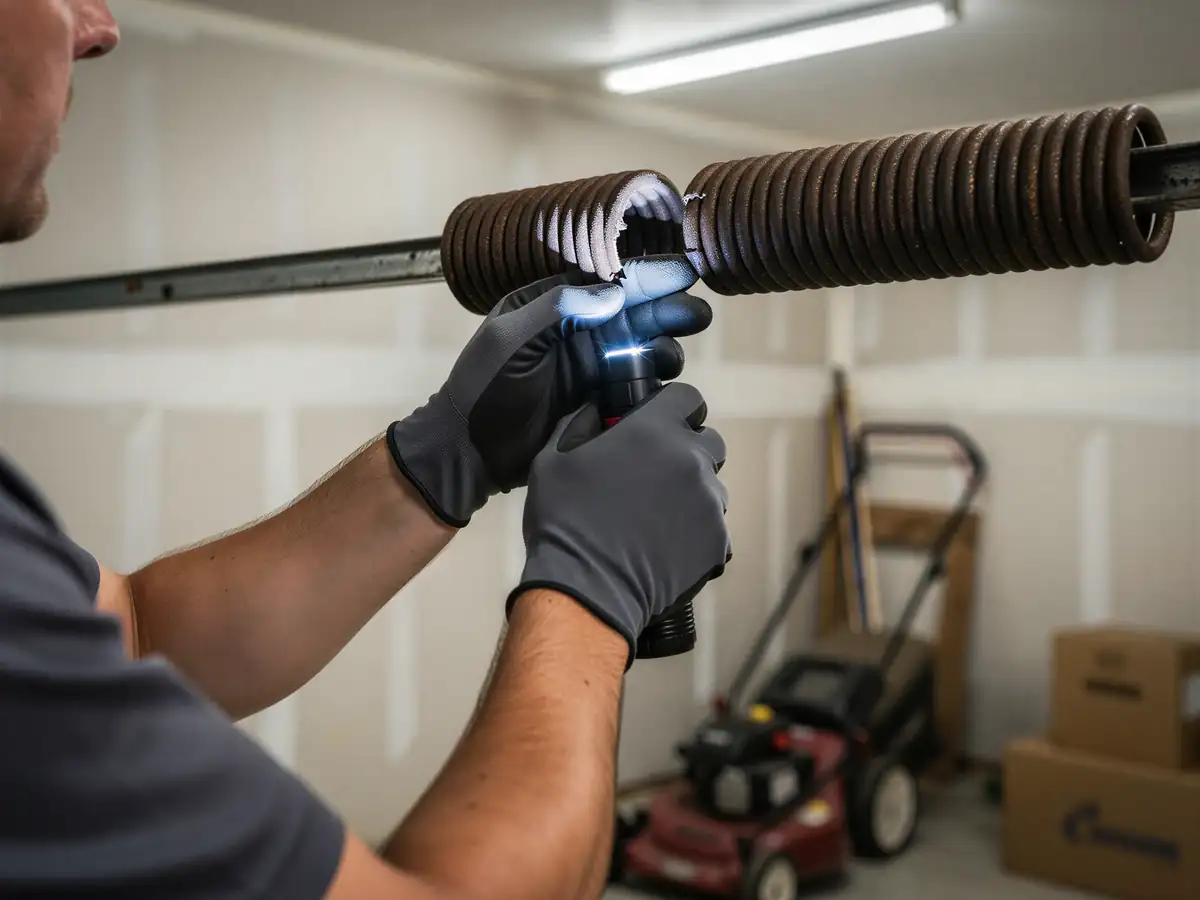
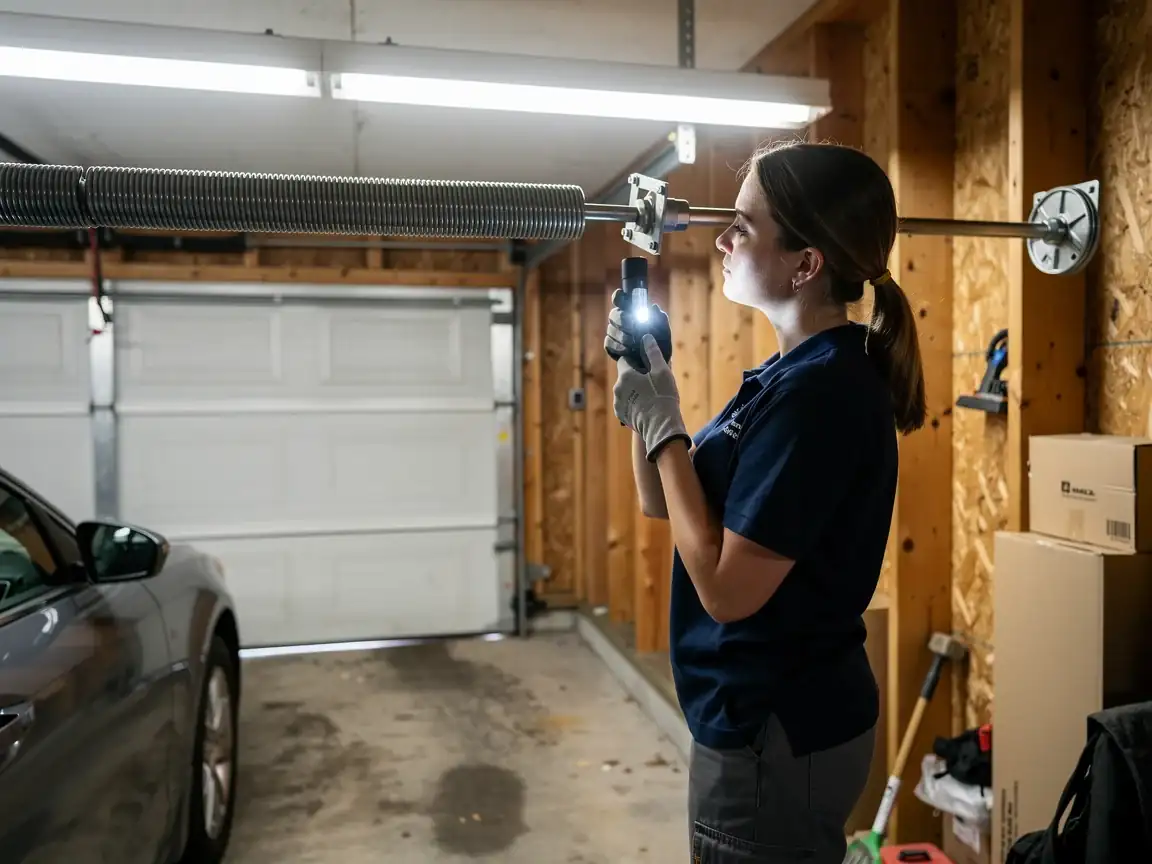
A technician shines a flashlight on a garage door torsion spring.

On-site diagnosis

A technician tests the door under power and by hand and finds what actually failed.

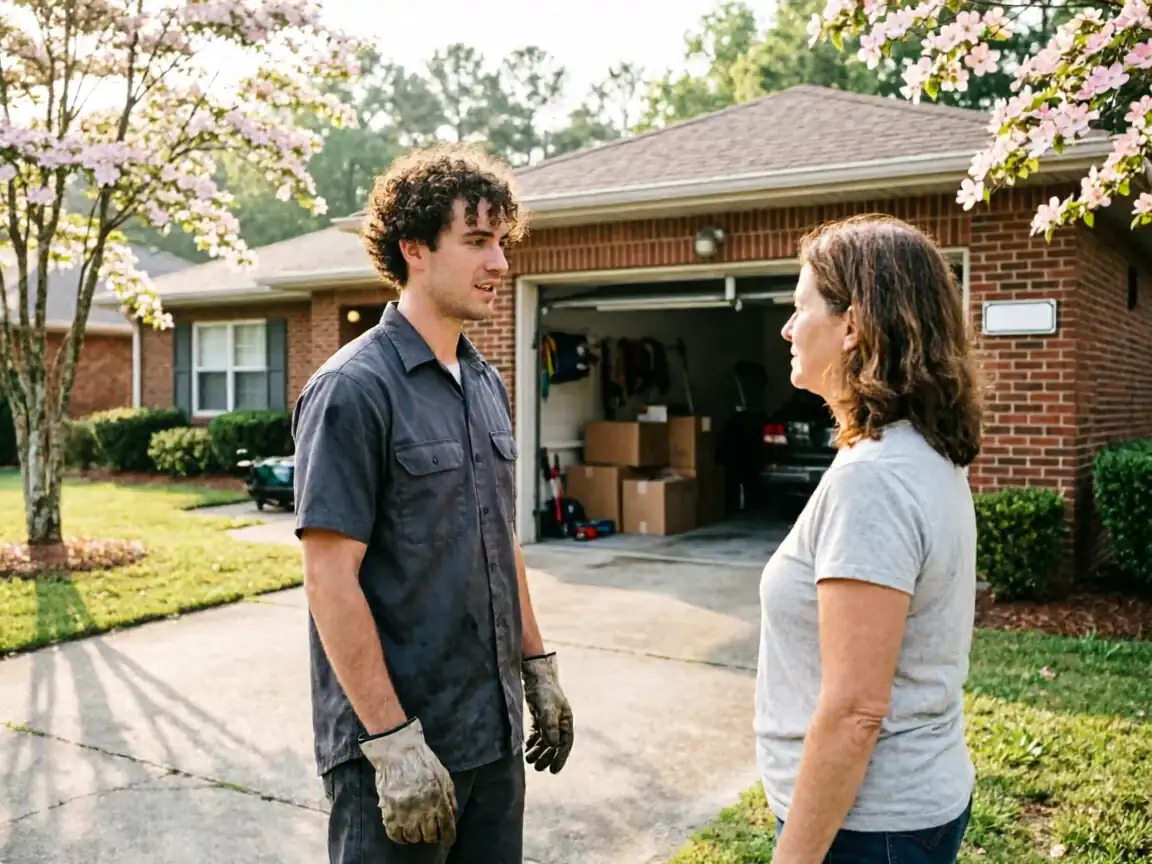
A technician in work gloves talks to a woman in front of a brick house.

Clear, up-front plan

You get the fix that’s needed and what drives the cost - before any work starts.

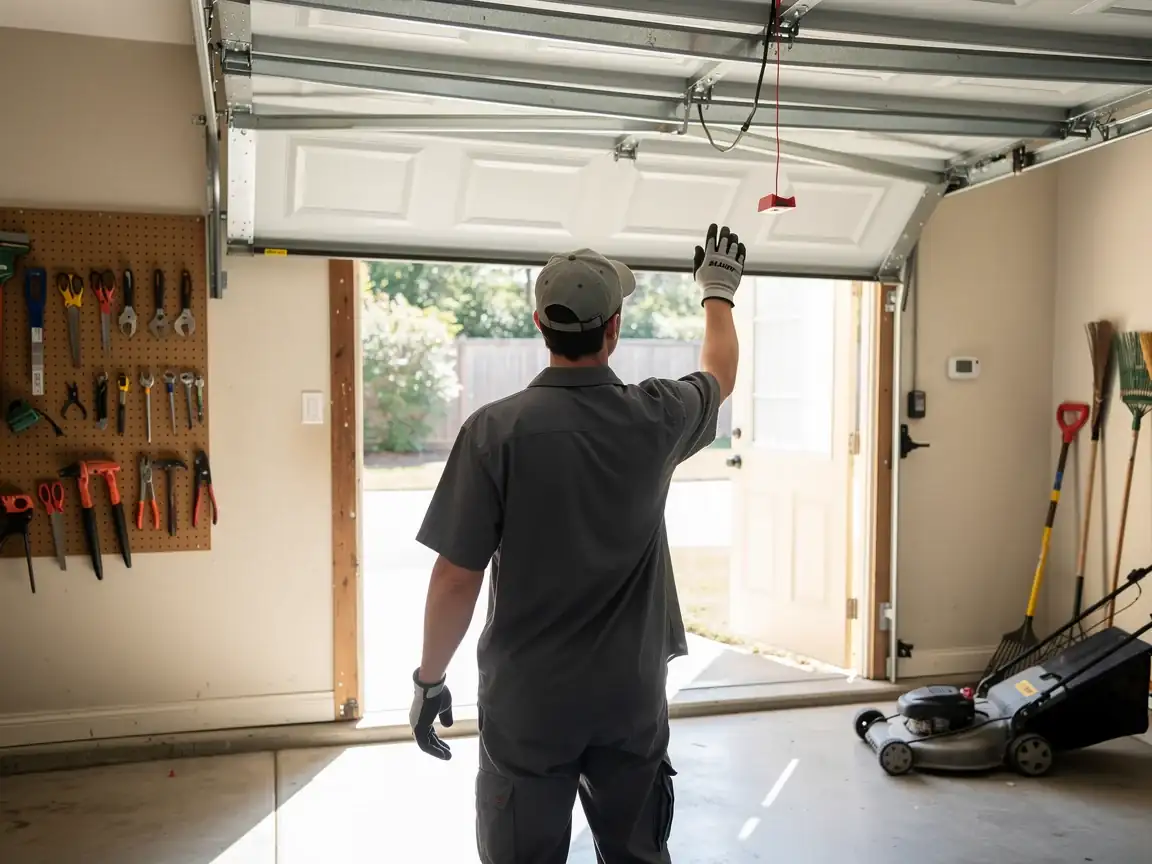
A technician in a gray uniform and gloves is looking at an open garage door.

Repaired & tested

The repair is done, the door is set true and tested, and the work area left clean.

Not sure which repair your door needs in Hampton, VA? Describe what it’s doing - every job starts with a diagnosis.

How we work

What to expect

A straight, honest approach on every Hampton job - diagnosis first, the right parts, and clean work.

01

Diagnosis first

Every visit starts by finding what actually failed - not a pre-written parts list.

02

The right part for the door

Springs and openers matched to the door’s weight and age, so the fix holds up.

03

Straight answers

When a repair makes more sense than a replacement - or the reverse - you hear it plainly.

04

Clean, careful work

Tension released safely, hardware set true, the door tested under power before we leave.

Questions

Frequently asked

Straight answers about garage door repair in Hampton. Still unsure? Ask us directly.

How old does a garage door have to be before the spring is a mismatch risk?

If the house was built between 1966 and 1992, which covers most of Hampton's housing stock, the original spring was likely sized for a lighter door than what's installed now if the door's ever been replaced. We check spring size against door weight on every service call rather than assuming it was done right the first time.

Does living near actually affect my garage door hardware?

Yes. Salt air off the water corrodes bare springs, hinges, and fasteners faster than it would further inland. If your hardware looks rusted and your house is closer to the water side of town, that's the likely reason, and it's worth checking more often than you would in a drier spot.

Can I replace a torsion spring myself to save the service call fee?

We don't recommend it. A wound torsion spring holds enough tension to cause serious injury if it releases wrong, and matching the correct size matters more on older Hampton homes where the original hardware doesn't always match what's sold off the shelf today.

Ready to get your garage door sorted?

Tell us what it’s doing and where you are in Hampton - we’ll take it from there.

Request a QuoteCall