How Long It Takes
A straight cable swap on a single torsion spring door is usually a one-visit job
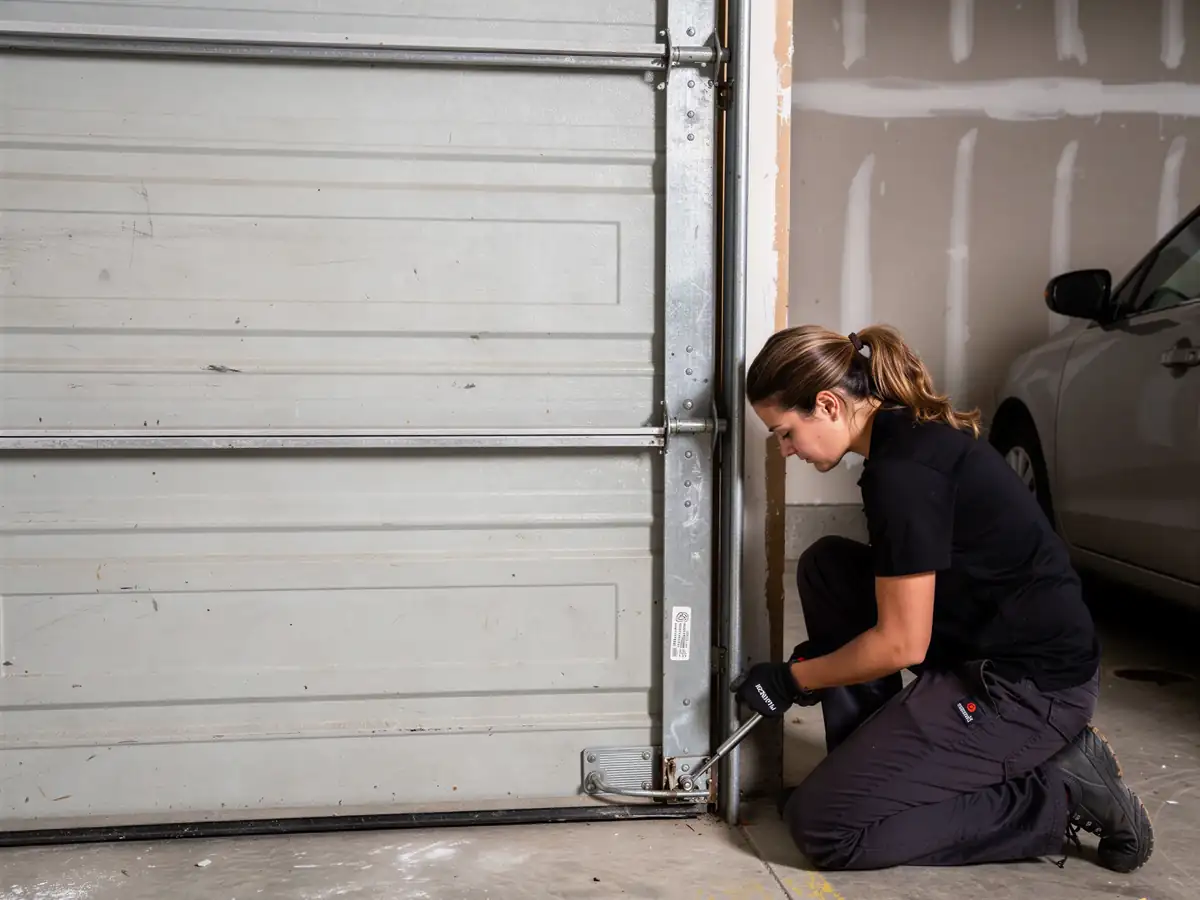
The truck carries standard cable lengths and drums for the door sizes common in this area, so most calls don't turn into a return trip. What stretches the visit is what the cable took down with it: if a cable snaps while the door is partway up, the drum, the bottom bracket, or the track on that side can get bent or gouged, and those parts have to come off and get checked before anything gets tensioned back up.
We can't give you a clock time until we see the door
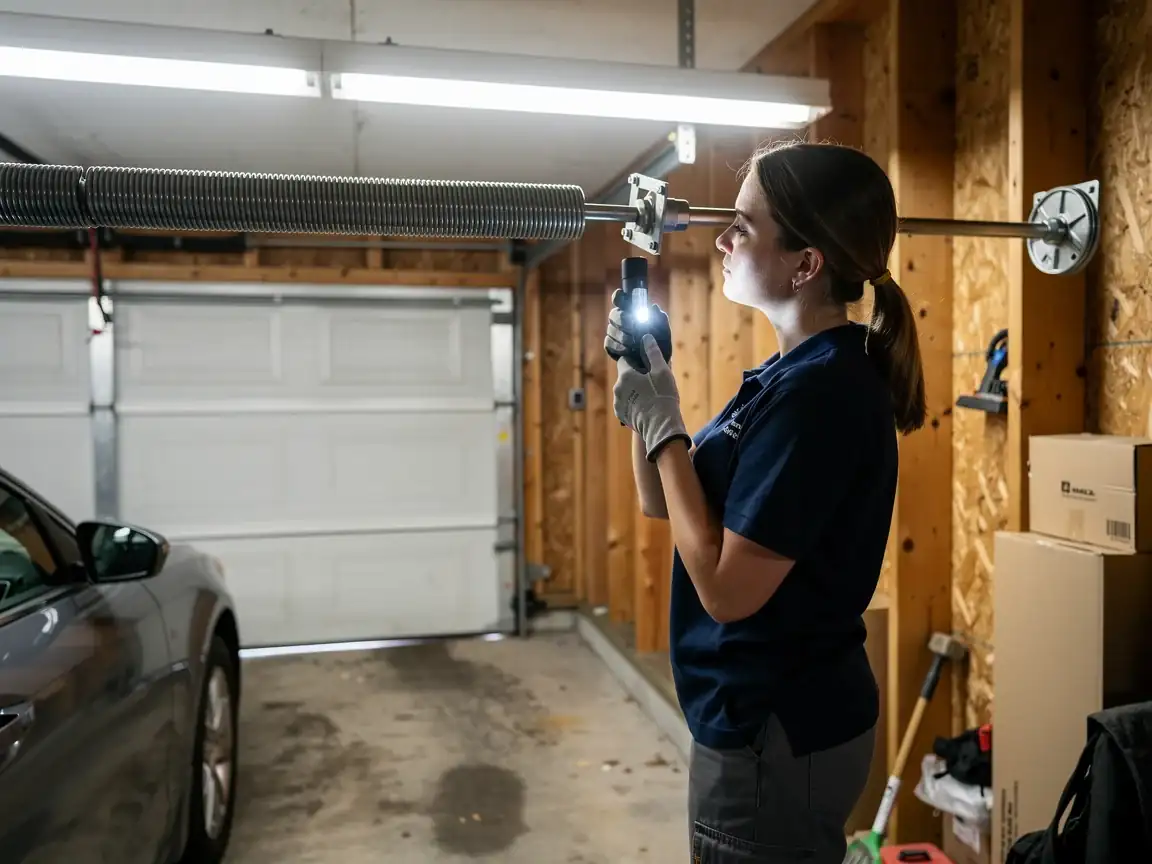
Because a frayed cable caught early is a different job from a snapped cable that let the door drop and twist the track. What we can tell you is that cable work on a double door with two torsion springs takes longer than a single door with one spring, simply because there's twice the hardware to inspect and twice the cable to run. If the opener's travel limits or safety sensors got knocked out of alignment when the cable gave way, that gets checked and reset in the same visit, not scheduled separately.
If you're hearing a scraping or popping sound from one side of the door before it fully fails
That's worth a call now rather than after the cable lets go, since a controlled swap is a shorter job than a recovery from a dropped door.
The Cost of This Job
We're not going to put a number here that isn't backed by a rate sheet, so this section is about what moves the job up or down, not a figure. The biggest swing is whether one cable failed or both did. Cables on a torsion door usually wear at close to the same rate since they carry the same load, so if one side frayed through, the other side is often not far behind, and doing both now instead of coming back in a few months is usually the cheaper path over time.
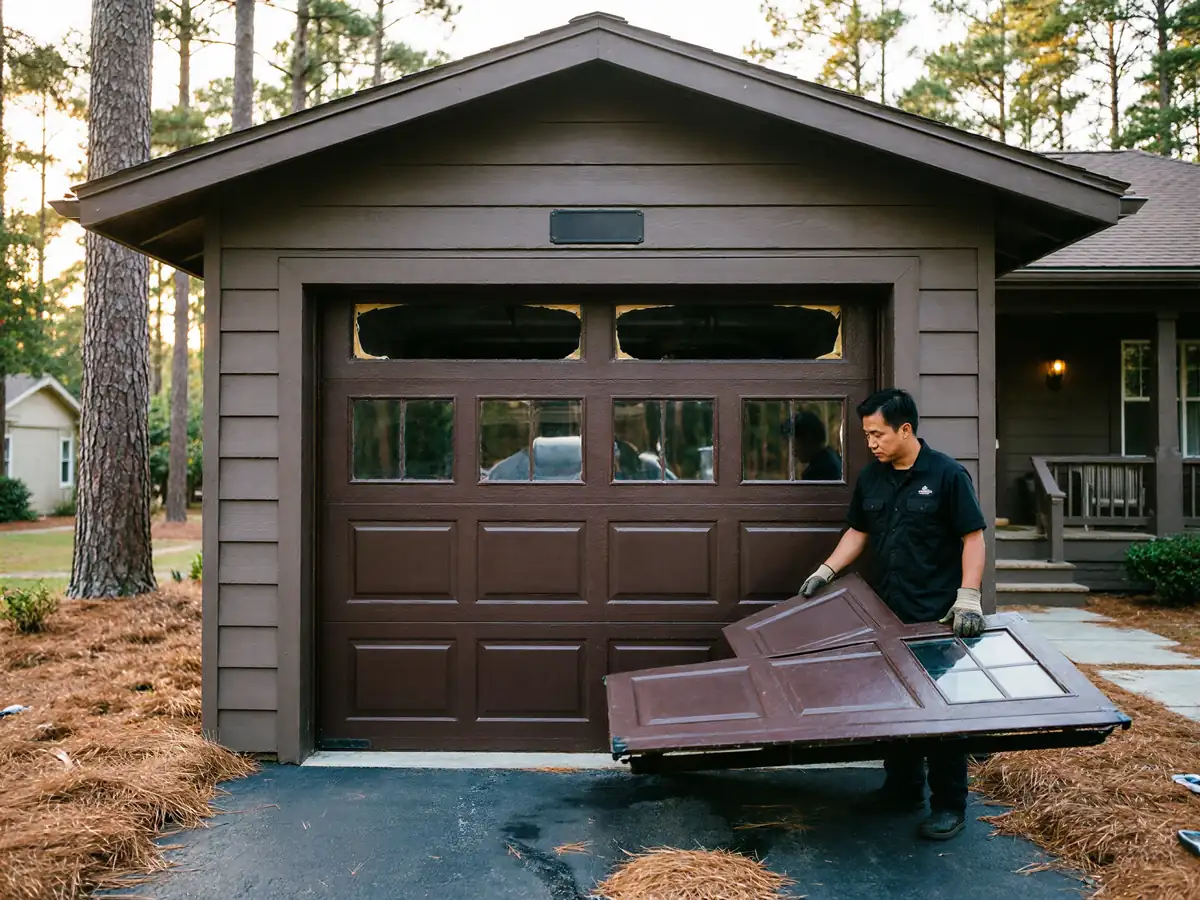
The second factor is damage beyond the cable itself. A cable that snapped clean is a simpler job than one that came off the drum and let the door drop onto the track, bending the bracket or gouging the roller channel. The third factor is door weight and spring count - a single-car door on one spring is a smaller job than a double door on two springs, because the drums, cable gauge, and tensioning work scale with the door.
One honest limit: if the cable failure happened because the drum itself cracked or the shaft is bent, that's not a cable-only repair anymore, and we'll tell you that before starting rather than after.
Why This Fails Locally
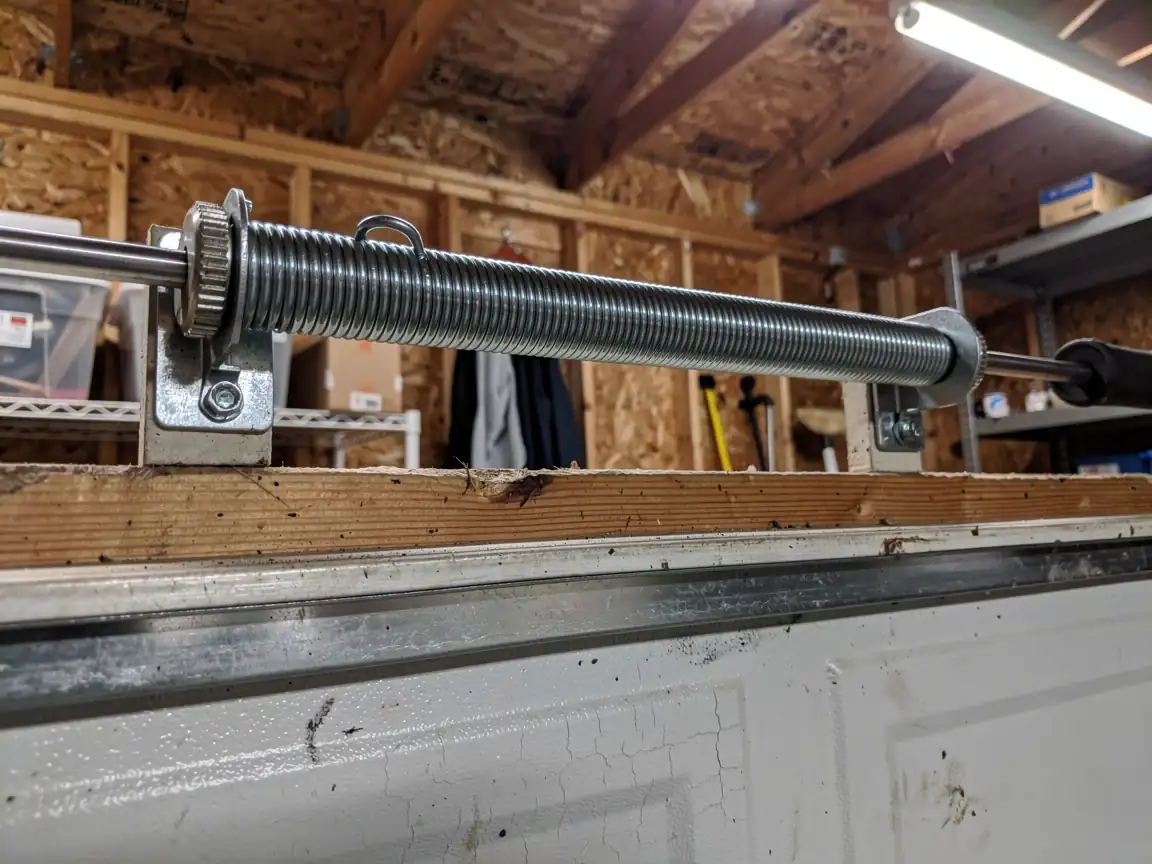
Hampton's housing stock mostly went up between 1966 and 1992, with the typical house here dating to around 1977, and the five older residential areas across the service area are still mostly 1960s and '70s construction. That matters for cables specifically: garage doors from that era were built with torsion springs and galvanized aircraft cable wound onto steel drums, and in most of those houses nobody has ever replaced that cable. Steel cable doesn't last forever even under a roof - it's rated for a cycle count, not a calendar, and a door that age has gone through tens of thousands of open-close cycles on the original wind.
The climate here is the second piece. Hampton sits in a cold-moderate band, which means the cable and drum go through real freeze-thaw swings every winter rather than staying in one temperature range. That cycling dries out whatever lubricant was on the cable originally and lets surface rust start in the groove where the cable sits on the drum. Rust doesn't need to eat through the strands to cause a failure - it just needs to fray a few outer wires at the point where the cable bends around the drum, and that's exactly the point under the most load every time the door opens.
A newer door on newer hardware doesn't see this nearly as often, which is why this call skews heavily toward the older side of the housing stock.
The Symptom
The most common version
The door looks crooked, like one side is lower than the other, or it won't sit flush against the weatherstrip on one corner. That's a cable that's stretched or partially frayed on one side, still holding, but not holding evenly. If you run the opener and the door shudders, jerks, or tries to go up unevenly before stopping, don't keep cycling it - that's the cable telling you it's close to the end, and running it more just shortens how long you have before it lets go completely.
The other version is louder and more obvious
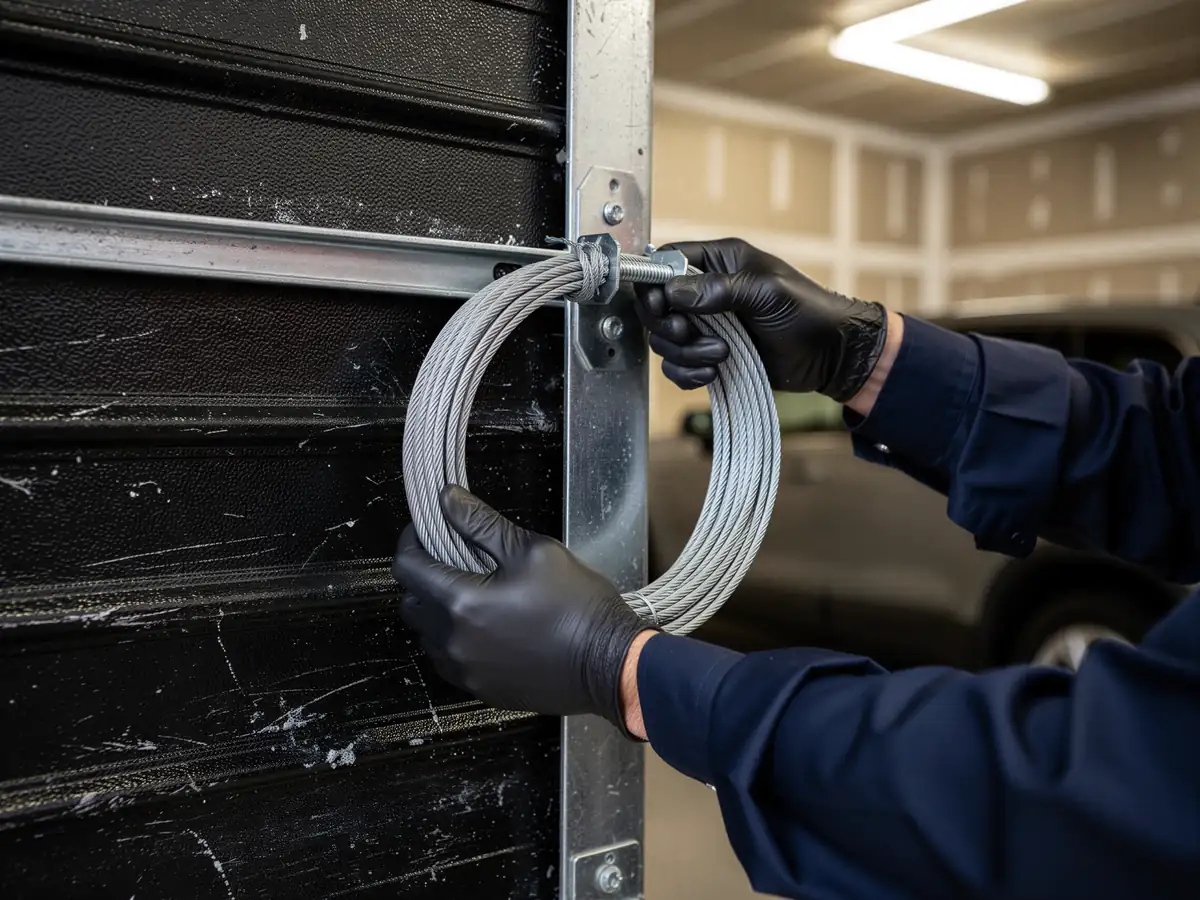
A sharp bang or snap, and the door drops, usually catching partway if the safety cable or the opener's travel limit stops it, or coming all the way down if nothing catches it. After that happens, you'll usually see the broken cable hanging loose off the drum or lying across the track.
A cable that's merely loose off the drum but not broken
It slipped out of the groove rather than snapping - looks similar from across the garage but is a different fix, often faster. Either way, don't try to force the door up by hand on a cable that's visibly loose or frayed; the spring is still under full tension and the door can come down hard.