How to Book
We run out of Hampton, and Gloucester Point sits about 19 miles out, so when you call, tell us straight off that you're on the Point side so we can plan the drive into the day. Describe what you're seeing - a door that won't budge, a cable hanging loose off the drum, or one side of the door sitting lower than the other. That tells us what to load on the truck before we leave. We don't keep a branch or a drop-in counter in Gloucester Point itself; every job here is a dispatched visit from our Hampton shop. You can see what else we cover in the area on our service page, and if you're dealing with a different door problem on the Hampton side of things, that's covered separately on our cable repair page for Hampton.
Doing It Yourself
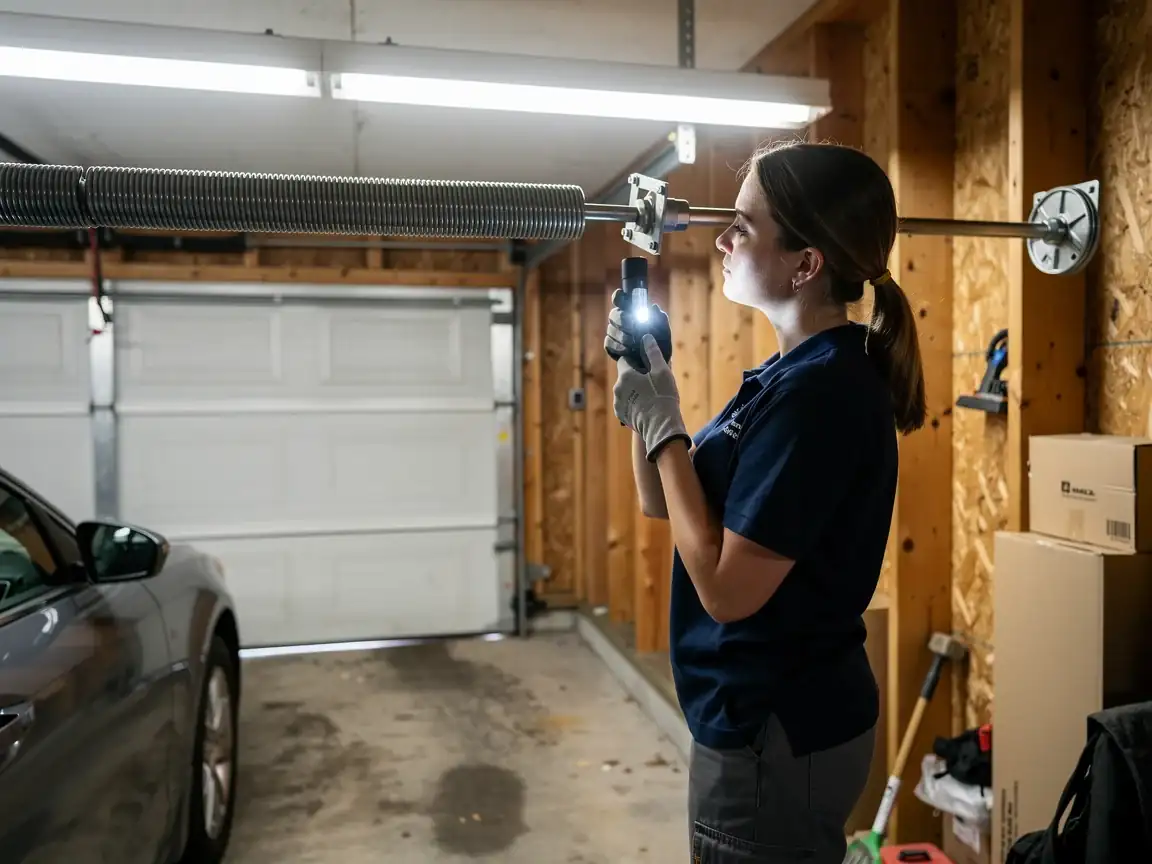
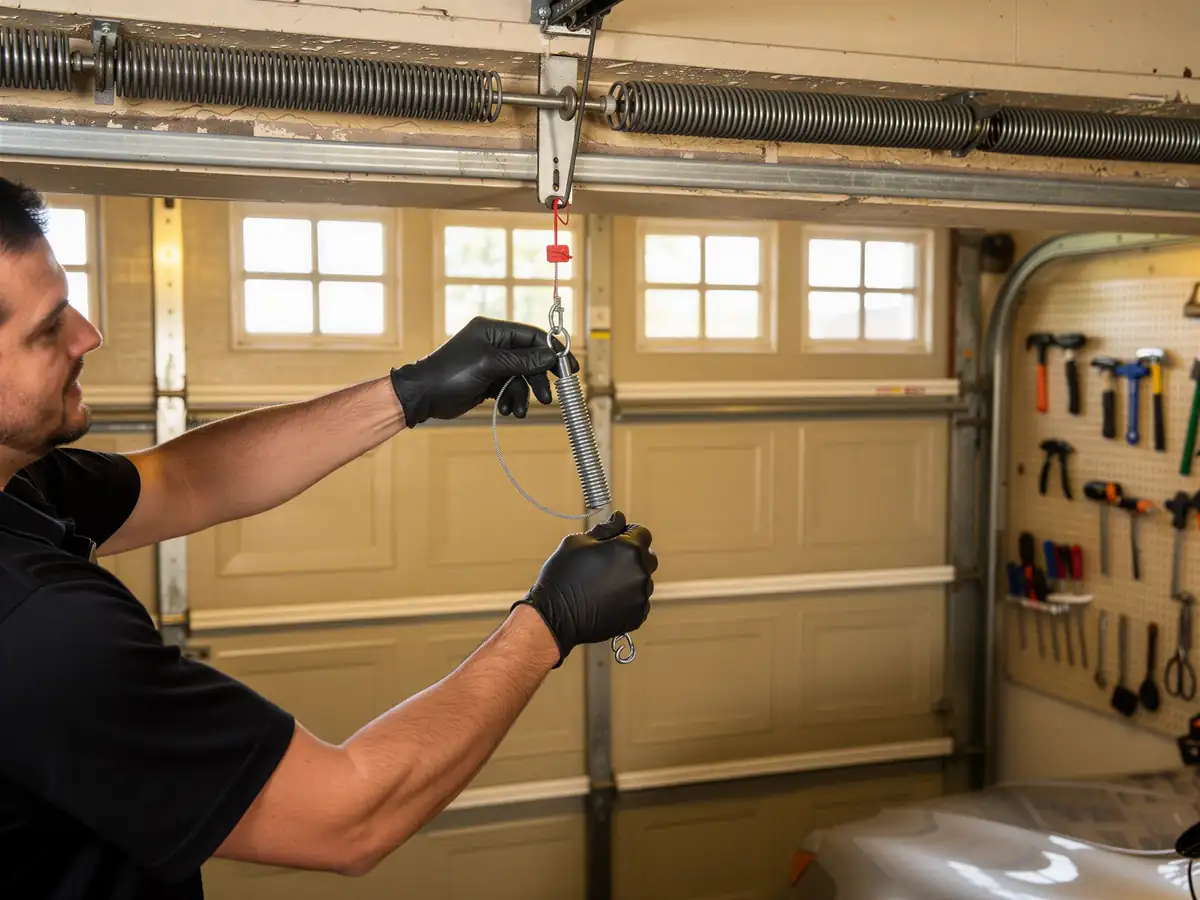
A broken garage door cable looks like a five-minute fix until you look at what's holding the door up. The opposite cable and the spring system are still under full tension even when one cable has already let go, and that tension is what snaps fingers, not the broken strand itself. We're not going to walk you through rigging a temporary cable here - it's genuinely not a job for someone without winding bars and a way to lock the torsion shaft. What you can safely do is leave the opener disconnected, prop nothing under the door, and keep the car parked outside until someone with the right clamps looks at it. If the cable frayed rather than snapped clean, that's often a sign the drum groove is worn, which a patch job won't fix for long - that's the honest limitation: sometimes the cable is the symptom and the drum needs replacing with it.
Why This Fails Locally
Hampton's wider service area runs housing stock mostly from 1966 to 1992, but Gloucester Point sits toward the newer end of that window at a median build year of 1981. That means the single-point cable drum - one cable, one anchor point, no secondary safety cable - is still the standard setup on most doors here, rather than the dual-cable hardware that came later. Single-point systems put more load on one cable over the door's life, so when it goes, it tends to go suddenly rather than fraying slowly where you'd notice it. The area's median household income of $71,589 runs below the broader Hampton service area's $90,885, and in practice that shows up as owners running a door on a visibly fraying cable longer before calling, which turns a cable swap into a cable-plus-drum job more often than it should.
Where This Job Goes Sideways
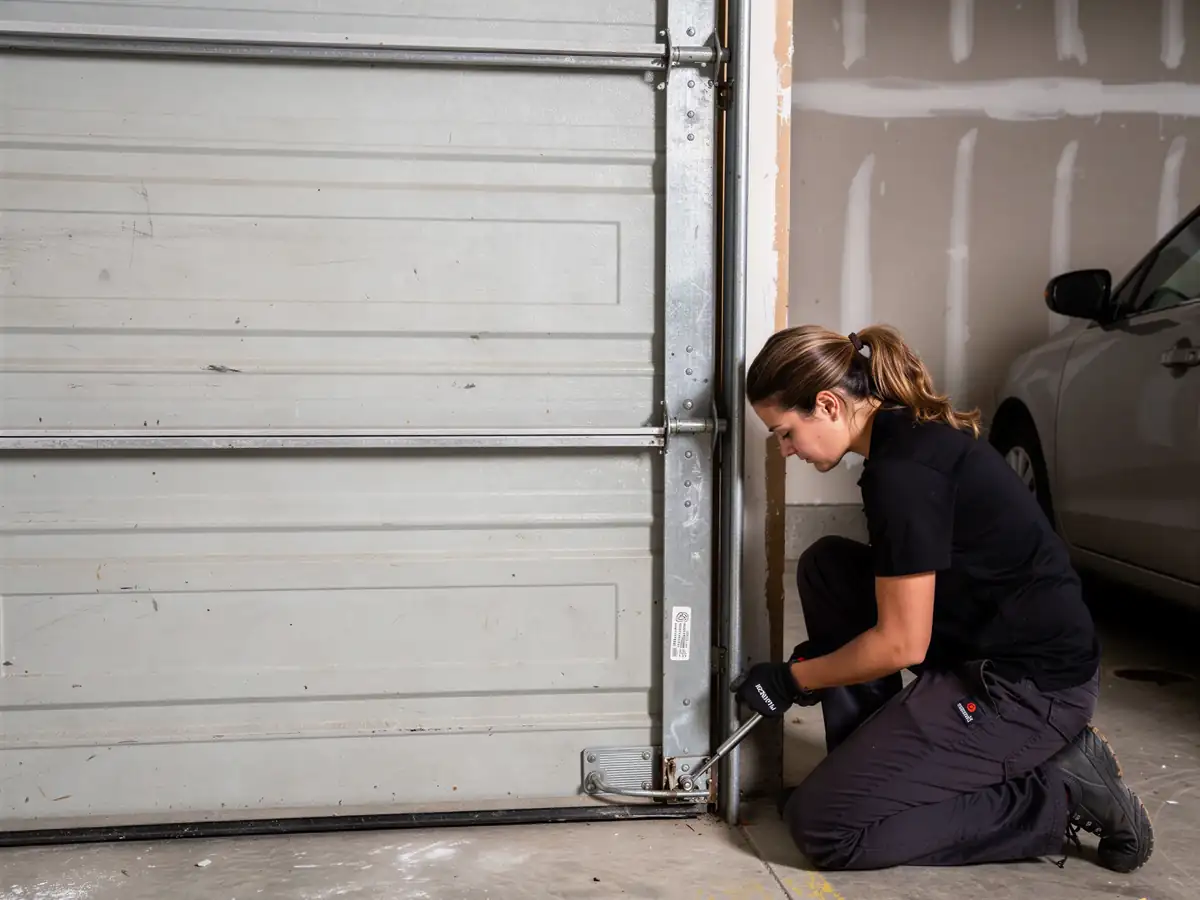
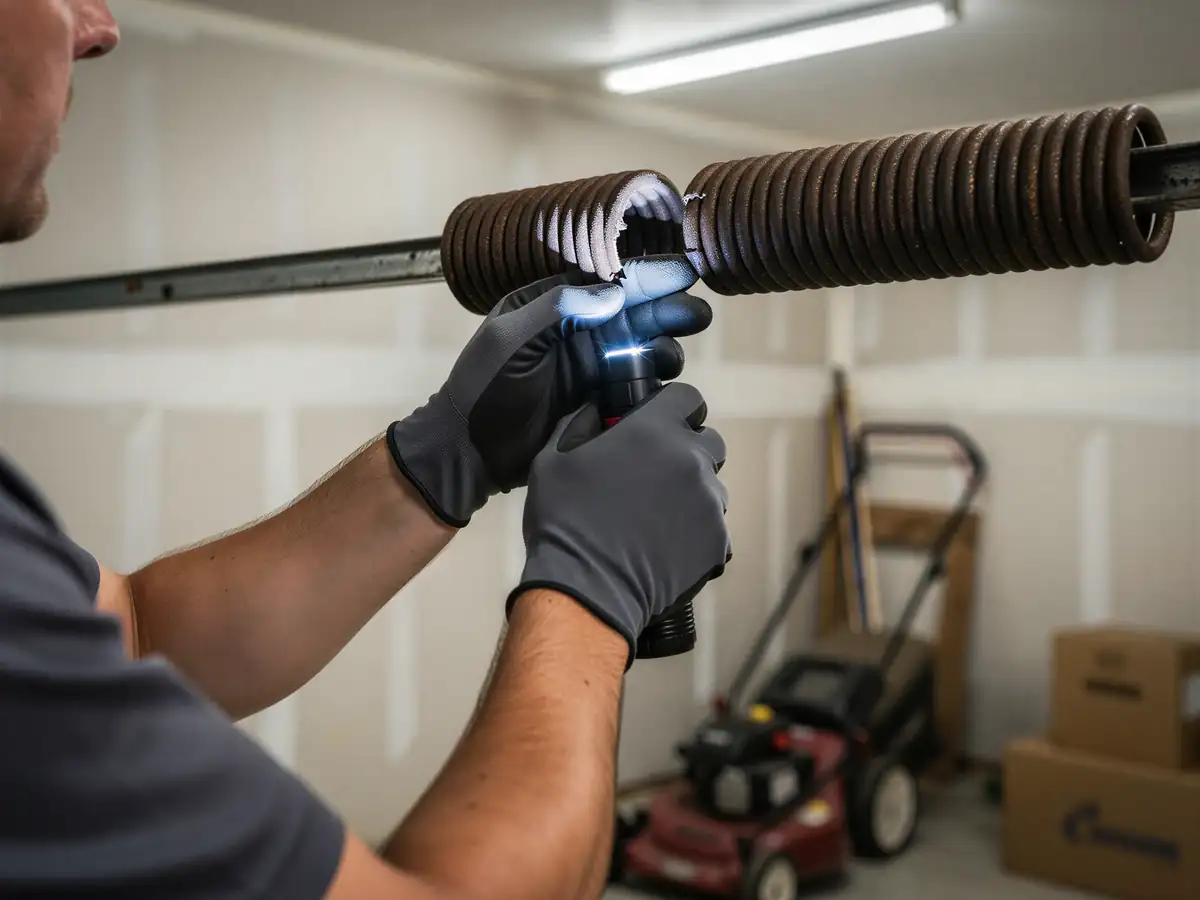
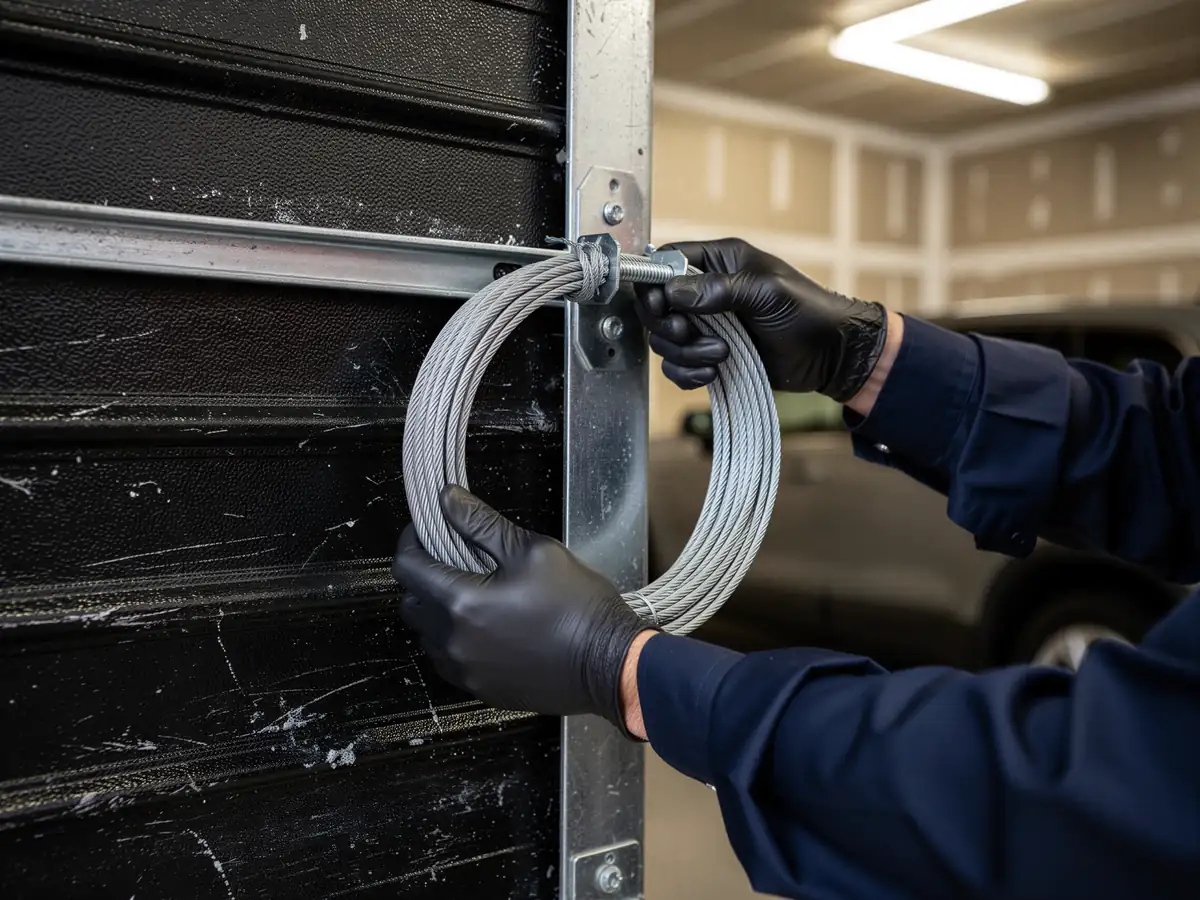
The complication we see most on these 1981-era doors isn't the cable itself - it's the drum underneath it. A cable that's been riding in a worn groove for a year or two cuts a notch into the drum, and running new cable over that notch just sets up the next failure in the same spot within months. The second complication is the bottom fixture bracket, the small bracket the cable anchors to at the base of the door. On doors this age it's often the original galvanized bracket, and once it's rusted or bent, a new cable anchored to it won't sit straight and the door pulls to one side as it closes. Either of those turns what looked like a quick cable swap into a parts call, since we don't carry every original-spec bracket and drum size on the truck for hardware this old - sometimes that means a short wait on the part before the job finishes.