The Cost of This Job
Median household income in Gloucester Point runs about $71,589
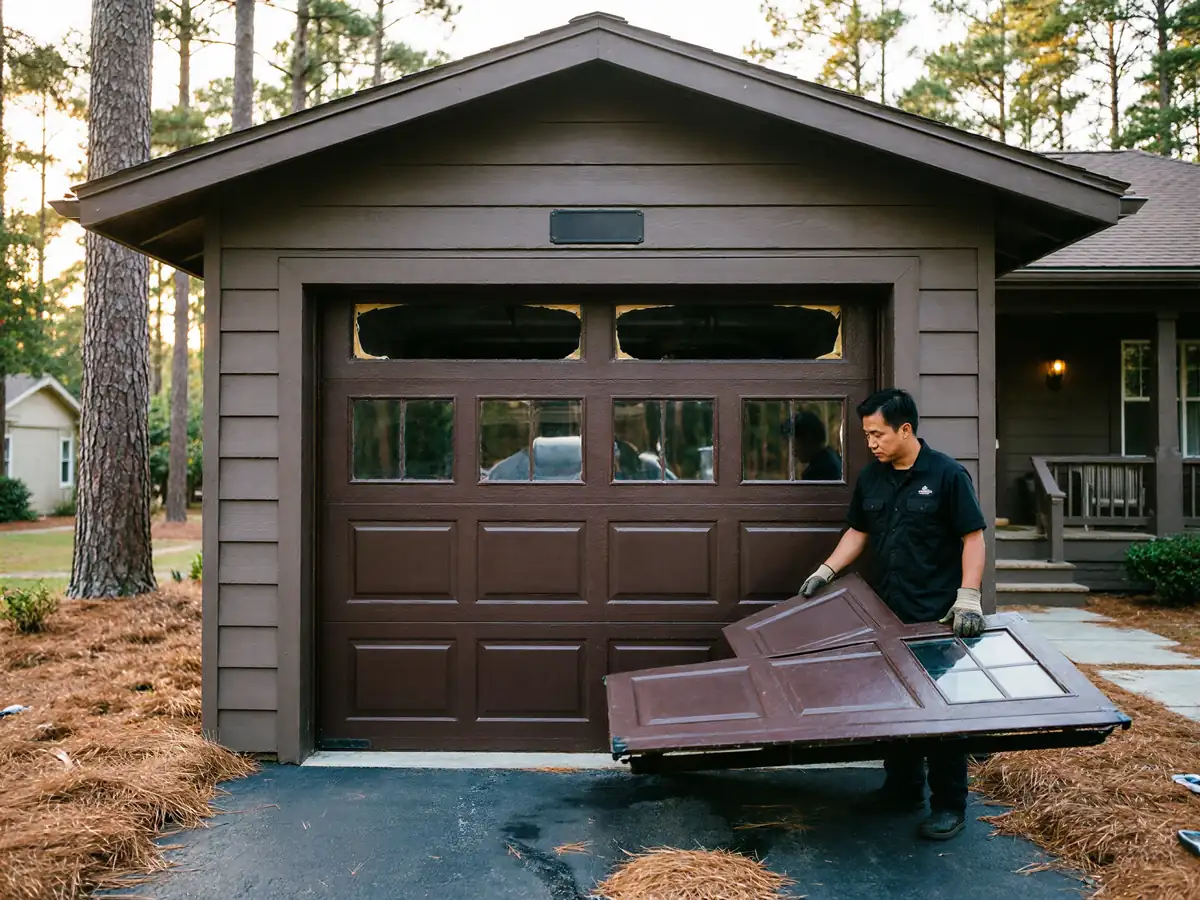
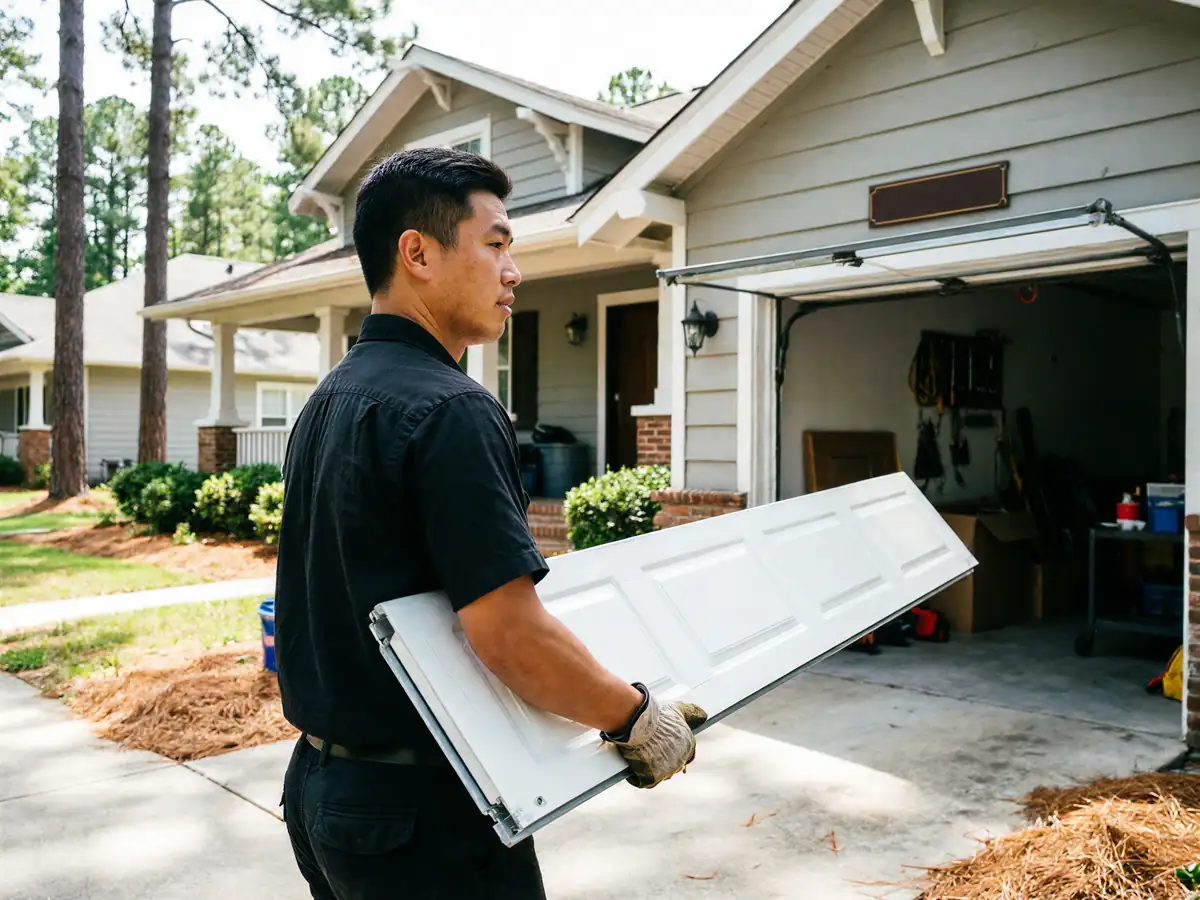
Noticeably lower than the $90,885 median across the wider Hampton service area. That gap matters on this job more than most, because panel replacement sits right on the line between "worth fixing" and "worth swapping the whole door." On a door with one dented or rusted-through panel, replacing just that panel is usually the cheaper path if the rest of the door is sound. But once a homeowner is pricing two or three panels plus matching hardware on an older door, the math starts to favor a full door swap, especially on a tighter household budget. We won't quote a number here without seeing the door, but we will tell you honestly which side of that line your job falls on before we write anything up.
Homes in this income bracket tend to hold onto a door longer and ask for the cheaper fix first
That's a reasonable instinct. It's also why panel matching - finding or fabricating a section that fits an older track and doesn't clash with three working panels - is the part of this job that actually eats the labor hour, not the swap itself.
How to Book
We cover Gloucester Point from our Hampton location, about 19 miles out. There's no branch or depot in Gloucester Point itself - a truck comes from Hampton for the appointment, so when you call, tell us straight off that you're in Gloucester Point so we can load the right panel stock for the trip rather than guessing at hardware on the road. Give us the door's approximate age if you know it, how many panels are affected, and whether the door is still tracking straight or has started to bind. That last detail changes whether this is a panel job or something bigger involving the track and rollers. We'll walk you through what we need to see in person versus what we can rule in or out over the phone.
Doing It Yourself
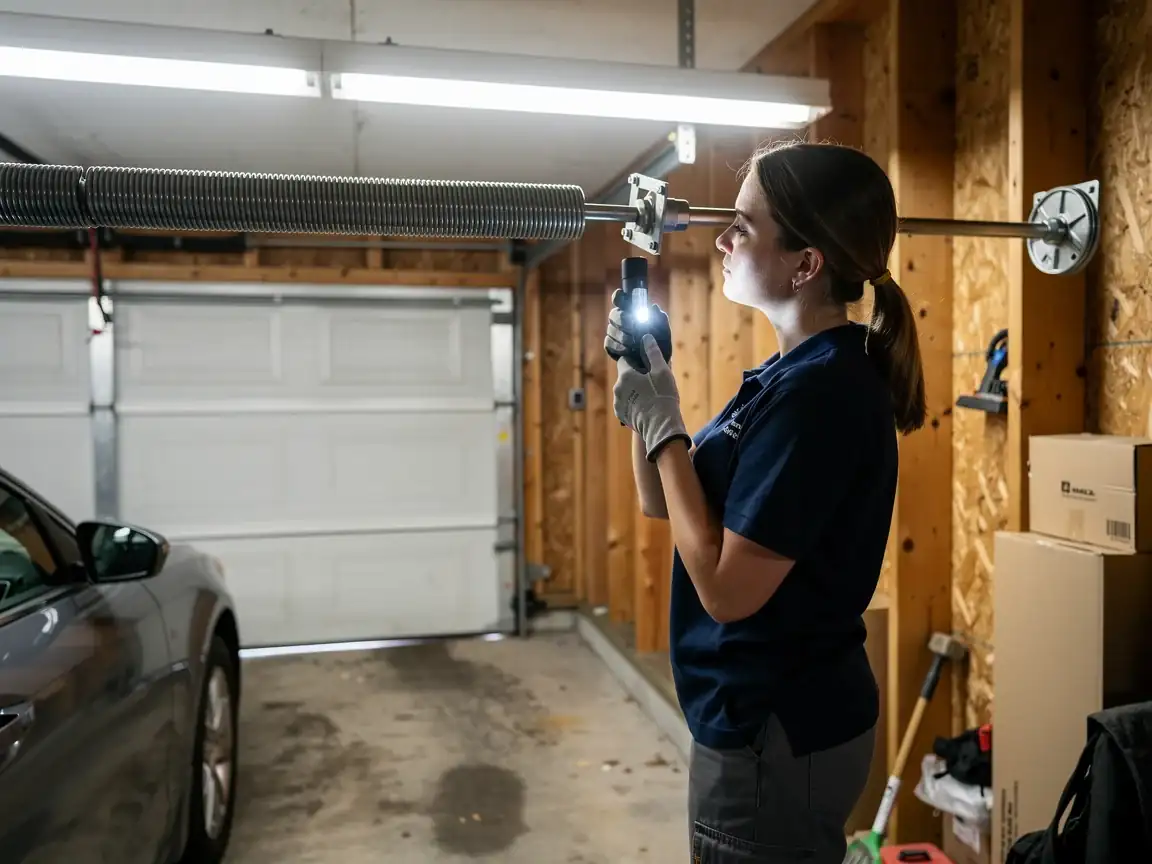
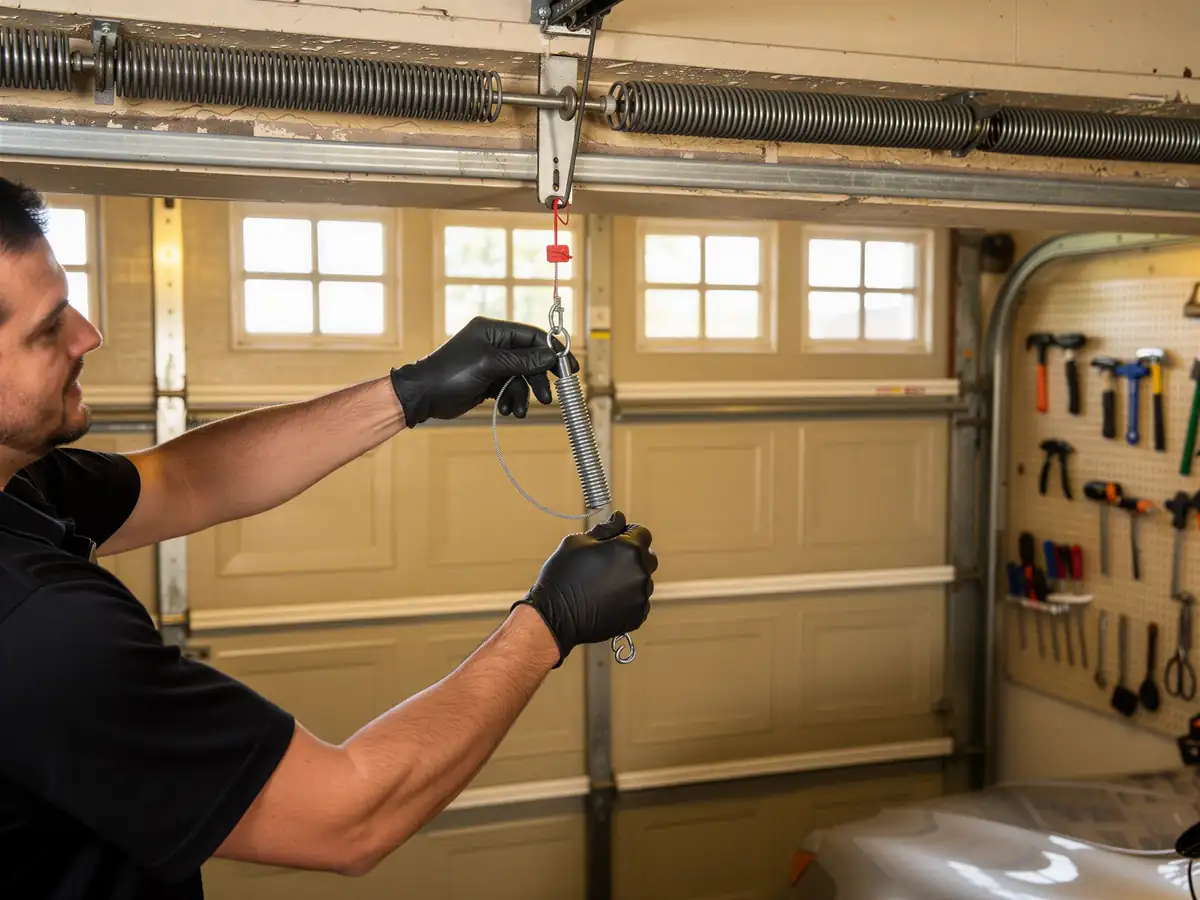
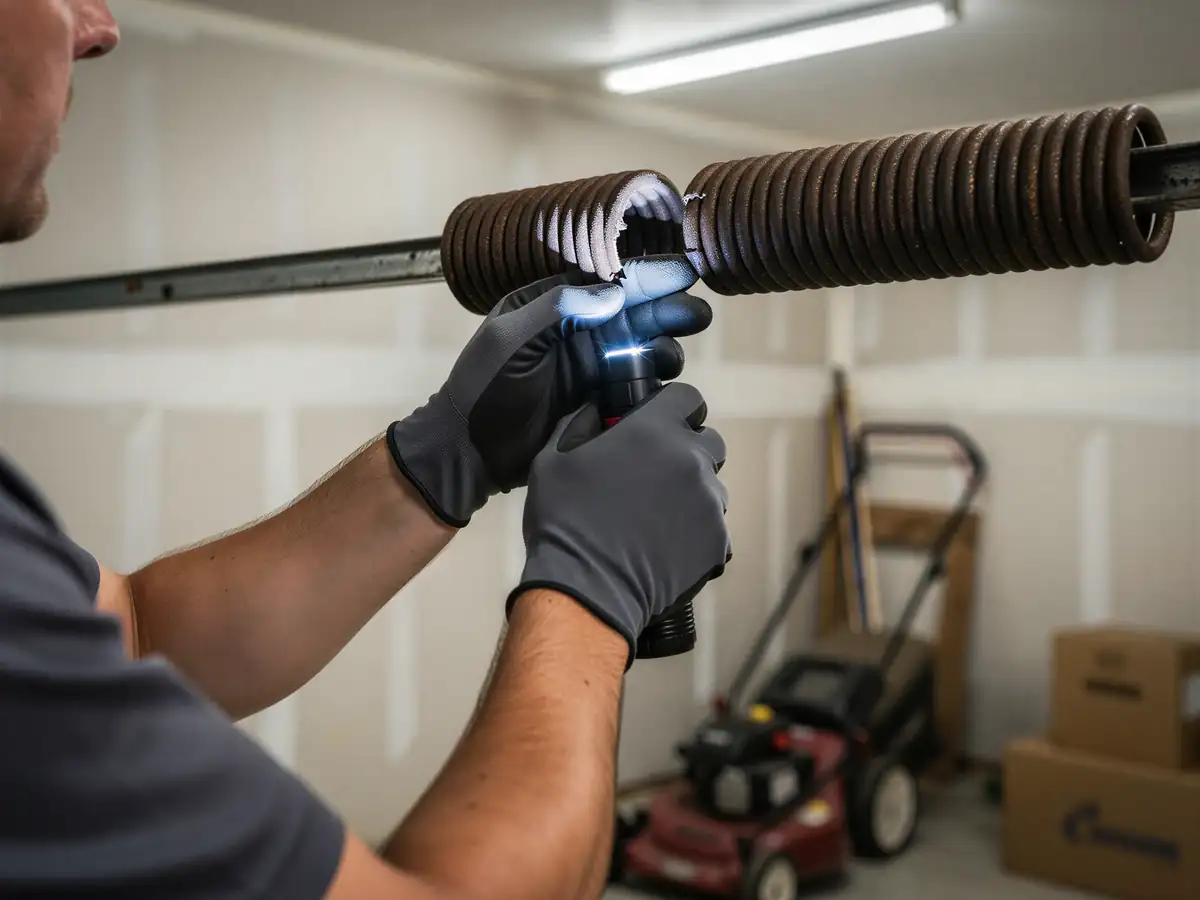
A single dented panel on a door that still opens and closes straight is sometimes a fair DIY attempt if you can source an exact match - same width, same hinge spacing, same finish. The risk is less about the bolts and more about matching an older panel profile correctly; get the fit slightly wrong and the door binds on the track or won't seal at the bottom. We won't talk anyone out of trying that if the door is cooperating and the part is genuinely a match. Where we'd stop you is a panel replacement on a door where the springs are also original or clearly tired - pulling panels off a loaded torsion system without the right bars and clamps is how people get hurt, not how people save money. If you're not sure whether your springs are due, that's worth a quick look before you touch anything else.
Why This Fails Locally
The region sits in a cold-moderate climate band, and on a door built in the early 1980s, panel seams that have spent four decades cycling through that swing tend to show it first at the bottom section - the panel that takes the most direct exposure and the most contact at the floor. That's usually where we find the dent, the rust-through, or the delaminated seam that starts the call. A door that's otherwise structurally fine often fails exactly there, in one section, rather than all at once - which is the whole argument for panel replacement over a full door swap when the rest of the sections are still holding up.
Where This Job Goes Sideways
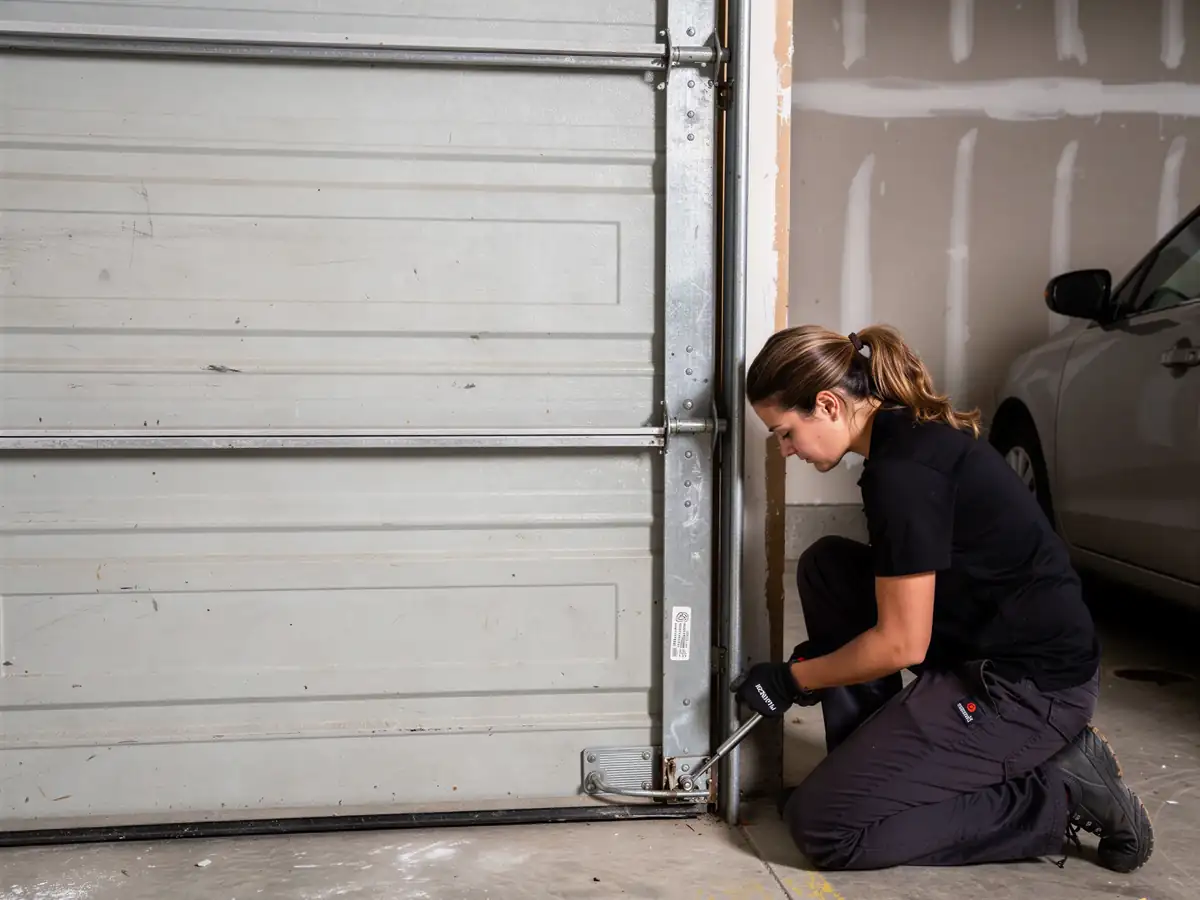
The job gets harder, not when the panel is damaged, but when the track underneath it has bent along with it - a car backing in wrong, or years of a door running slightly out of square, will do that on an older install. Swap the panel without straightening the track first and the new section fights the door every time it cycles. It also goes sideways when a homeowner wants to match an uncommon color or texture from a 1981-era door - some of those finishes just aren't made anymore, and we'll say so rather than promise a seamless match we can't deliver. In that case the honest options are a slightly visible color break on one panel or a full door repaint, and we'll lay out both before we start.