How to Book
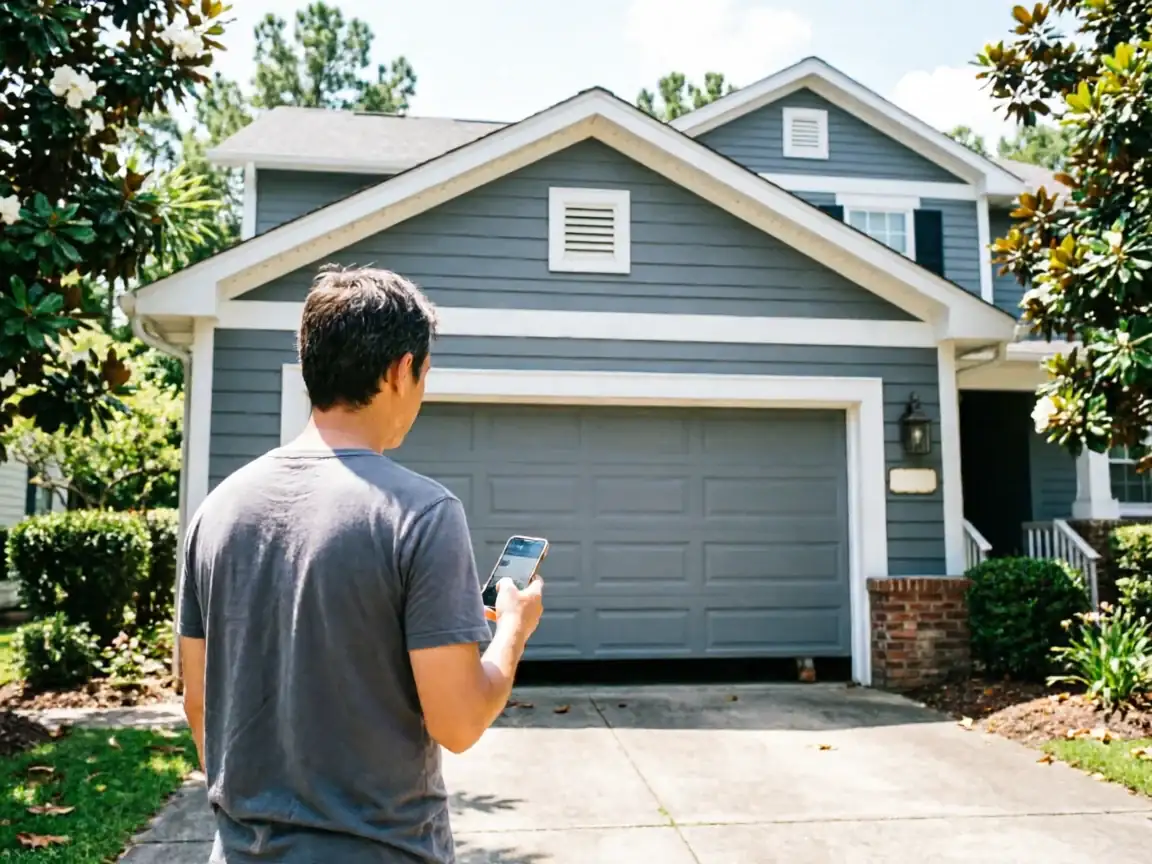
Call it in and describe exactly what the door is doing - won't open, opens partway and reverses, makes a bang and stops, cable hanging loose. That description is what lets us load the right spring size or roller set onto the truck before the 19-mile drive from Hampton, instead of making two trips. Give us the door's rough age if you know it; anything built around the early 1980s, which covers a lot of Gloucester Point, tends to need a specific torsion spring wind that's worth confirming ahead of time rather than guessing in your driveway. We don't have a Gloucester Point location to dispatch from, so there's no walk-in option here - it's a phone call and a scheduled truck, same as any other call that starts in Hampton and travels out.
Doing It Yourself
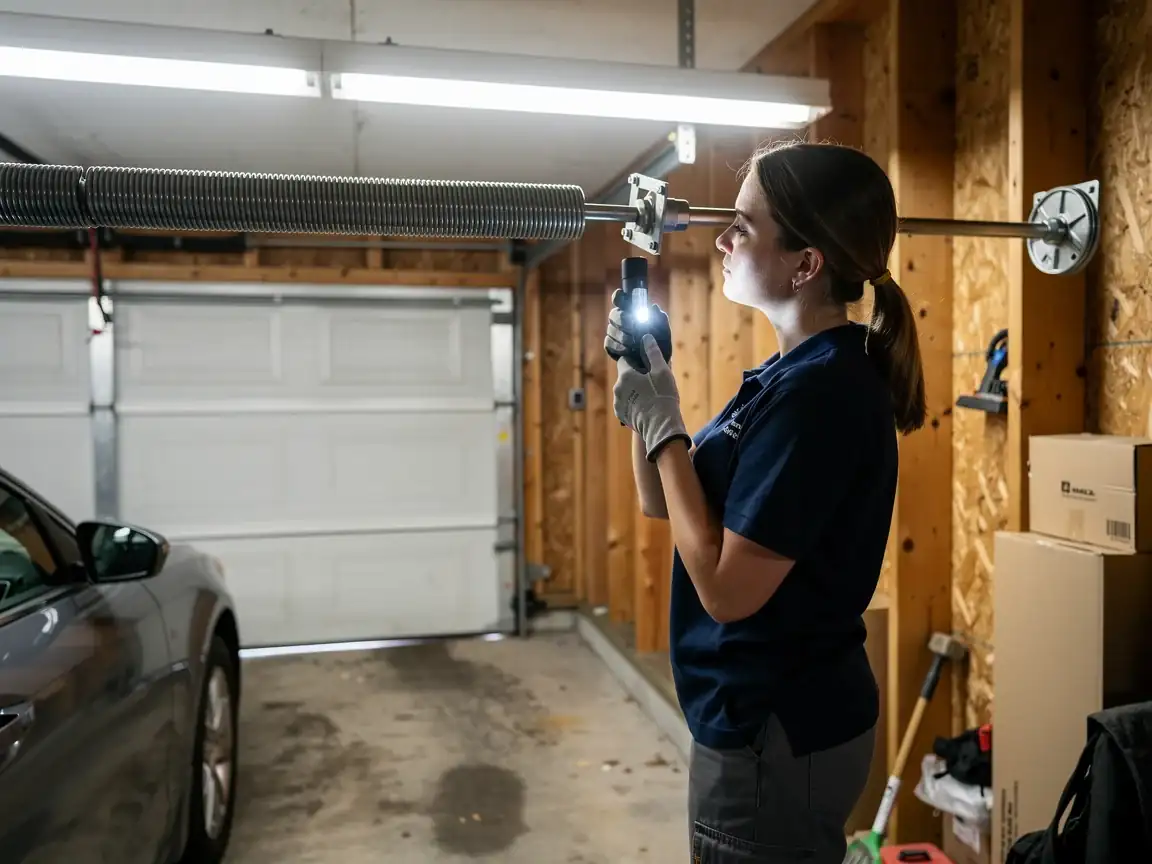
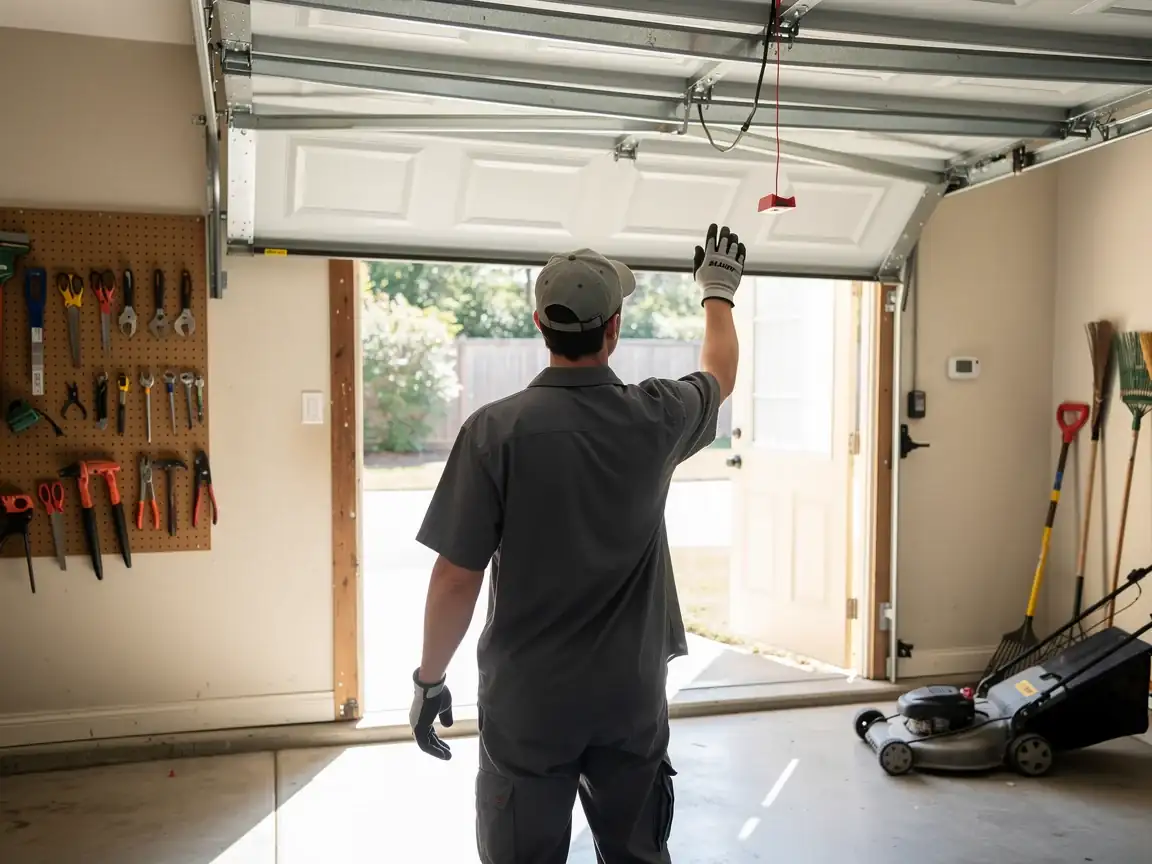
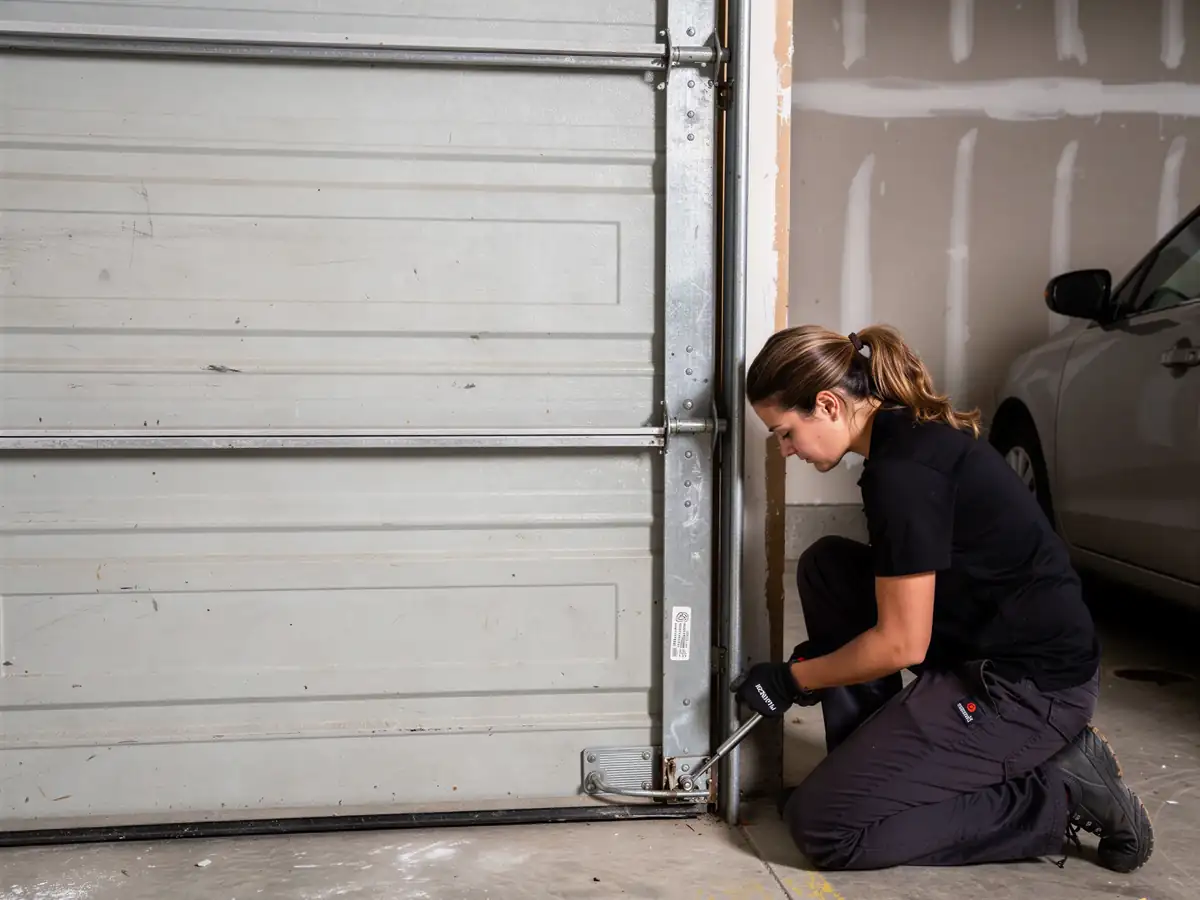
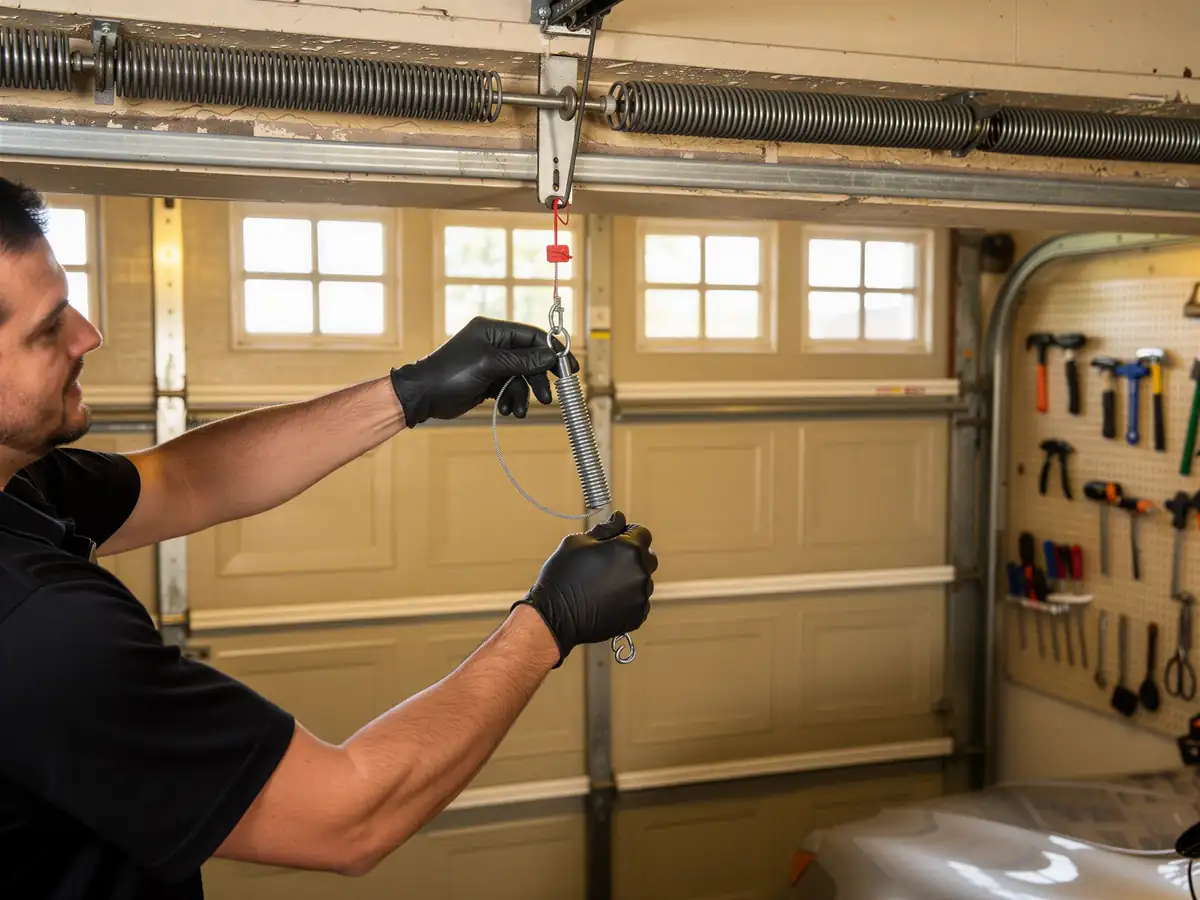
A loose bottom bracket, a track knocked slightly out of alignment, or a sensor that needs wiping down and realigning - those are reasonable DIY jobs if you're comfortable on a ladder. A broken torsion spring is not. Torsion springs on doors from this era carry enough stored tension to break a wrist or worse if the winding bars slip, and we'd rather talk you out of it on the phone than patch you up after. If the opener runs but the door won't move, check that the manual release cord hasn't been pulled - it happens more than people admit, and it costs nothing to rule out before you book a truck for a 19-mile round trip over something you can fix by pushing a lever back into place.
Why This Fails Locally
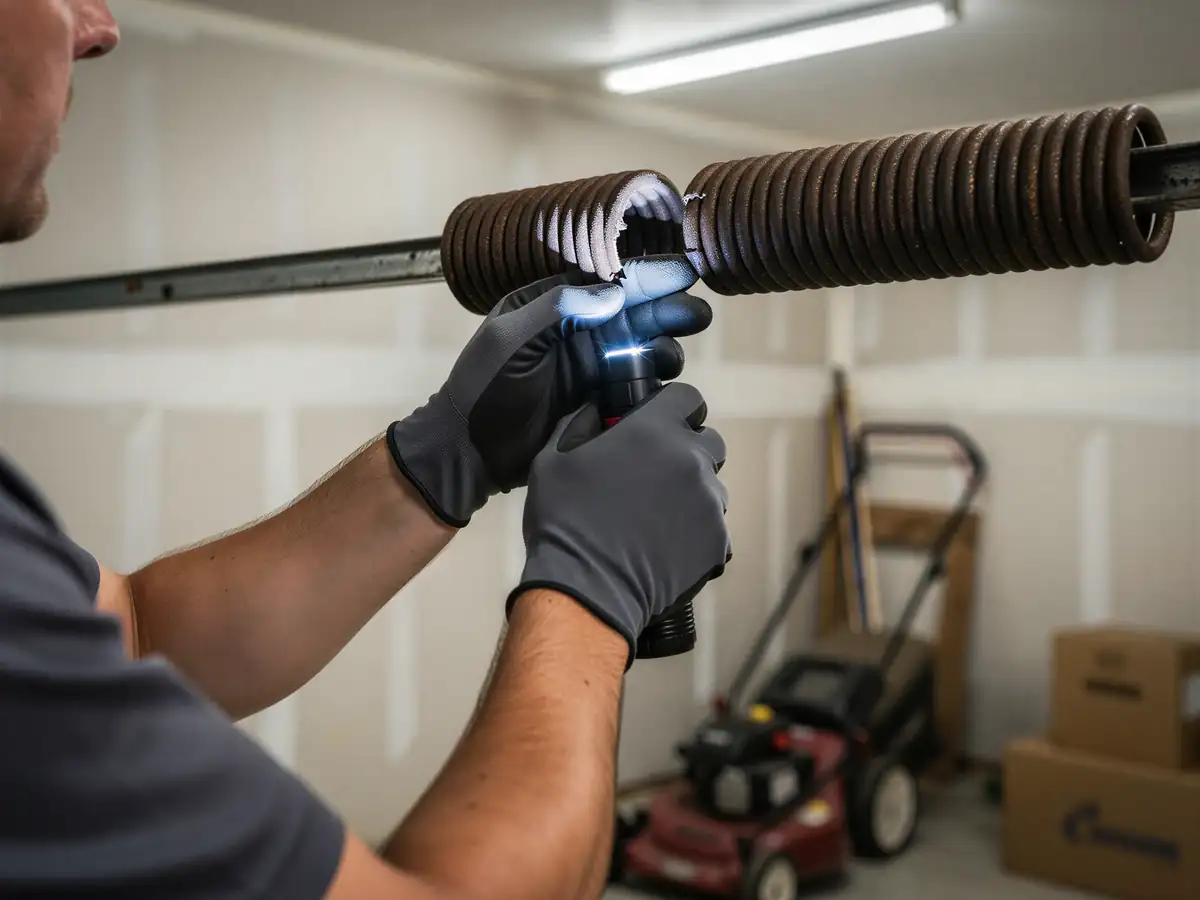
Hampton Roads winters aren't brutal, but the area sits in a cold-moderate climate band, and the swing between a damp cold morning and a sun-warmed afternoon is enough to stiffen grease in an old spring coil and make a marginal spring finally let go. A spring that's been creaking along fine all summer snaps on the first real cold snap of the year - that's not bad luck, it's metal fatigue meeting temperature change. Combine that with a housing stock centered around 1981, where a lot of original springs have never been swapped, and cold-weather spring failure is the single most common emergency call we get from this part of the service area.
Where This Job Goes Sideways
The job gets harder when a homeowner tries to force a stuck door before calling - pulling the manual release while a spring is still partially under tension, or prying a bent track back by hand. We've seen it turn a one-part repair into a track-and-roller replacement. The other place it goes sideways is scheduling: because we're traveling 19 miles from Hampton rather than dispatching from somewhere nearby, a same-day emergency call booked mid-afternoon may land toward the end of our route rather than first - we'll give you an honest window, but we won't claim a response time we can't back up from this distance.