The Cost of This Job
Gloucester Point sits apart from a lot of the service area on build year alone
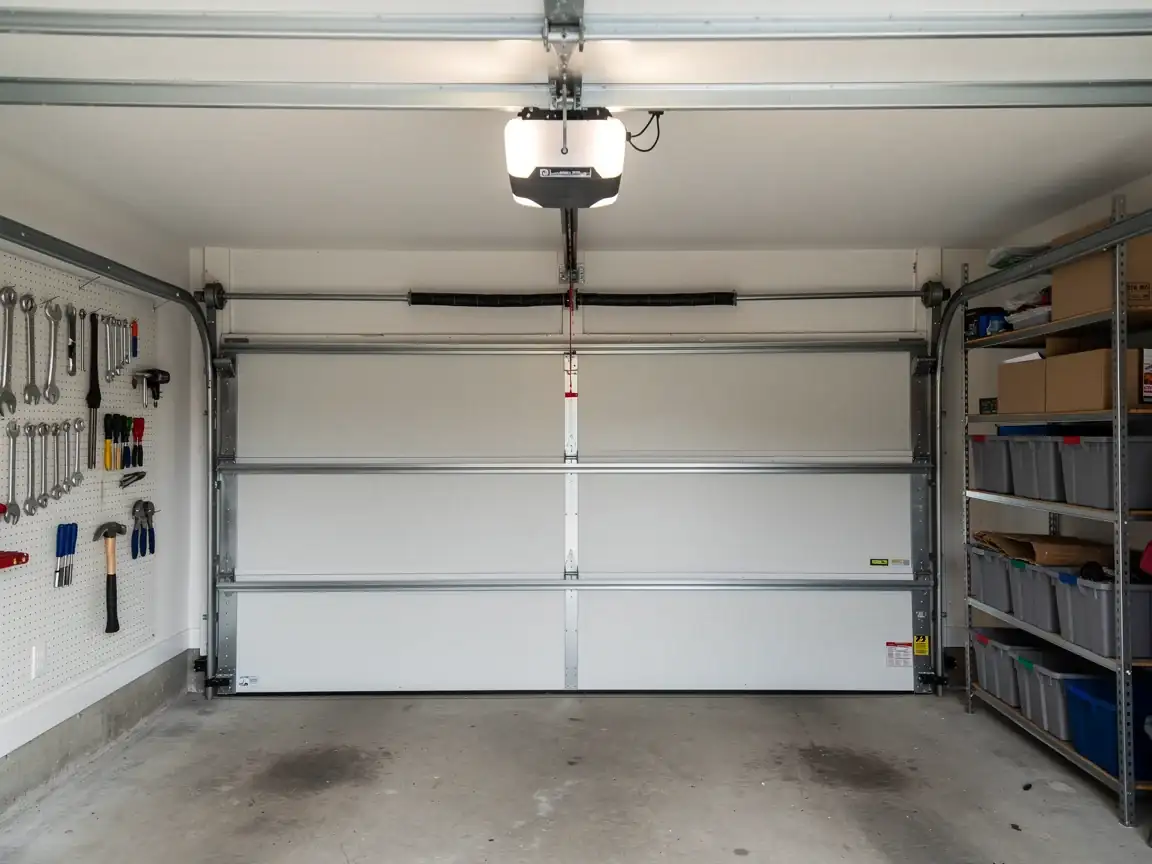
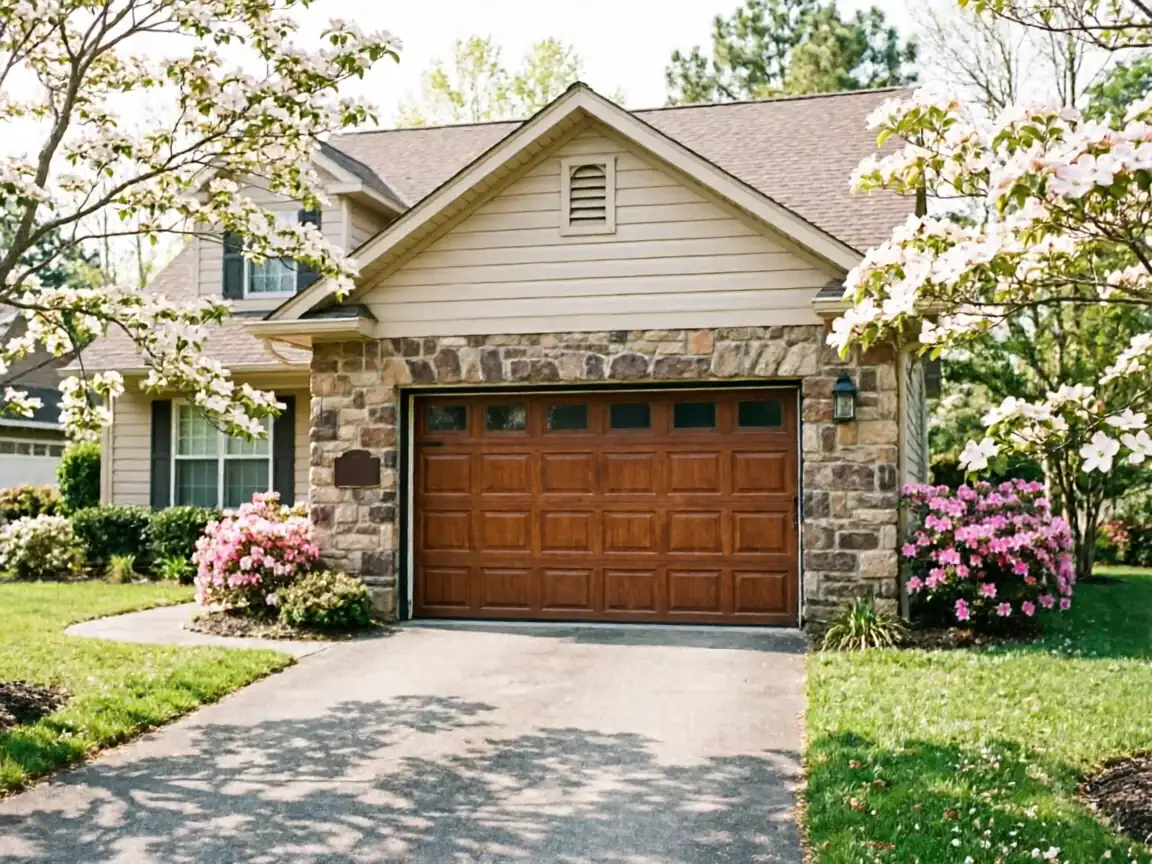
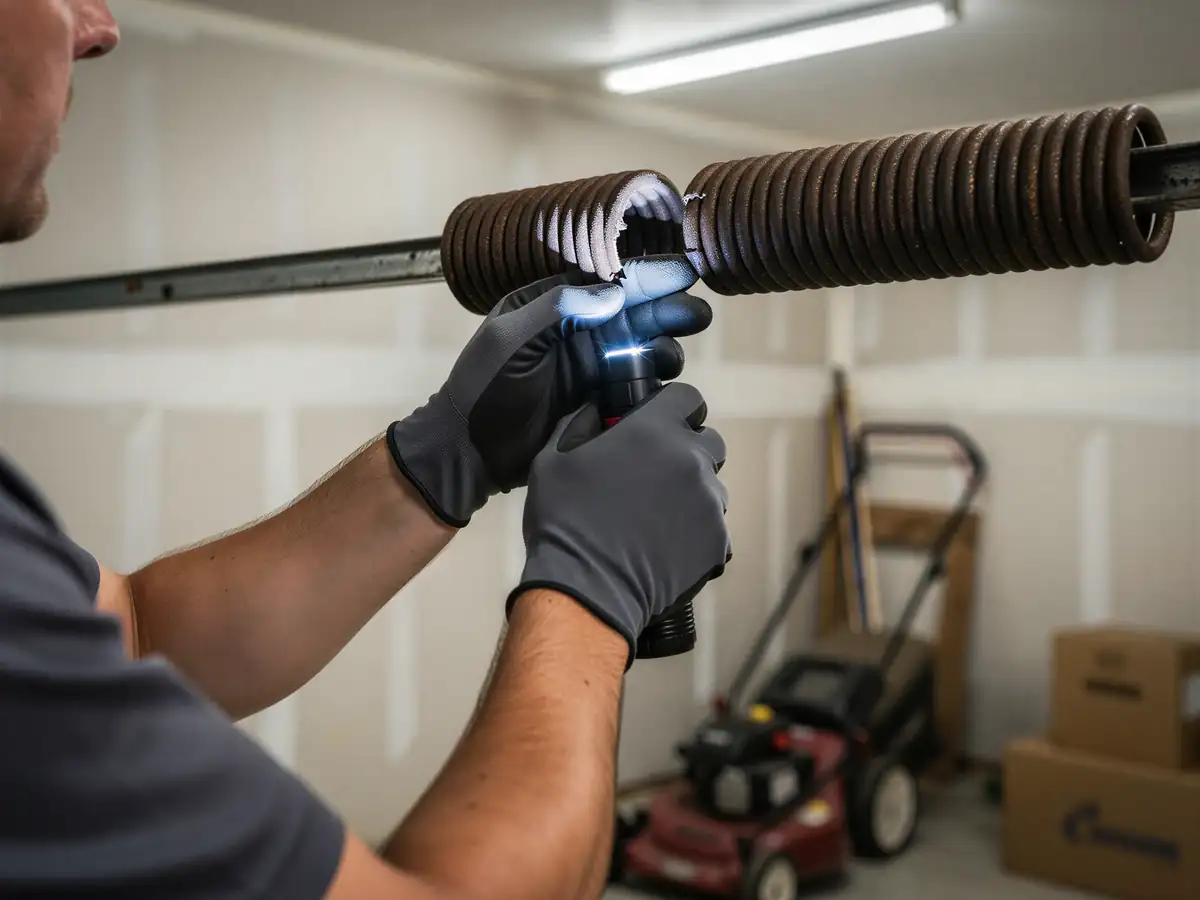
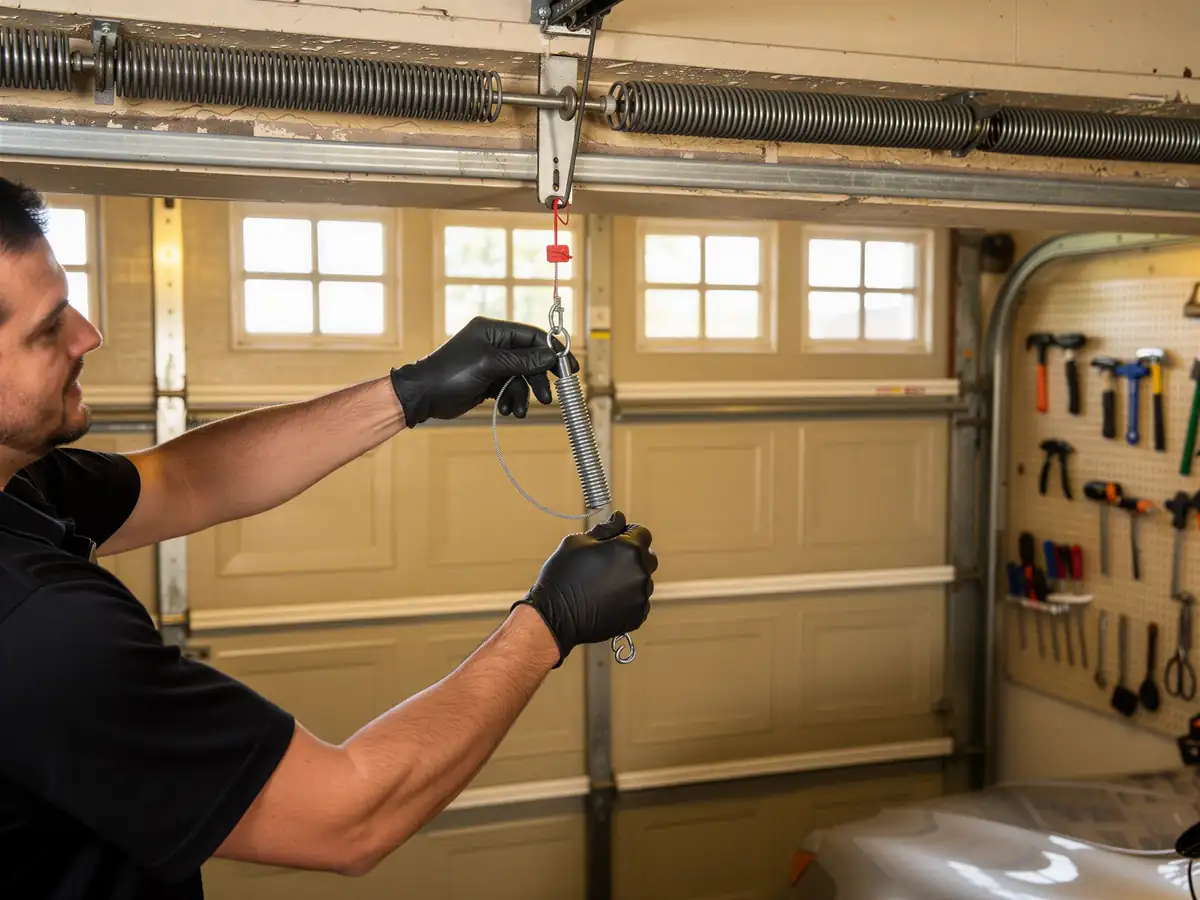
Houses here center on 1981, a few years newer than the 1966-1992 range we see elsewhere, where the median lands at 1977. That six-year gap matters more than it sounds. A house built in 1981 was far more likely to leave the builder's lot with a factory torsion spring on a standard drum, not the older extension-spring-over-the-track setup you still find on houses from the late 1960s. That changes what a repair actually involves and what parts we're pulling off the truck.
We don't post a flat price here because the spring count, the door weight, and whether the opener's been swapped since the house was built all move the number
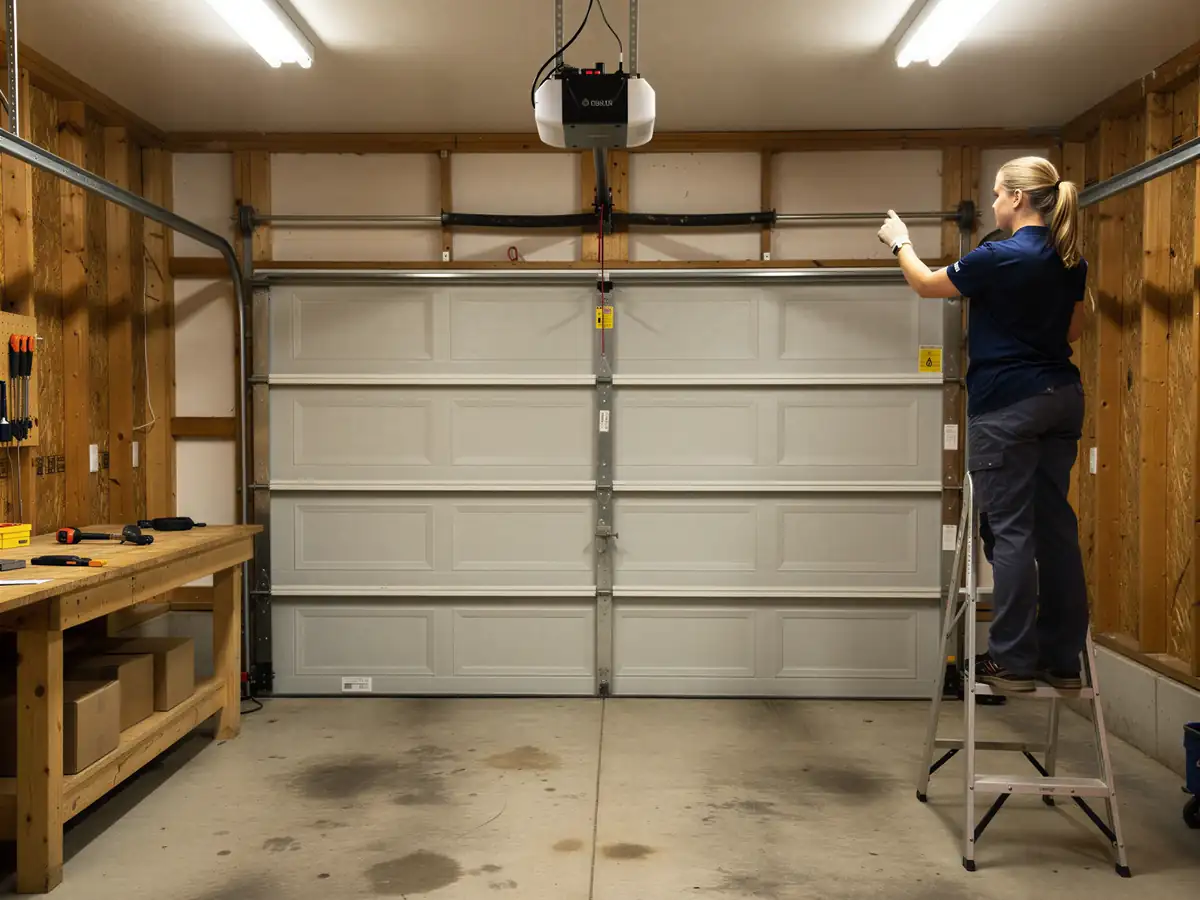
A single door with one torsion spring is a different job than a double door carrying two. What we can tell you is that early-80s torsion hardware is common enough that we're not guessing at sizing when we show up - it's a known quantity, not a scavenger hunt through a 1966 build's mismatched parts.
How to Book
We run out of Hampton, and Gloucester Point is a 19-mile drive from there - the longest run to any of the named points we cover. Call ahead rather than hoping for a same-day fit; a spring job takes real time once the truck is on site, and the drive itself eats into the schedule more than a closer call would.
Have the door's basic info ready when you call: single or double, how old the opener is, and whether the spring broke clean or is still half-wound and jammed. That's enough for us to bring the right spring size instead of guessing twice.
Doing It Yourself
A torsion spring under tension can put someone in the hospital - the wind-up force on a standard residential door is enough to snap a winding bar out of a hand and take fingers with it. We're not going to walk you through DIY replacement here, and if a site tells you otherwise, be skeptical of it.
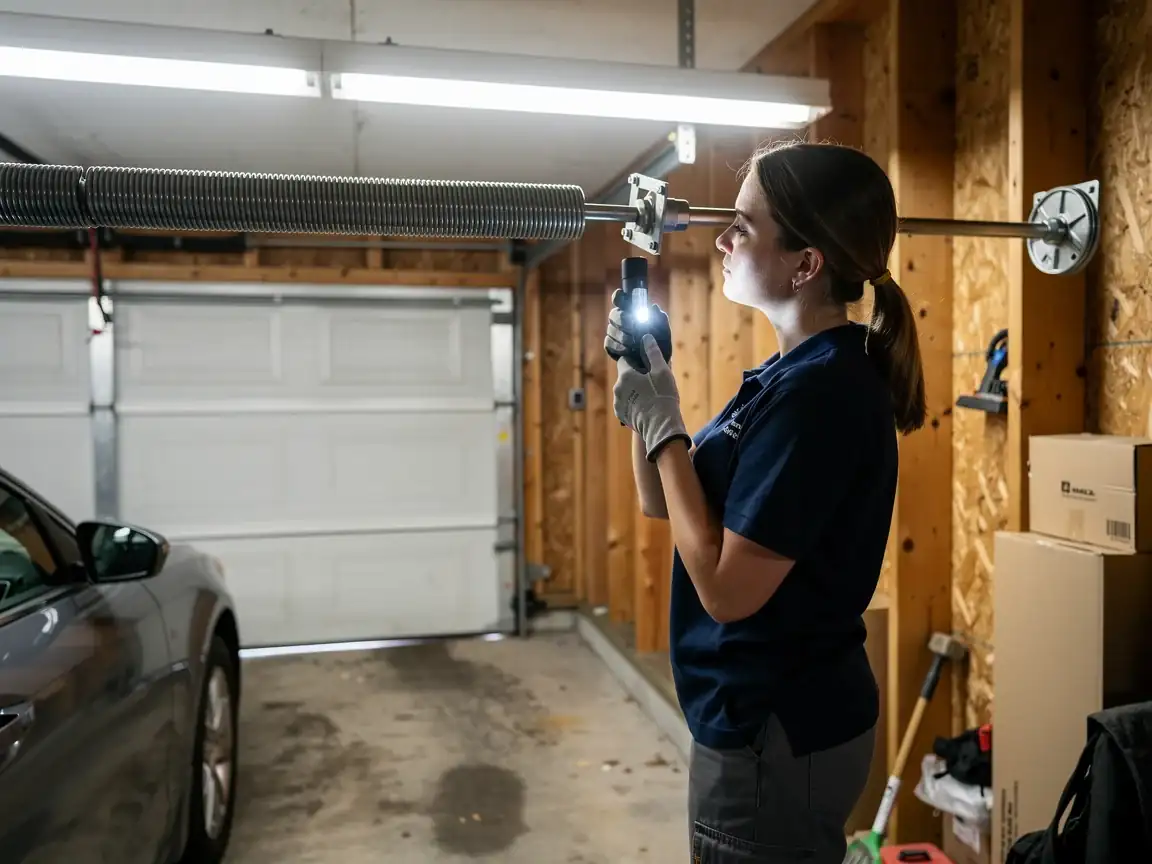
What you can safely do: check whether the door is a single torsion spring or double, note the brand stamped on the spring if visible, and leave the door down and the opener disconnected until someone qualified gets there. That's the limit of what's worth doing yourself on this one.
What the Repair Takes
On an early-1980s torsion setup, the job is mostly straightforward
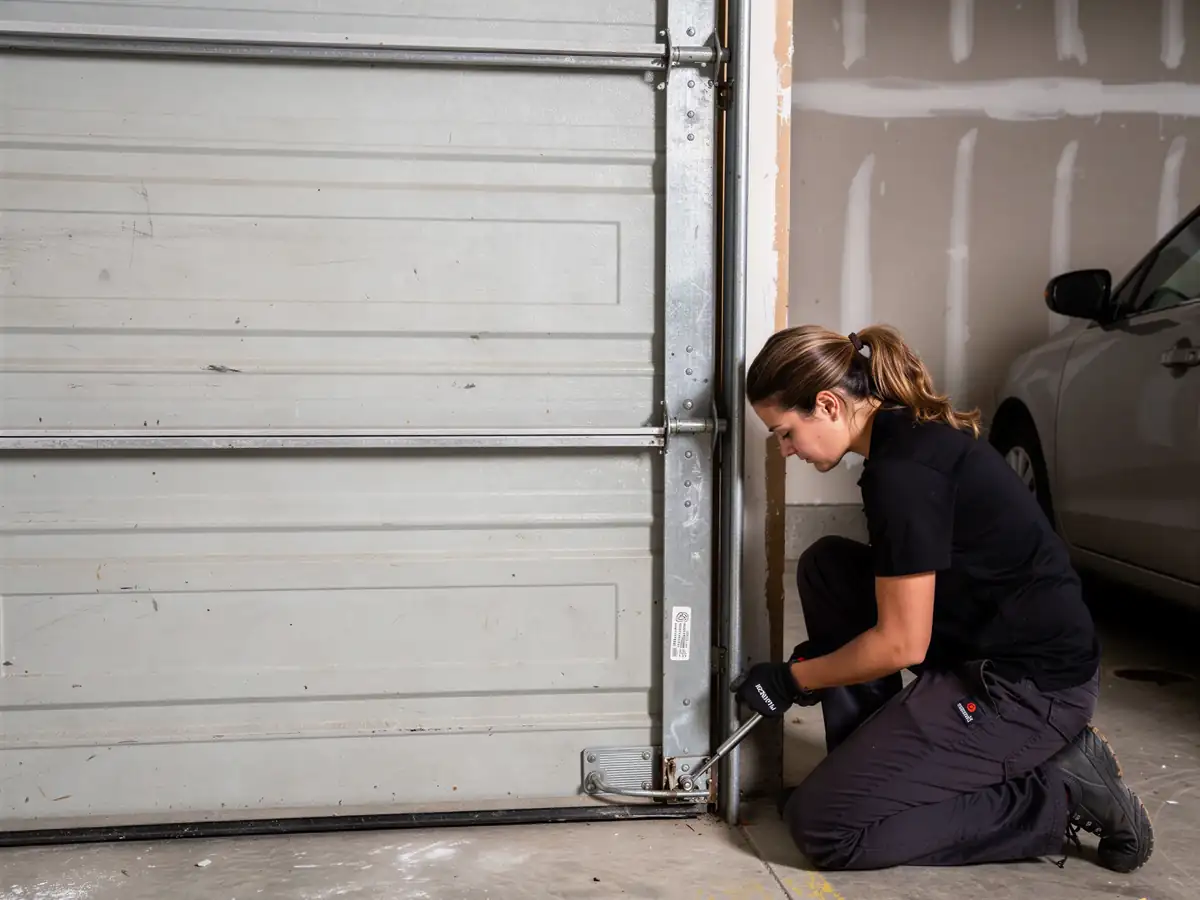
Clamp the shaft, unwind the old spring, measure wire gauge and length against the new one, wind it to the correct turns for the door weight, and test balance through a full cycle. Where it gets slower is on houses where the opener was replaced at some point without anyone re-checking spring balance - an opener fighting a mismatched spring wears out early and fast.
The area's cold-moderate climate doesn't bake springs the way a hot-dry climate would
But winter cold does stiffen the lubricant on an unmaintained spring and adds load right when the opener's already working harder against the cold. That combination shows up as a dead spring on a cold morning more often than you'd expect.
Why This Fails Locally
Across the service area, 23,601 of roughly 52,311 households own their house outright or carry a mortgage on one - plenty of them on original hardware from whatever decade their block went up. Gloucester Point's own stock, centered on 1981, means the springs failing now are mostly original-to-house or one generation of replacement in, not the three-generations-deep mess you see on 1966-built homes elsewhere in the area.
Median household income here runs $71,589, noticeably below the $90,885 median across the broader service area. That gap tends to show up as deferred maintenance - a spring that's clearly sagging or noisy gets left alone longer before someone calls, which raises the odds it fails suddenly rather than gradually.
Where This Job Goes Sideways
The spring itself is rarely the whole story on a house this age. If the opener's original to the house, its circuit board may not tolerate a modern high-cycle spring well, and swapping the spring without checking the opener's force settings can shorten the opener's life instead of fixing anything. We'll flag that rather than just hand you a spring and leave.
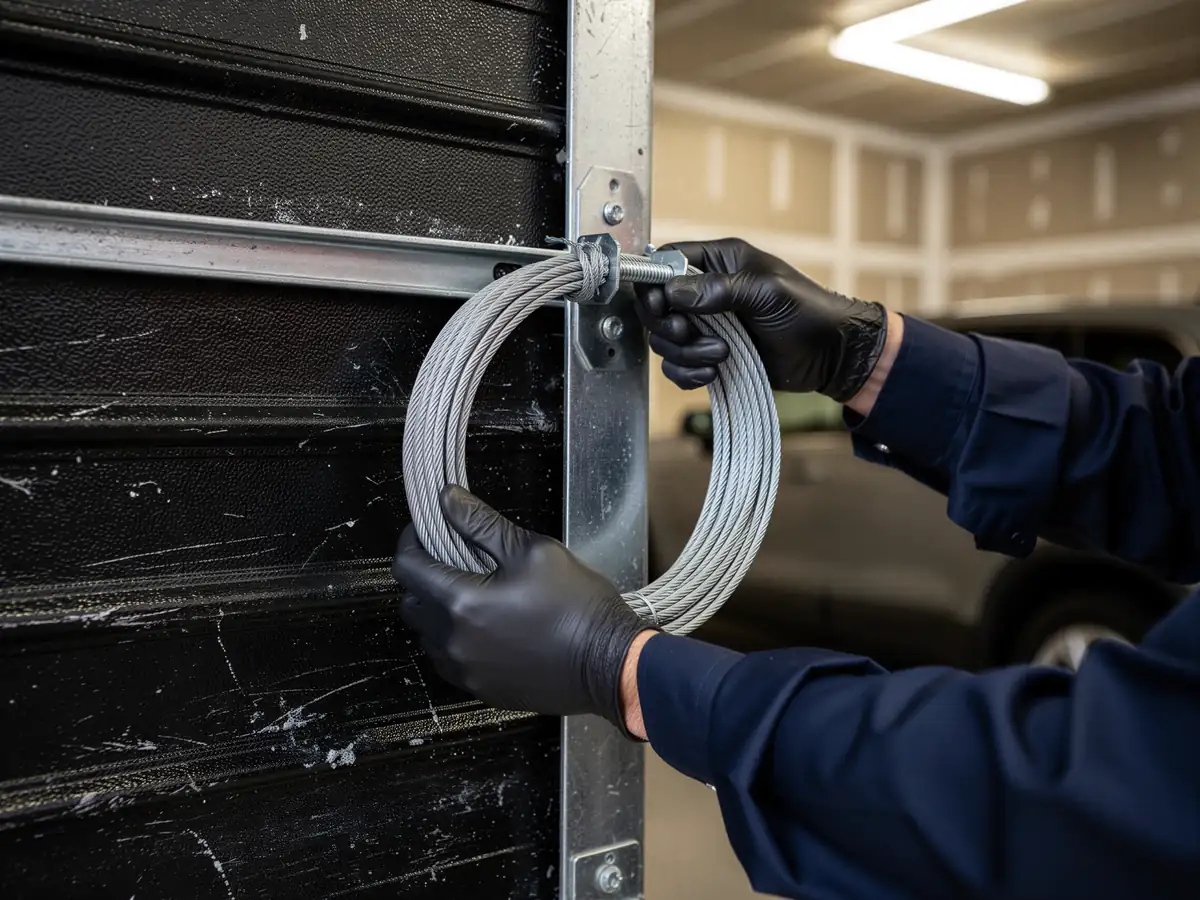
The other place it goes sideways: a cable that's frayed from the same wear that took out the spring. If we're already on site for a spring and see a cable close to failing, we'll say so - replacing both in one visit costs less than a second call later, and we'd rather tell you now than have the door drop a week after we leave.