How to Book
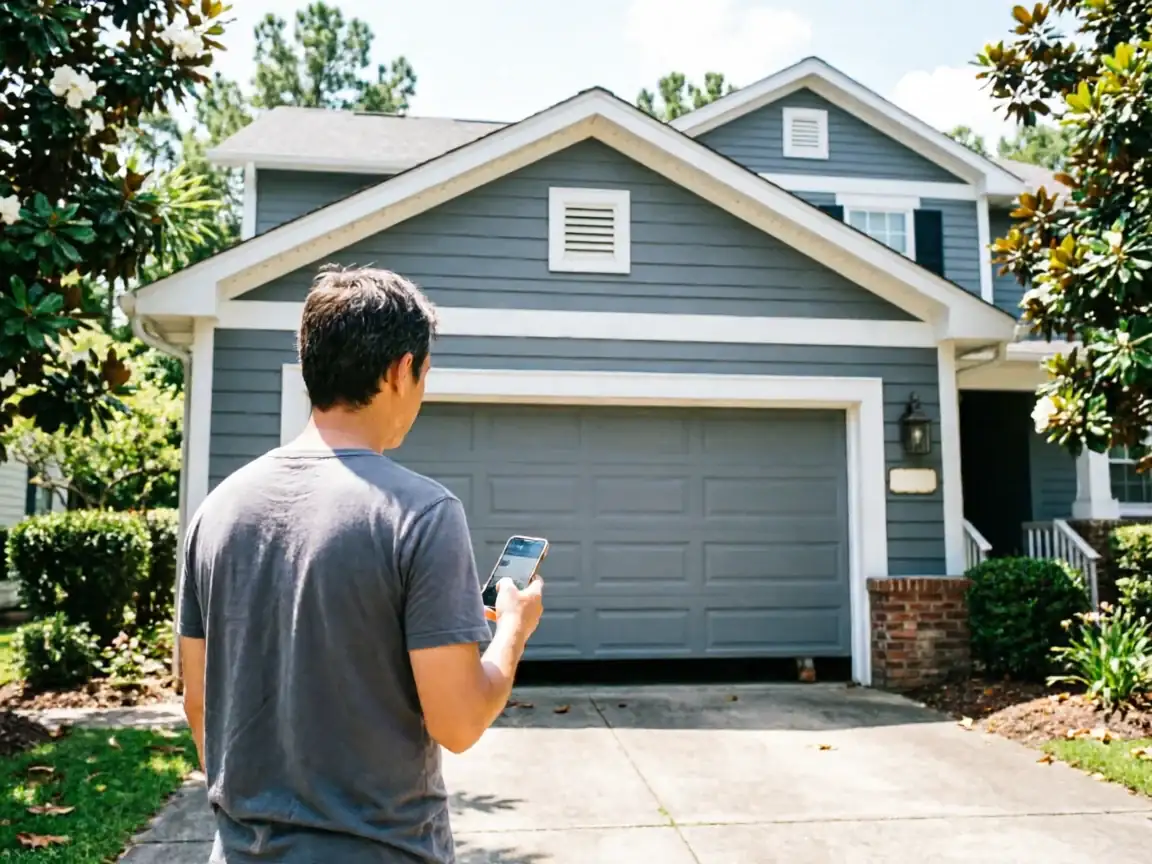
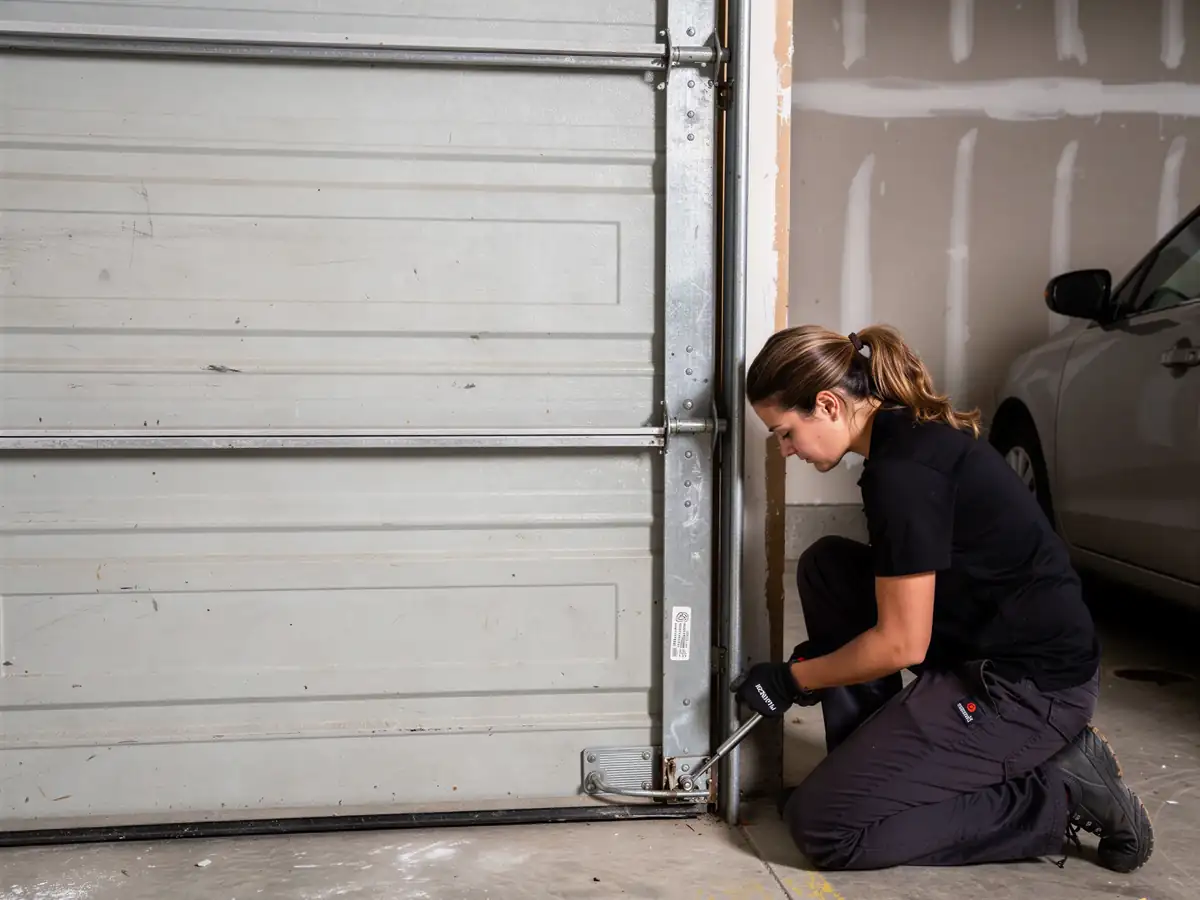
We cover Gloucester Point out of Hampton, so there's no local branch to call - just one crew making the drive. Reach us through the Gloucester Point service page or by describing what the opener's doing: won't respond to the remote, grinds but the door doesn't move, reverses halfway. That detail helps us bring the right board or gear kit instead of guessing on-site. We don't advertise a fixed window for how fast we can get out this far, so ask when you call and we'll give you a real answer for that day, not a canned promise.
Doing It Yourself
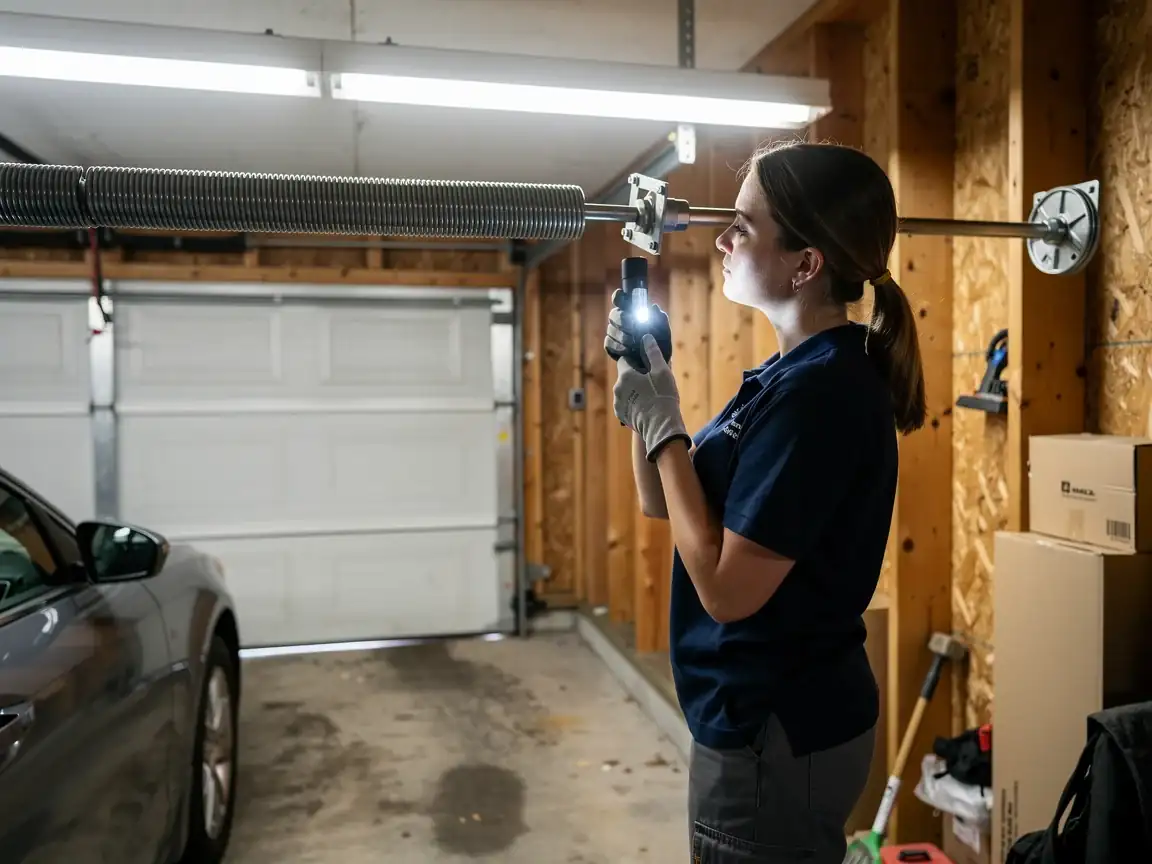
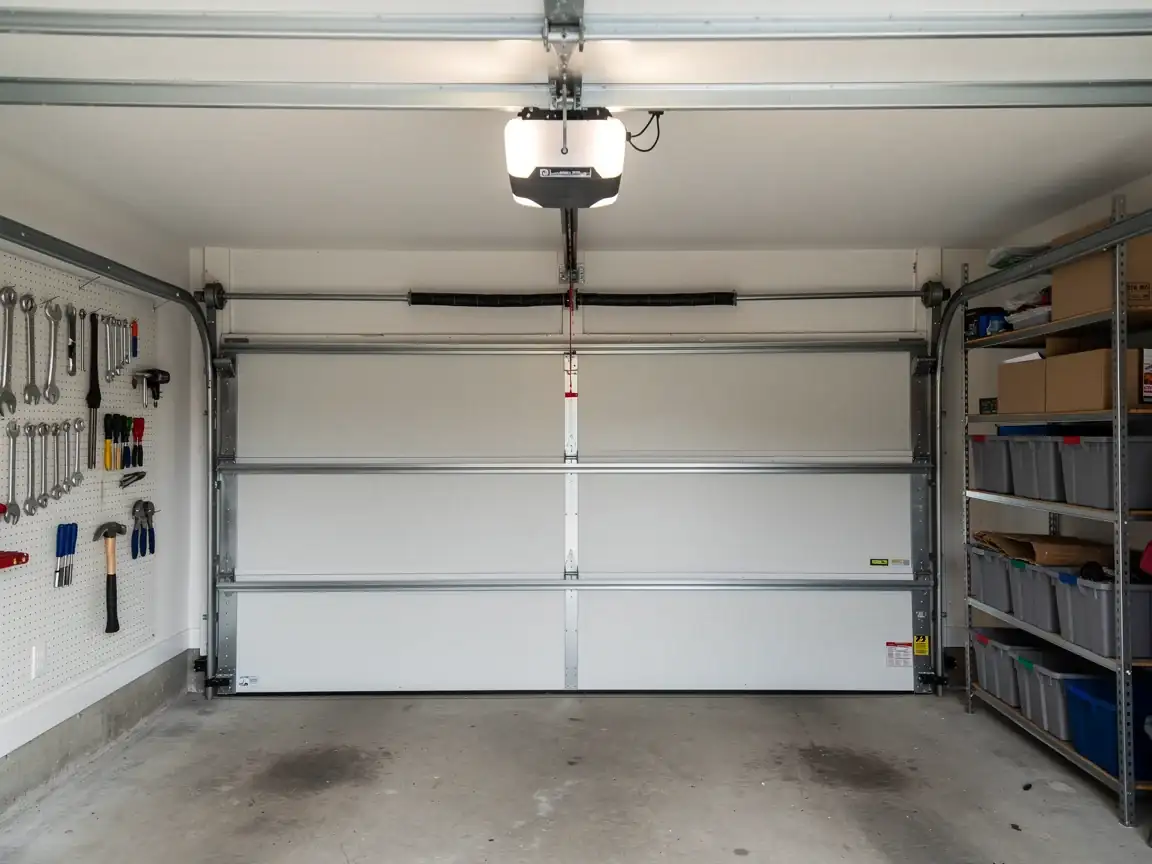
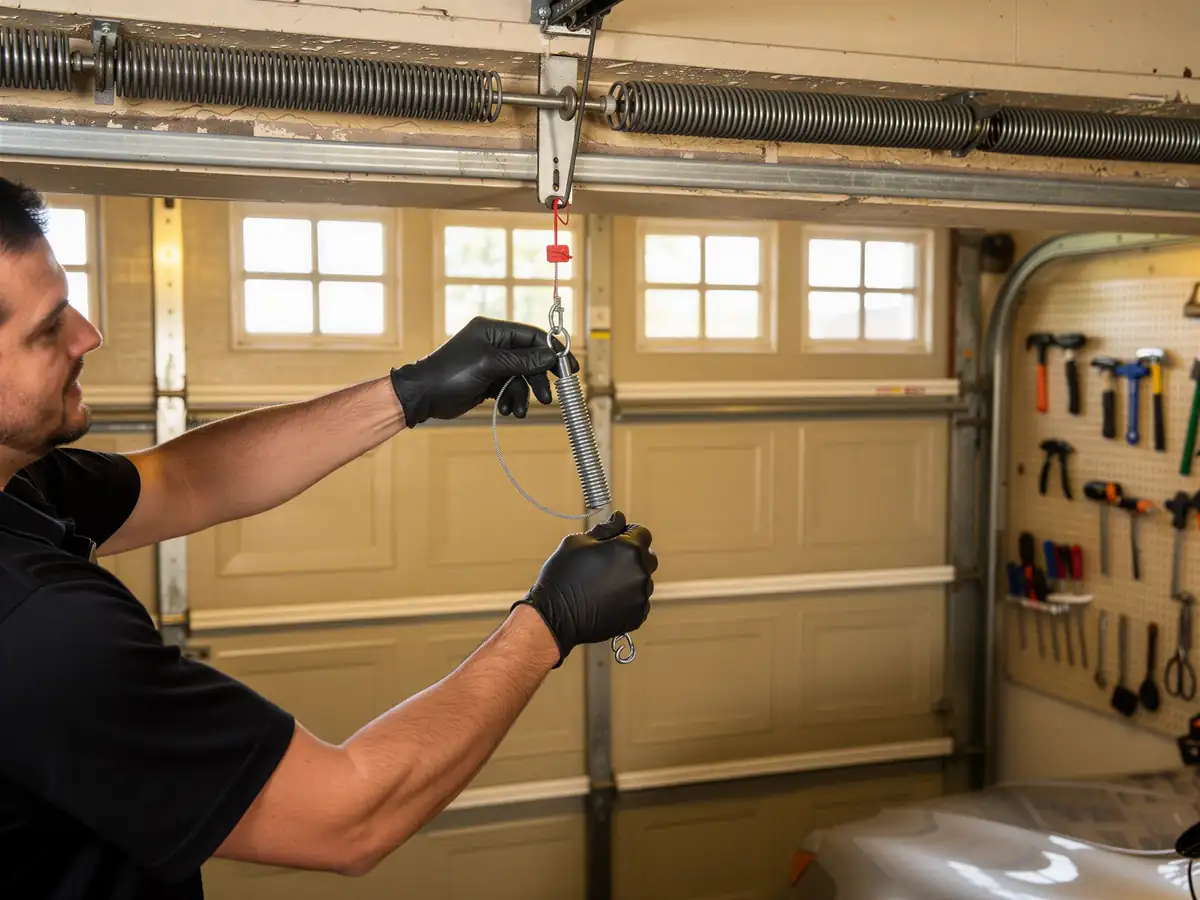
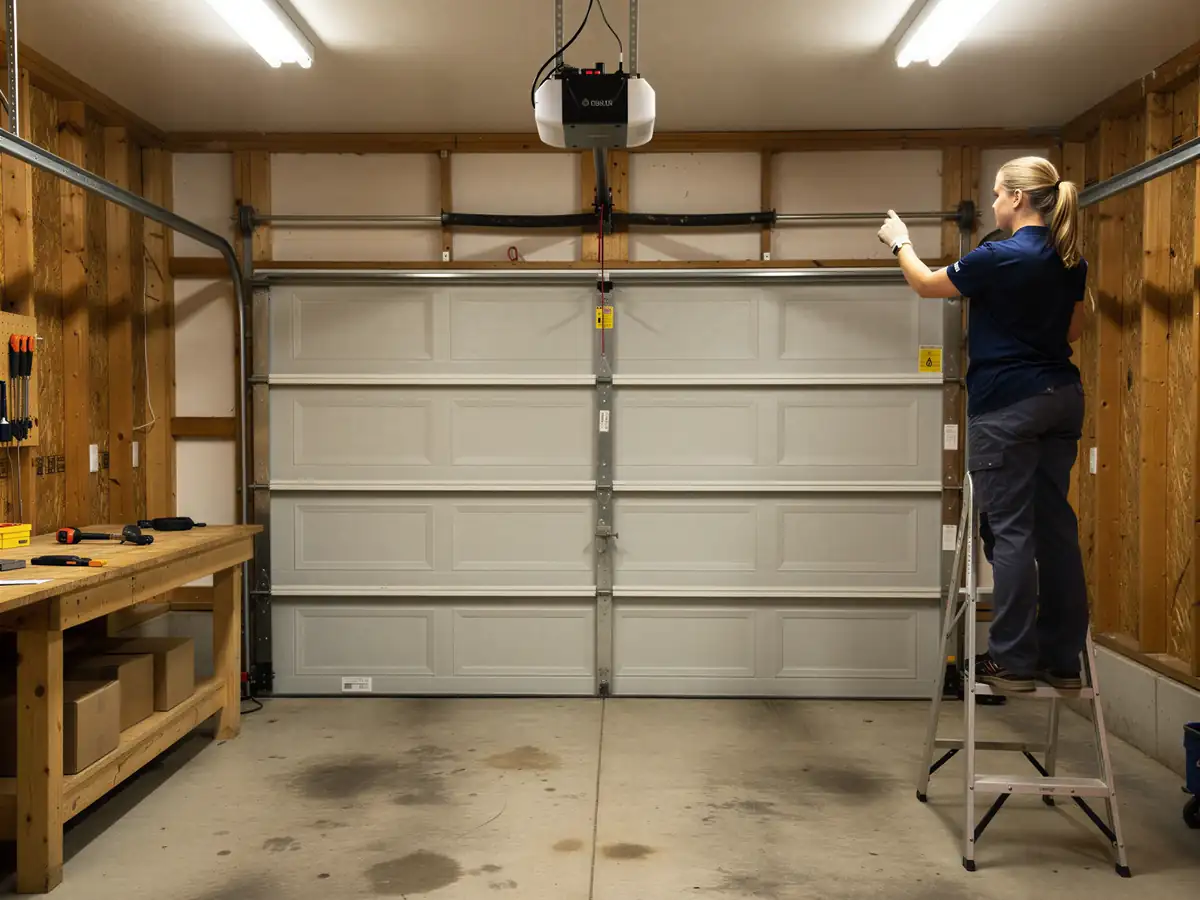
Some of this is fair game for a homeowner. Dead batteries in a remote, a sensor eye knocked out of alignment, a travel limit that needs resetting - all doable with the manual and a Saturday afternoon. Where it stops being a DIY job is the drive assembly itself. If the opener's chain-drive gear kit has stripped, which turns up often on units installed when these houses were still fairly new in the 80s and 90s, you're dealing with a motor housing that may need full disassembly. Get that wrong and you can bend the rail or crack the housing, and now it's a bigger bill than the original fix. If the door drops unexpectedly or the opener runs hot and smells like burning plastic, stop and call - that's a wiring or capacitor issue, not a weekend project.
Why This Fails Locally
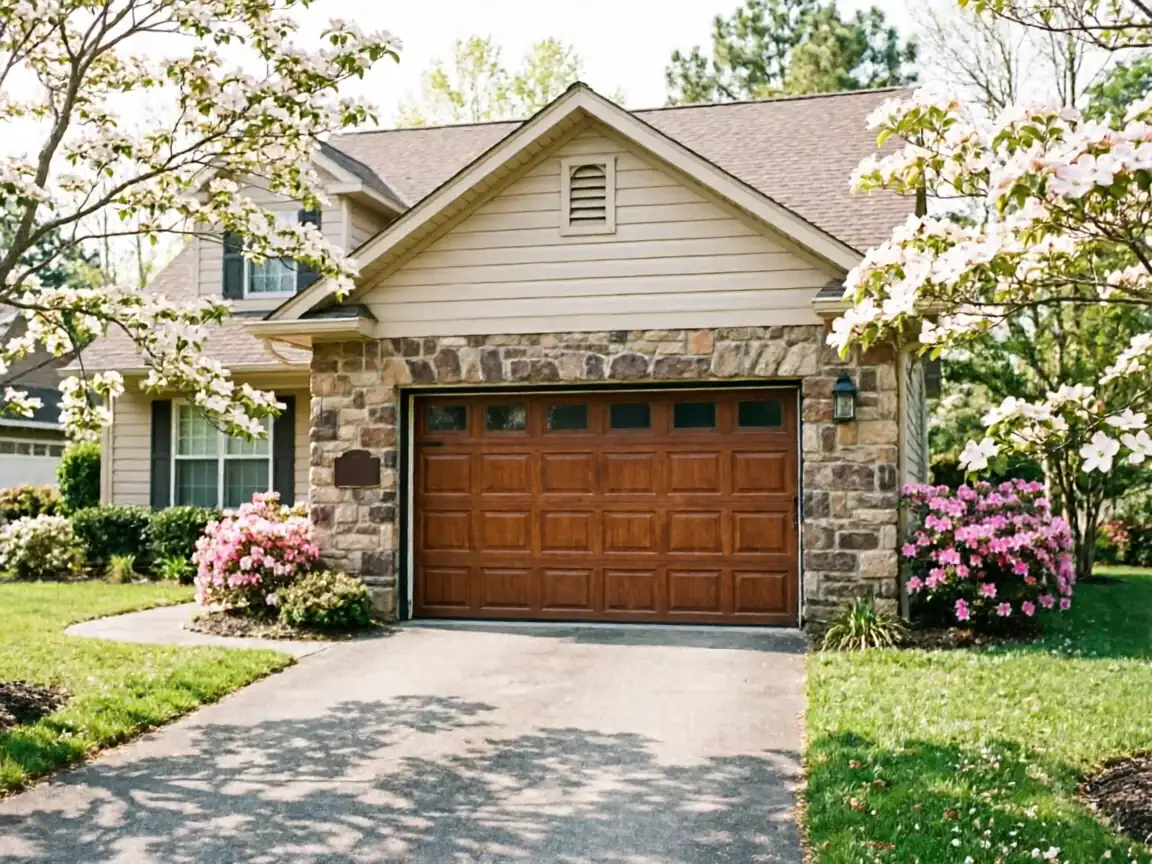
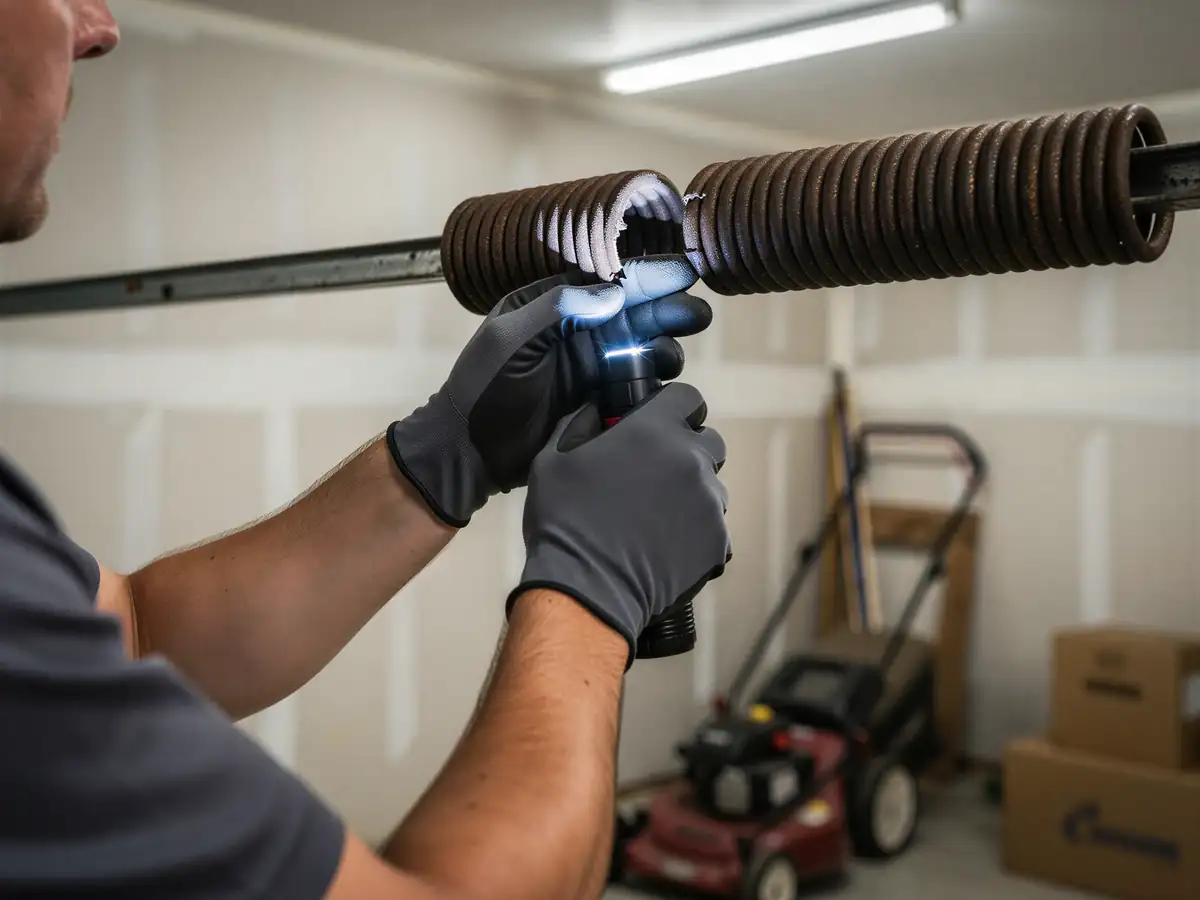
The cold-moderate climate that covers this whole stretch of the Peninsula is hard on plastic gears and belt material over enough winters, and a house built in 1981 has had forty-some of them. Garage openers installed in that era often ran basic chain drives without today's soft-start motors, so the gears take a harder jolt every cycle - that adds up to stripped teeth and cracked housings well before a modern belt-drive unit would show the same wear. Add in Gloucester Point's lower median household income relative to the wider Hampton service area - $71,589 against $90,885 - and we see more owners stretching a repair as long as it'll go instead of jumping straight to replacement, which is a reasonable call as long as the opener's still safe to run.
Where This Job Goes Sideways
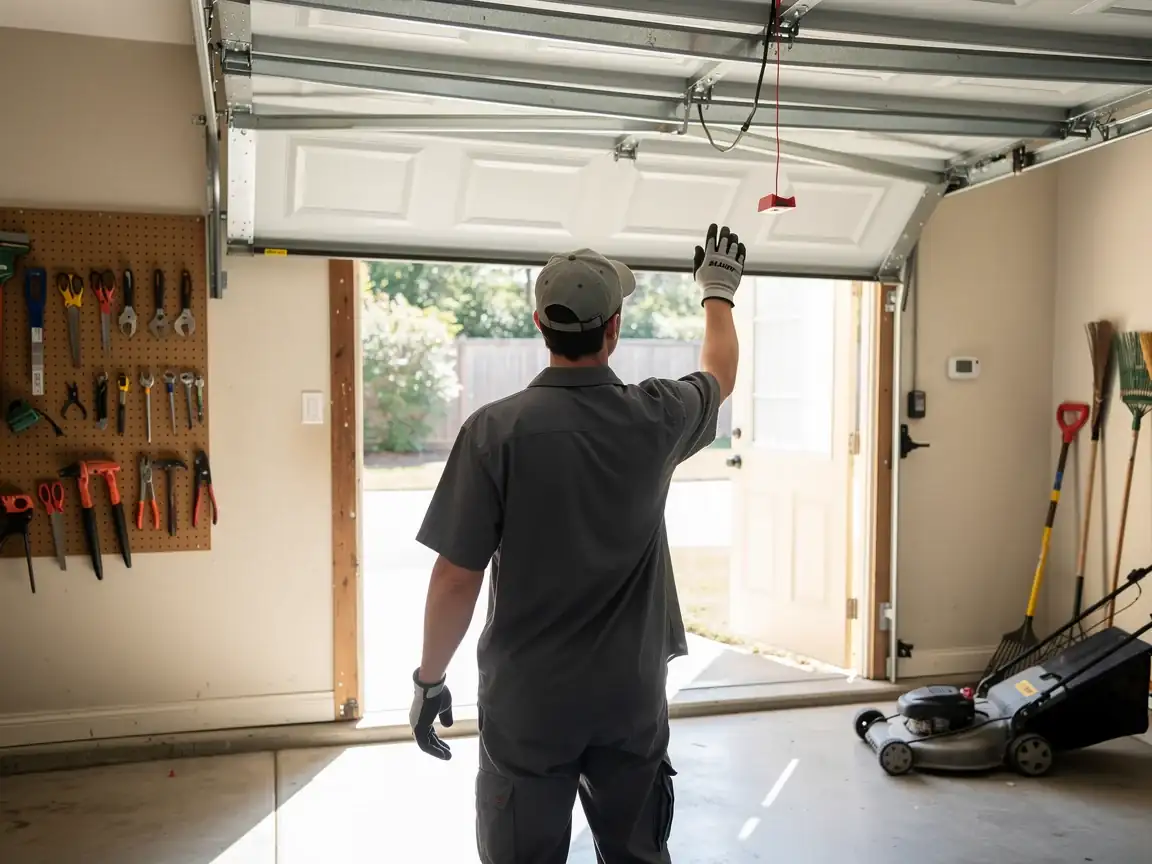
The call that goes wrong is the one where a homeowner swaps the opener themselves and reuses the old safety sensors or travel limits without checking they still read correctly on the new unit. On a 1981-era garage, the original wiring and bracket spacing often don't line up cleanly with a current opener kit, and a sensor that looks connected but isn't aimed right will let the door close on something it shouldn't. We also run into misdiagnosis - people assume a dead remote means a dead opener, when it's often just a battery or a frequency conflict. If you're not sure which it is, that's a five-minute check for us and a possible unnecessary purchase avoided for you. See more on what we handle across the wider service area on our Hampton opener repair page.