How to Book
We're based in Hampton and drive out to Gloucester Point, about 19 miles each way. That means we don't have a branch sitting nearby, so the job gets scheduled rather than walked-in. Call, describe what the door is doing - won't open, opens crooked, makes a bang and stops - and we'll tell you honestly whether it sounds like a same-visit fix or something that needs a part ordered first. We don't promise a response time we can't back up from across the water, so we won't make one up here. What we will do is give you a real window once we know what's wrong and what's in the truck already. If you can, have the door's age or a photo of the broken part ready when you call - it saves a wasted first trip.
Doing It Yourself
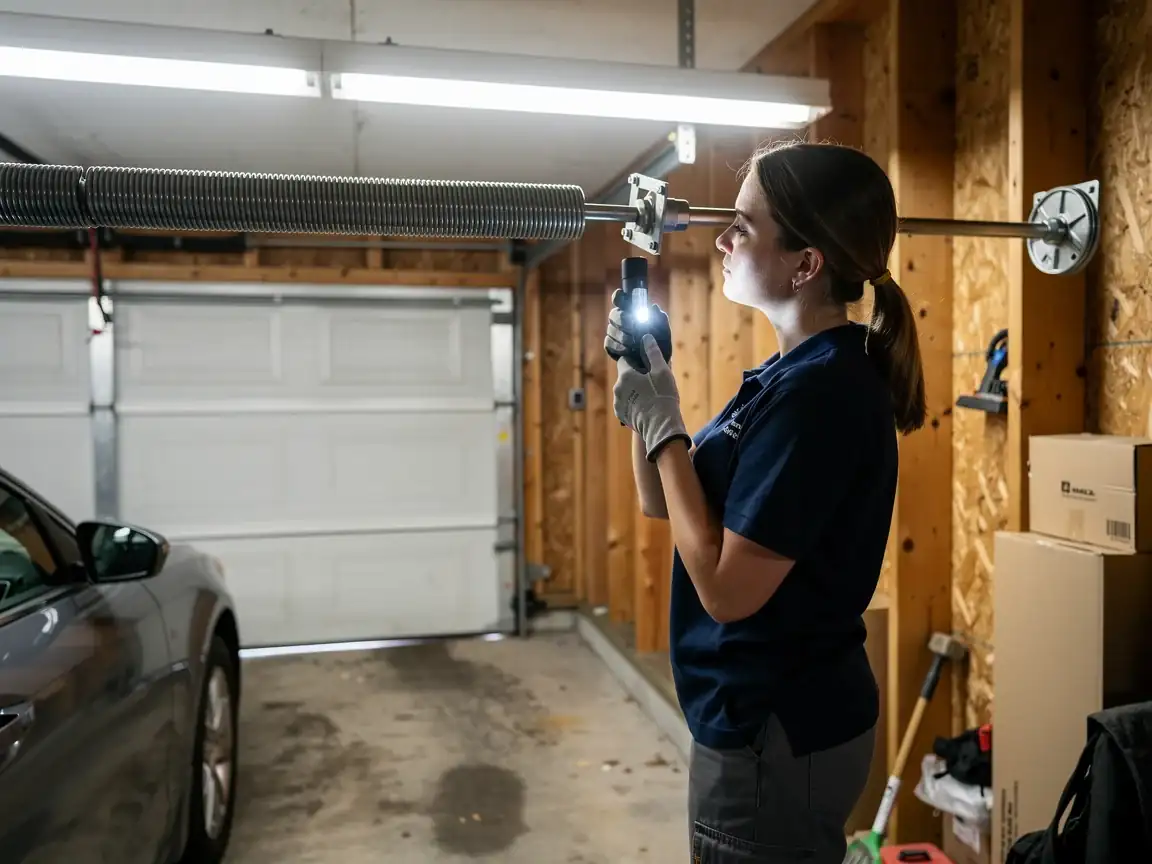
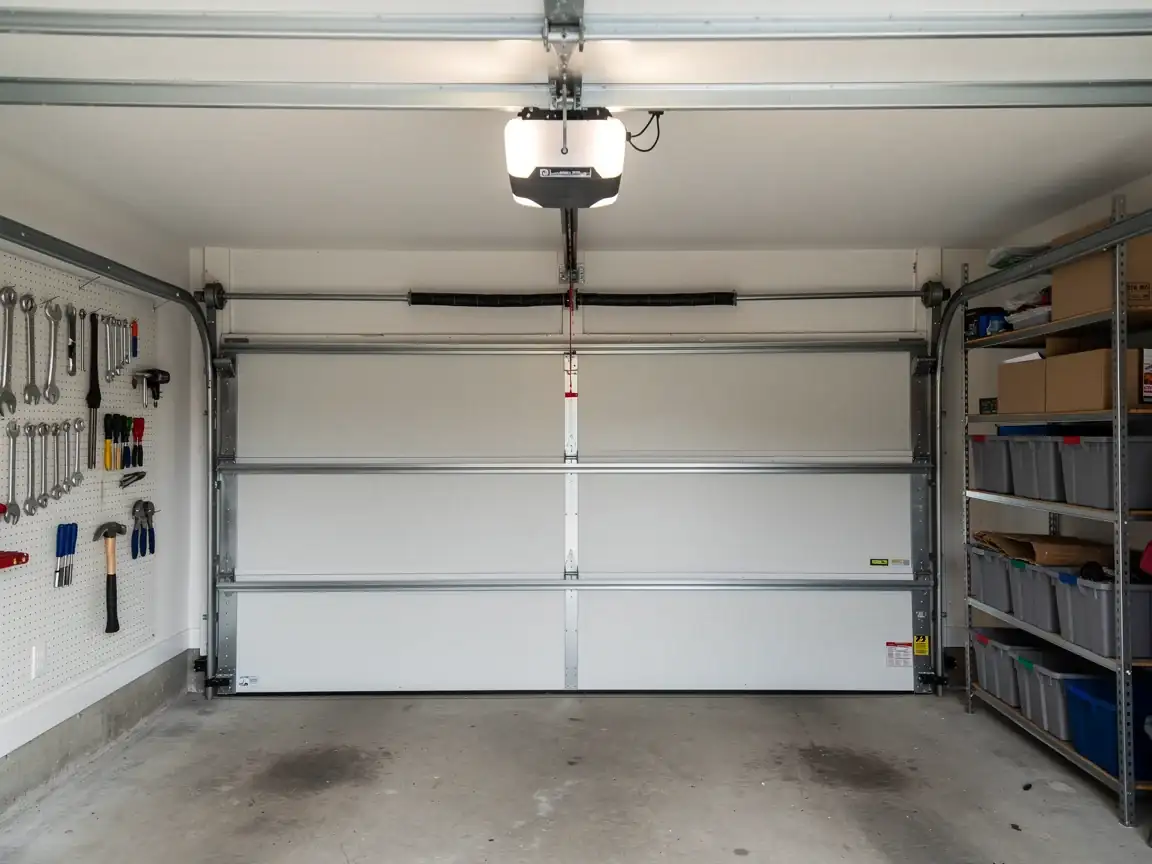
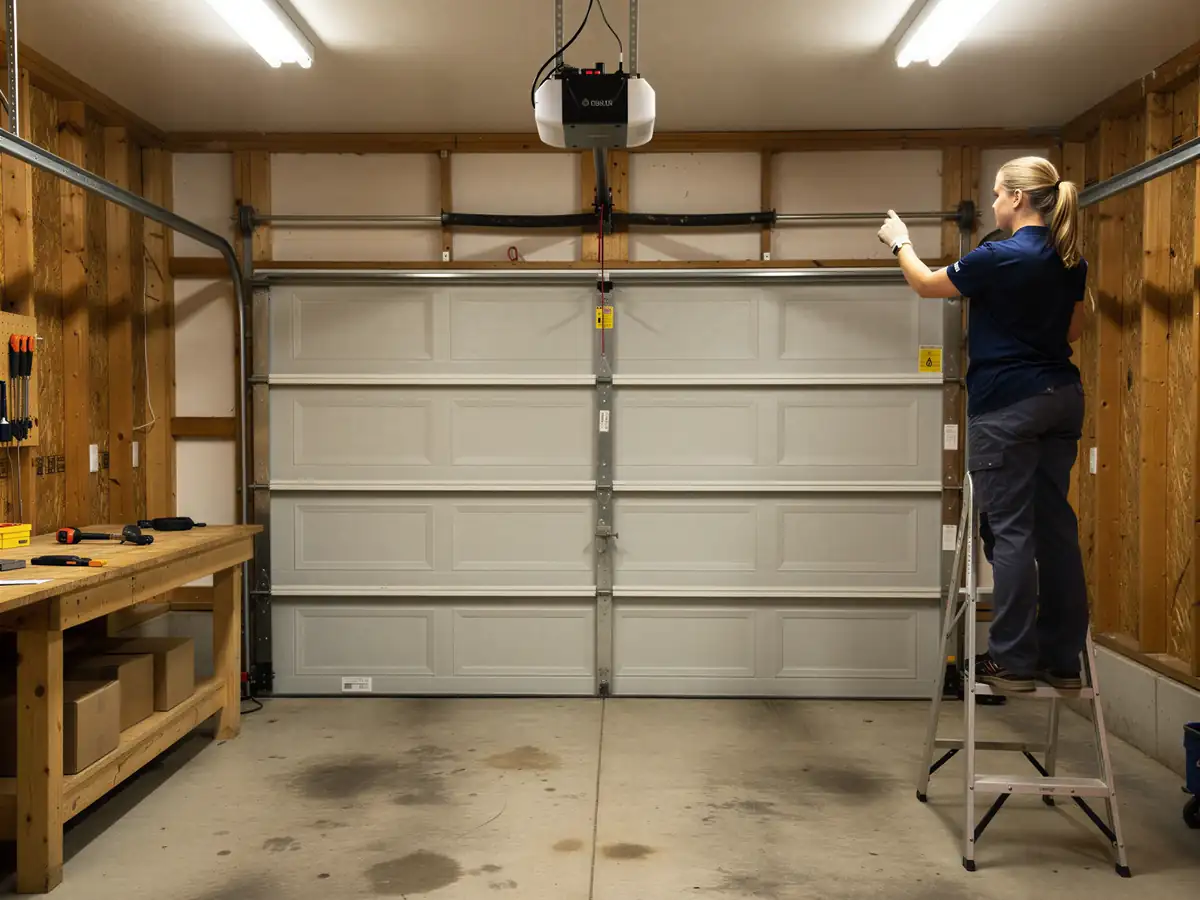
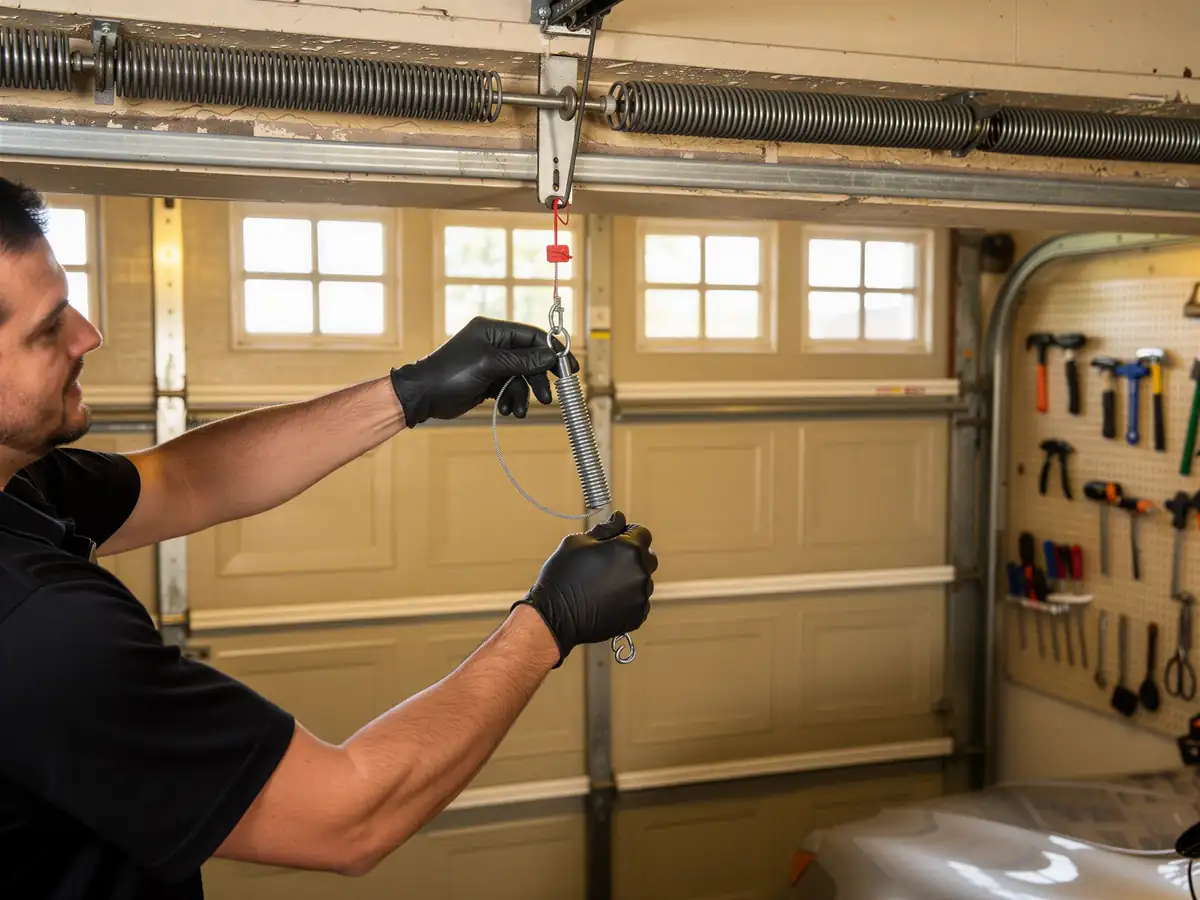
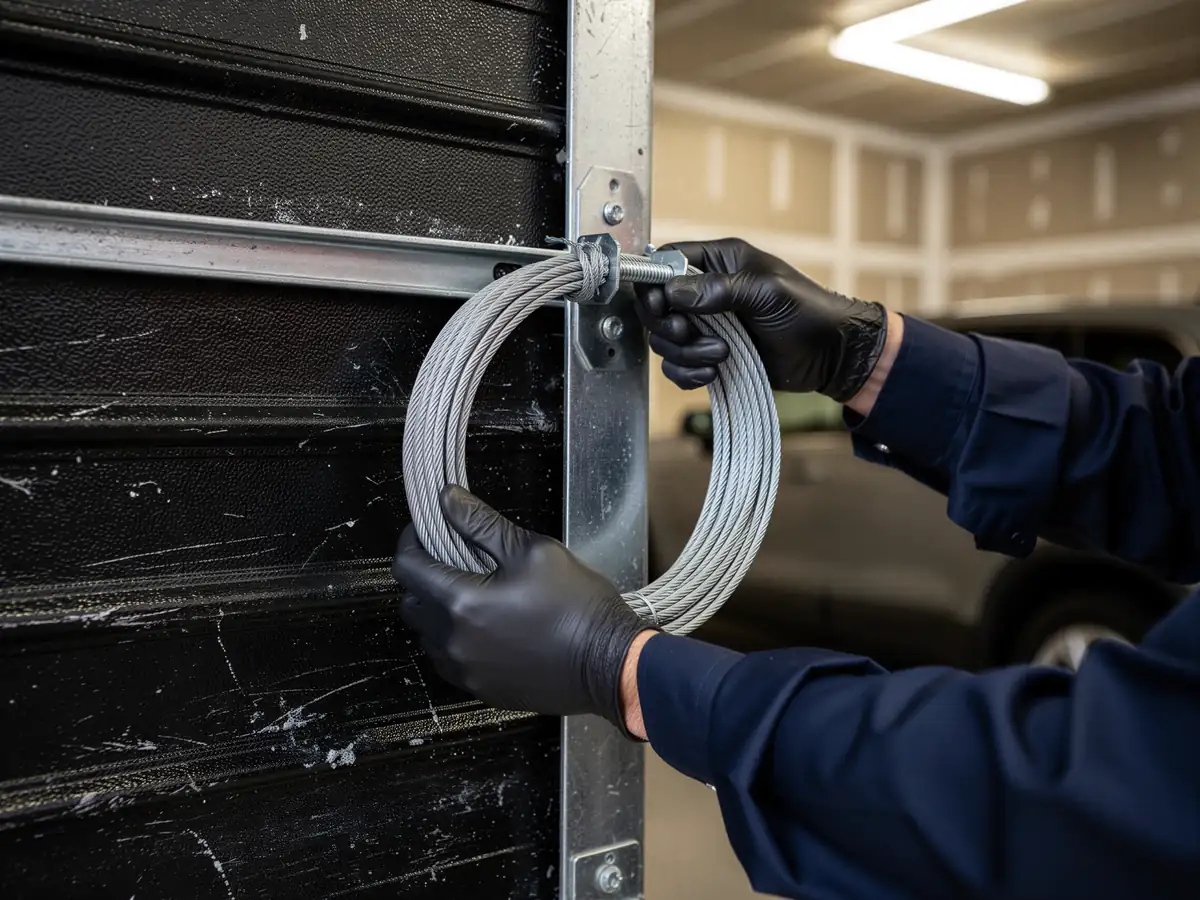
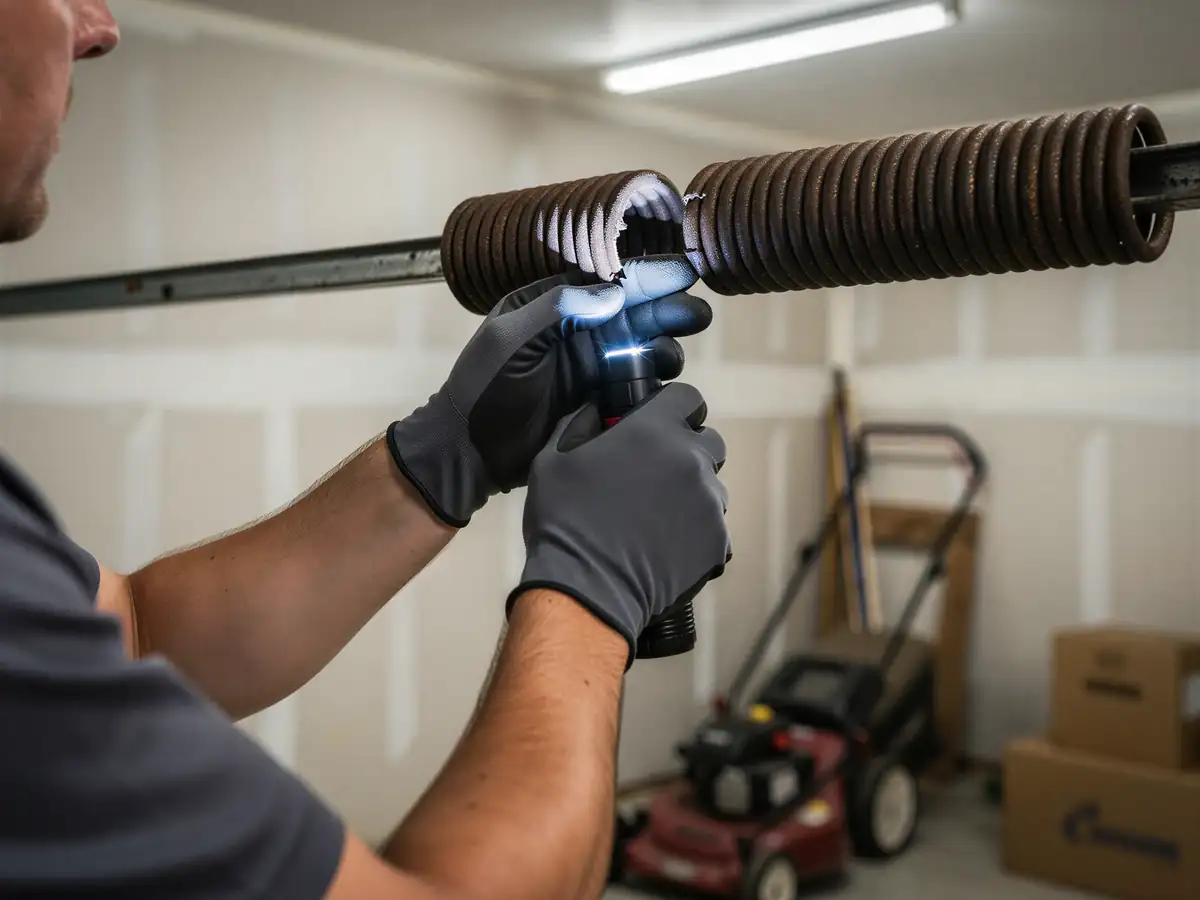
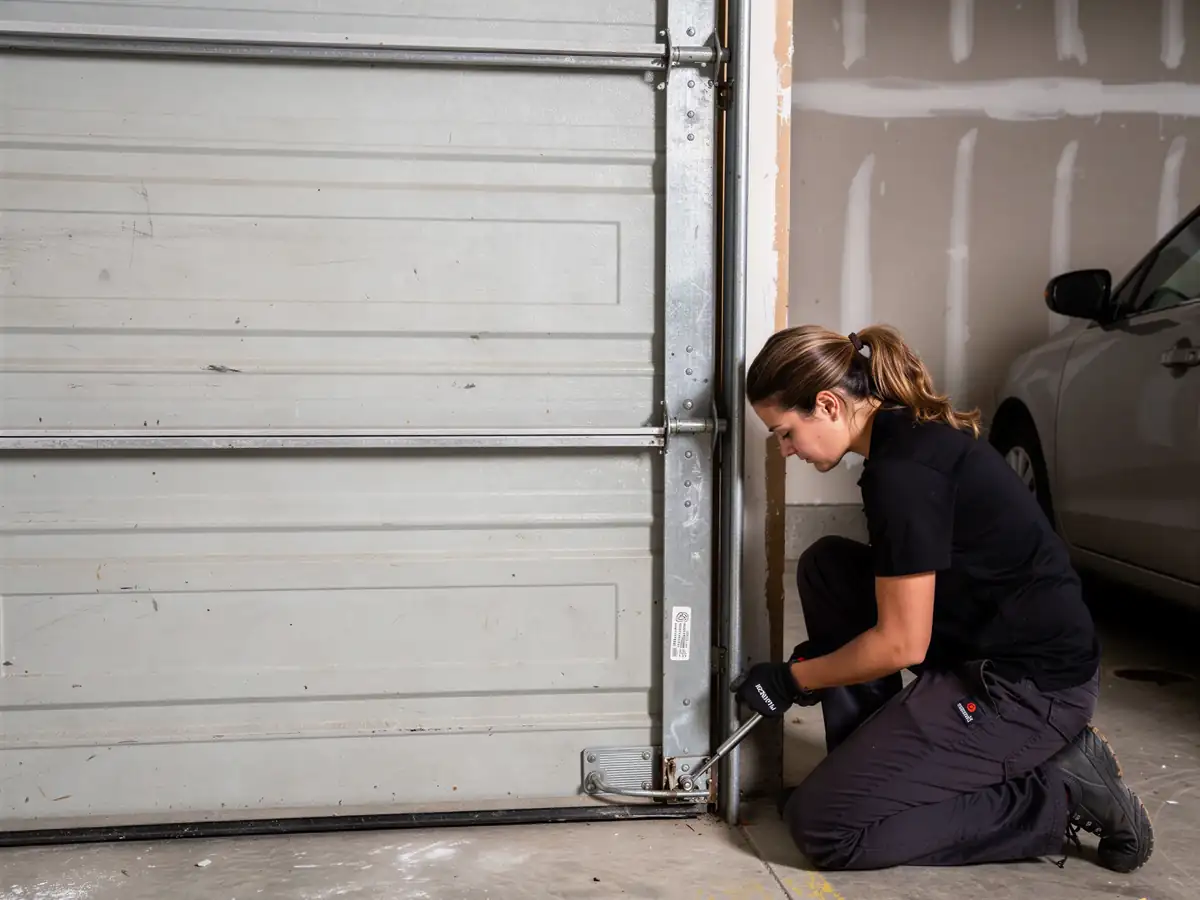
A loose roller or a track that's knocked slightly out of alignment, you can sometimes handle yourself with a socket wrench and patience. What you should not touch is the torsion spring. On a door this old - most of this area was built around 1981 - the spring and its mounting hardware have had four decades to corrode, and a spring under tension that lets go while you're working on it can break bones. Same goes for the cables; if one has frayed, the other side is probably not far behind and both sides should come off together. If your opener is from the original build era, rewiring or swapping the logic board is not a weekend project either - the wiring gauge and safety sensor setup from that period don't always match what's sold today. Know the limit: anything involving spring tension, cable replacement, or opener wiring on a door this old is worth the call.
Why This Fails Locally
The fault pattern here traces straight back to the build year. Gloucester Point's homes cluster around 1981, inside the broader service area's 1966-to-1992 construction wave, which means original torsion spring assemblies, steel panel doors, and first-generation chain-drive openers are still common on houses that have never had the door touched since it was hung. That hardware wasn't built for the Hampton Roads area's cold-moderate climate swings - freeze-thaw cycles through the winter work steel fasteners loose and crack brittle rubber seals, and salt air near the water speeds up rust on anything not stainless. A door that's fine in October can bind or drop a cable by February once the metal has contracted and expanded enough times. This isn't a Gloucester Point-specific defect - it's what happens to any door this old, in this climate, that's never had its hardware checked.
Where This Job Goes Sideways
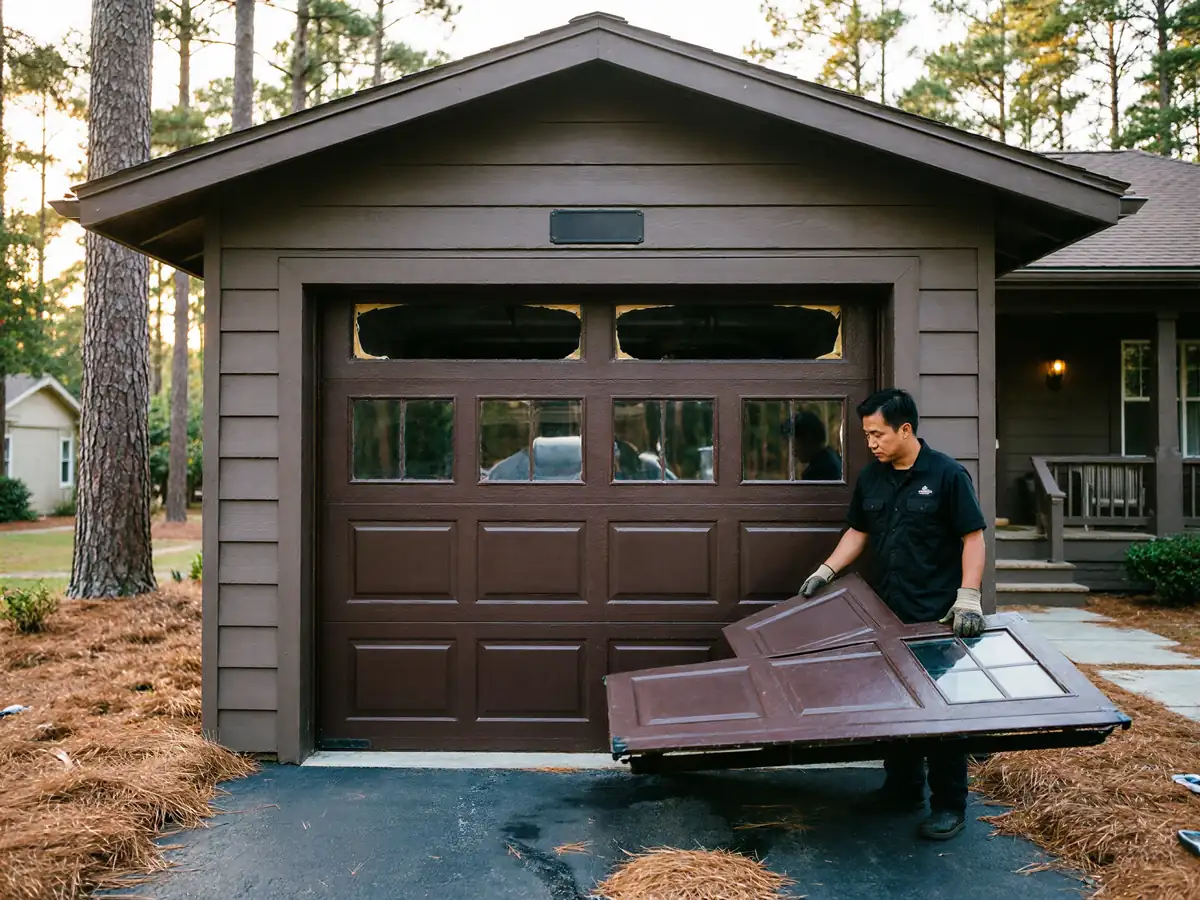
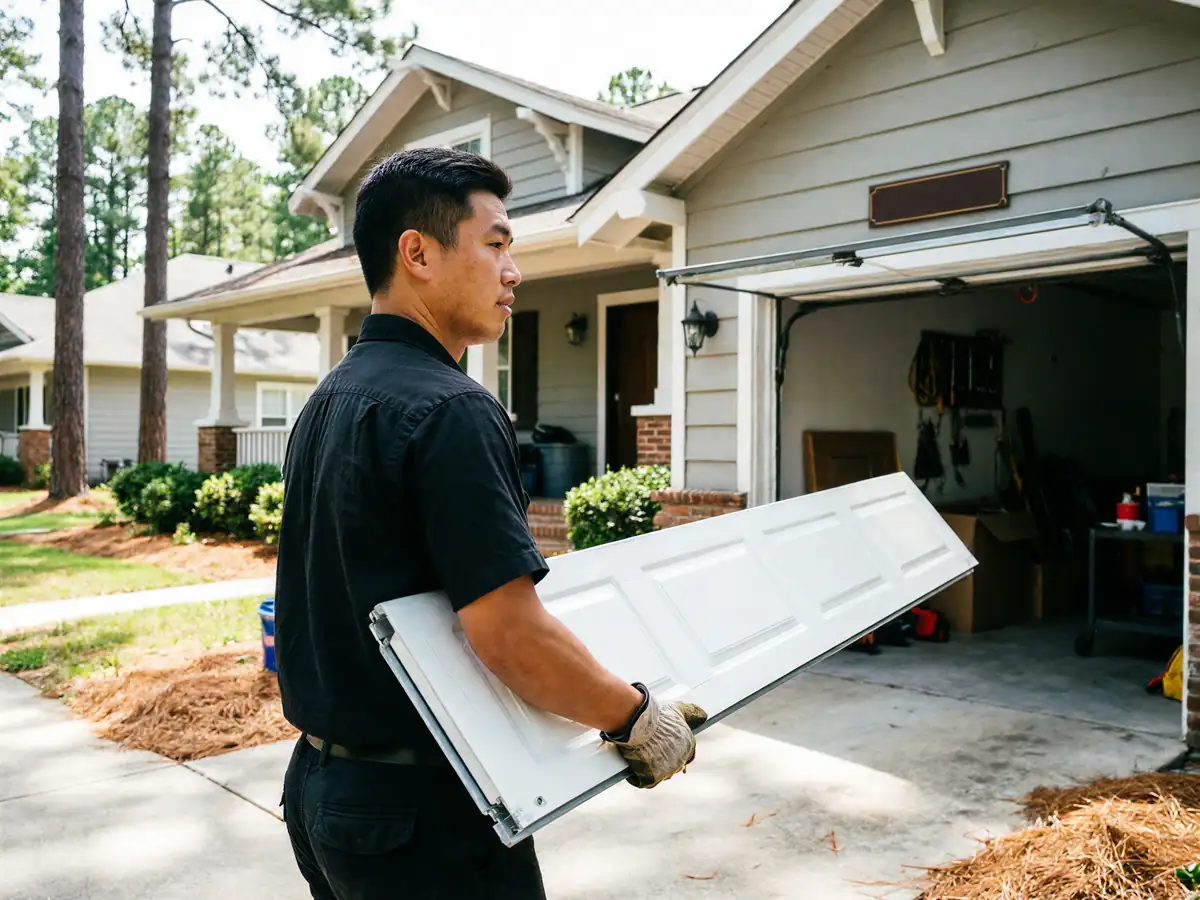
The mistake we see most is someone replacing just the broken spring and leaving the matching spring on the other side, which is original and just as old. It holds for a while, then fails a few months later, usually at a worse moment. Another one: homeowners painting over rust on a steel panel instead of addressing what's underneath, which looks fine until the panel finally gives at the bottom corner. And because we're driving in from Hampton rather than running a local crew, a job that turns out to need a special-order part - an obsolete spring size or a panel style no longer made - means a second trip instead of a same-day fix. We'll tell you on-site if that's where your repair is headed, rather than let you assume it's a one-visit job.