The Symptom
The door drops crooked on one side
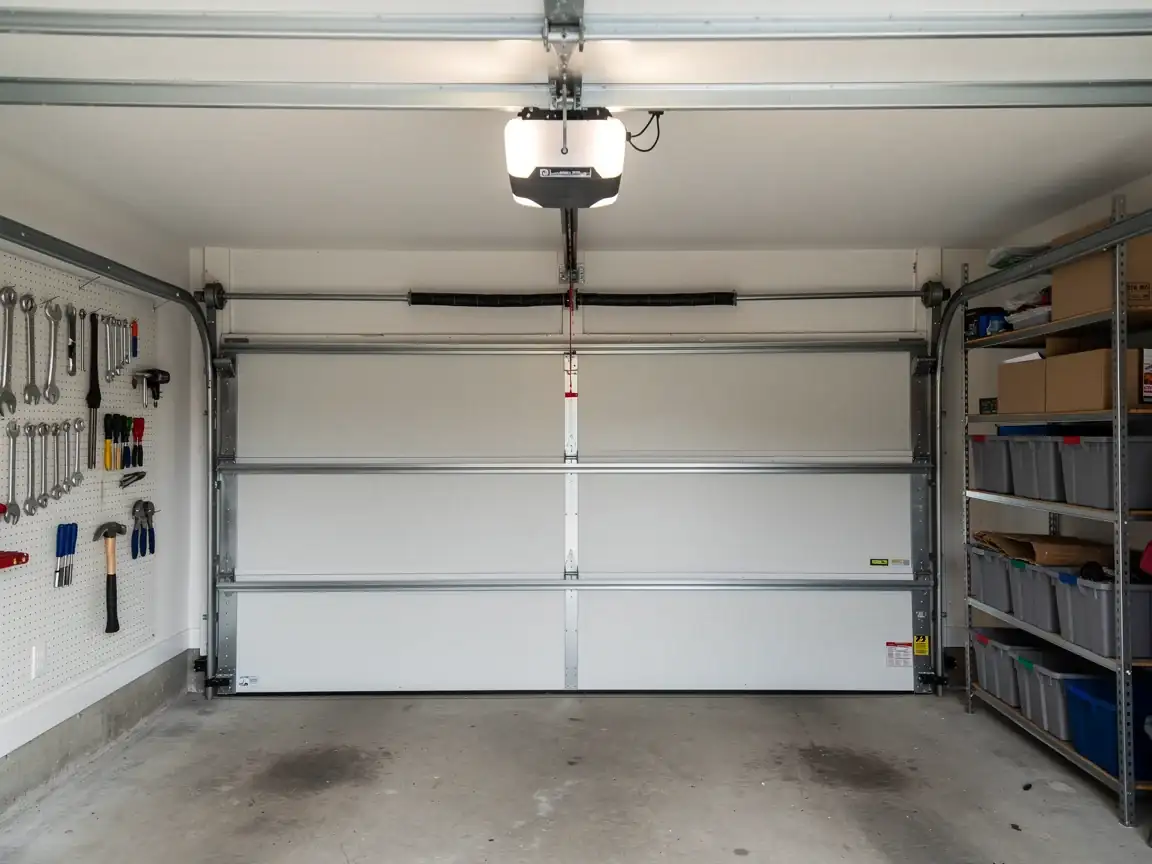
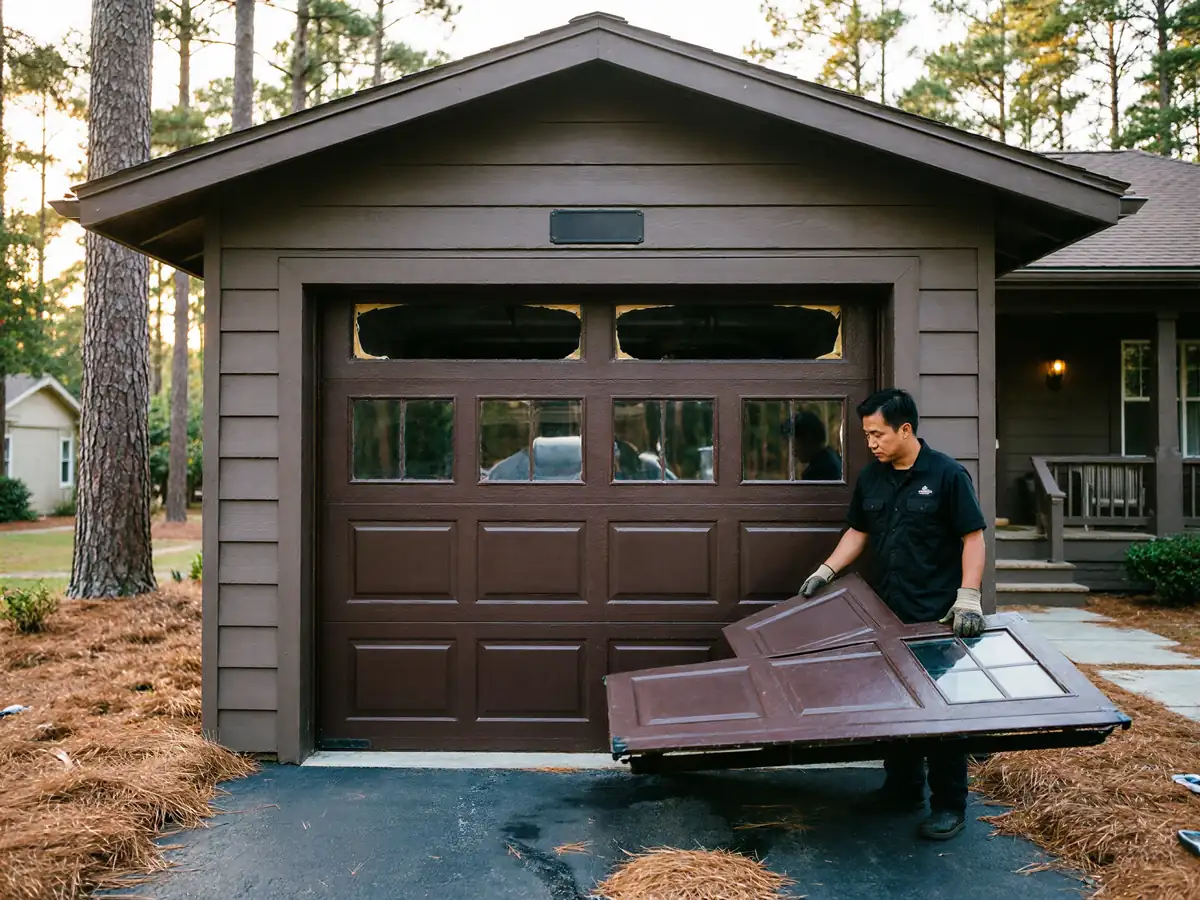
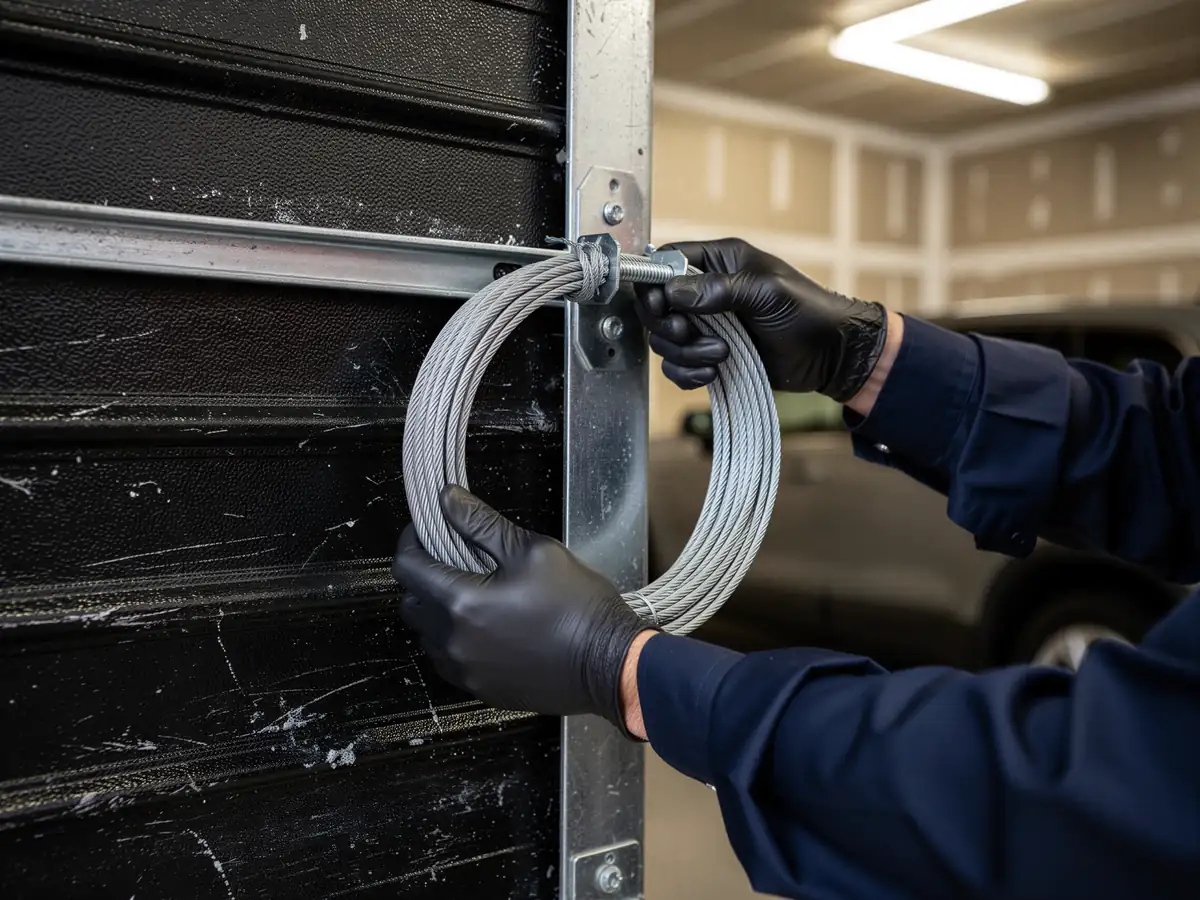
Or it won't move at all and you can hear the opener motor straining against nothing. Sometimes there's a loud bang first - that's the cable letting go, usually at the drum end where it wraps and unwraps thousands of times a year. On a torsion setup, a snapped cable on one side lets that side of the door fall while the other stays up, which is how you end up with a door racked sideways in the track.
Smithfield's housing stock skews newer than a lot of what we see closer to Hampton
The median build year here runs around 1992, which puts most of these garages a solid 15 years past the broader area's 1977 median. That matters for cable repair because doors from the early 90s onward were more commonly built with torsion spring systems and factory-wound galvanized cables rather than the older extension-spring, exposed-cable setups common on 1960s and 70s construction. The failure mode is usually fatigue from cycle count, not the rust-through you see on an older coated cable that's been sitting exposed near salt air for three decades.
- 15 years
Doing It Yourself
A torsion cable is under real tension even with the door down, and the drum it winds onto is connected to a spring that can put you in the hospital if you loosen the wrong bolt. We're not going to walk you through winding bars and drum set screws here - that's not a YouTube-safe repair on a torsion system, and most manufacturers don't sell the parts to homeowners for exactly that reason.
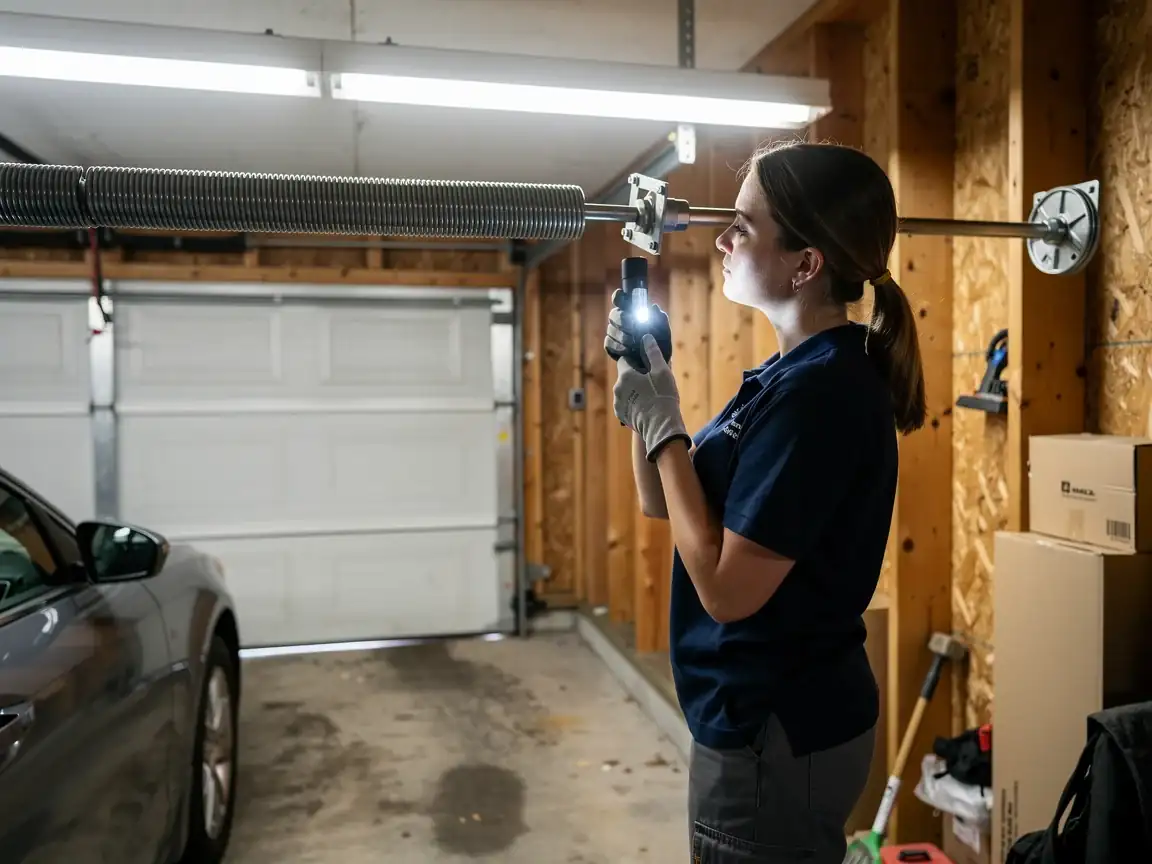
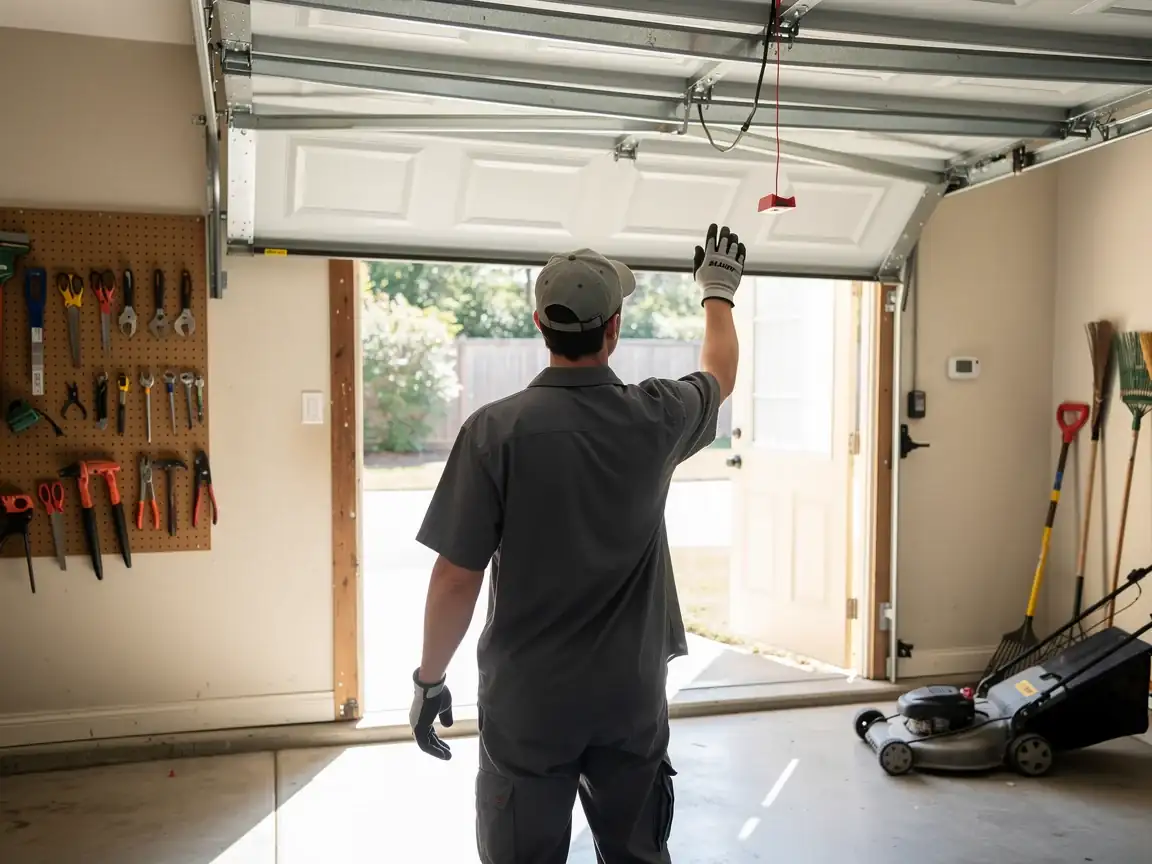
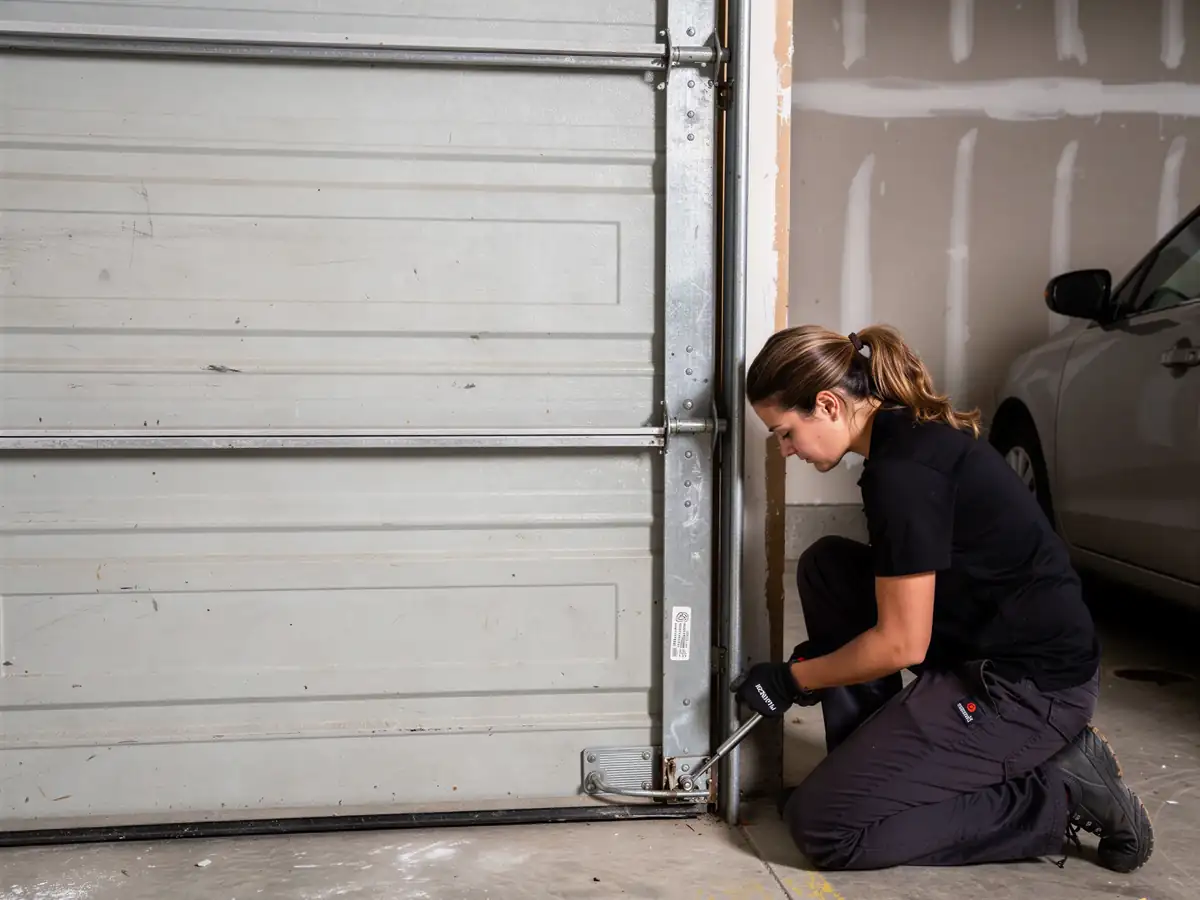
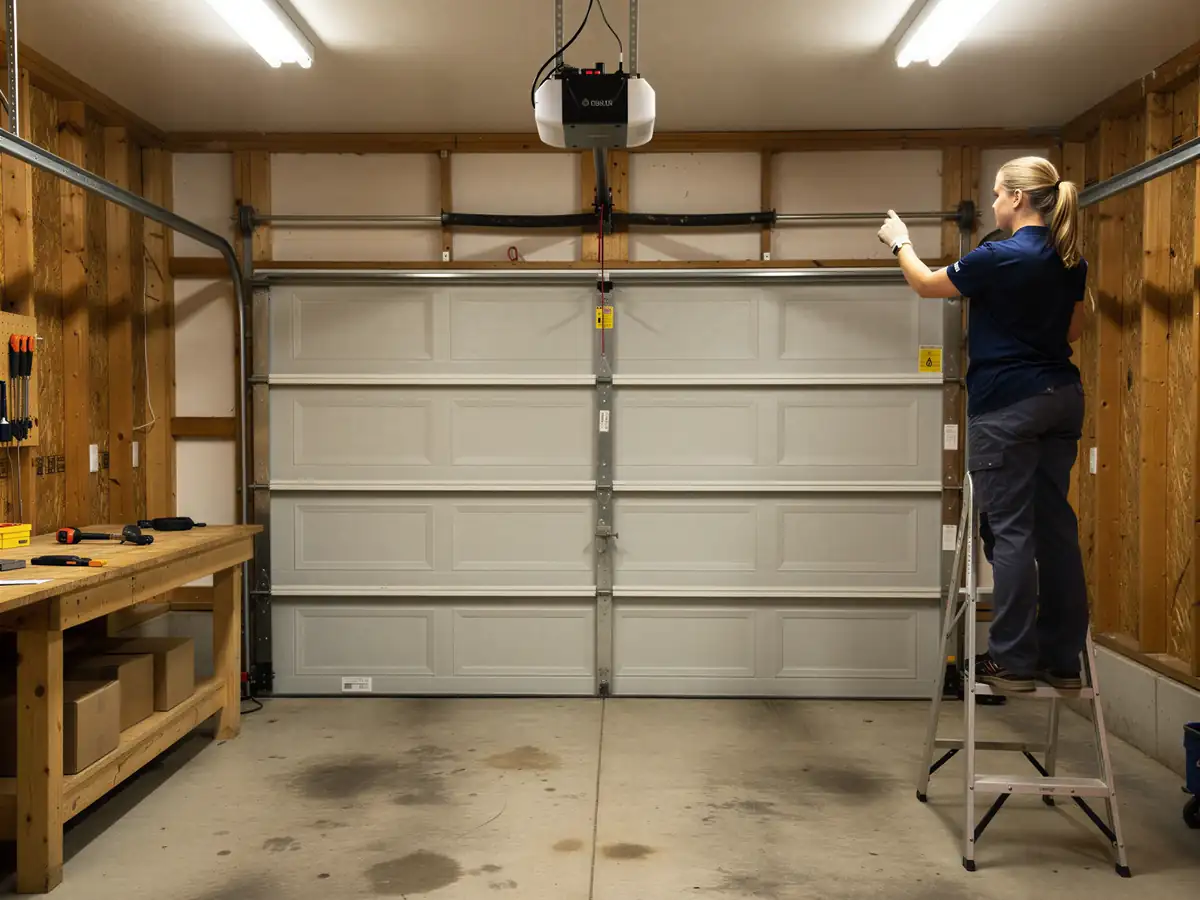
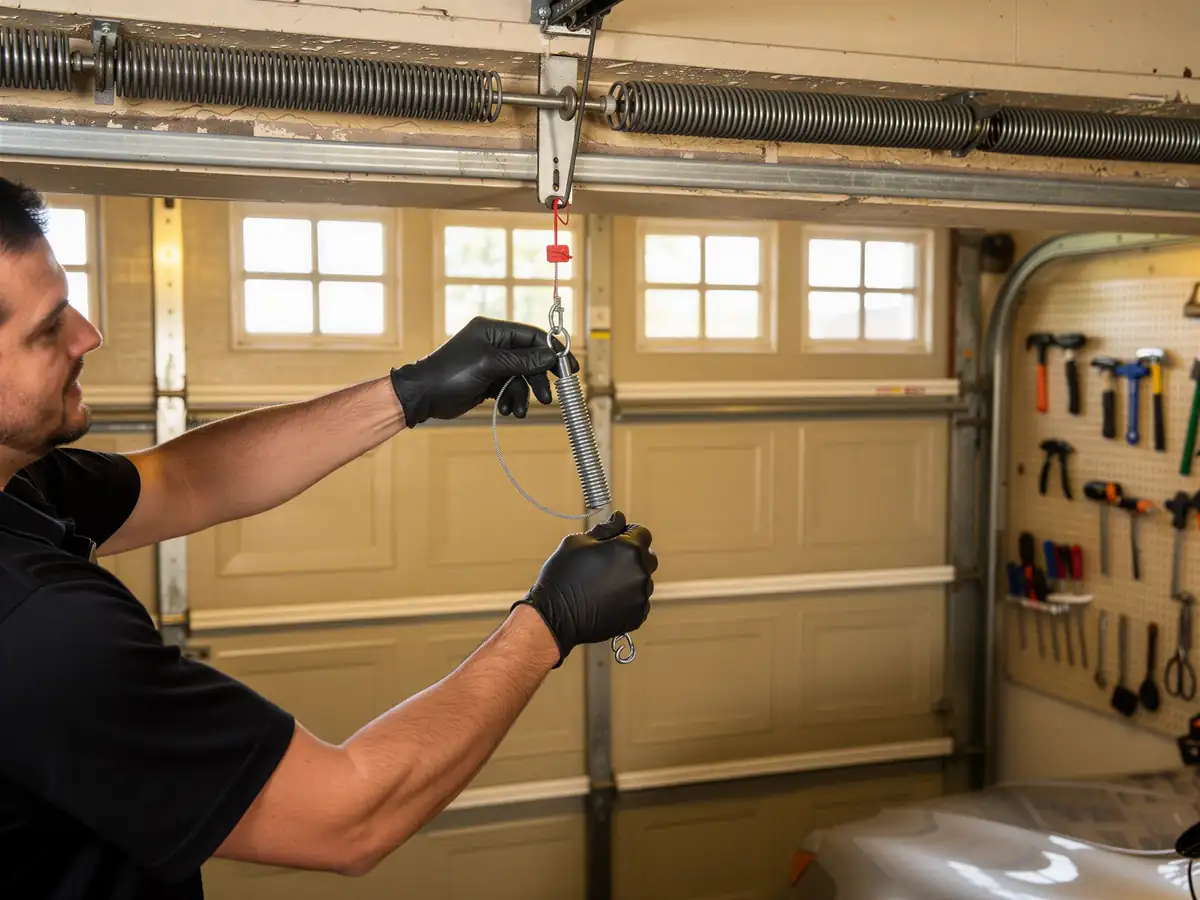
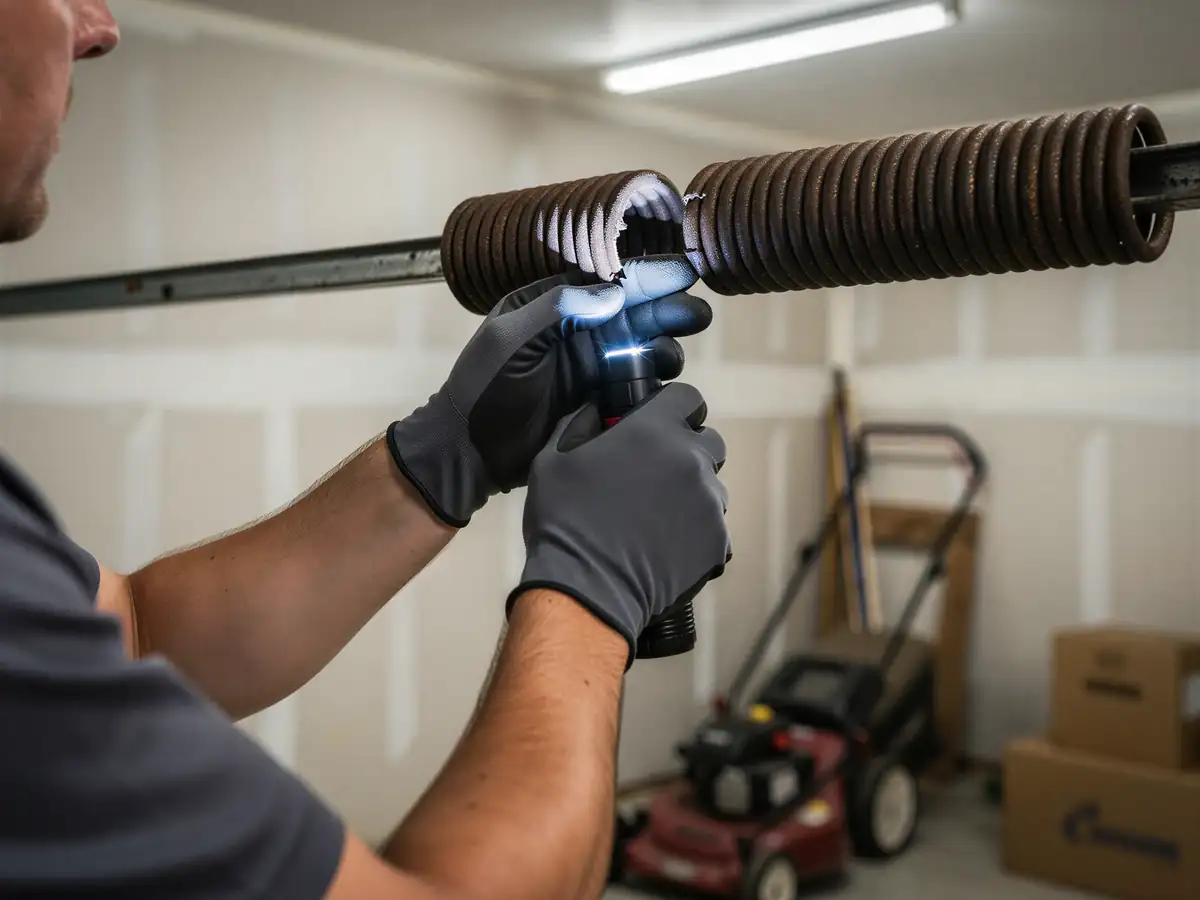
What you can safely do is look. With the opener disconnected and the door manually lifted partway (carefully, and only if it's not already jammed), check whether the cable has come off the drum, frayed near the bottom bracket, or snapped clean. That tells you what you're calling about, and it tells us whether to bring a replacement cable only or a full drum-and-cable set. If the spring itself looks stretched, distorted, or one coil overlapping another, don't touch it - that's a separate failure riding on top of the cable problem.
Where This Job Goes Sideways
A straightforward cable swap turns into a bigger job when the drum is grooved or chewed up from the cable walking off during the failure - which happens more on torsion systems than the older extension setups, because the drum takes the load directly. If the drum's damaged, replacing just the cable gets you a door that holds for a week and fails again.
It also goes sideways when the track has bent from the door dropping unevenly, which is common when only one cable lets go and the opposite side keeps pulling. At that point you're not just replacing a cable, you're straightening or swapping track sections, and on a heavier insulated door - more typical in homes built from the early 90s on, where energy codes started pushing two-layer doors - that extra weight is part of why we don't recommend forcing a dropped door back into position yourself.
How Long It Takes
We work out of Hampton and Smithfield sits about 18 miles out
So factor that into when you call versus when the truck shows up - we don't keep a branch or stock depot in town. Once we're on site, a single-cable torsion repair is usually the fastest job on the truck: match the cable gauge and length, wind it onto the drum under the spring's tension, and check that the door tracks level on both sides.
- 18 miles
If the drum or track needs replacing too, plan on more time
Since those parts aren't always something we're carrying for every door width and spring size. We'll tell you on the phone or at the door which situation you're in before we start pulling anything apart, not after.