Doing It Yourself
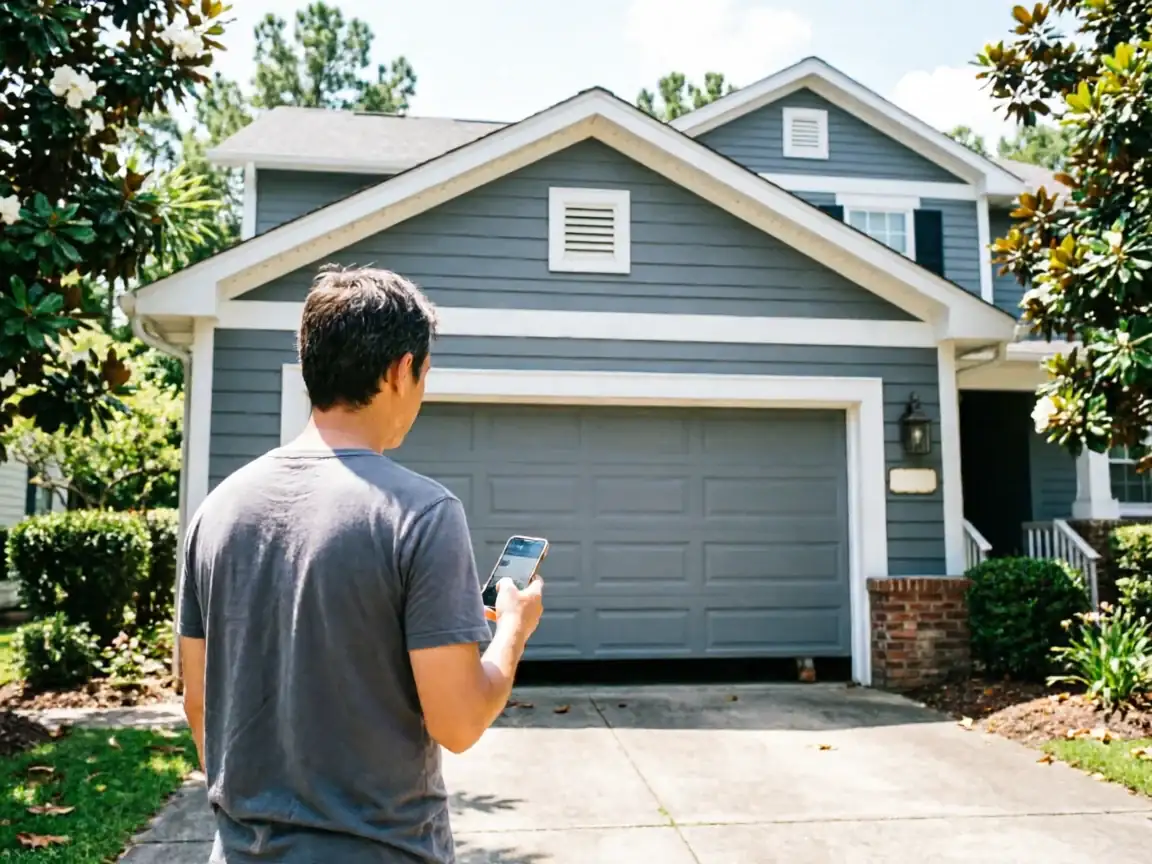
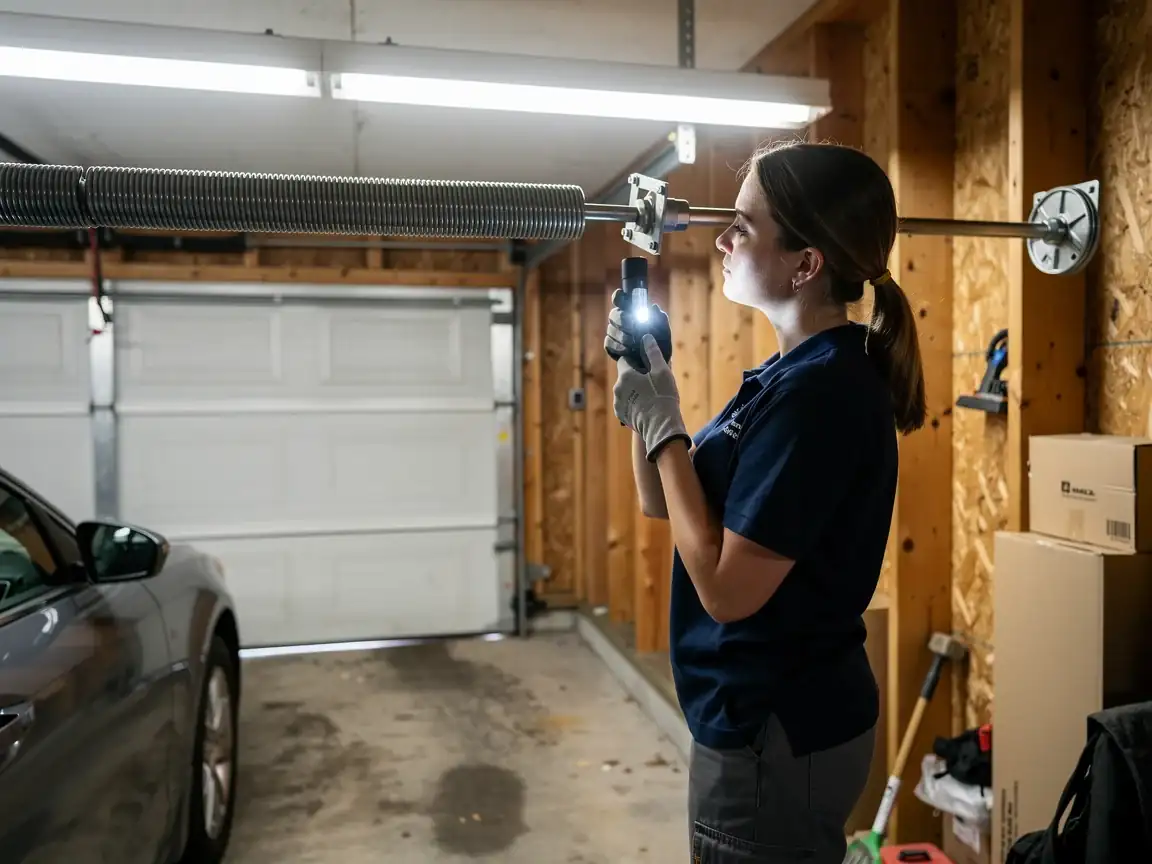
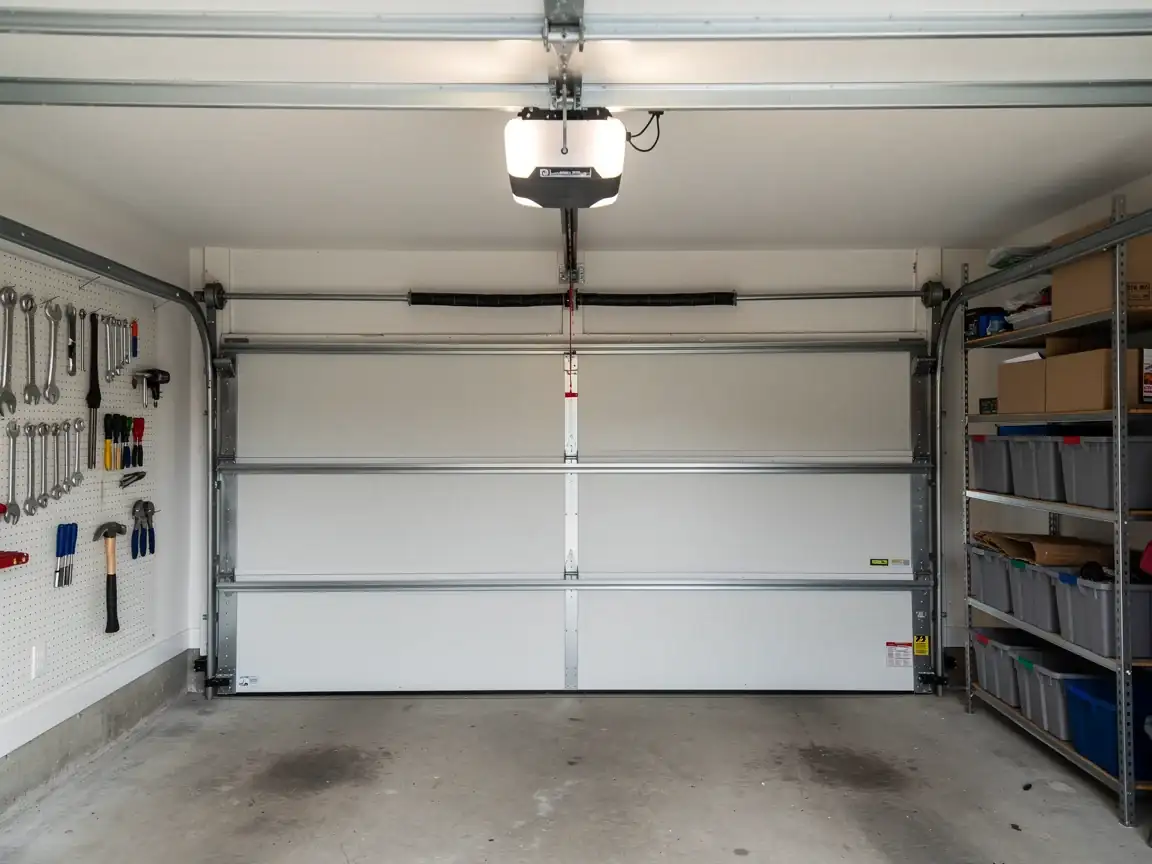
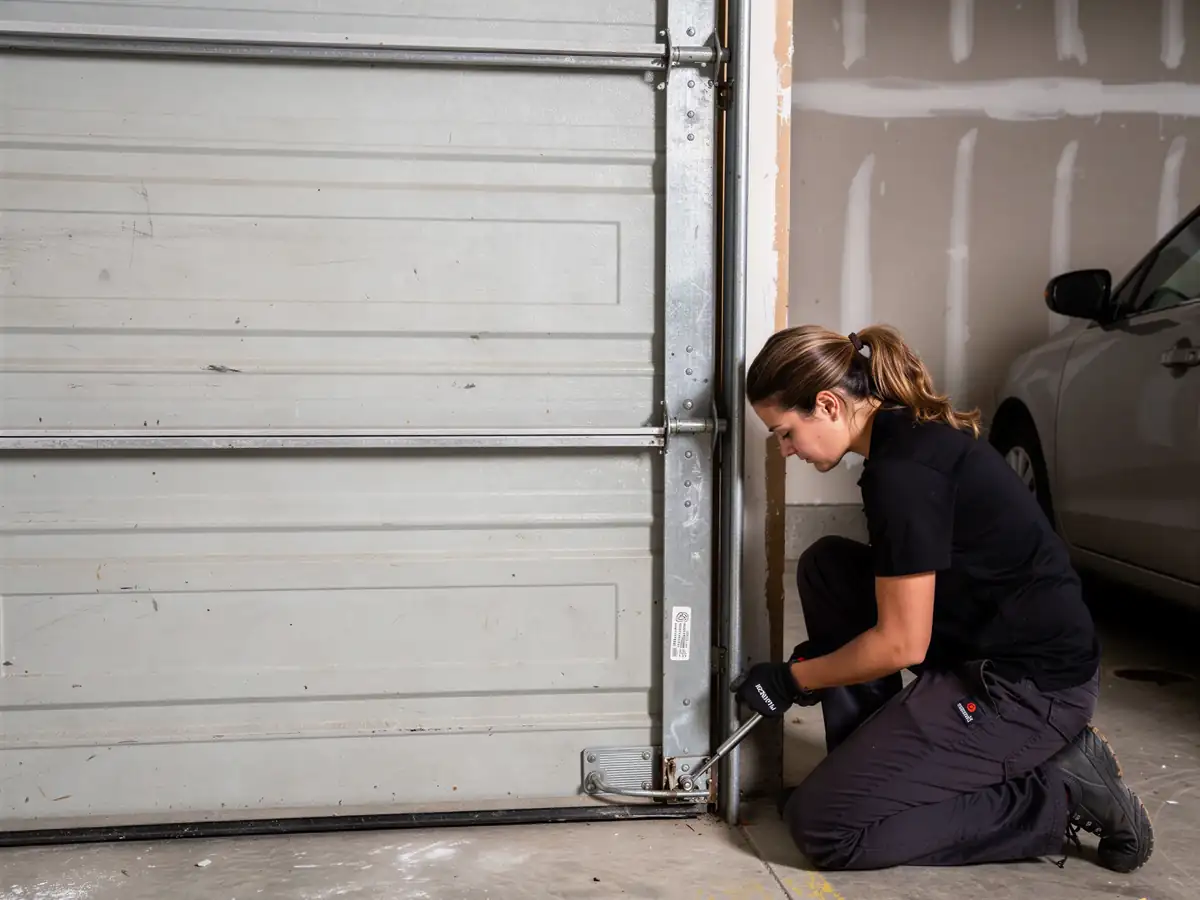
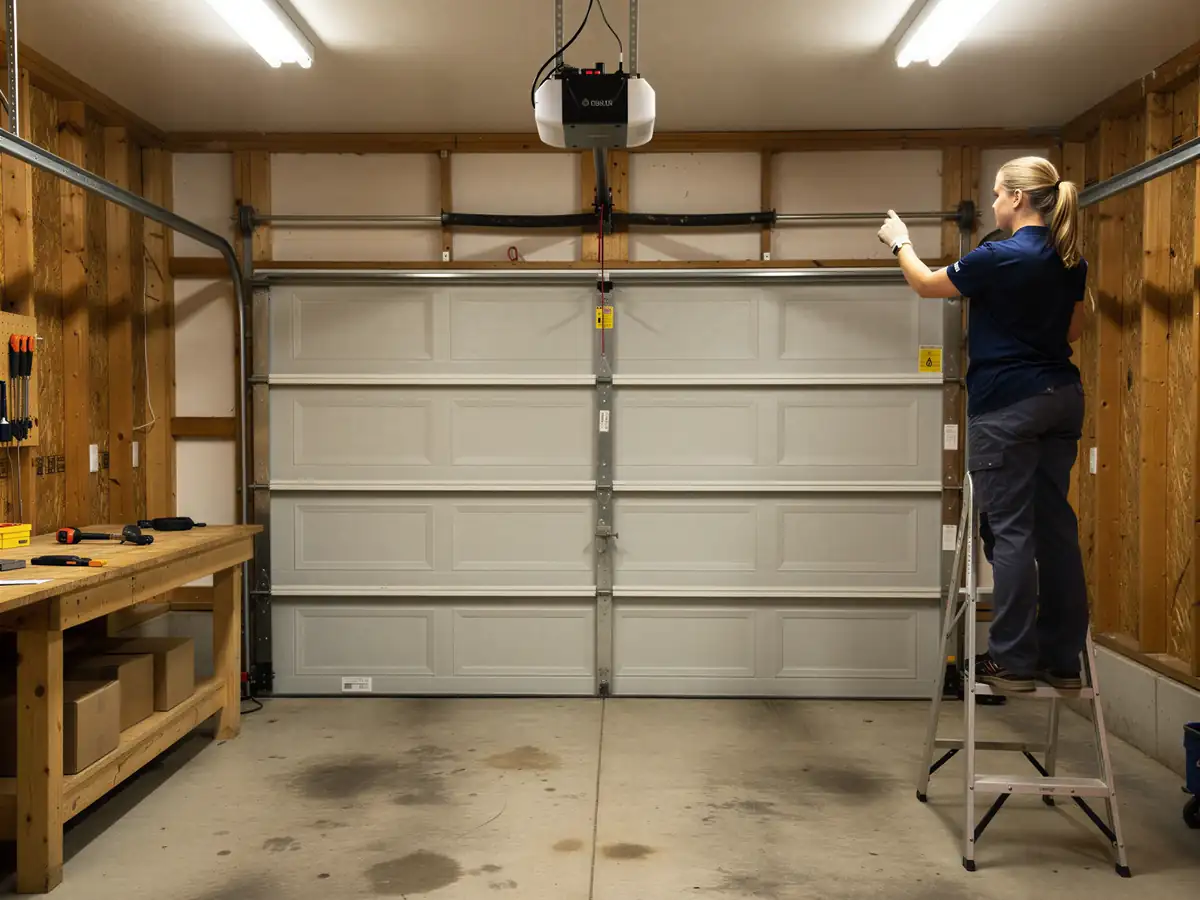
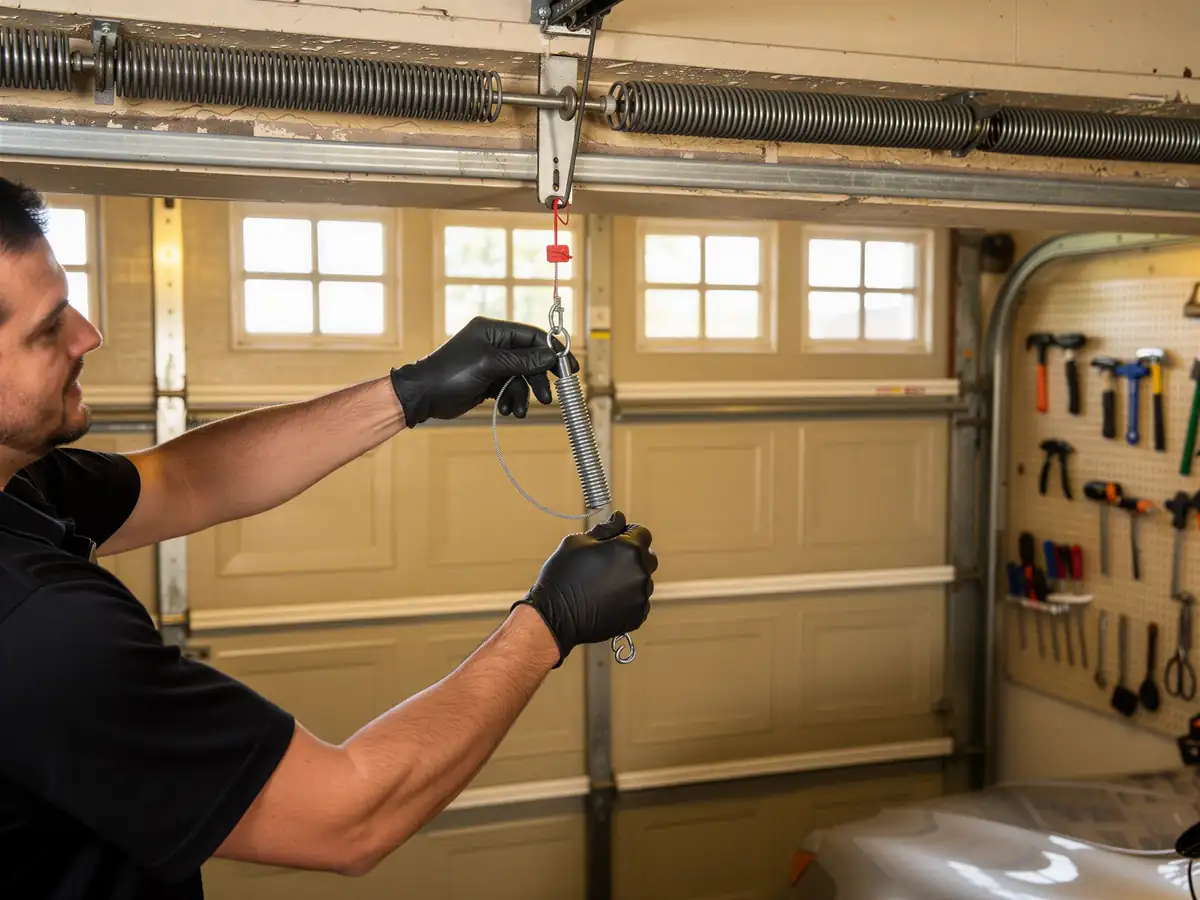
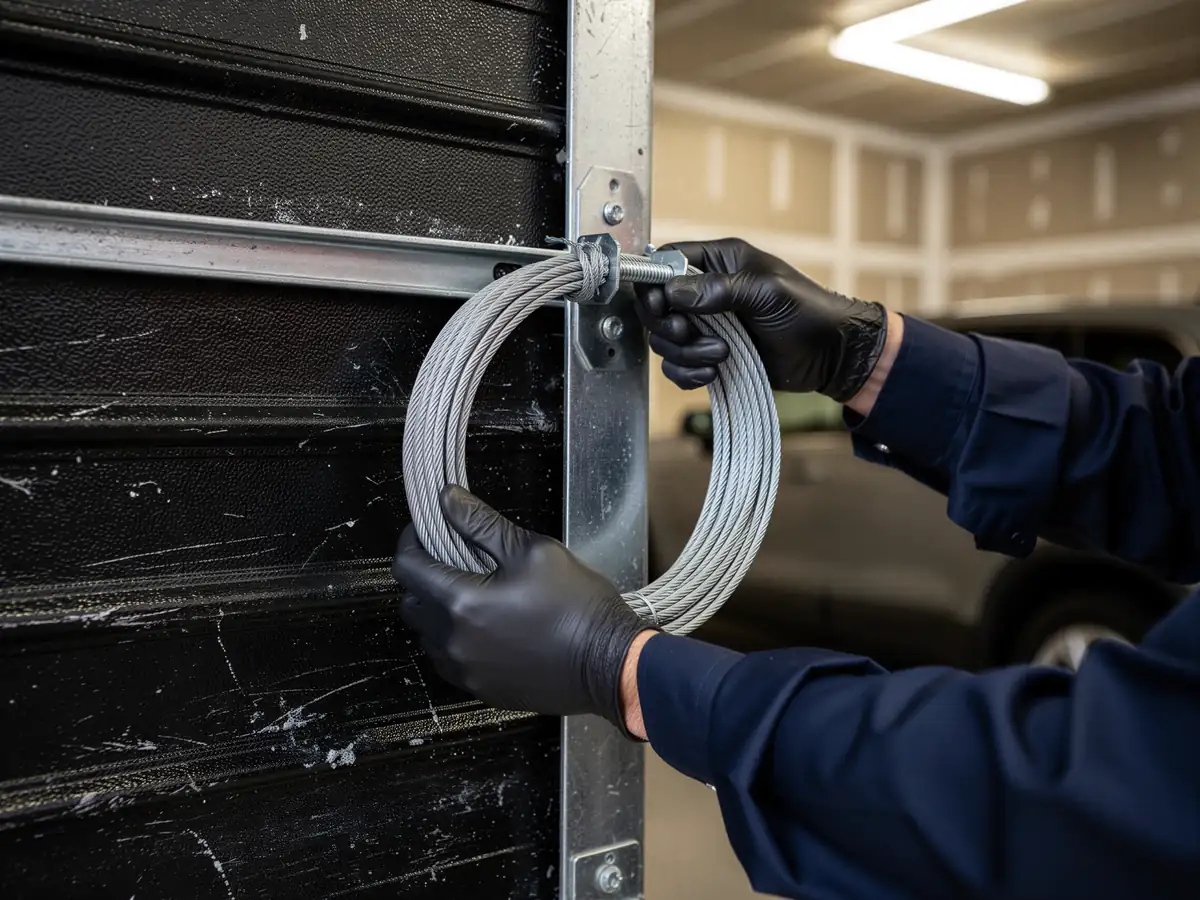
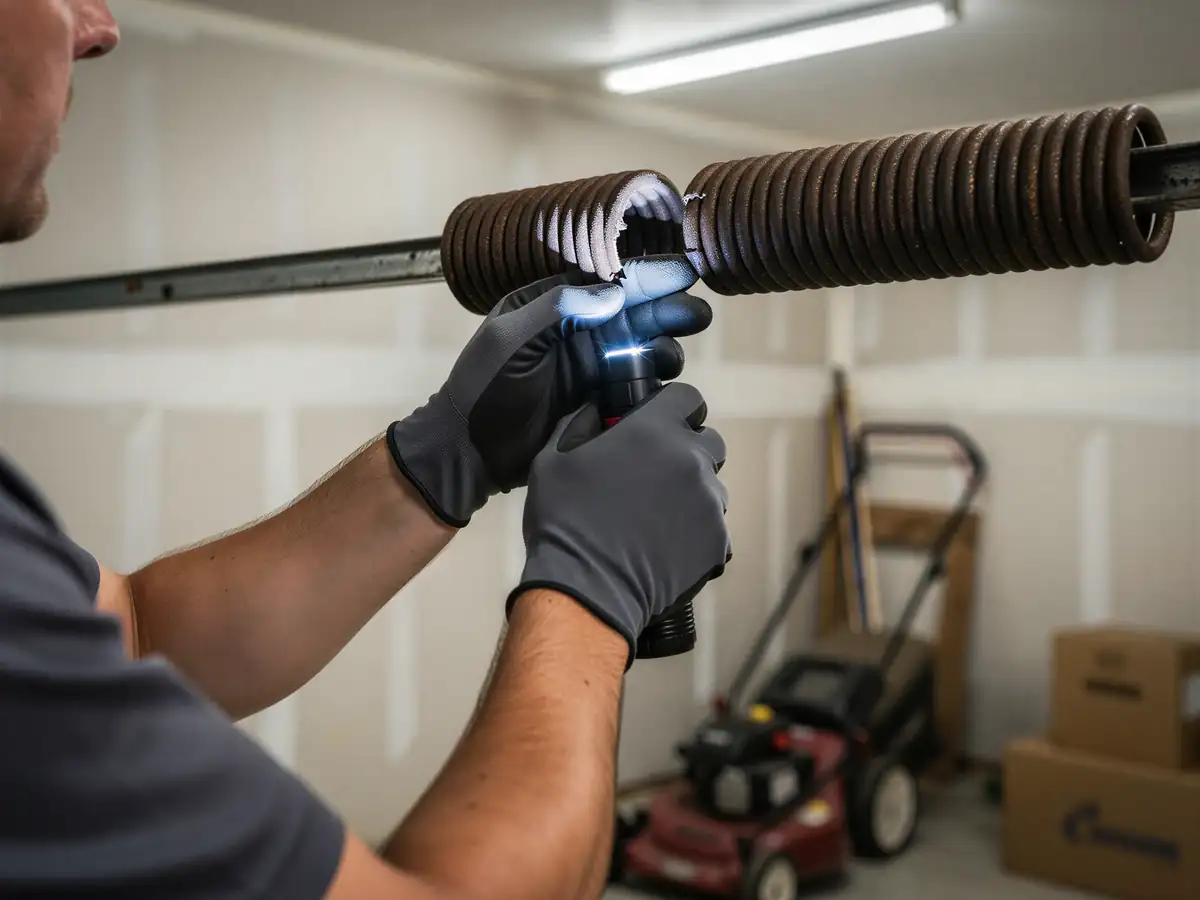
There's a real split between what's safe to check yourself and what isn't. Tightening a loose bracket, clearing a track of leaves and dirt, checking that the photo-eye sensors near the floor aren't knocked out of alignment - all fine, all things an owner can do with a ladder and ten minutes. A broken torsion spring is not on that list. These springs store enough tension to break a wrist or worse, and on a lot of the doors still running from Smithfield's early-90s building wave, that spring has never been swapped once. If the door won't budge and you can see a gap in the coiled spring above the door, stop there. Cables under tension carry the same risk. What you can safely rule out yourself: dead garage door opener batteries in the remote, a disconnected safety sensor, or a manual lock switch left engaged. Check those first - it saves you a call for something that takes thirty seconds to fix.
Where This Job Goes Sideways
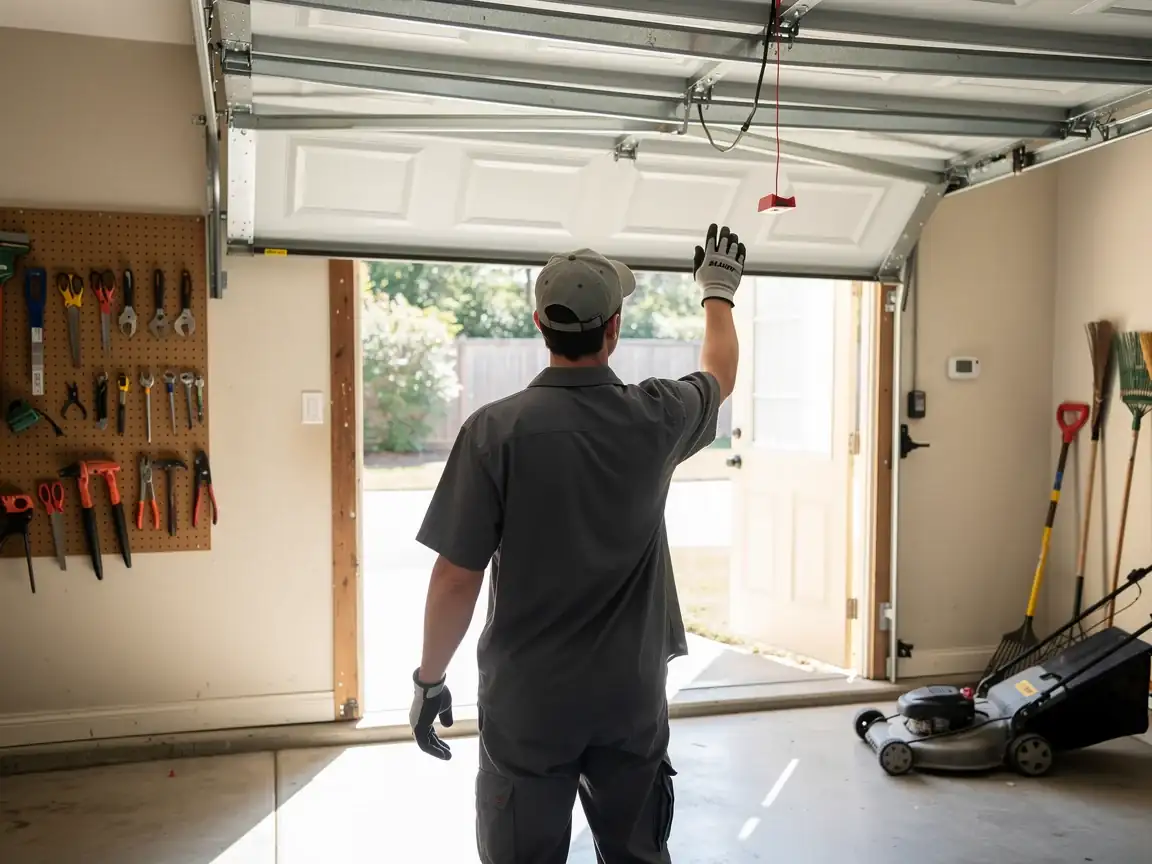
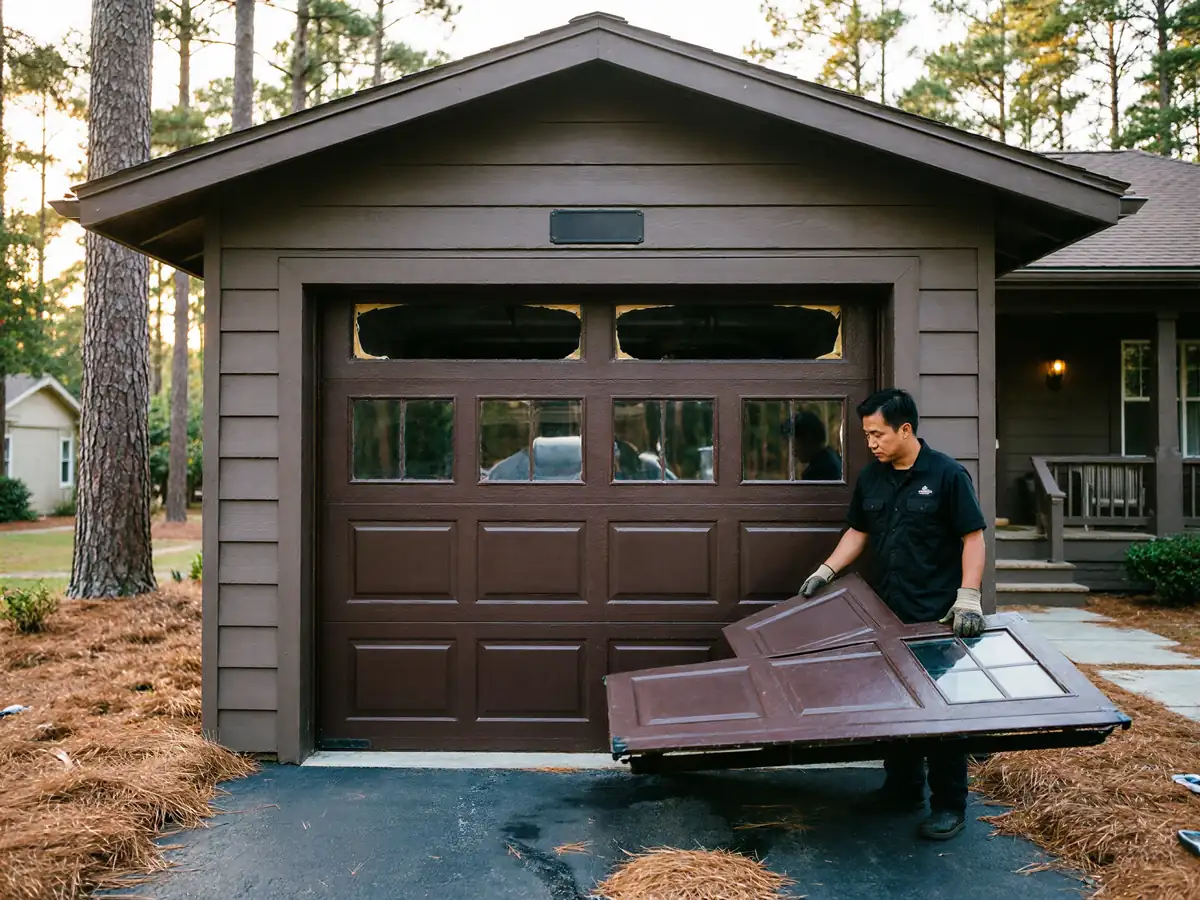
The honest limitation first: we come from Hampton, 18 miles out, so an emergency call to Smithfield isn't a five-minute response - plan for the drive time when a door is stuck open overnight. The job itself goes sideways most often on doors still running original 1980s-to-early-90s hardware, where the track is galvanized steel that's pitted enough to bind the rollers, or the opener is a chain-drive unit with a drive gear that's stripped rather than broken clean. At that point a spring replacement alone doesn't fix it - the whole system is tired. Smithfield's median household income runs higher than the broader service area's $90,885, and in practice that shows up as owners here choosing to replace a worn spring-and-cable system outright rather than patch it a second time six months later. That's not a sales pitch - it's just what we see when the alternative is paying for two service calls on the same door.