The Symptom
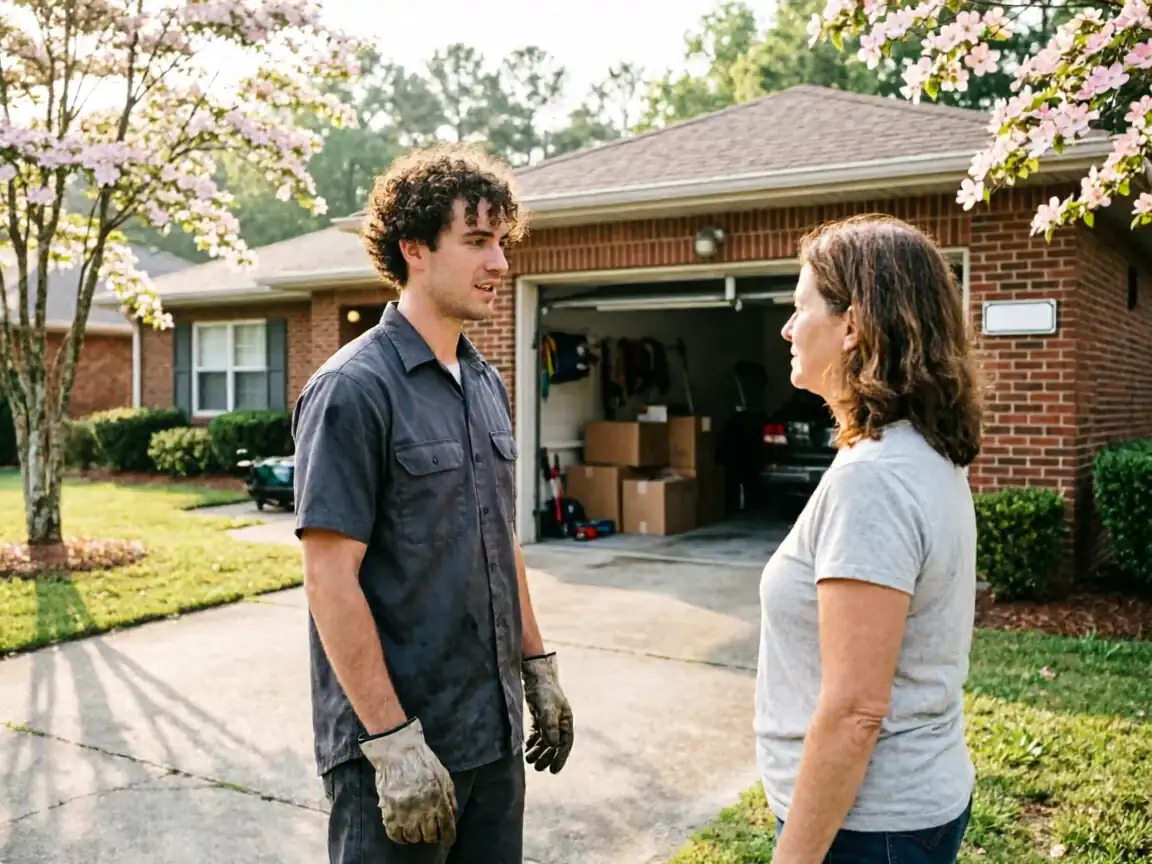
Smithfield sits about 18 miles from our shop in Hampton
Far enough that a spring call here means loading a second spring size onto the truck before we leave, not after we see the door. That drive shapes how we work a job out here more than people expect: we try to diagnose as much as we can over the phone before the truck rolls, because backtracking on an 18-mile round trip costs the whole afternoon.
- 18 miles
The symptom itself is the same one you'd hear about anywhere
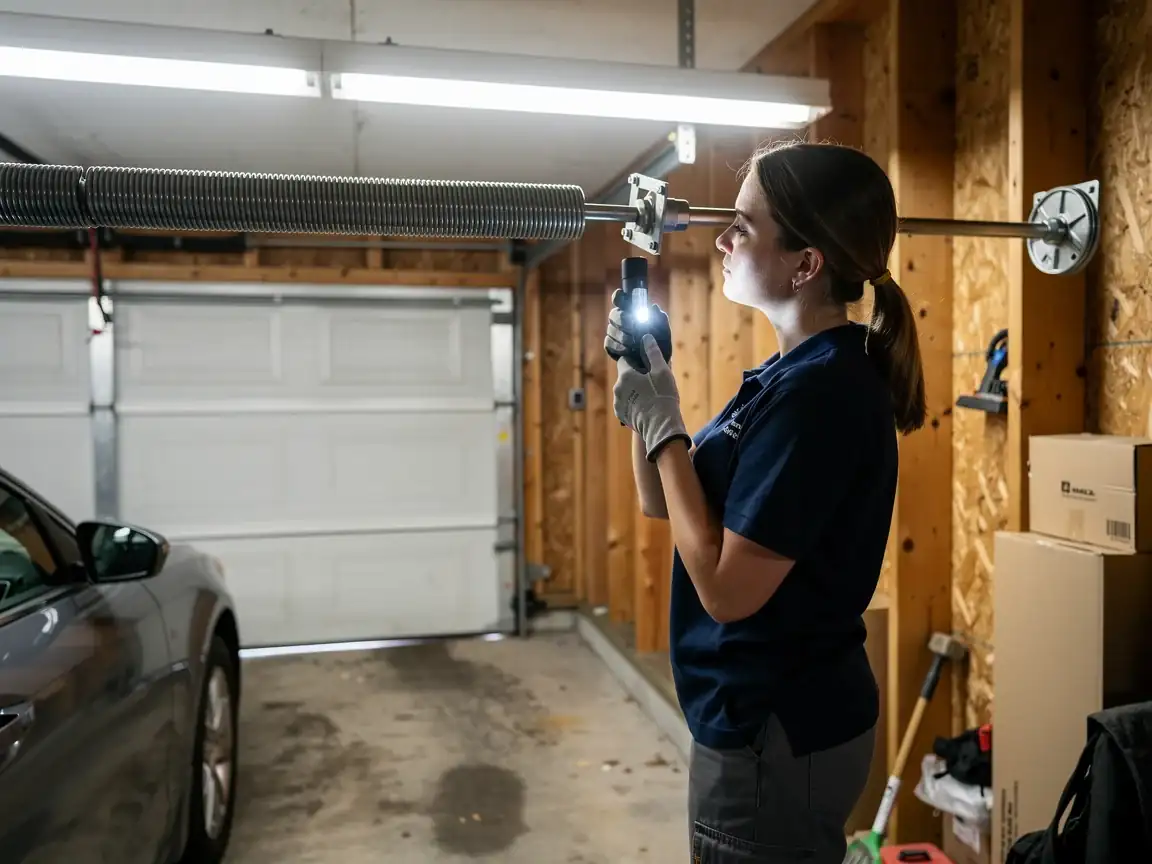
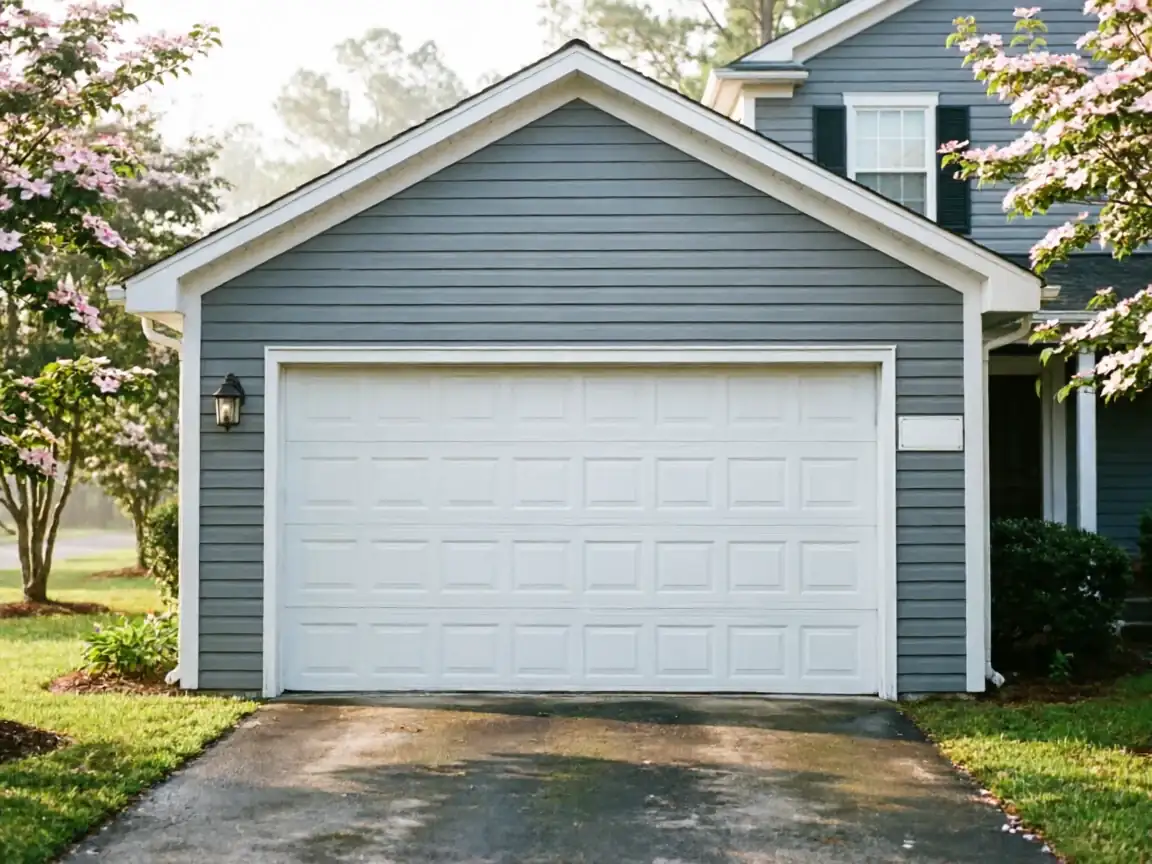
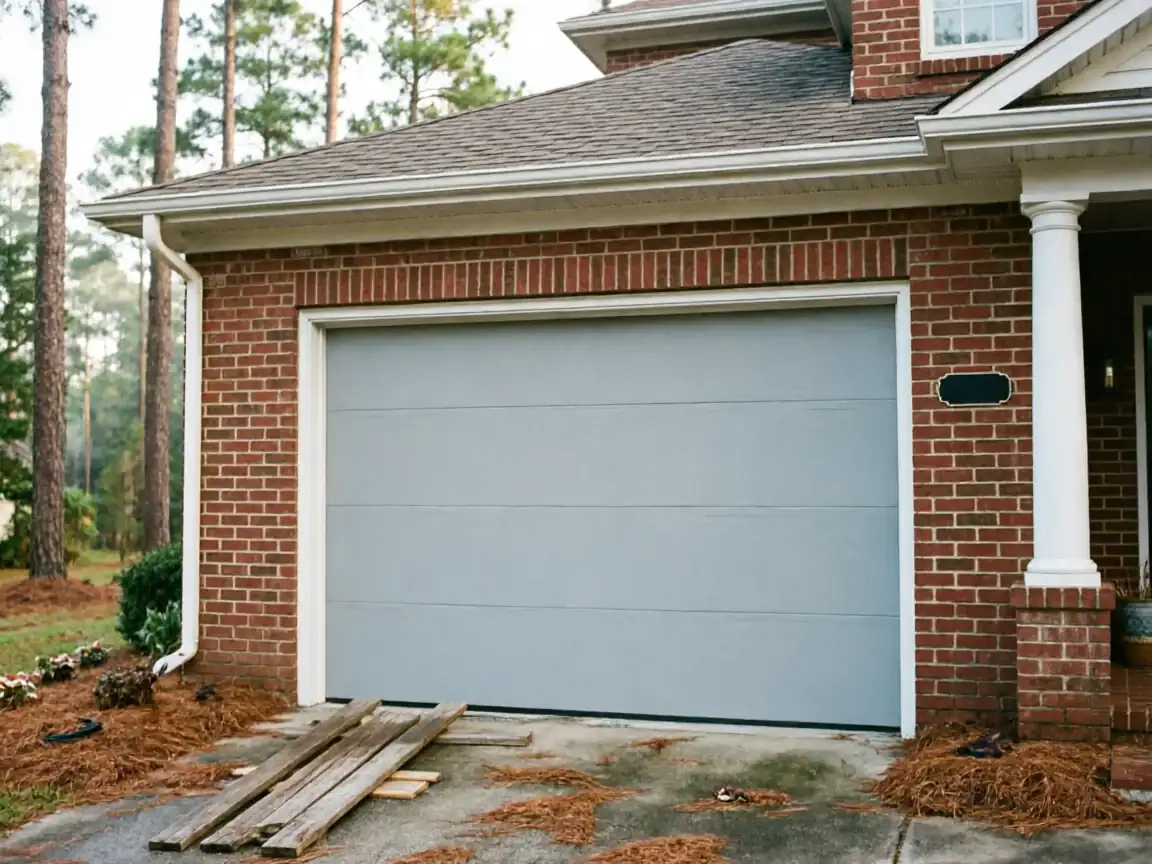
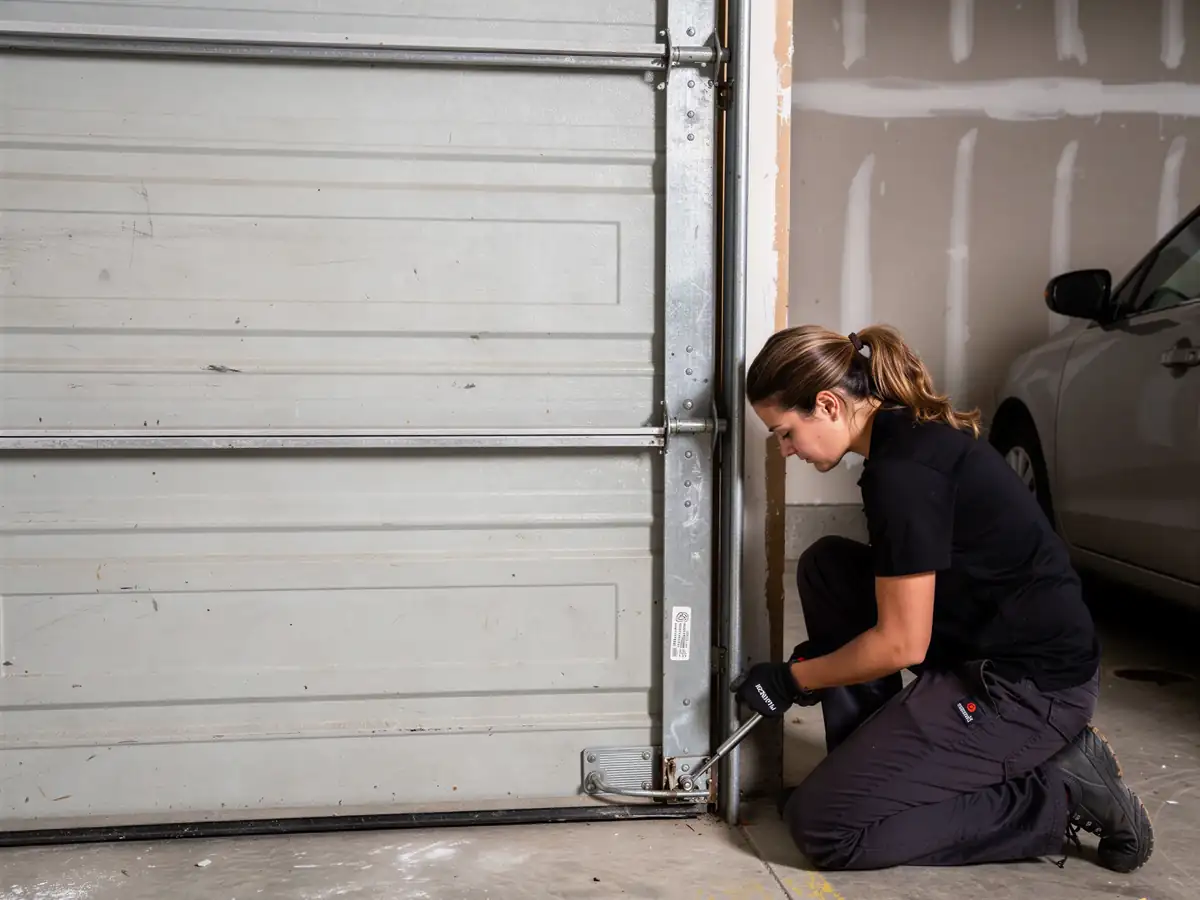
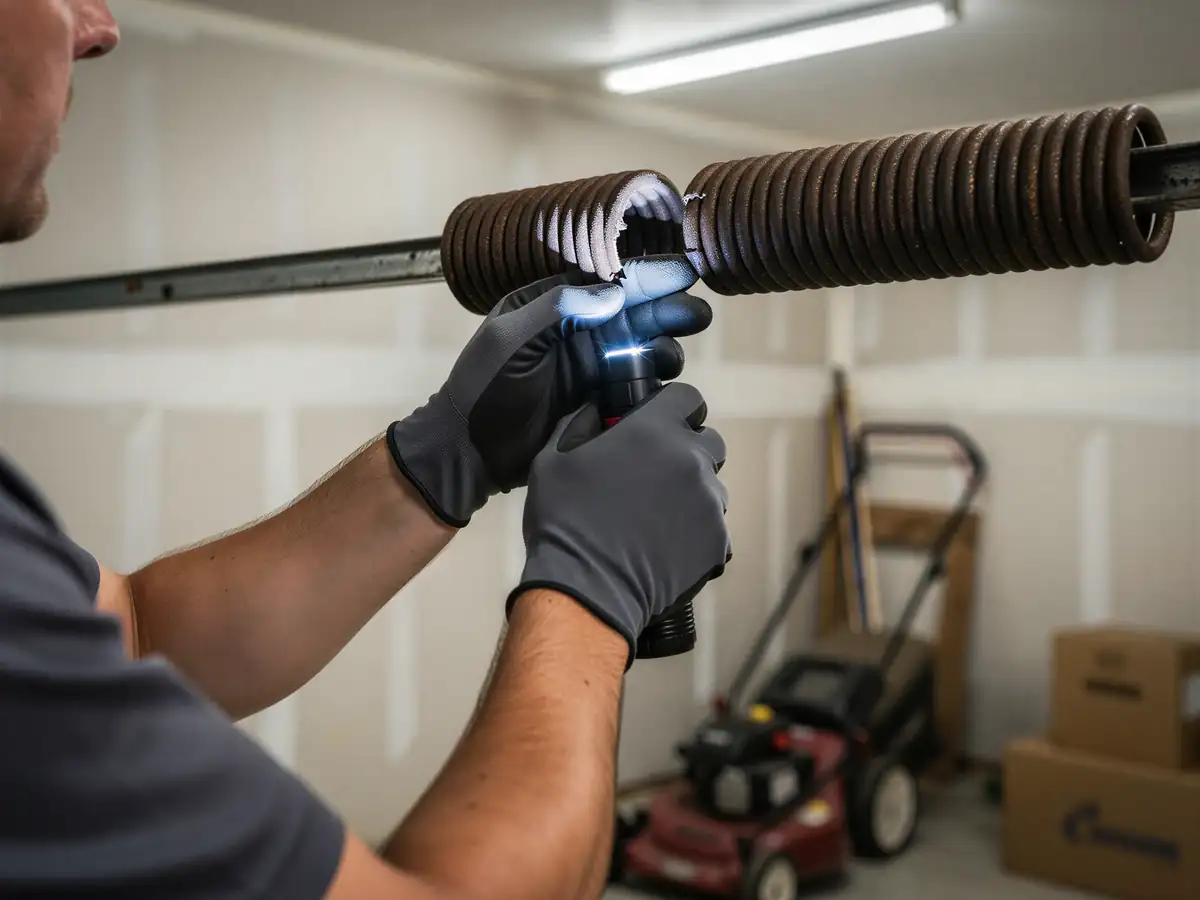
The door won't lift, or it slams down on its own, or you hear a bang from the garage and now the opener just hums without moving anything. A broken torsion spring. What's different here is why it broke. Most houses on this part of Smithfield went up around 1992, a good fifteen years newer than the typical house back in Hampton, so the springs failing out here are failing on cycle count, not on rust eating through a decades-old coil. The door has simply opened and closed enough times to use up the spring's rated life. That's a mechanical wear failure, not a weather or corrosion failure, and it usually means a straight swap rather than a fight with rusted brackets.
Doing It Yourself
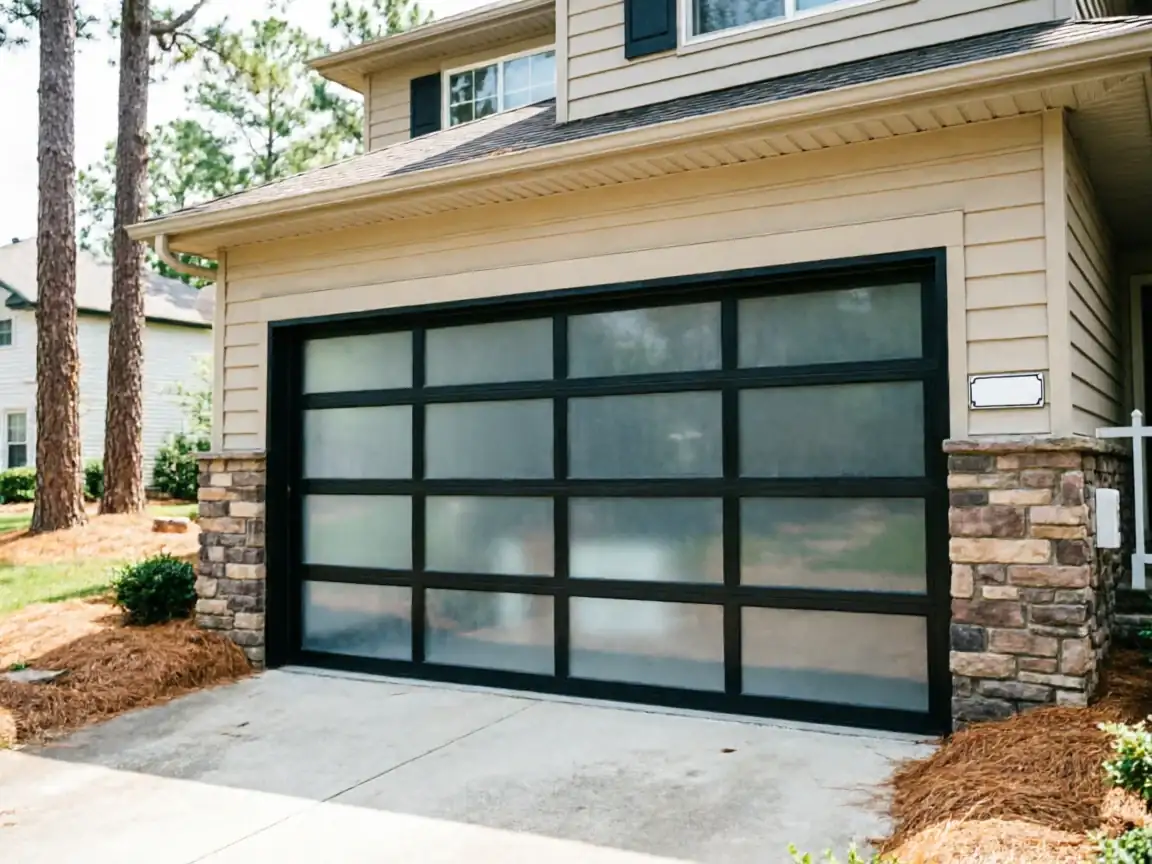
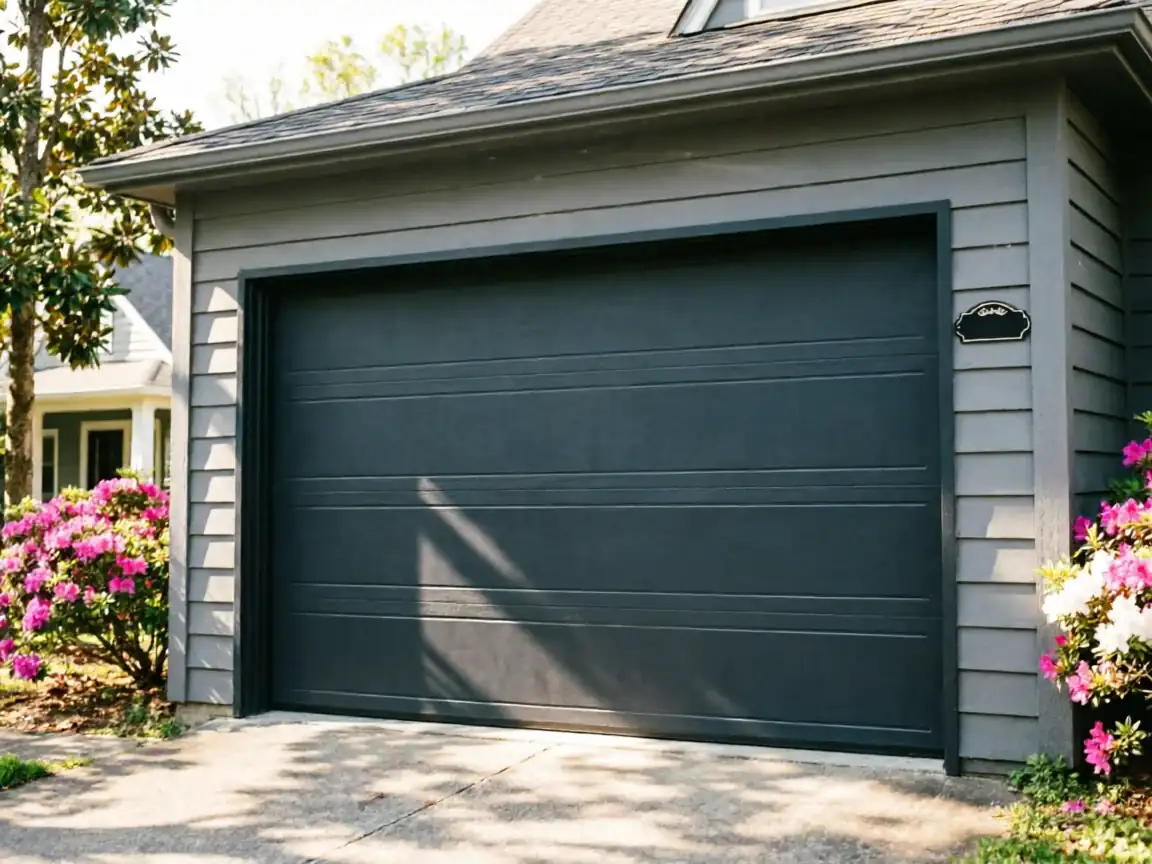
A torsion spring under tension holds enough stored energy to break fingers or worse, and that risk doesn't go away because the house is newer. If anything it's higher here: a median household income of $110,182 in Smithfield is noticeably above the rest of our service area, and it shows in the doors - more insulated steel panels, more belt-drive openers, more springs wound for heavier sections than the plain doors common closer to Hampton. A heavier door means a stiffer spring wound to higher tension, which is exactly the kind you don't want to unwind with vise grips and a stepladder.
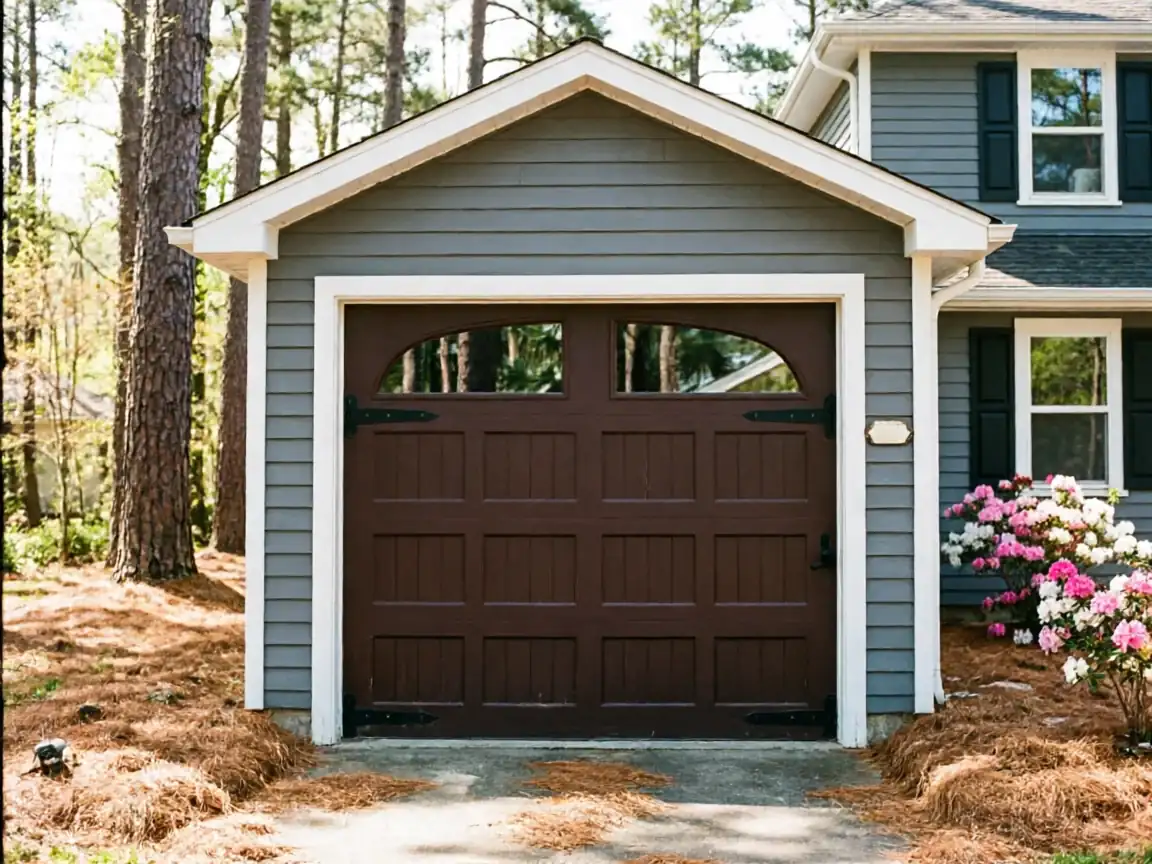
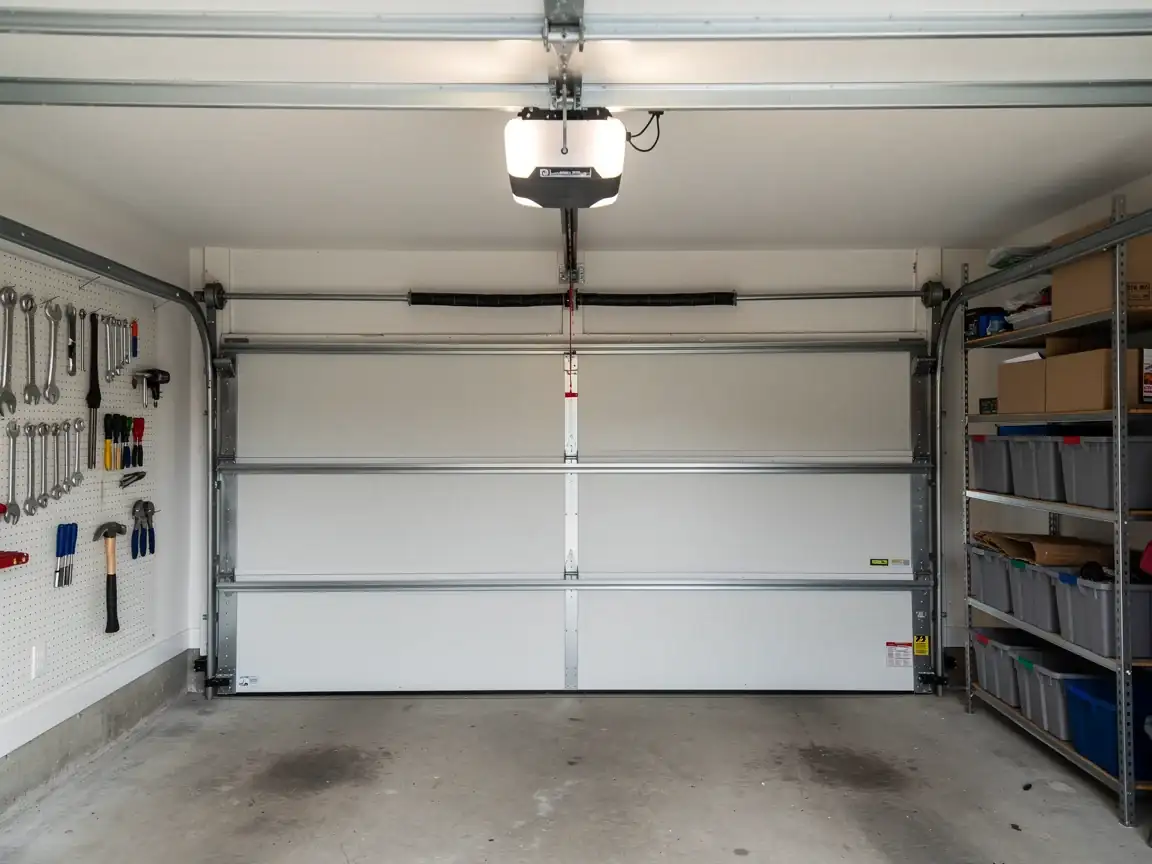
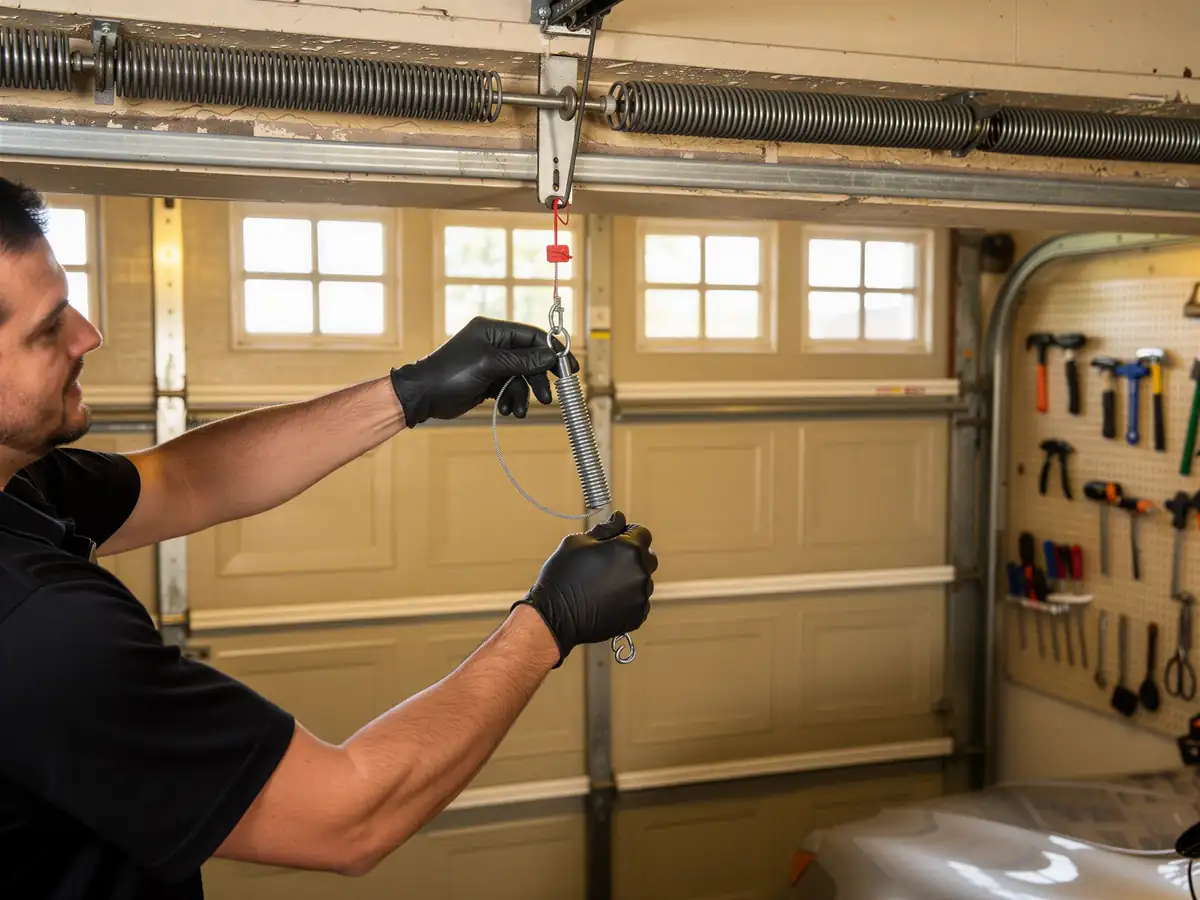
Extension springs, the kind that stretch along the horizontal tracks on either side of an older detached garage door, are a different animal and more forgivable to handle yourself if you're careful and the door is light. But if your setup has a torsion bar running across the top of the door with a center spring, or a pair of springs on a double door, that's not a Saturday project. We'll say it plainly: we don't walk customers through a torsion spring swap over the phone. Not because we're protective of the work, but because the failure mode when it goes wrong is a trip to the emergency room, not a redo.
Where This Job Goes Sideways
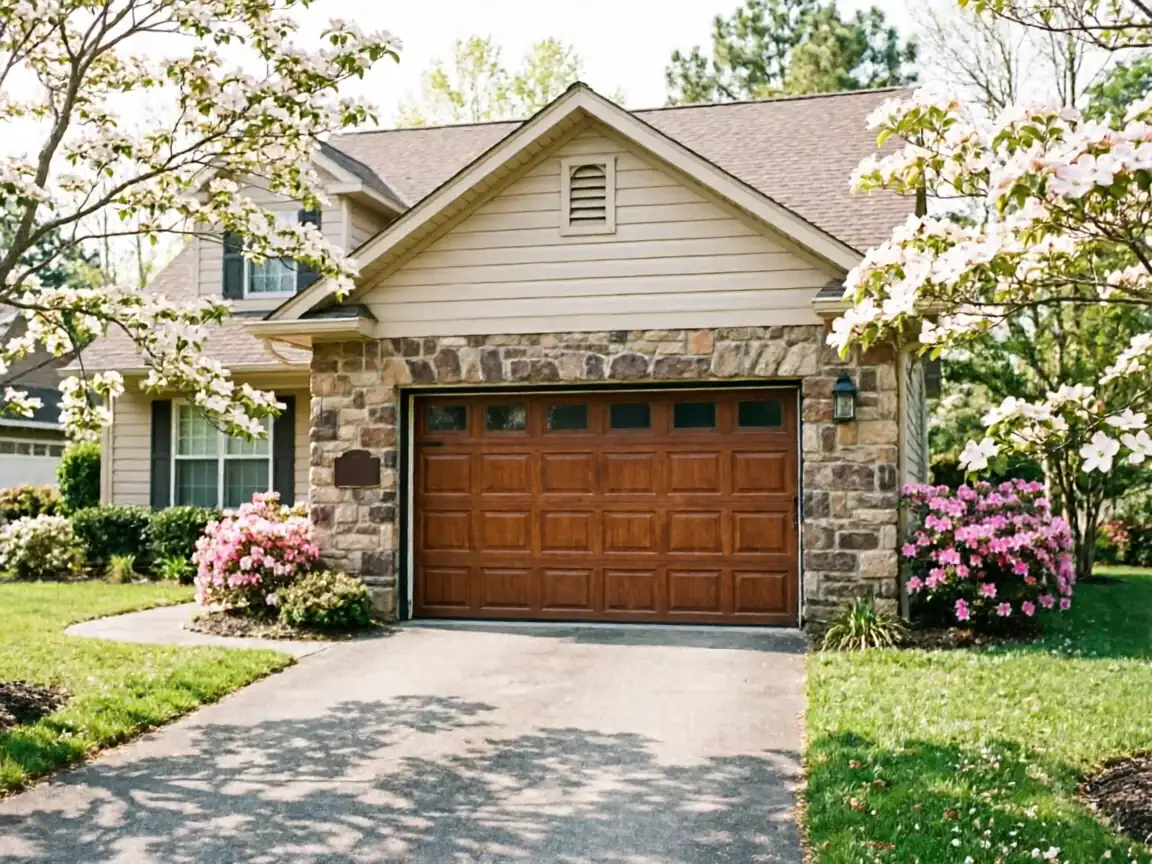
With roughly 3,453 households in Smithfield, the town is a small enough market that we don't carry every torsion spring size on the truck for its newer raised-panel doors - some of those sizes end up on back order instead of in stock. That's the most common way a same-day visit turns into a two-trip job: we get out, confirm it's a 1992-era door with a wind or wire gauge we don't carry, and have to order the exact match rather than force a close-enough substitute that wears out the opener early or binds the door on its tracks.
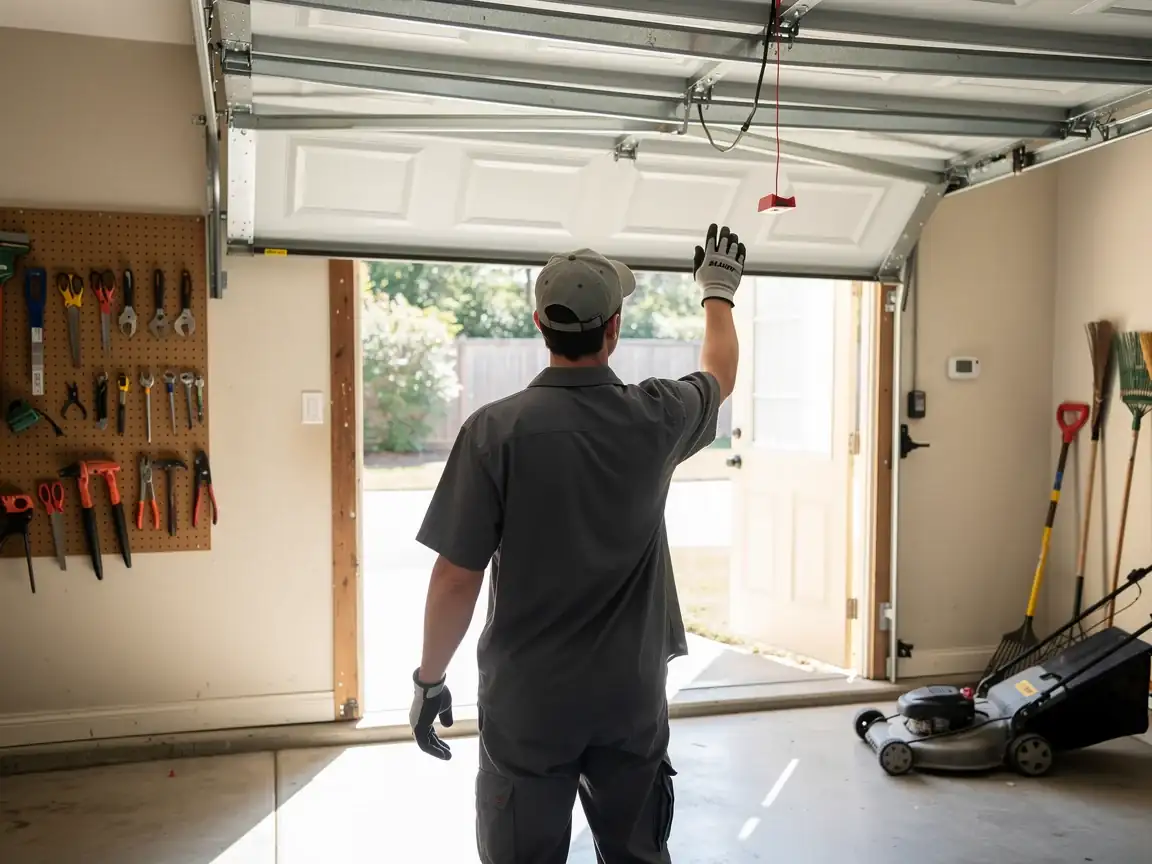
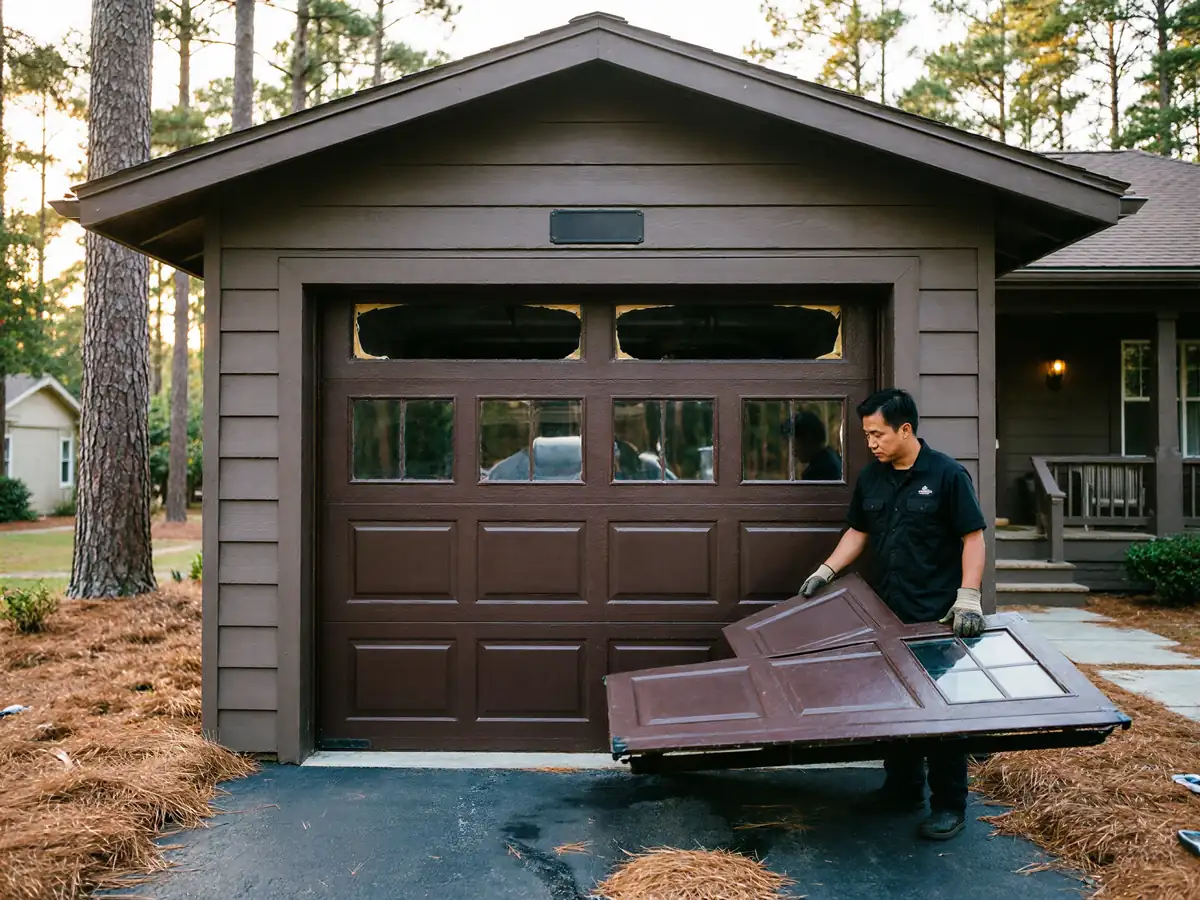
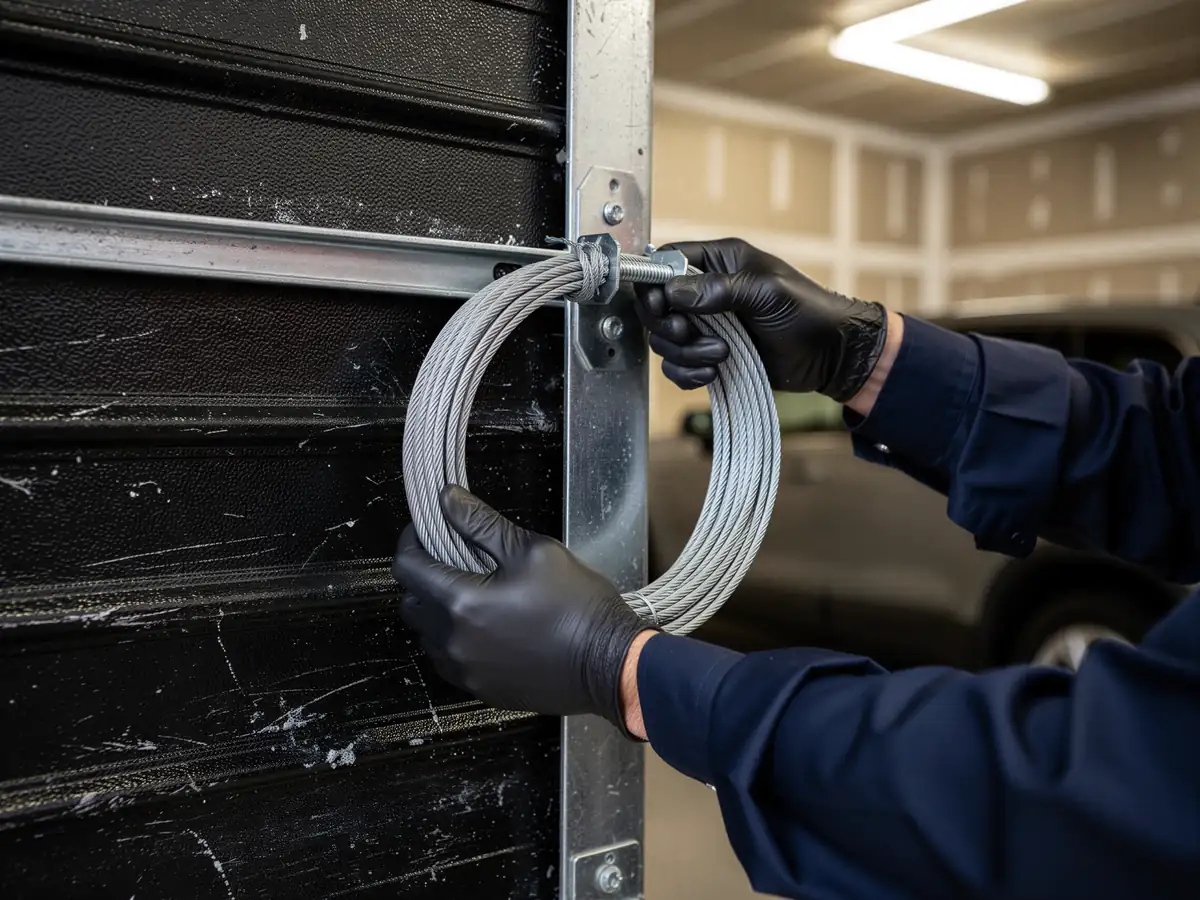
The other way it goes sideways is the cable. When a torsion spring breaks, the cable on that side often goes slack and can jump the drum or kink against it. If nobody's touched the door since it broke, that's usually a clean fix alongside the spring. If someone's tried to force the door open with the cable half off the drum, now we're also straightening or replacing a cable and reseating a roller, which adds time and parts to a job that started out as just a spring. Leave a broken-spring door alone and call rather than forcing it up to get the car out.
How Long It Takes
The cold winters that reach this part of Virginia stiffen torsion spring steel enough that a spring already near the end of its cycle life often finally lets go on the first hard cold snap, and Smithfield's 18-mile distance from our shop means that call takes longer to reach than one across town
We won't put a number on how fast we can get there - traffic on the route in from Hampton varies too much for that to be an honest answer - but we do try to schedule spring calls ahead of routine installs, since a dead spring means a car stuck in the garage, not just an inconvenience.
Once we're on site, a standard torsion spring replacement on a door we've got the right parts for takes about the same time here as anywhere else
It isn't a long job once the spring's in hand. What's specific to Smithfield is what happens before the truck ever leaves the shop: confirming the door's age and spring size so we're not making that 18-mile trip twice. If the spring size turns out to be one we don't stock, the first visit becomes a measuring trip, and the repair itself happens on the second.