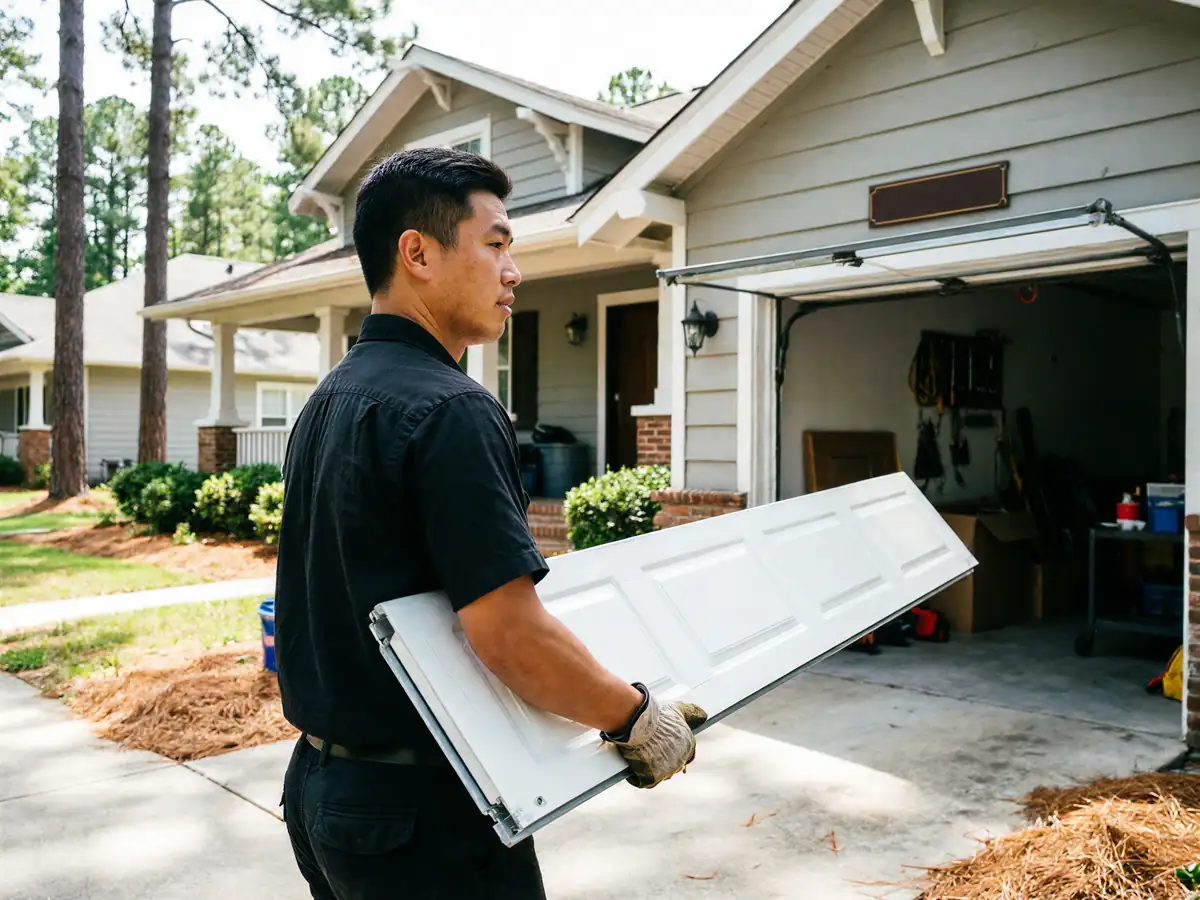
Smithfield homes mostly went up after 1980, later than the rest of the Hampton service area. That changes what a new door install here needs to get right.
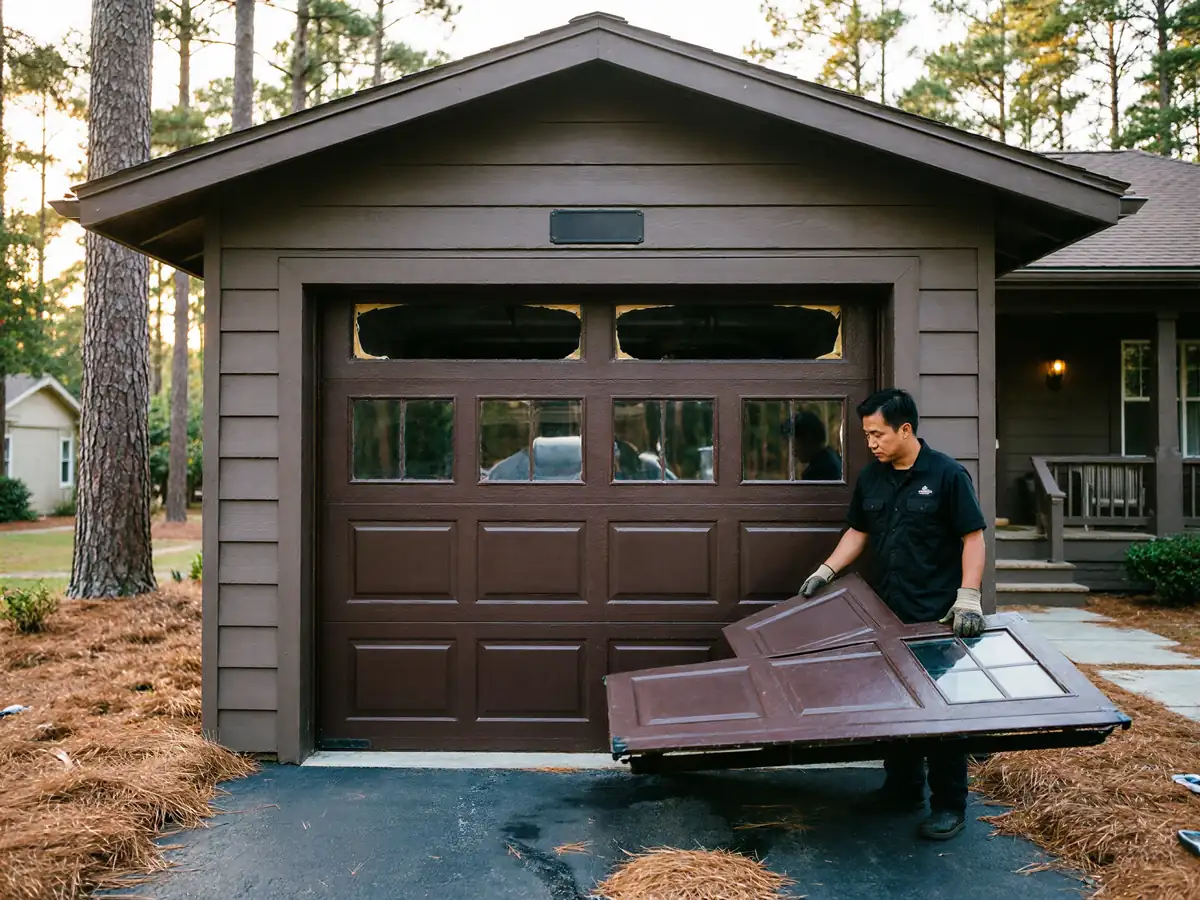
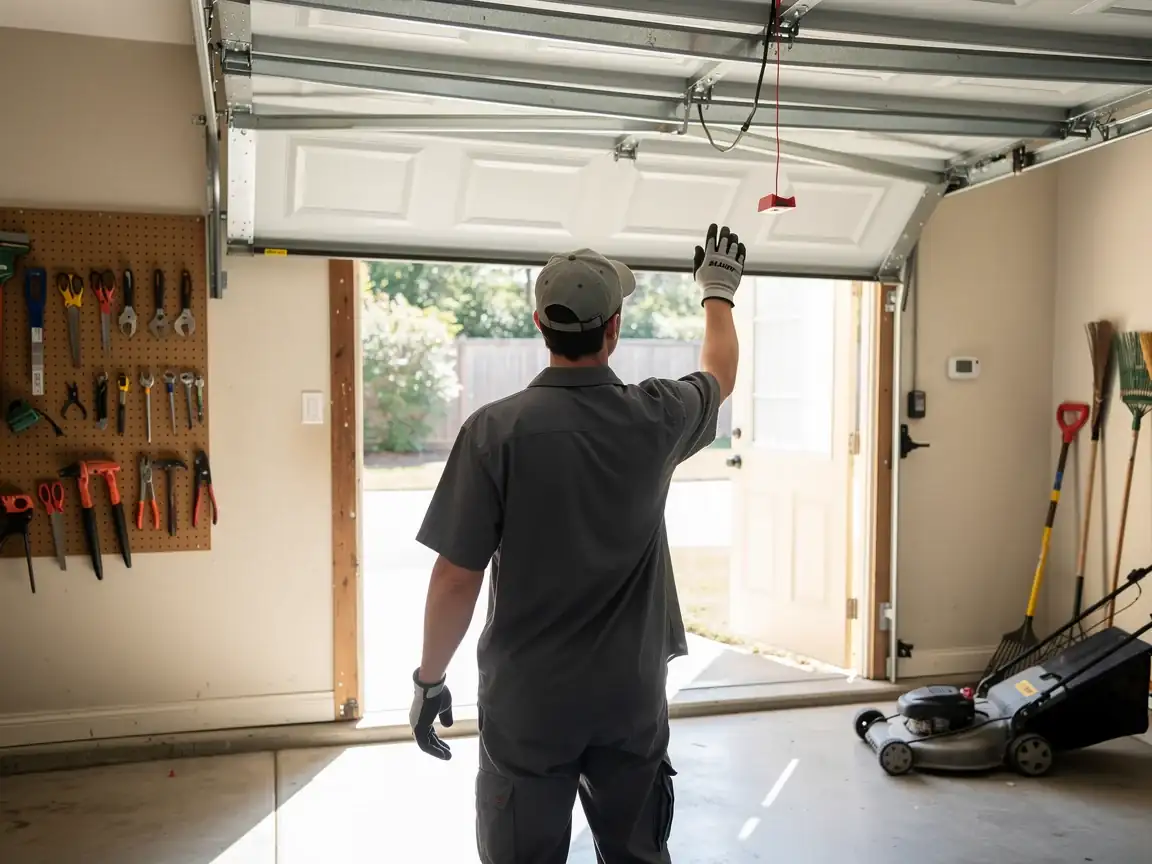
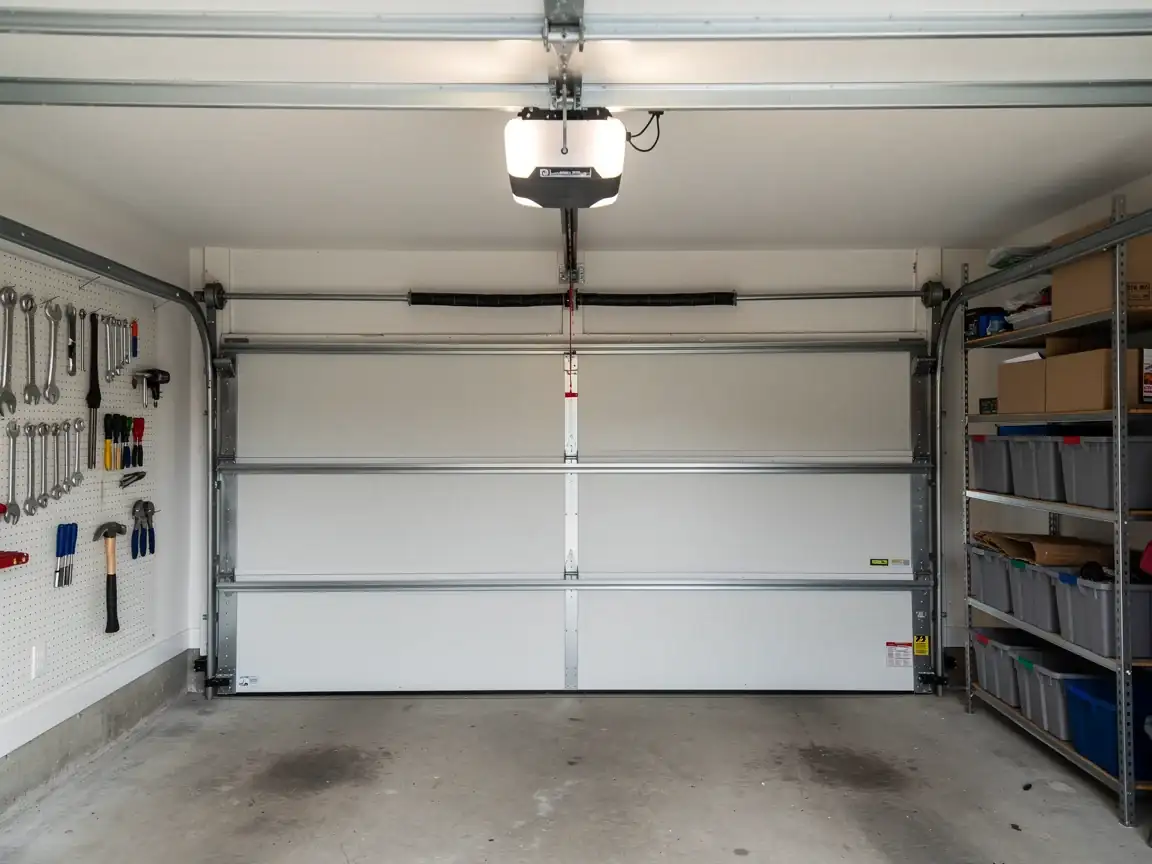
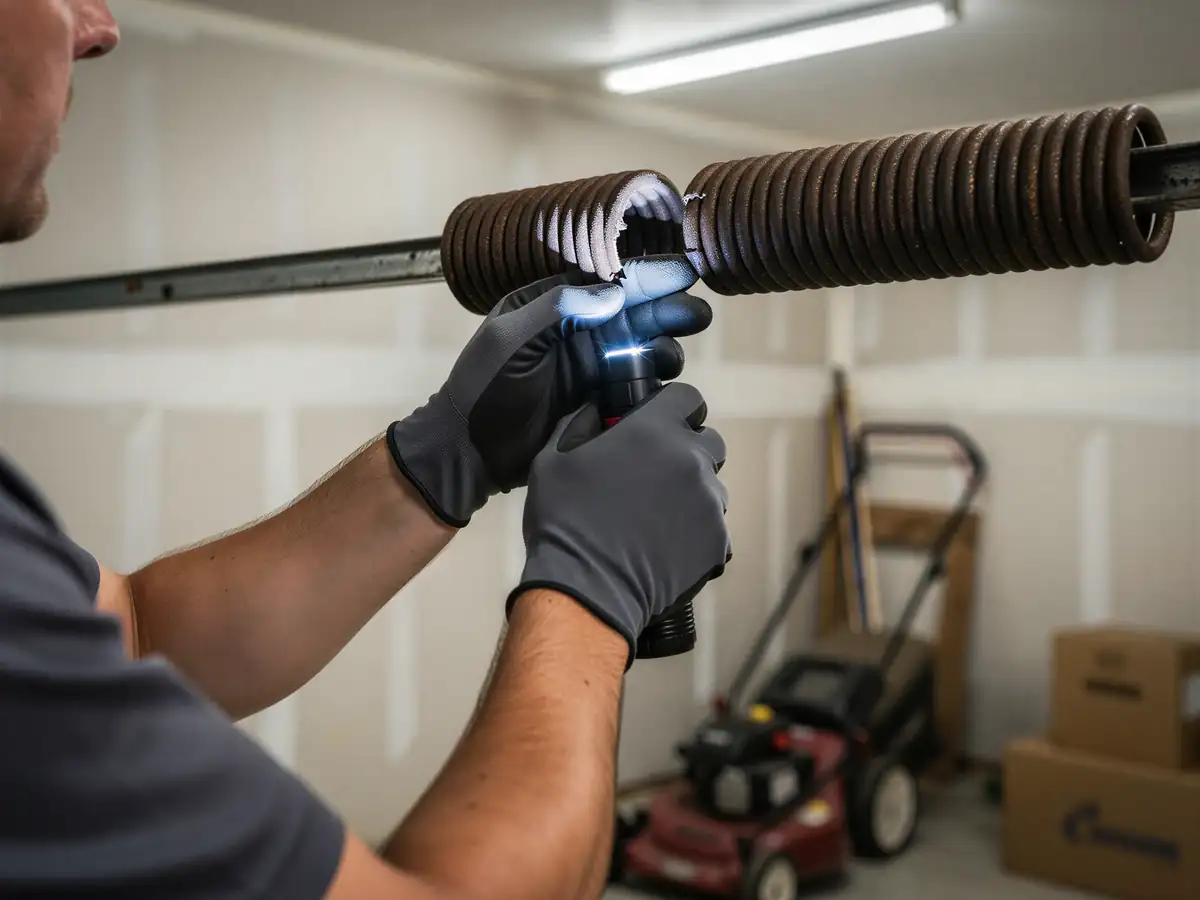
Most of the calls we get out of Smithfield aren't about a door that's falling apart. They're about a door that's twenty-some years old, still technically working, and starting to show it - a panel that's racked out of square, an opener that grinds before it lifts, a spring that's lost half its tension. That's different from what we see closer to Hampton, where the housing stock runs older on average (median build year 1977 across the wider service area, per F1) and doors are more likely original one-piece units on hardware nobody stocks anymore. Smithfield's housing leans newer - local median build year sits around 1992 - so the doors we're pulling here are more often steel sectional units from the 80s and 90s than the old wood slab panels. The failure isn't rot or rust eating a wood panel. It's a torsion spring that was never sized right for the door weight, or an opener from the same era that's simply at the end of its service life. If your door is sagging in the middle or the opener strains on lift-off, that's wear catching up to a newer-era door, not an old-house problem.
Doing It Yourself
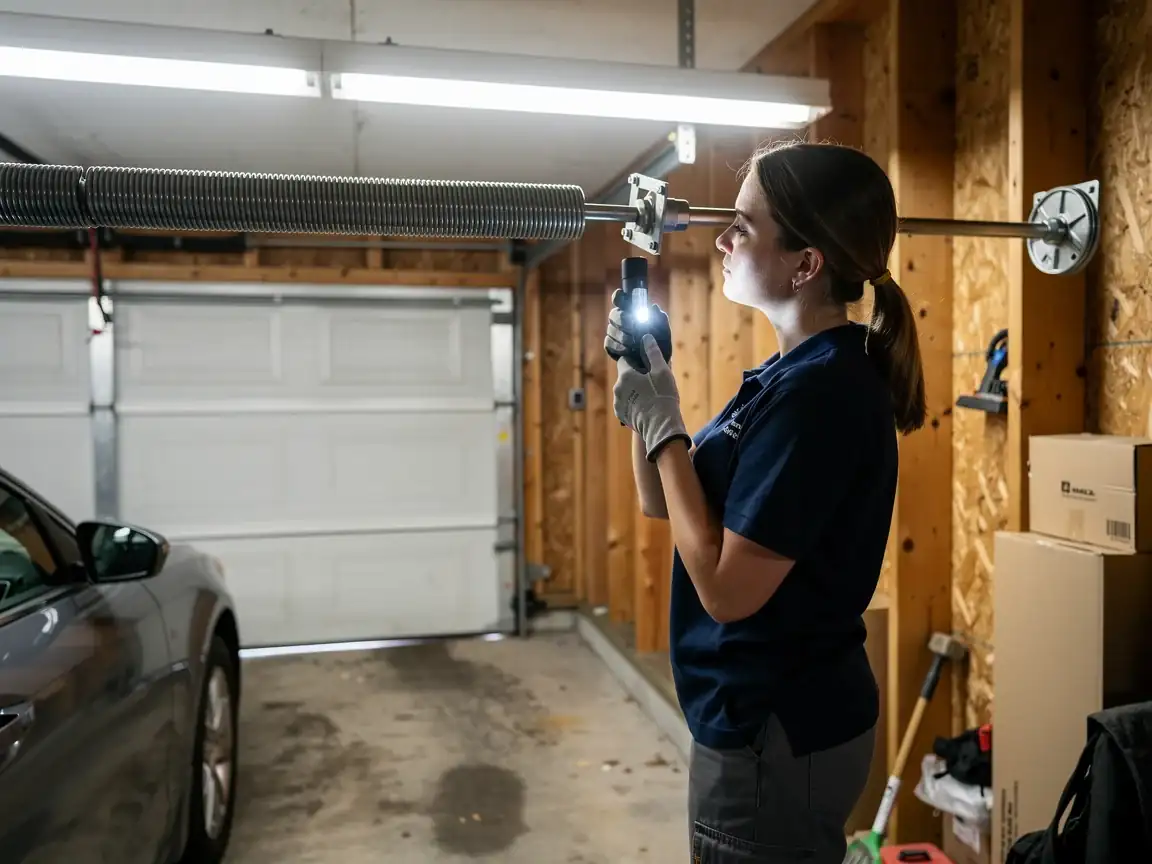
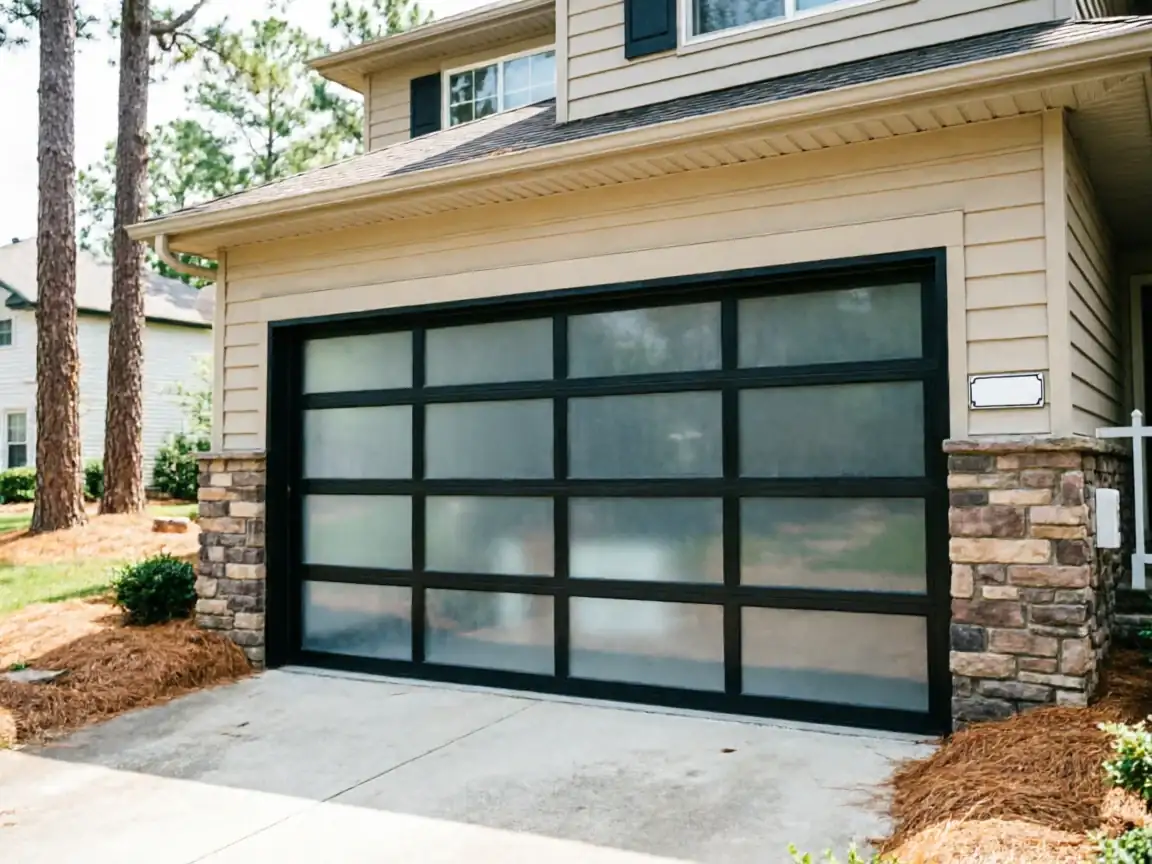
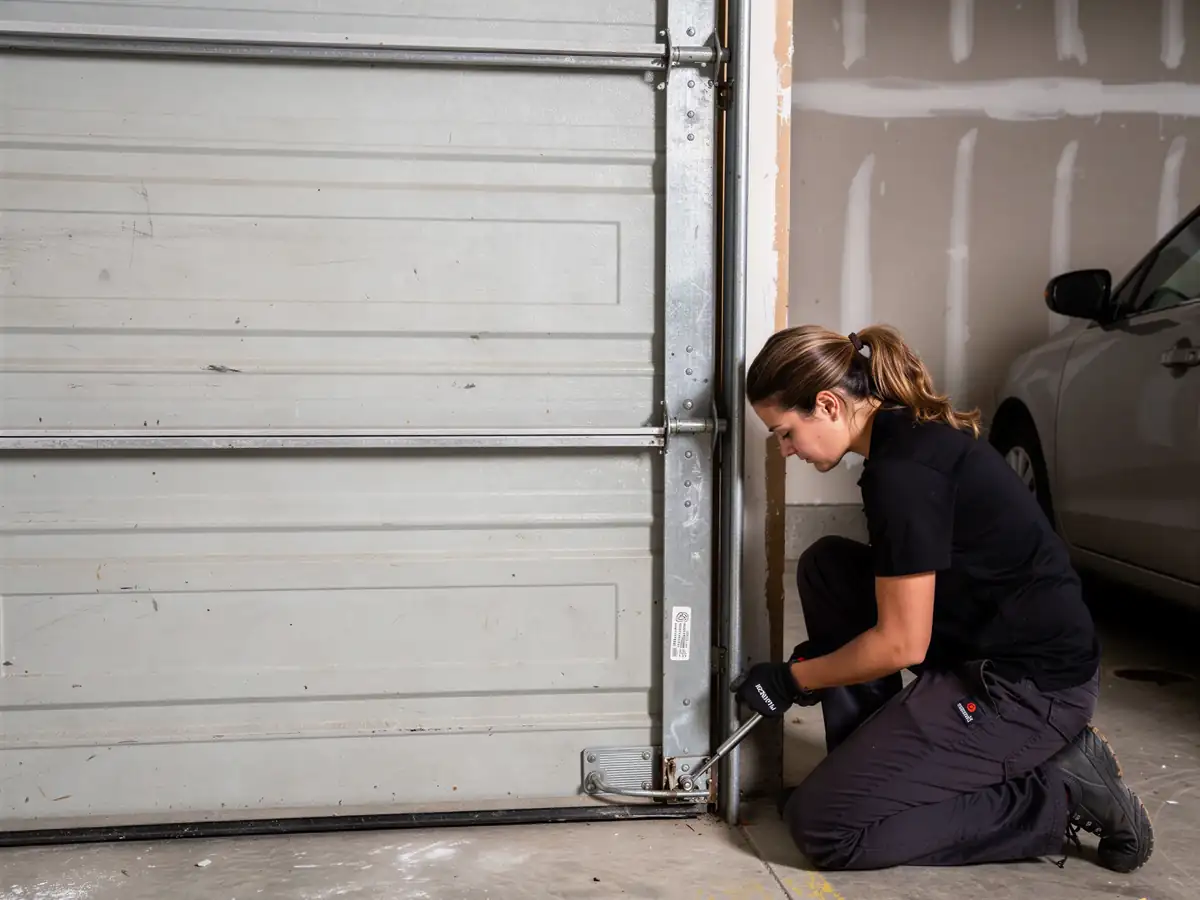
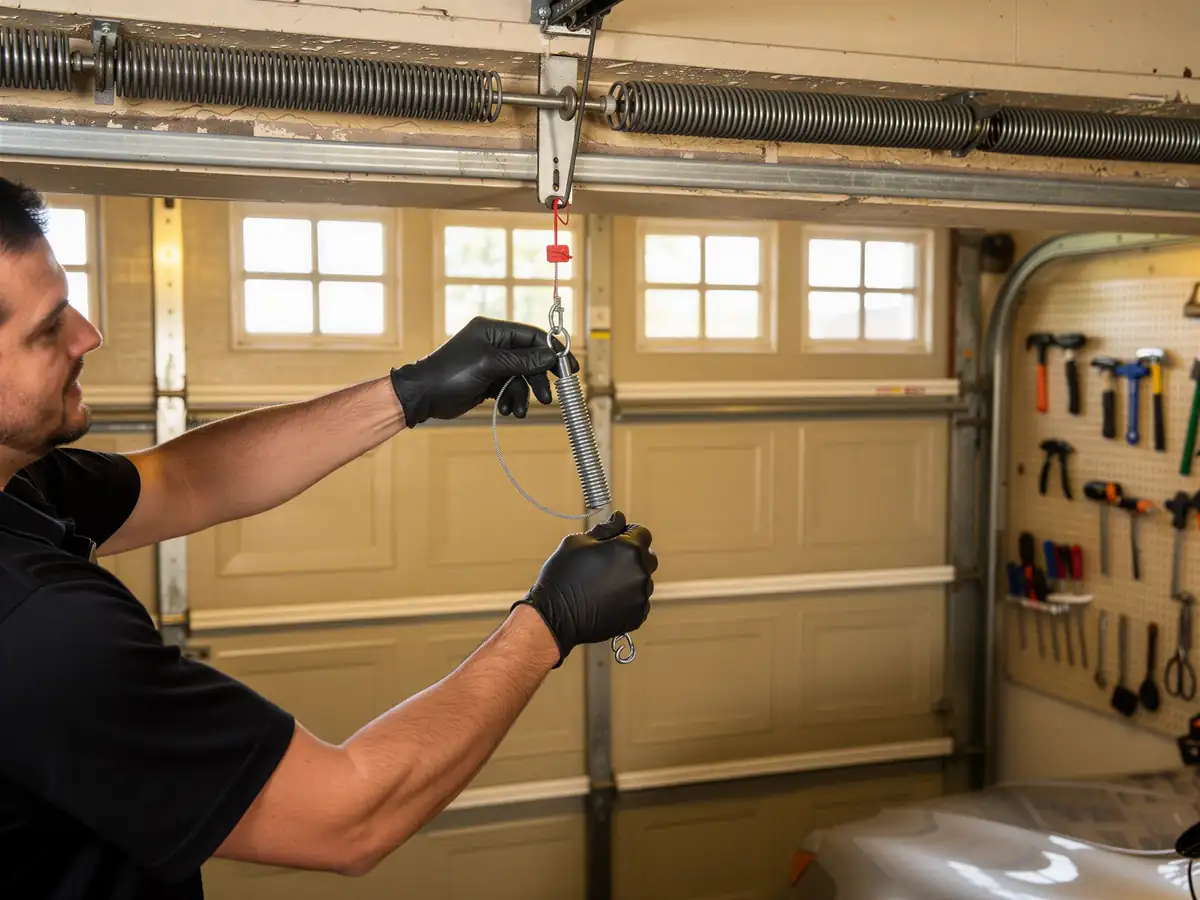
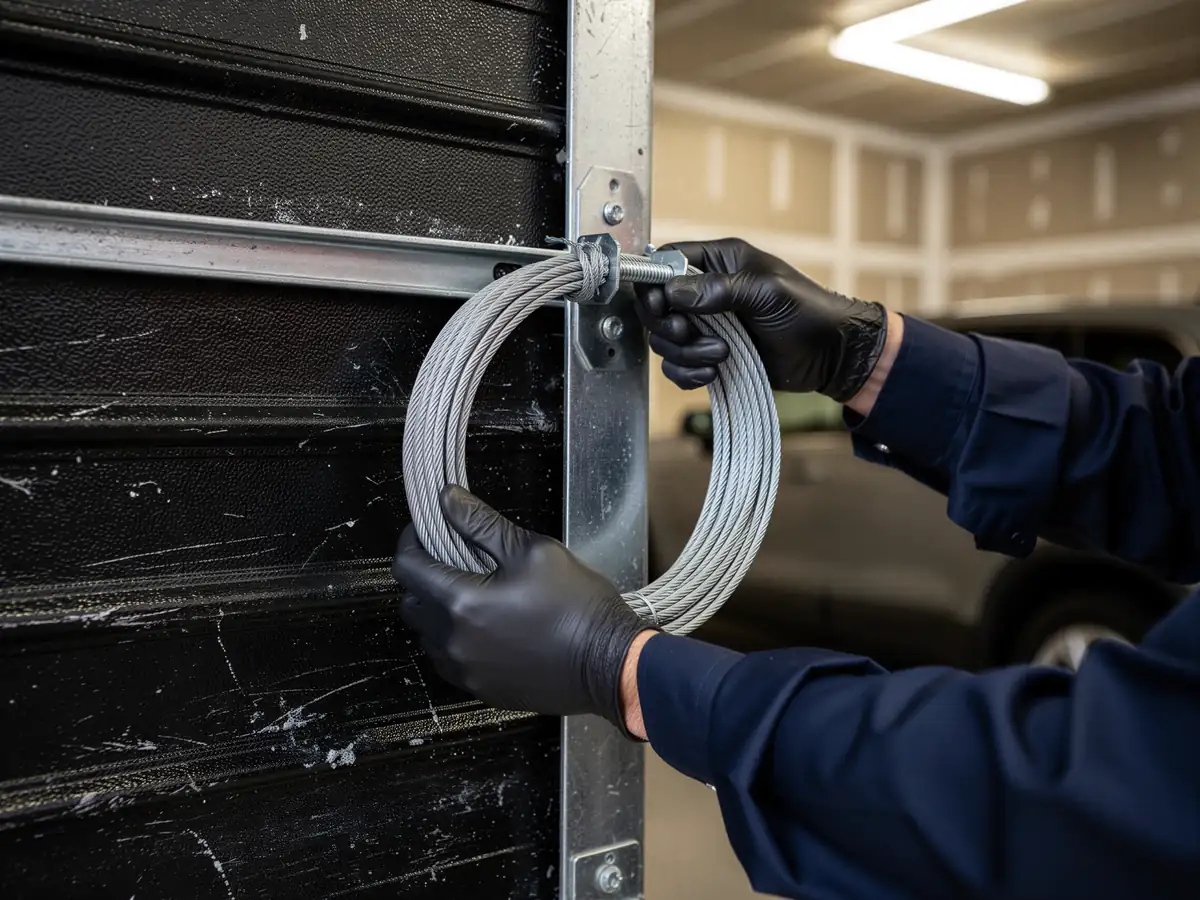
A new install isn't a weekend project, and we'll say that plainly. The spring system on a sectional door is under enough tension to break a bone if it lets go wrong, and getting the track plumb and the header bracket seated right is the difference between a door that runs quiet for fifteen years and one that bangs and binds in six months. If you're set on doing some of it yourself: measuring the opening, picking insulation value for a Cold-moderate climate band where you want a door that holds heat without overdoing the R-value for a detached garage, and deciding on a window layout are all fine to do solo. Pulling the old door down, setting new track, and winding a spring to the correct turn count are not jobs to learn on your own garage. We'd rather get a call for the install itself than a call afterward because a cable came off a drum under load.
Where This Job Goes Sideways
The install goes sideways almost always at the header - the wood or framing the new track bolts into. In a house built in the early 90s, that framing is usually sound, but we still see openings that were never squared right the first time, or a header that's been shimmed twice already by a previous install. We won't bolt new track to a header that won't hold it; that means a short delay while we sister in backing, and it's the one honest limitation worth saying up front - if your framing needs work, the job takes longer than the quote assumed. The other spot it goes wrong is spec mismatch: a homeowner picks a door weight or insulation package that the existing opener can't lift safely. With Smithfield's household income running higher than the surrounding service area (median around $110,182 locally against a broader area median of $90,885, F7), we see more requests for heavier insulated doors and quieter belt-drive openers - which is fine, but the opener has to be sized to match, not just left in place from the old door.
How Long It Takes
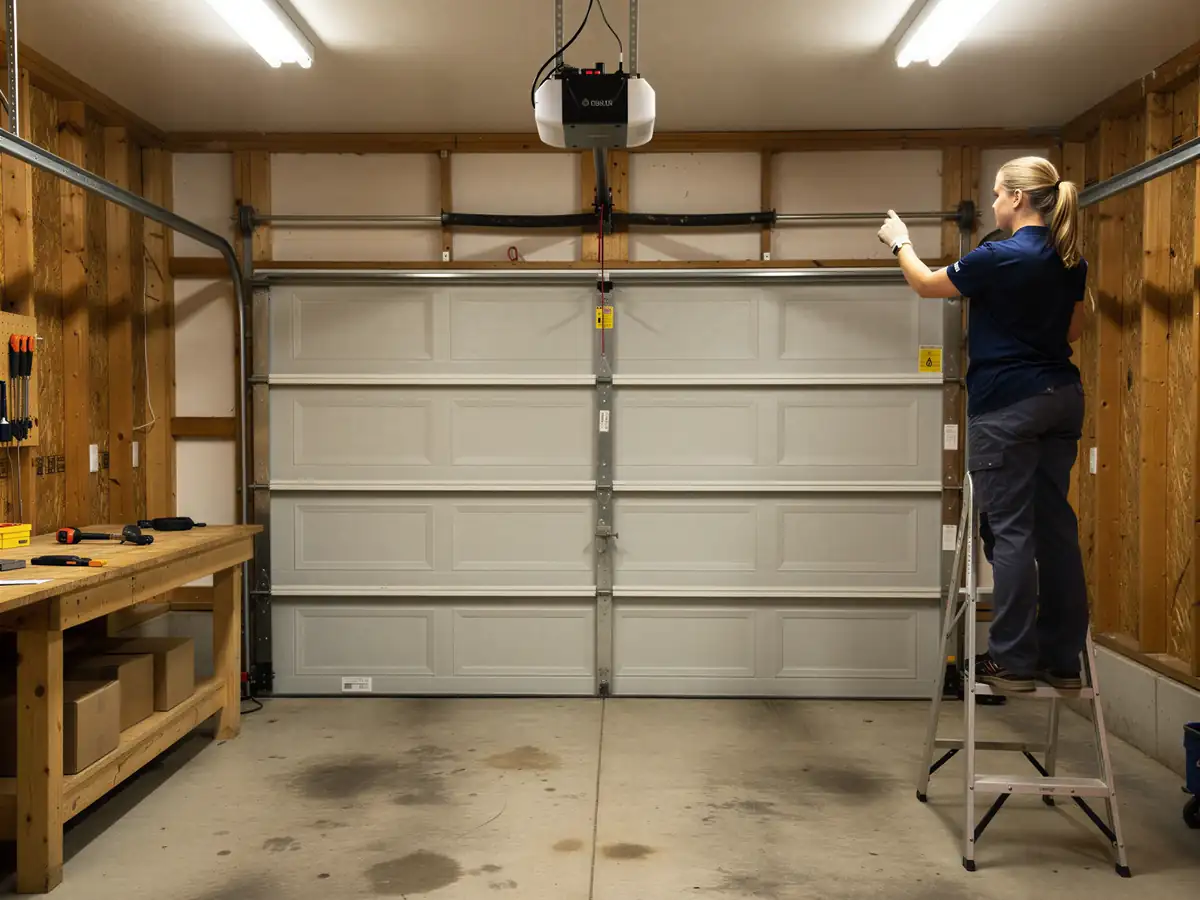
We travel from Hampton for every Smithfield job - there's no branch or crew based locally, so the first thing that affects your timeline is scheduling the drive, about 18 miles each way. Once we're on site, a straightforward single-door swap on sound framing is most of a day's work start to finish, including removing the old door, setting new track and springs, and getting the opener programmed and balanced. Add a second door, a header repair, or an opener upgrade and that stretches. We don't quote a same-day install sight unseen - not because we're slow, but because we won't commit to a number until we've seen the opening and the framing behind it. Smithfield's smaller household count relative to the rest of the area we cover (roughly 3,453 households here against 52,311 across the full service area, F6) means we're not running back-to-back jobs on your street the way we might in a denser part of Hampton, so we plan the trip around your install, not around a route.
How it works
From “it’s stuck” to “it’s fixed”
01
Tell us what’s wrong
Describe the symptom - won’t open, loud bang, opener runs but the door won’t move.
02
On-site diagnosis
A technician tests the door under power and by hand and finds what actually failed.
03
Clear, up-front plan
You get the fix that’s needed and what drives the cost - before any work starts.
04
Repaired & tested
The repair is done, the door is set true and tested, and the work area left clean.
Not sure which repair your door needs in Hampton, VA? Describe what it’s doing - every job starts with a diagnosis.
No. We're based in Hampton and travel to Smithfield for every job, about 18 miles each way. That means we schedule the drive into the appointment rather than offering same-day walk-up service the way a local branch might.
Will a newer house still need insulation upgrades on a new door?
Often yes. Smithfield's housing mostly dates from the 1980s and 90s, and doors from that era were commonly installed with little or no insulation. In our Cold-moderate climate band, an insulated replacement makes a real difference to the garage's temperature swing even if the house itself is younger.
Can my old opener run a new door?
Sometimes, but we check the lift capacity against the new door's weight before we reuse it. A heavier insulated door on an undersized old opener strains the motor and the drive gear, which is one of the more common mismatches we catch on newer-stock homes.
How do you quote the job without seeing my garage first?
We don't give a firm number sight unseen. Header condition and framing vary enough house to house that we need to see the opening before committing to a price or a timeline - it's the one part of this job we won't shortcut.
Ready to get your garage door sorted?
Tell us what it’s doing and where you are in Hampton - we’ll take it from there.