Doing It Yourself
Portsmouth is a 13-mile drive from our shop in Hampton
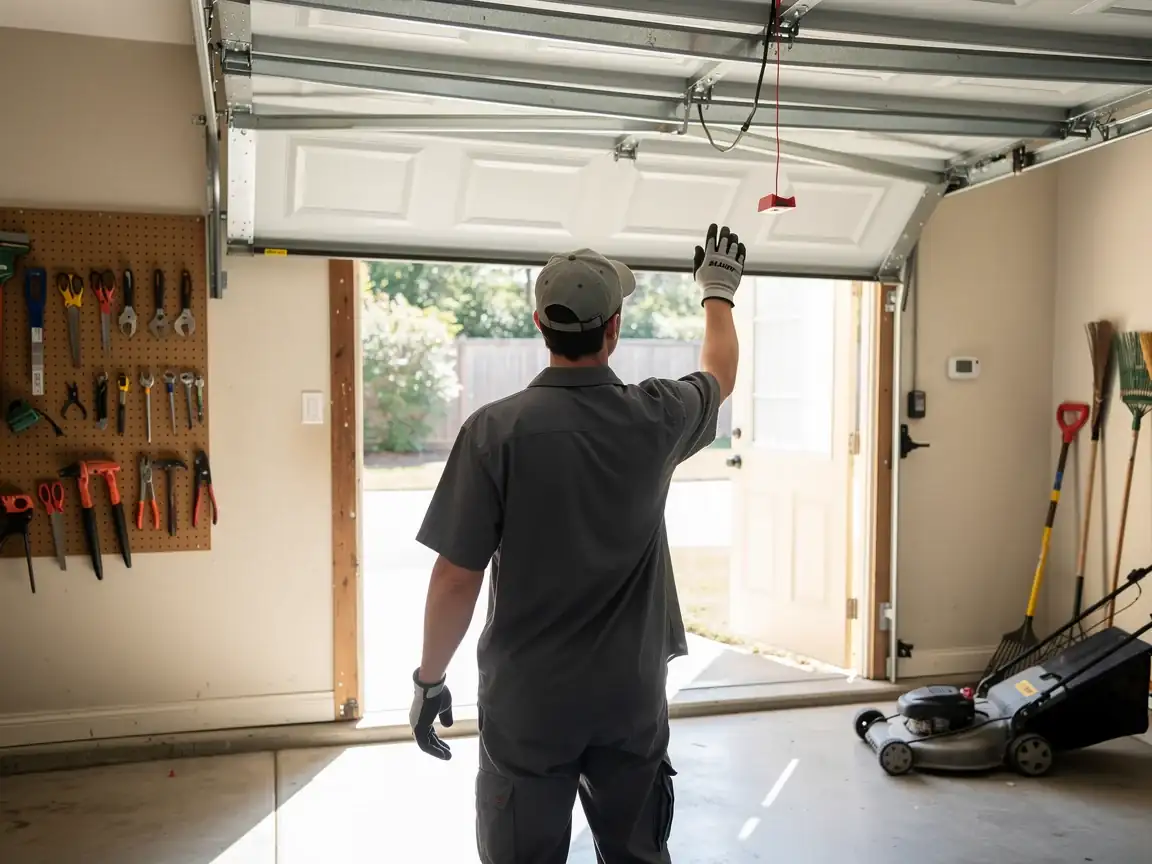
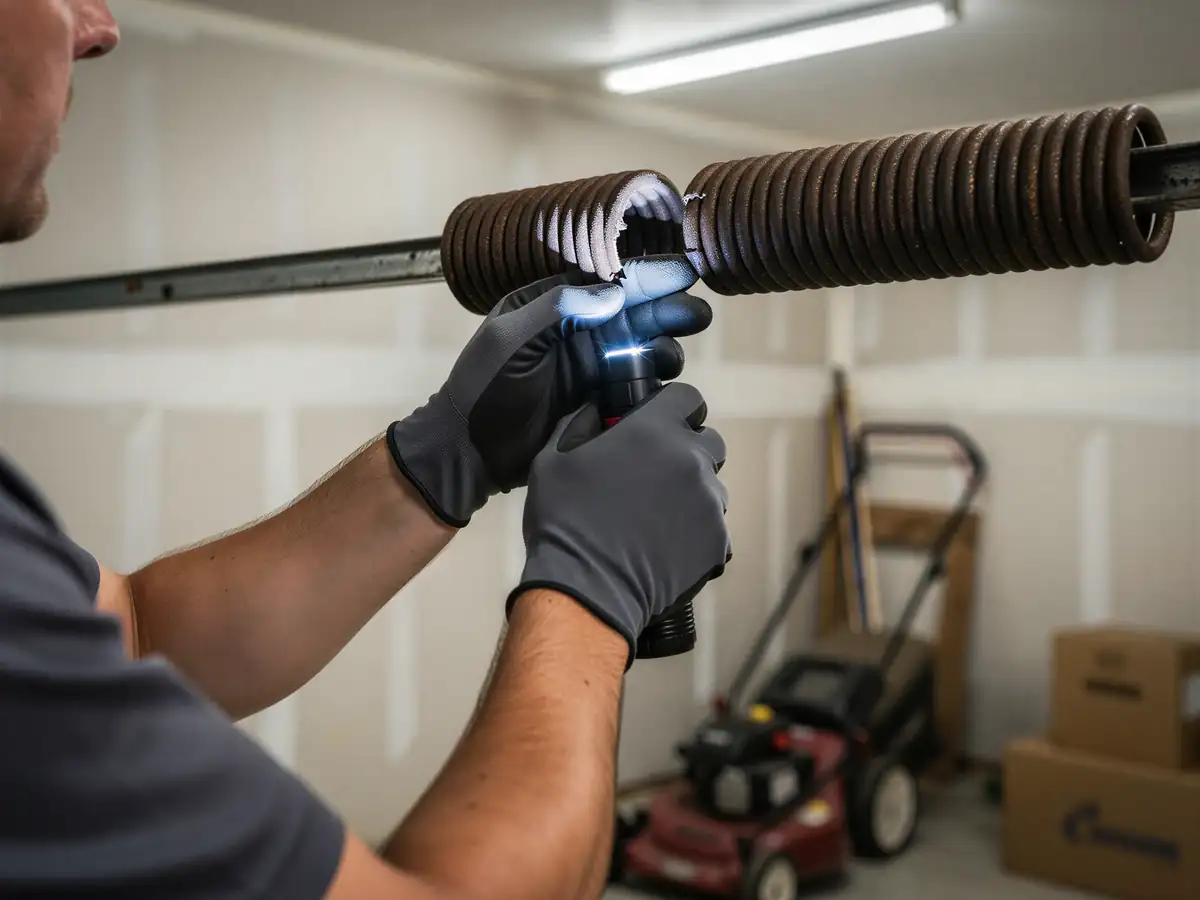
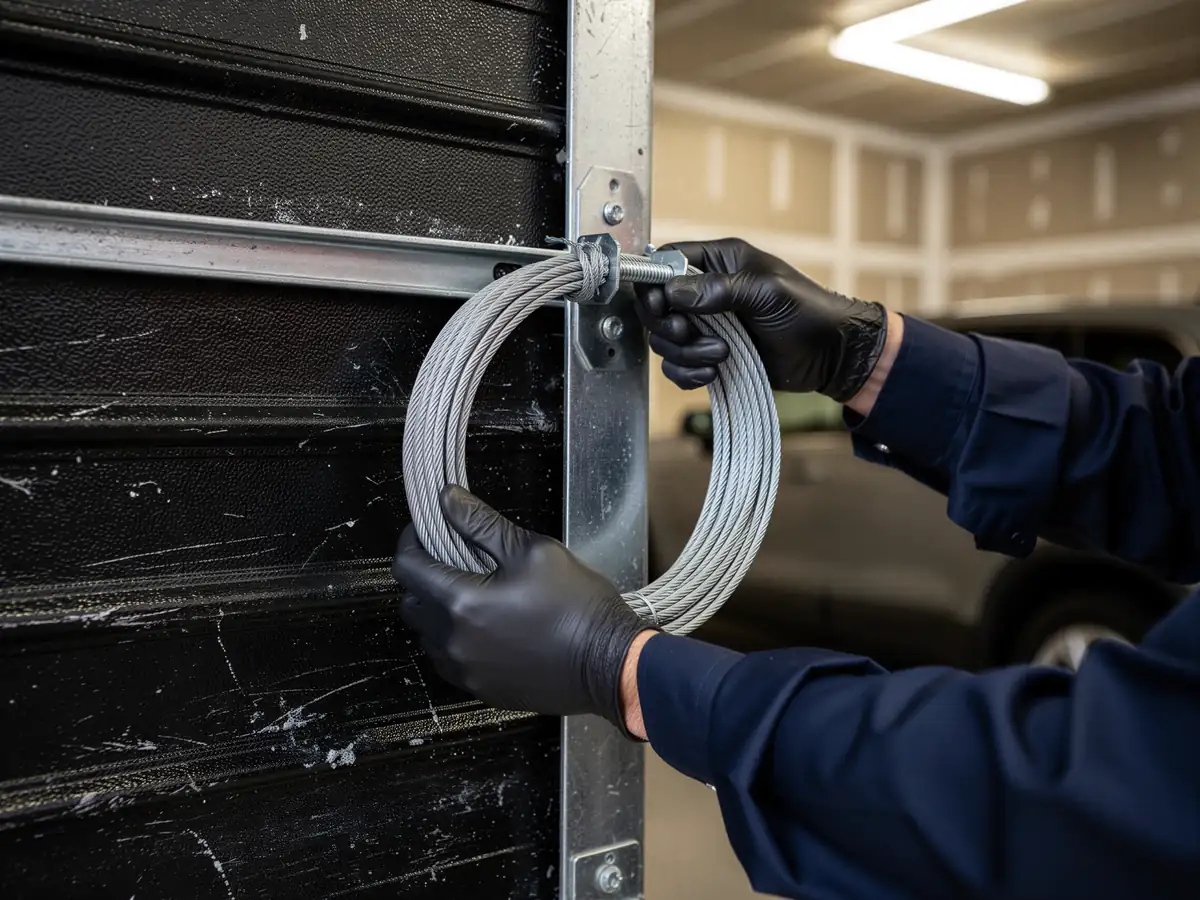
Which matters more than it sounds like it should. It means a call here isn't a five-minute hop - it's enough distance that we load the truck for the job before we leave, not after we see the door. A snapped or frayed cable is not a project to tackle with a ladder and a YouTube video. The cable runs under tension from the spring system, and if you unhook the wrong end or let the drum spin while your hand is near it, you can lose fingers or worse. We're not saying this to scare you into calling us specifically - it's true no matter who you call. If the cable has jumped the drum but hasn't snapped, you can sometimes get the door to limp down far enough to park a car underneath, but don't force the opener to pull against a bad cable. That's how you turn a $200 repair into a new opener and a new door section.
If you want to inspect before anyone drives out
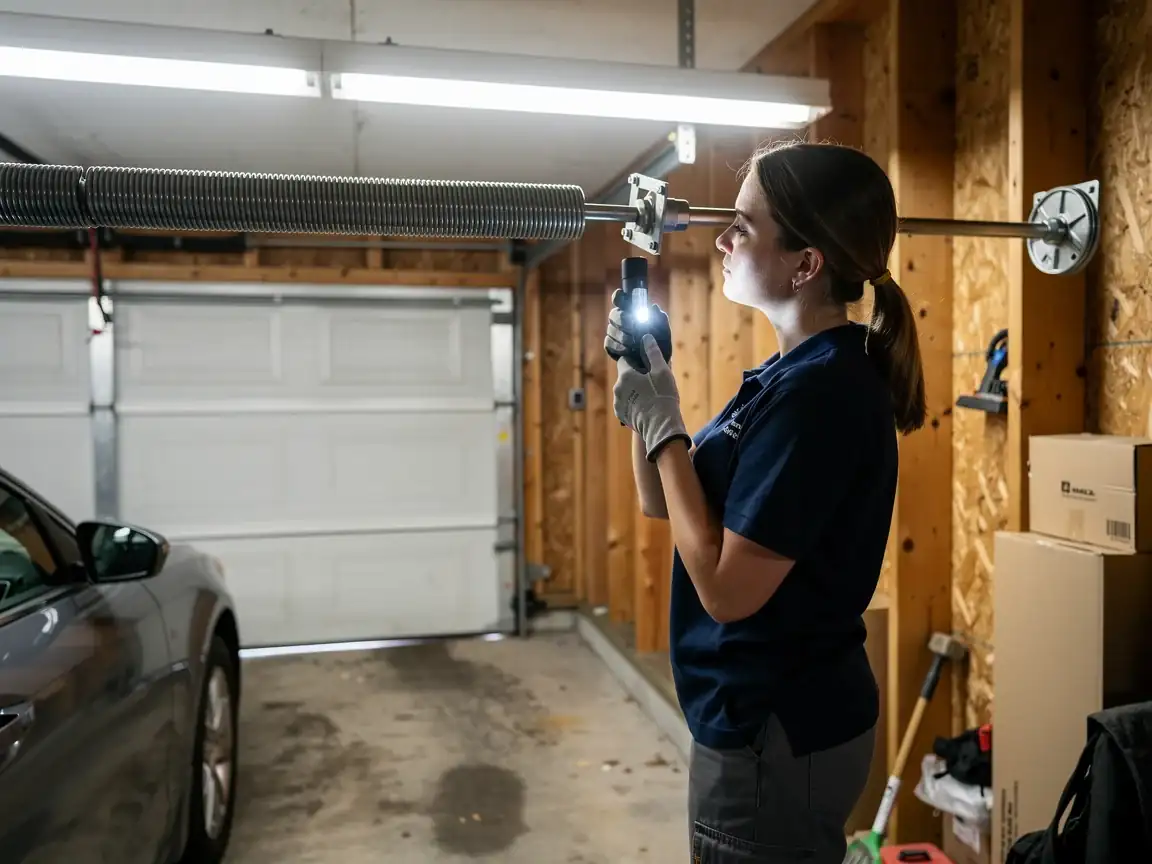
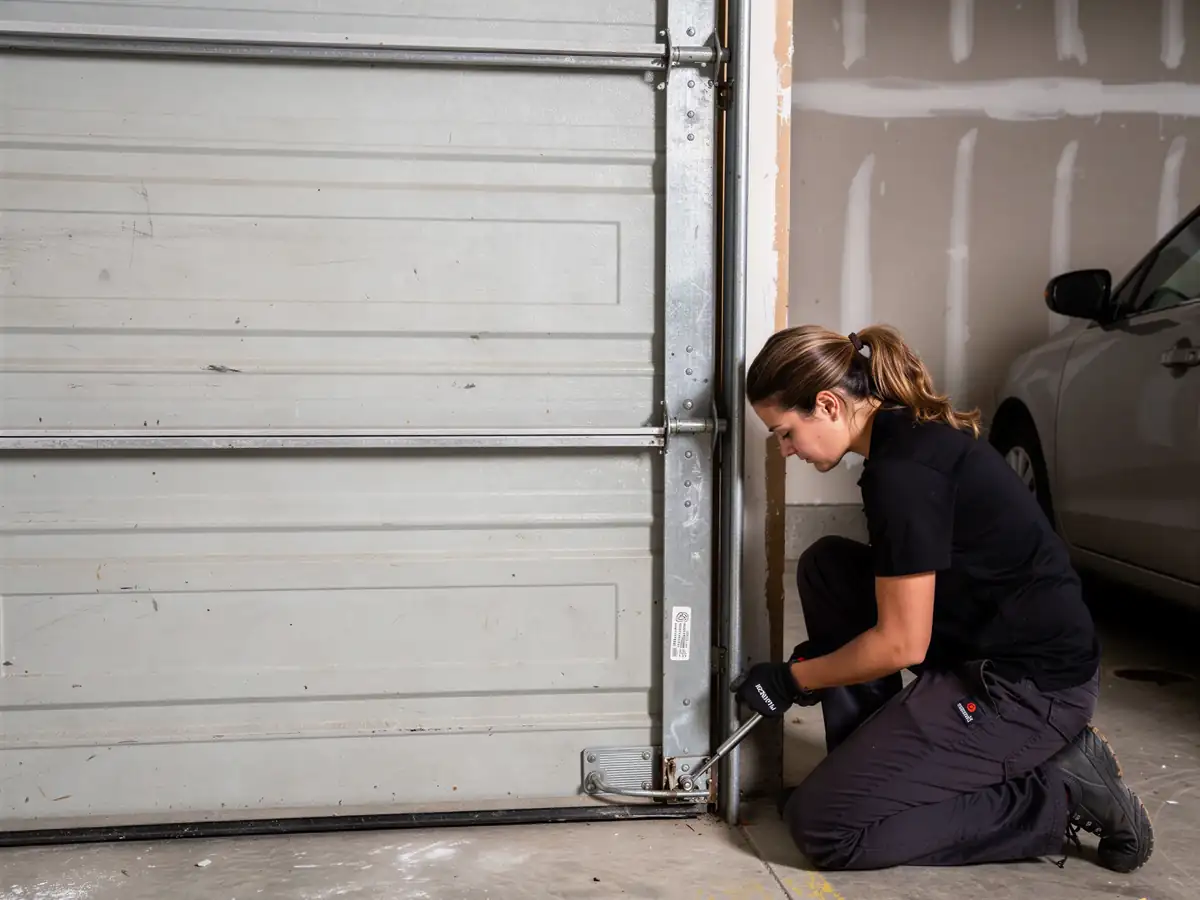
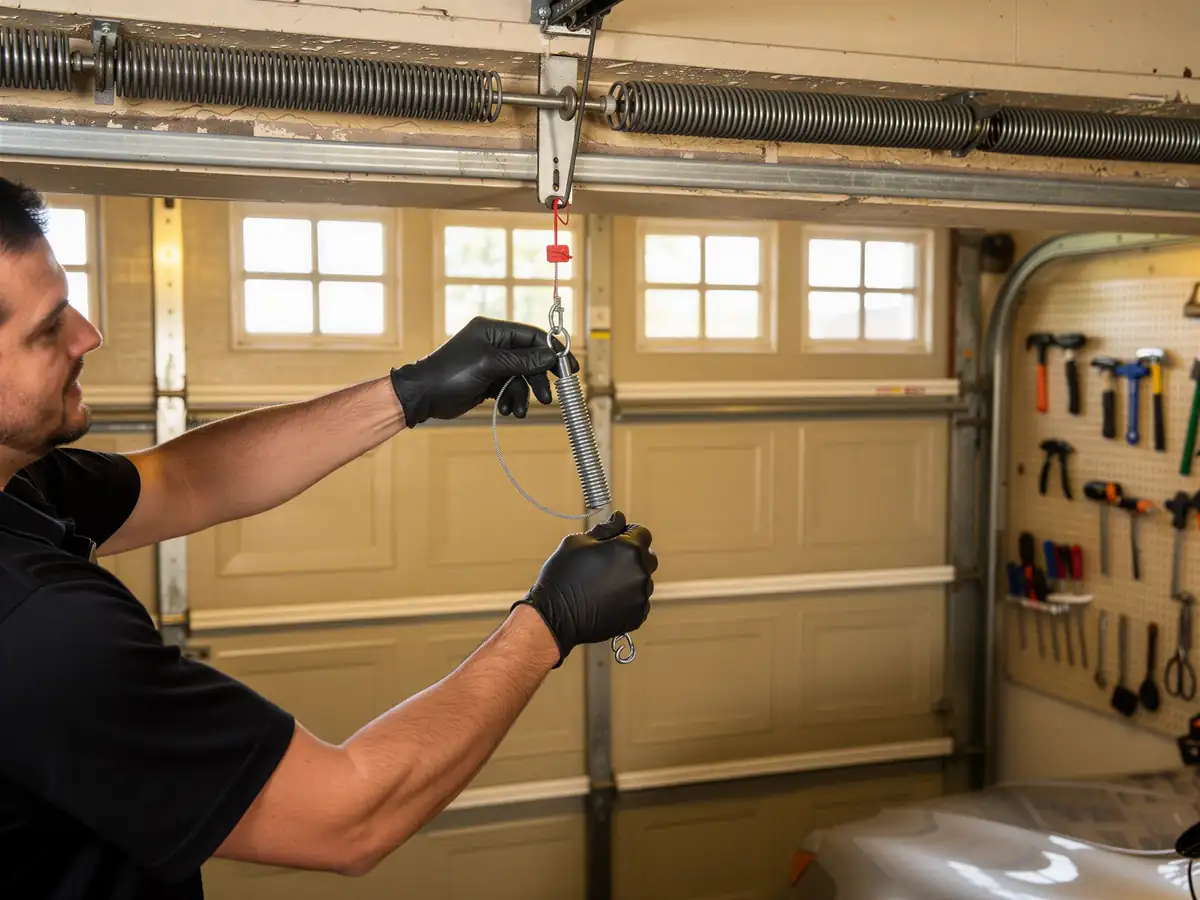
Look at the cable where it wraps the bottom bracket. Frayed strands, rust bloom, or a cable that's visibly loose on one side while the other is taut are the signs worth a phone call.
Why This Fails Locally
Portsmouth's housing stock centers on 1966, a touch older than the 1977 median across the wider service area. That extra decade on the hardware shows up as original torsion drums, first-generation galvanized cable, and track hangers that have never been swapped. Cable doesn't fail the same way on a house built in 1966 as it does on one built in 1990 - the drums are often a different diameter, and the cable gauge that fits a newer drum won't seat right on an older one. We've found that mismatch causes more repeat failures than the original wear ever did.
The area also sits in a cold-moderate climate band, which means the cable goes through real freeze-thaw cycling each winter. Moisture gets into the strands, freezes, expands the gaps between them, and the cable weakens from the inside before it ever looks bad from the outside. On a door that's been sitting since the mid-60s, that slow internal fraying is usually further along than the visible rust suggests.
Parts We Carry
Because Portsmouth leans older than the rest of the area we cover, we carry a run of cable in the gauges that match 1960s and 70s torsion drums - not just the current standard size most new doors ship with. That includes the narrower aircraft-cable common on original single-spring setups, plus the heavier gauge used on double doors from the same era.
We also keep drums and bottom brackets on the truck, since a cable rarely fails alone - if the cable frayed because of a rough or rusted drum edge, replacing just the cable gets you another failure in a season. What we don't carry is every obsolete drum size a 1966 door might have used; some of those were phased out decades ago, and if yours is one of them, we'll tell you that on site rather than make a second trip look like part of the plan.
Where This Job Goes Sideways
The most common mess we find on an older double door is uneven cable tension
One side wound tighter than the other after a previous owner or handyman did a partial fix. That makes the door rack sideways in the track, which chews up rollers and can bend a panel if it runs long enough. On a single door it's usually simpler: the cable jumps the drum, kinks, and nobody notices until it finally parts.
The other place it goes sideways is cost versus condition
At a median household income of $58,972 across the area, we try to be straight about when a cable repair is the right call and when it isn't. If the drums are seized with rust or the track hardware is original from 1966 and failing in more than one place, patching the cable alone just delays a bigger bill. We'd rather say that up front than sell a repair that buys you six months.
- $58,972 median household income
The Symptom
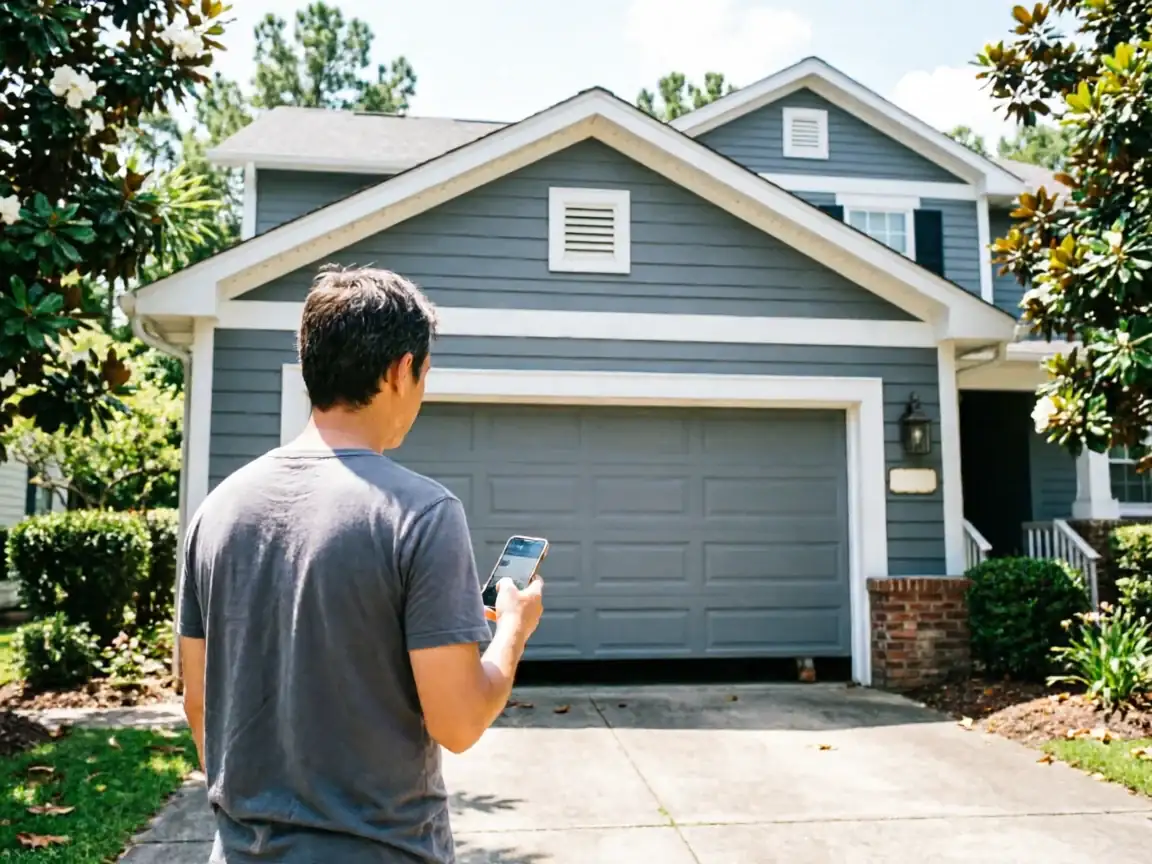
Most calls start the same way: the door stops partway, sits crooked, or one side drops faster than the other when it closes. Sometimes it's a loud snap and the door won't move at all - that's a cable that's let go completely, usually on the side carrying more weight from an off-balance spring. Other times it's quieter: a frayed strand catches on the drum, and the door shudders instead of running smooth.
A cable visibly off the drum, hanging loose at the bottom bracket, or showing rust-colored streaks down the track are all signs worth calling about before the door comes off balance entirely. Across 39,678 households in this part of the service area, cable wear tied to original 1966-era hardware is one of the most common reasons we get a call in the first place - not a dramatic failure, just decades of use finally catching up with parts nobody's touched since the house was built.