Why This Fails Locally
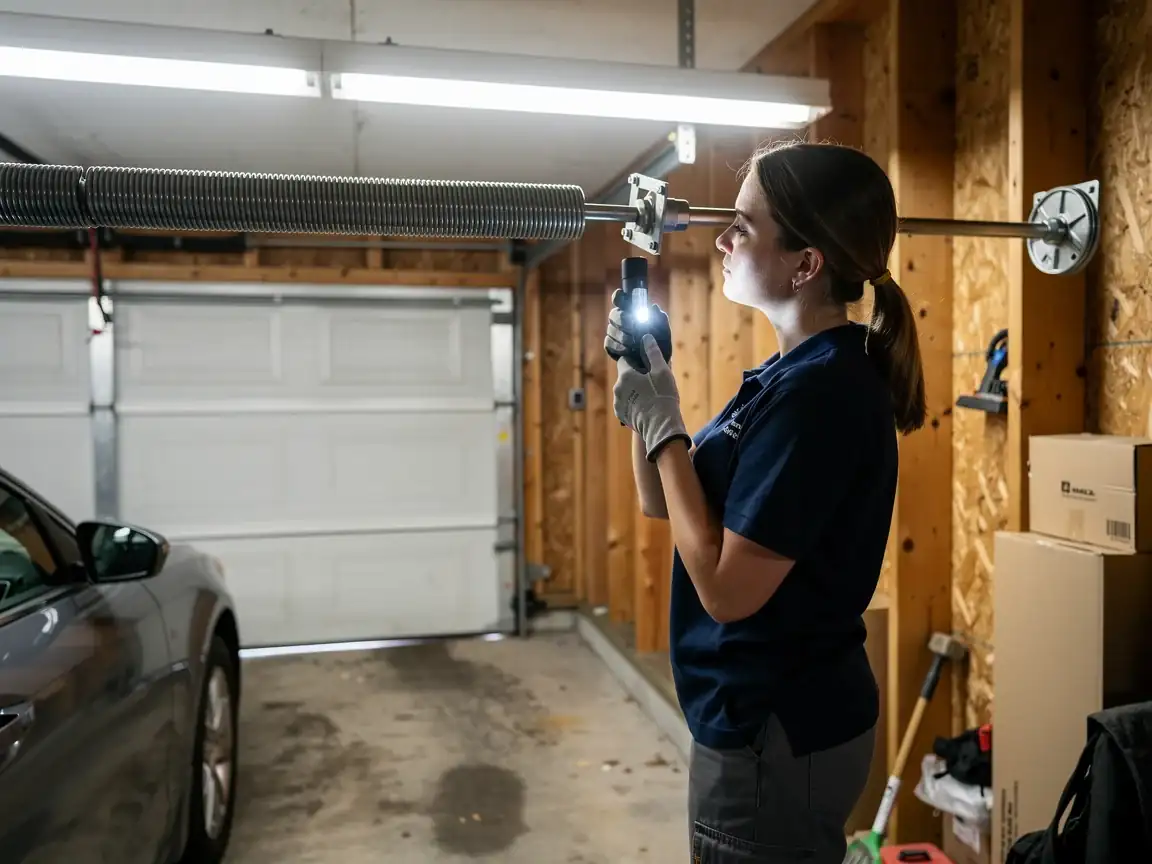
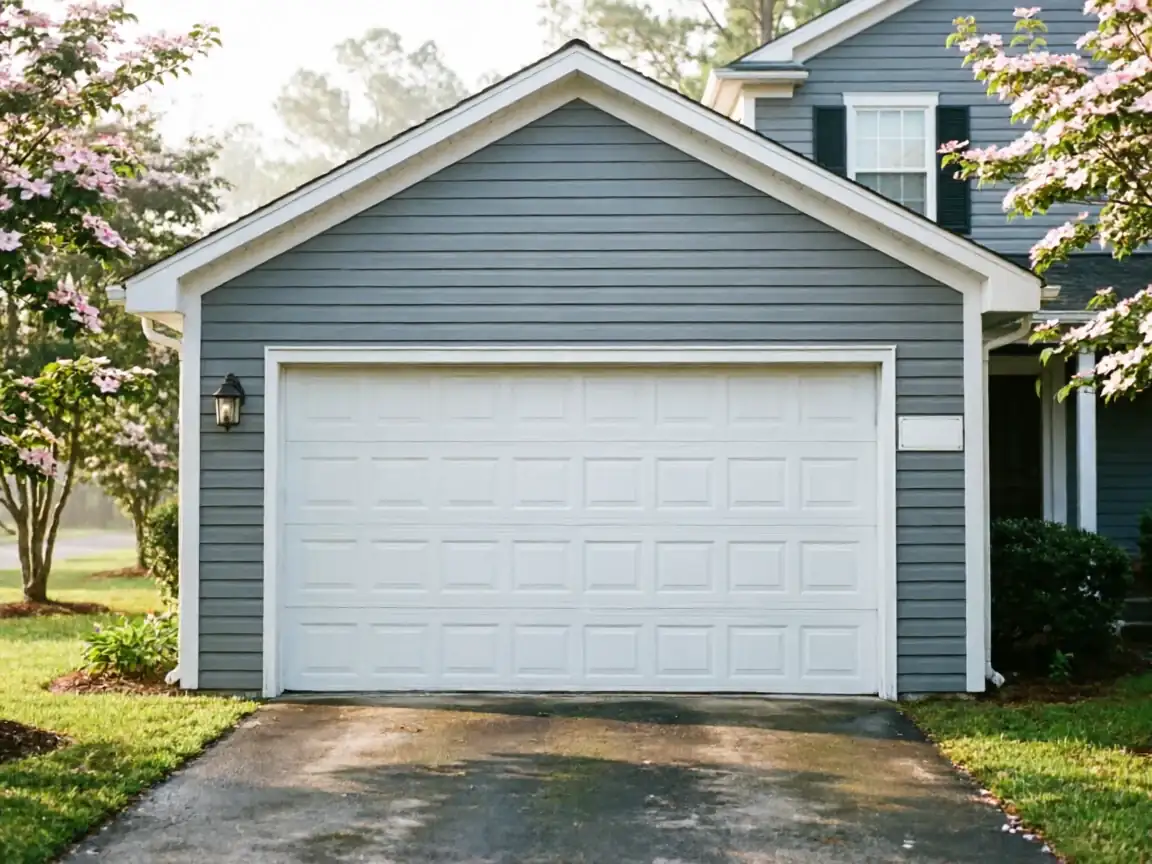
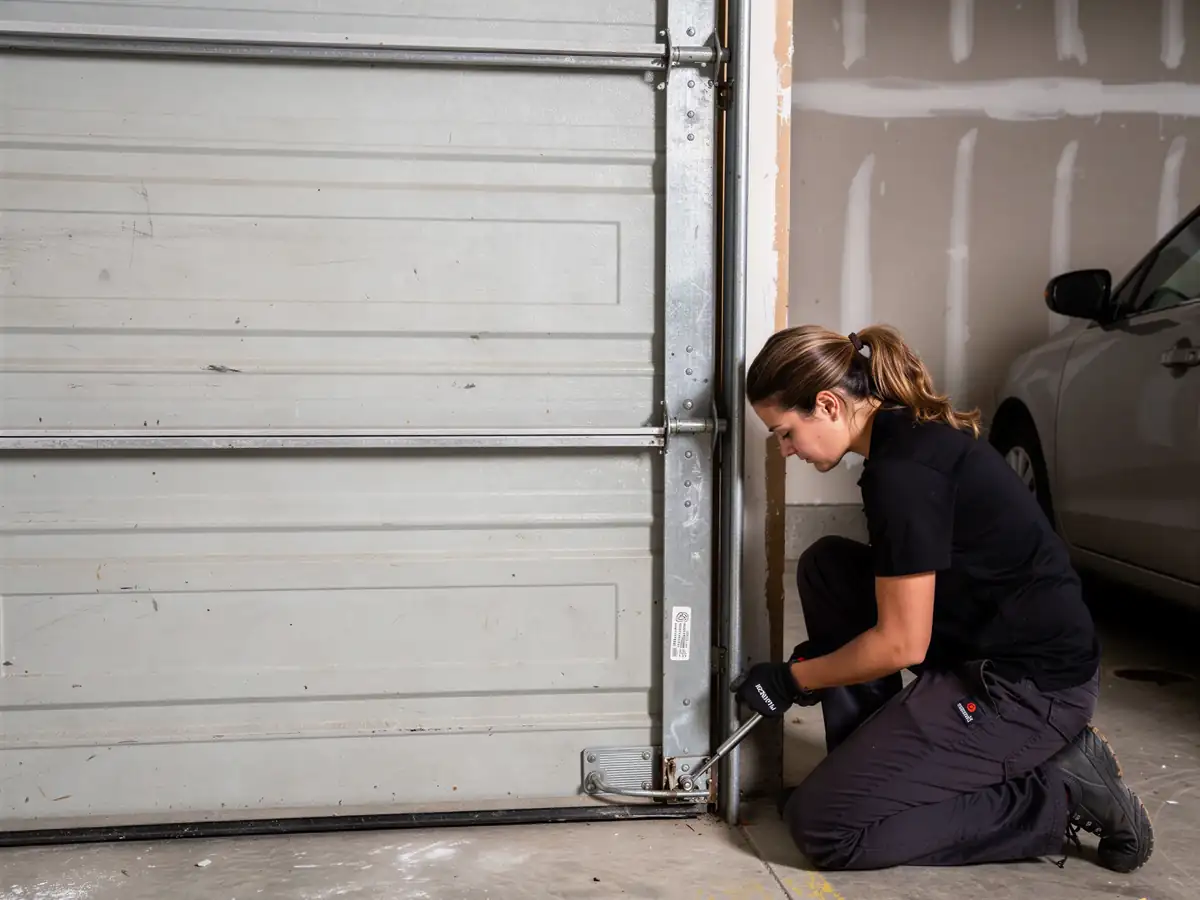
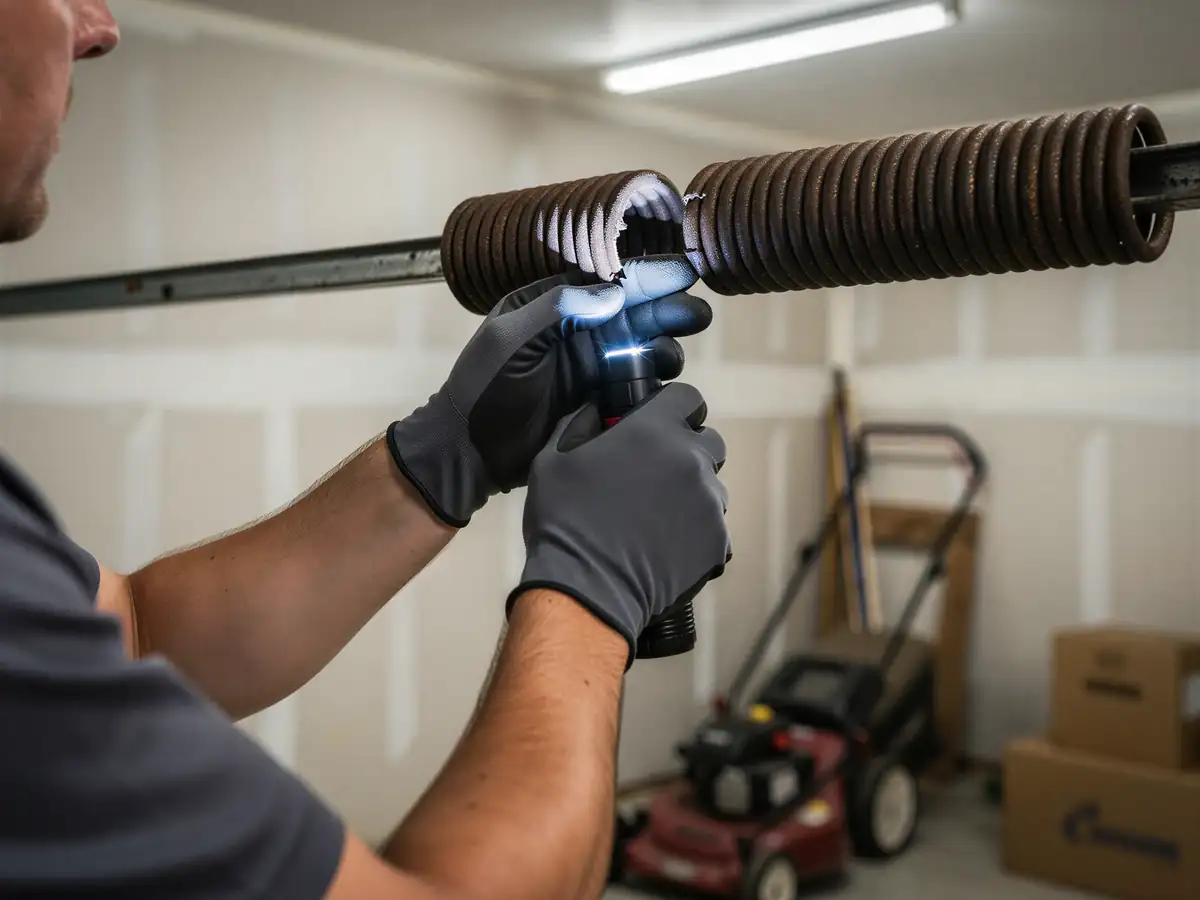
A door built in 1966 wasn't engineered to the same wind and cycle standards as one from the 1990s, and after close to sixty years, the galvanizing on the original hardware is usually gone. That's the failure mode we see on these calls: a torsion spring that's been re-tensioned once or twice over the decades by whoever owned the house before, now sitting on a shaft with surface rust nobody noticed until it seized. The cold-moderate climate here doesn't bring the brutal freeze-thaw swings of farther north, but humidity swings through a Virginia winter still pit bare steel faster than people expect, and original rollers on these doors were steel, not nylon. That's a slower failure than a dramatic one, which is exactly why it catches people off guard - the door's been dragging for months before it finally jams solid at 9pm.
Parts We Carry
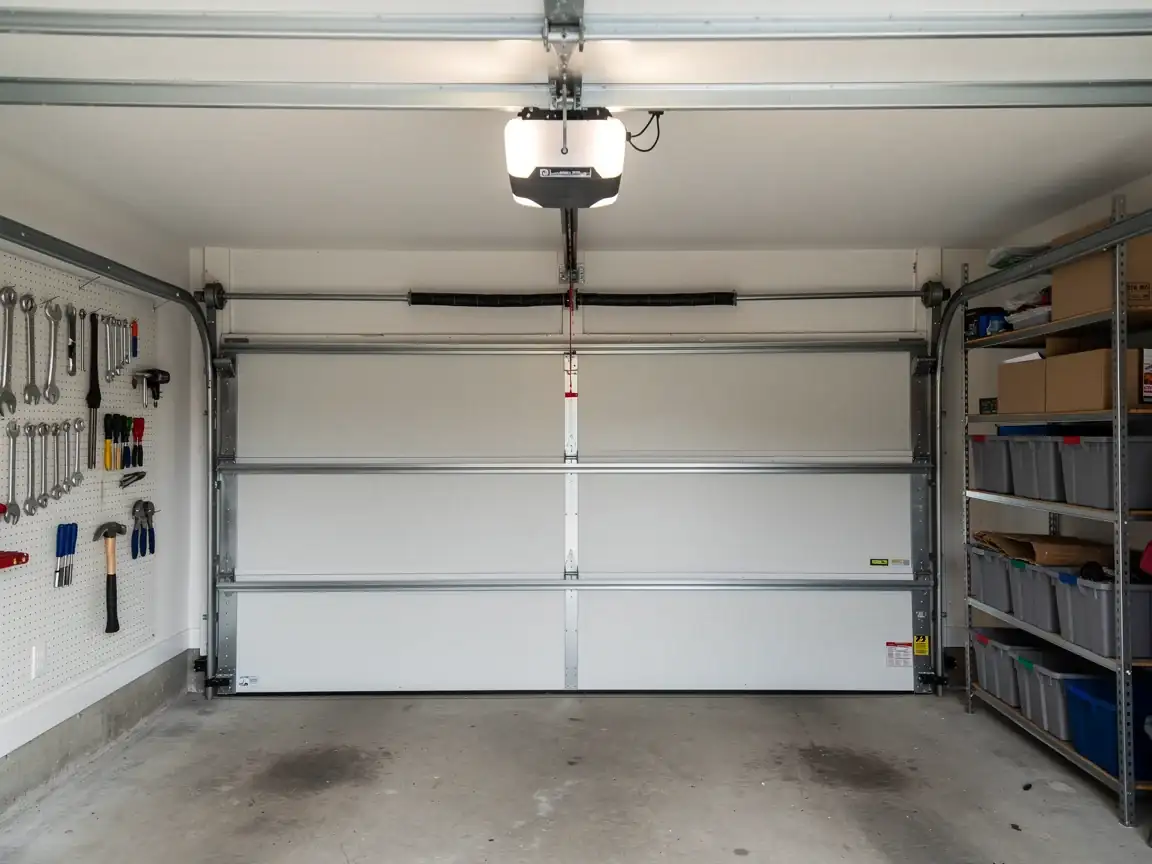
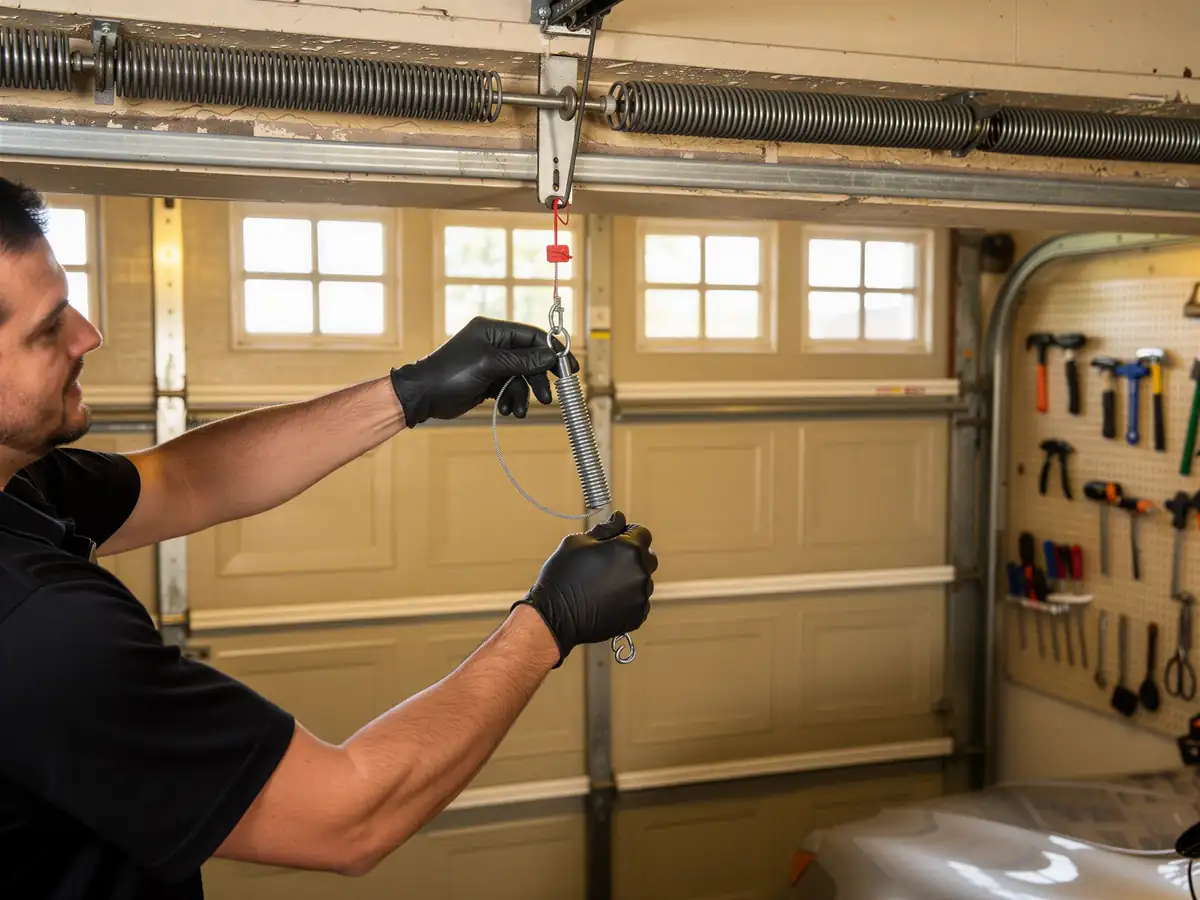
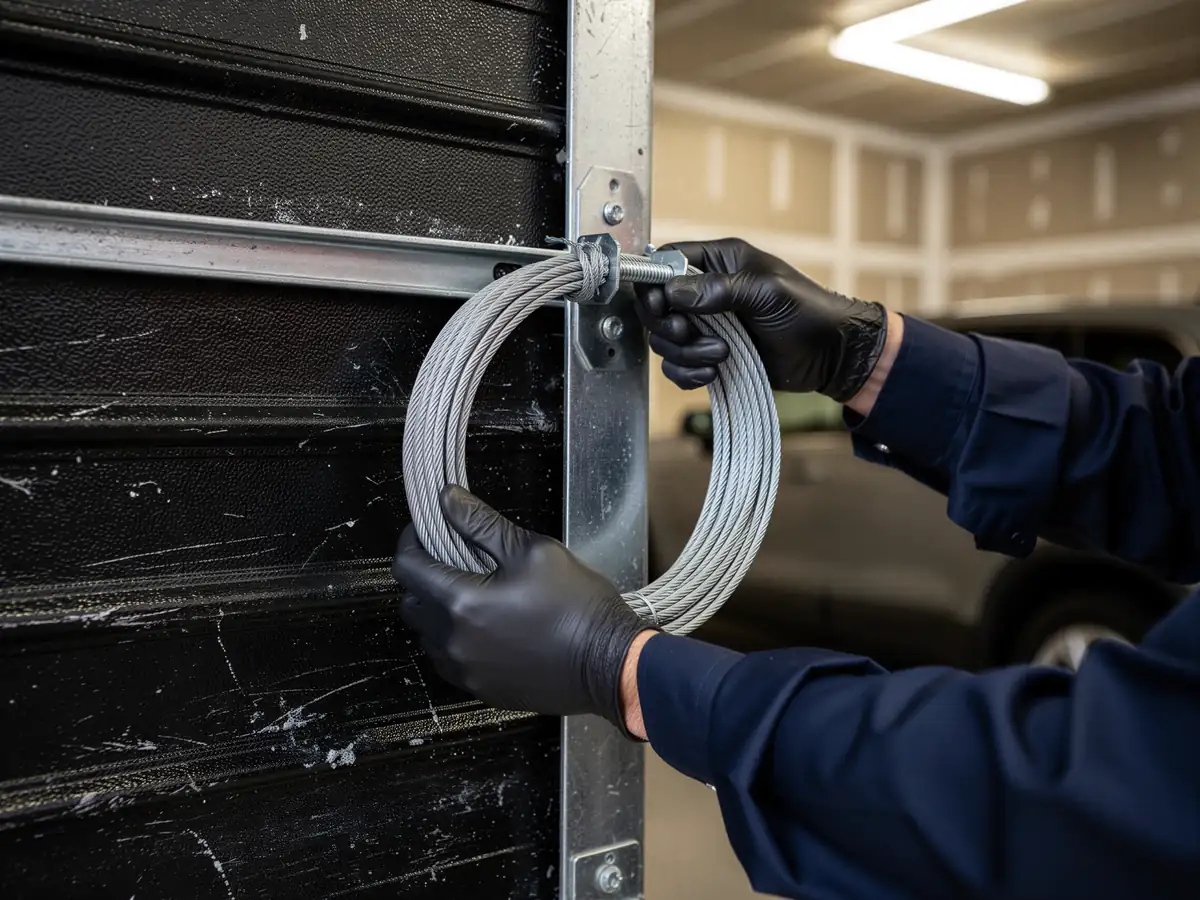
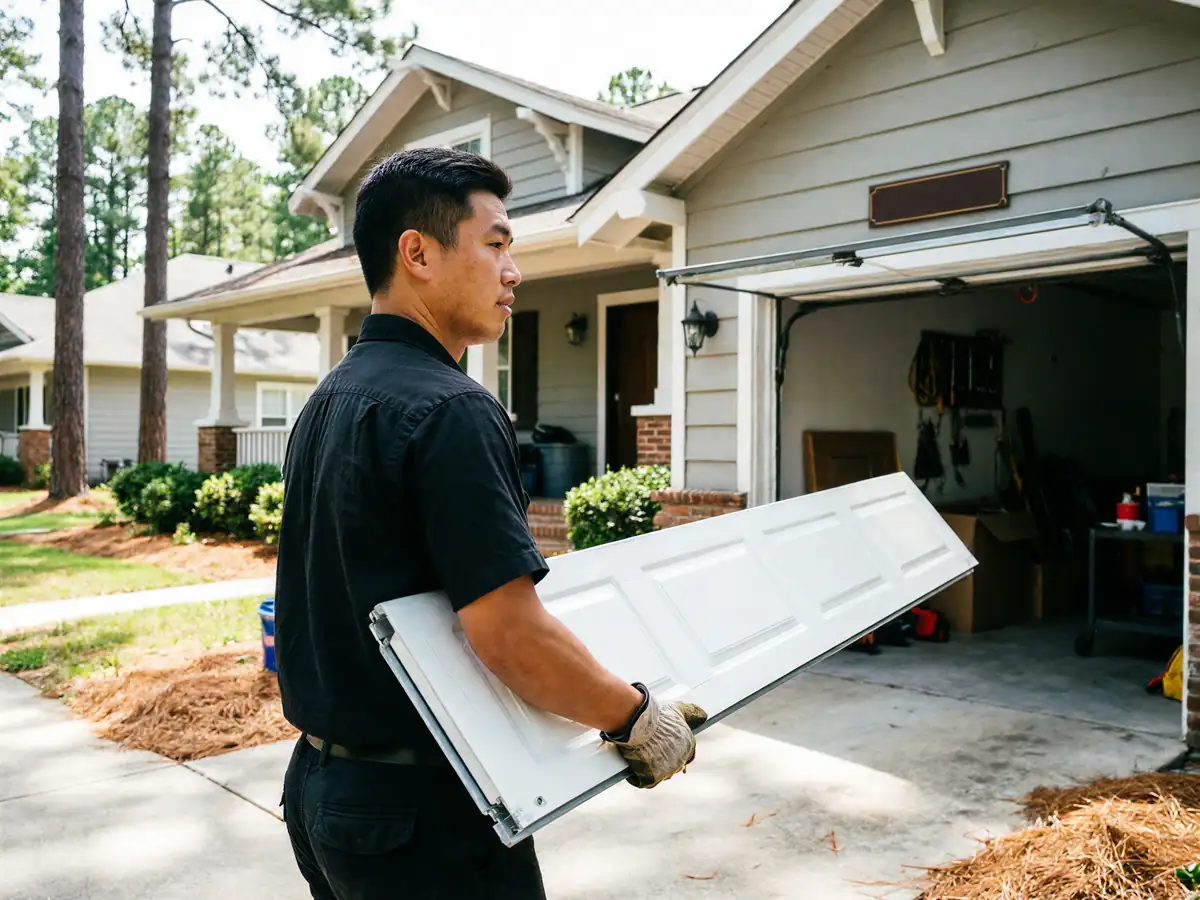
Because the Portsmouth stock leans older, we keep torsion springs sized for the shorter, heavier one-piece and early sectional doors common to mid-1960s construction, not just the lighter springs that fit a newer door. We also carry steel rollers and the drum/cable sets that match older track spacing, since a cable off an original drum is one of the more common night calls from a street like this. What we don't stock on the truck is custom-width panels - if a door was cut to an odd opening decades ago, or a panel's been painted over enough times to hide the real size, that part gets ordered and the truck roll that night is about stabilizing the door, not finishing the repair. Worth saying plainly: we're coming from Hampton, 13 miles up the road, so we load the truck based on what era of door we expect, not what's convenient to carry.
The Symptom
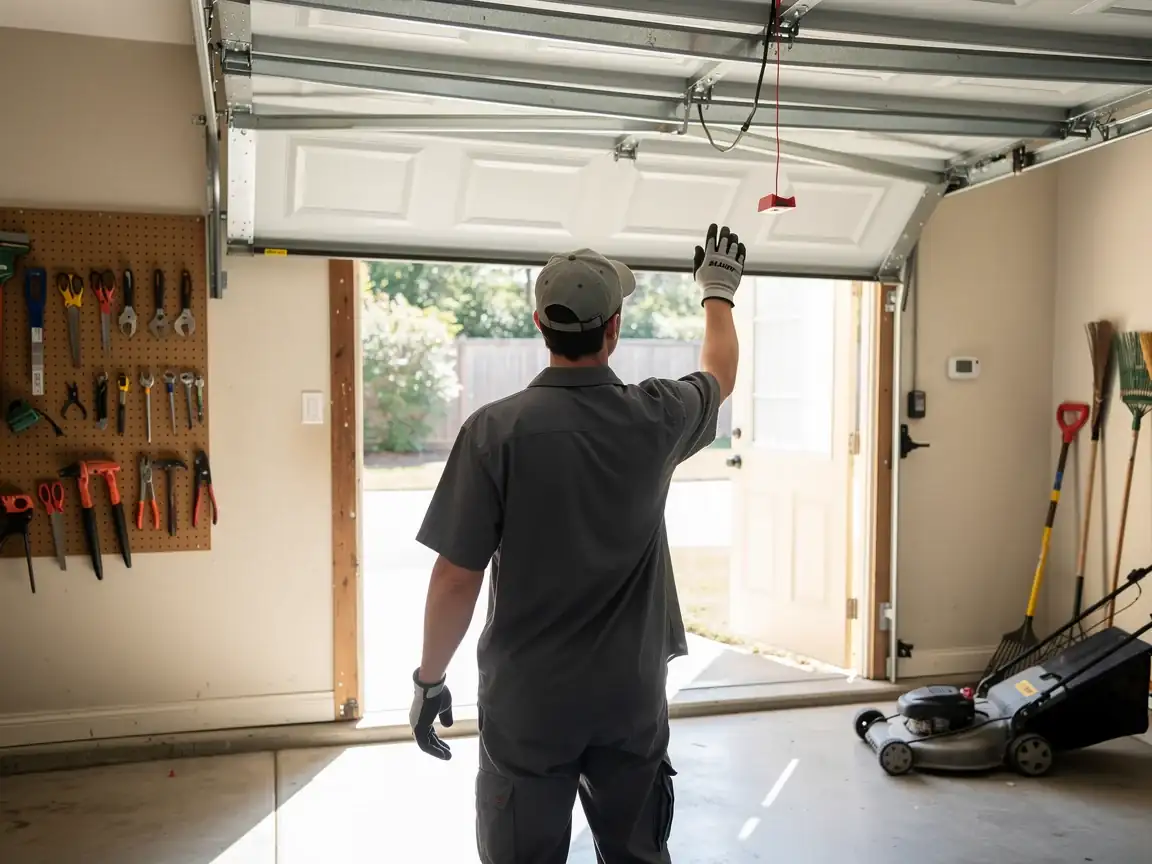
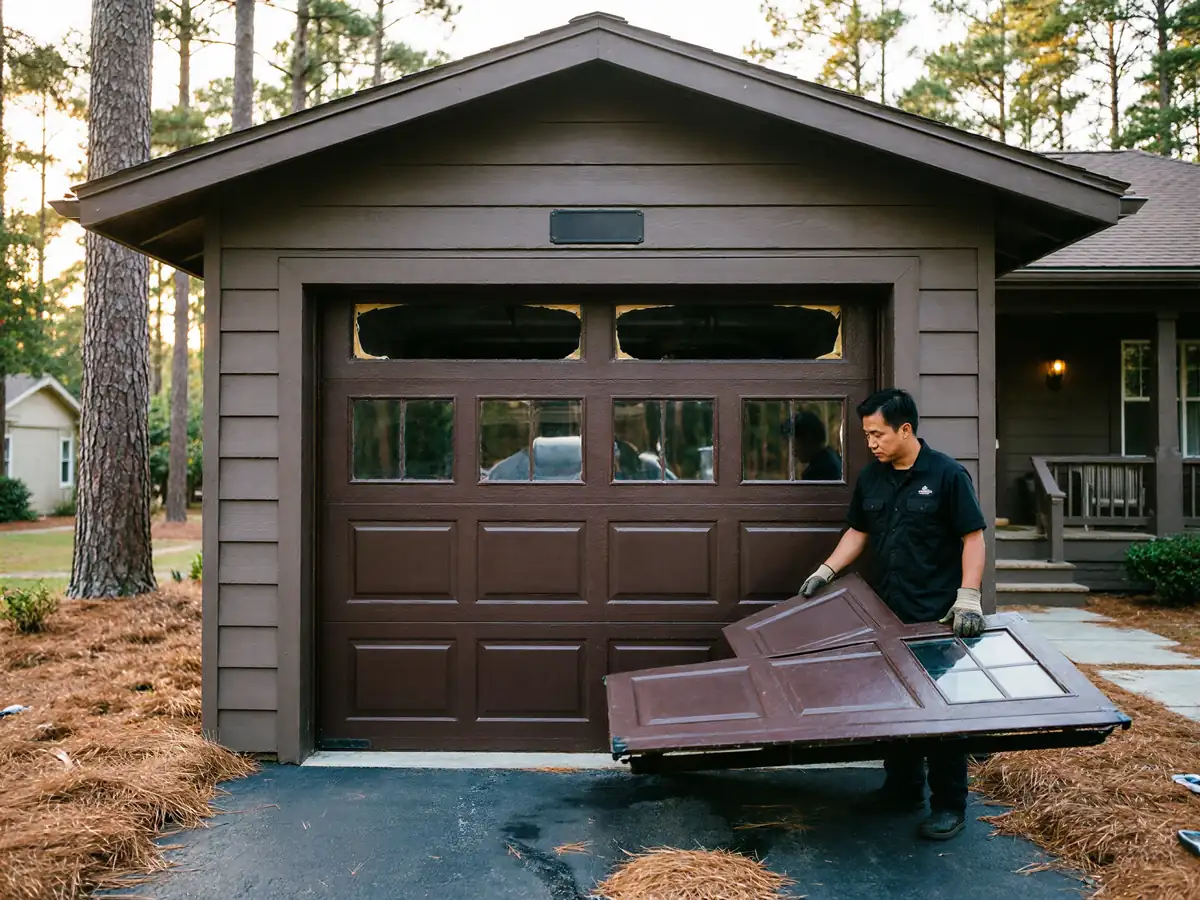
If the door is heavy to lift by hand, drops fast from halfway, or the opener strains and reverses without finishing the cycle, that's spring failure, not opener failure - on Portsmouth's older stock, that's the single most common emergency call we get. A door that's off its track entirely, hanging crooked, or that came down on something is a different problem and not one to force closed yourself. One honest limit: if the panel itself is bent or rusted through - common enough on a door this age - we're not going to recommend repairing just that section. At some point, patching a sixty-year-old door costs close to what replacing it would, and we'll tell you that on the phone before the truck even leaves Hampton.