Doing It Yourself
If your house in Portsmouth went up around the median build year of 1966
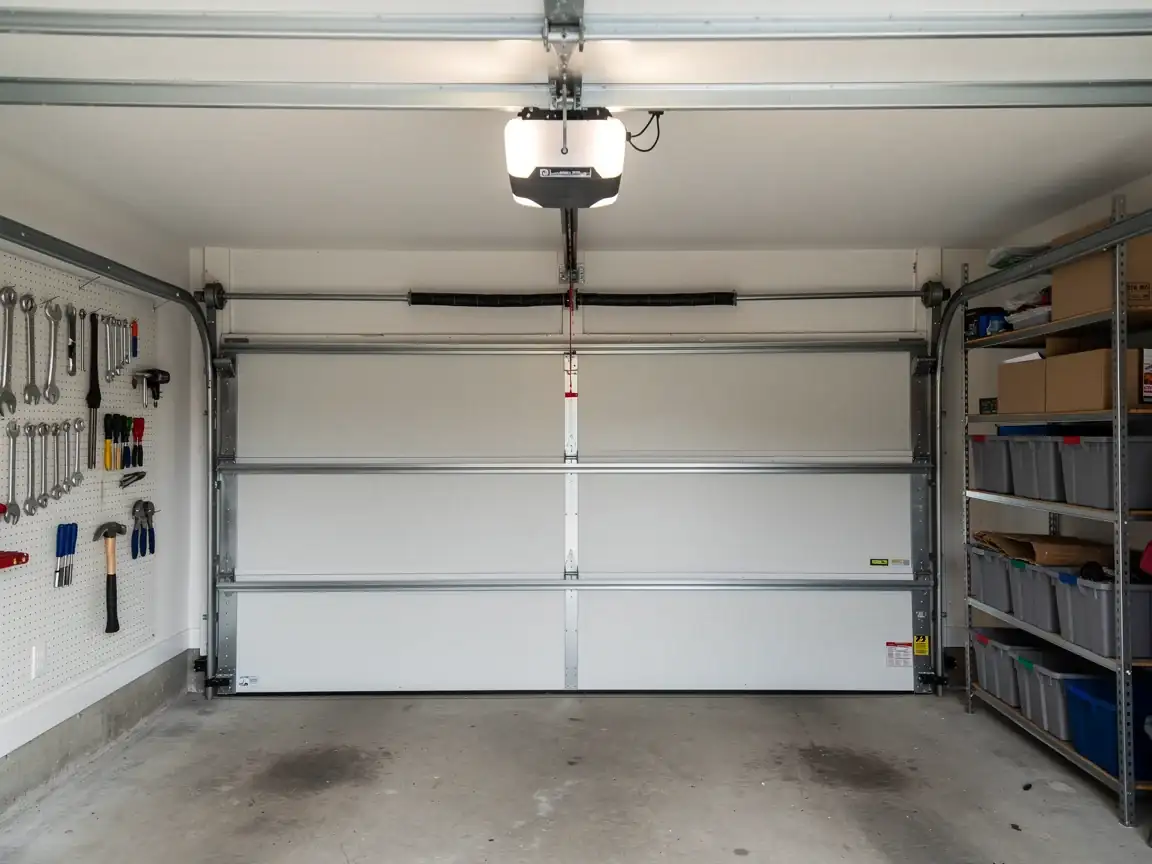
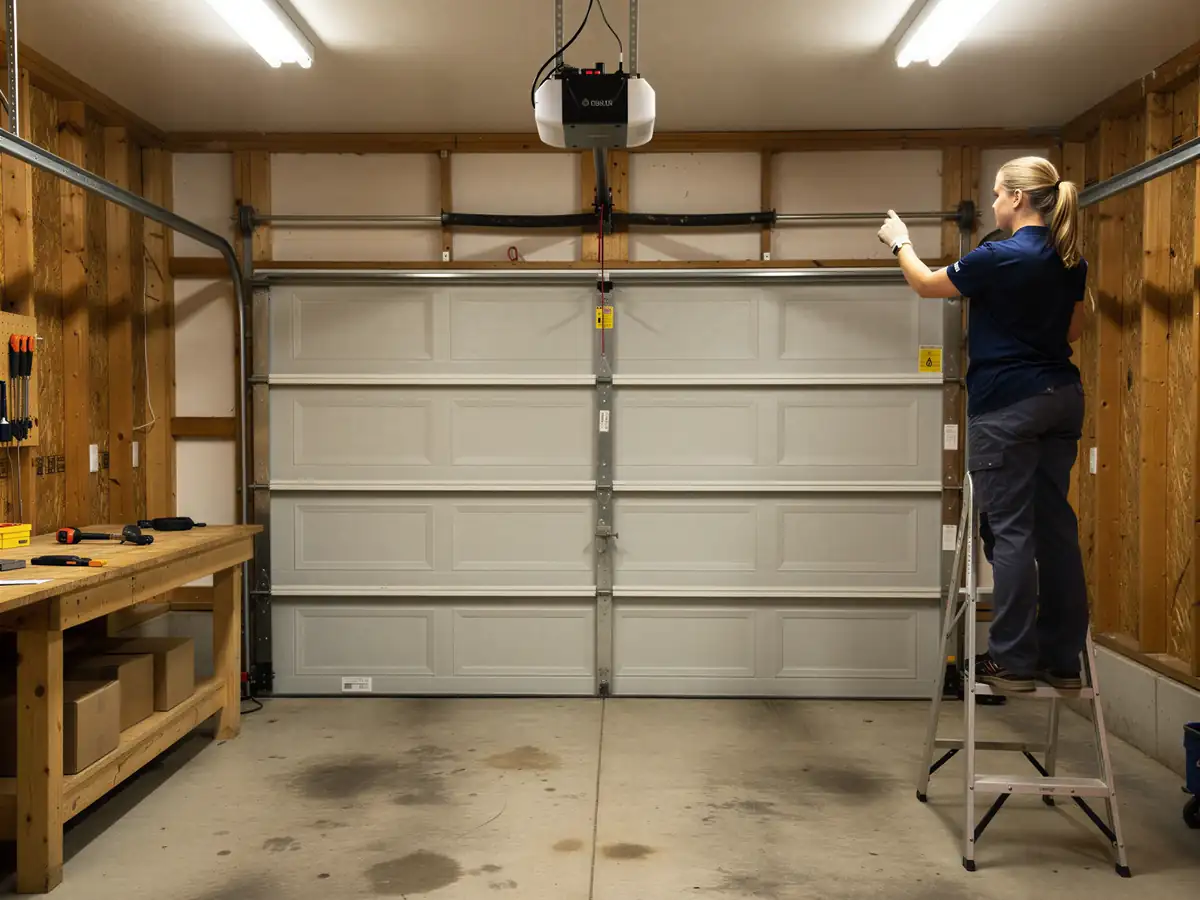
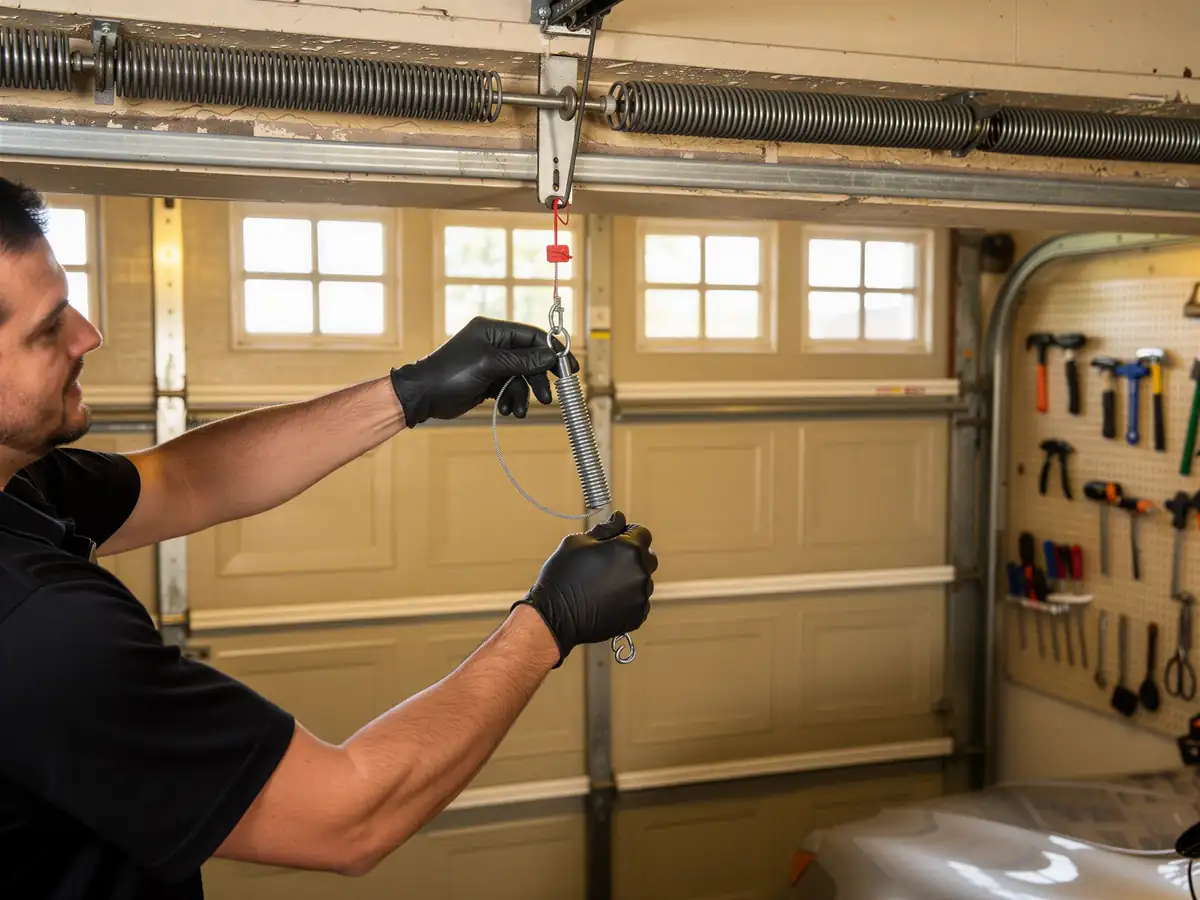
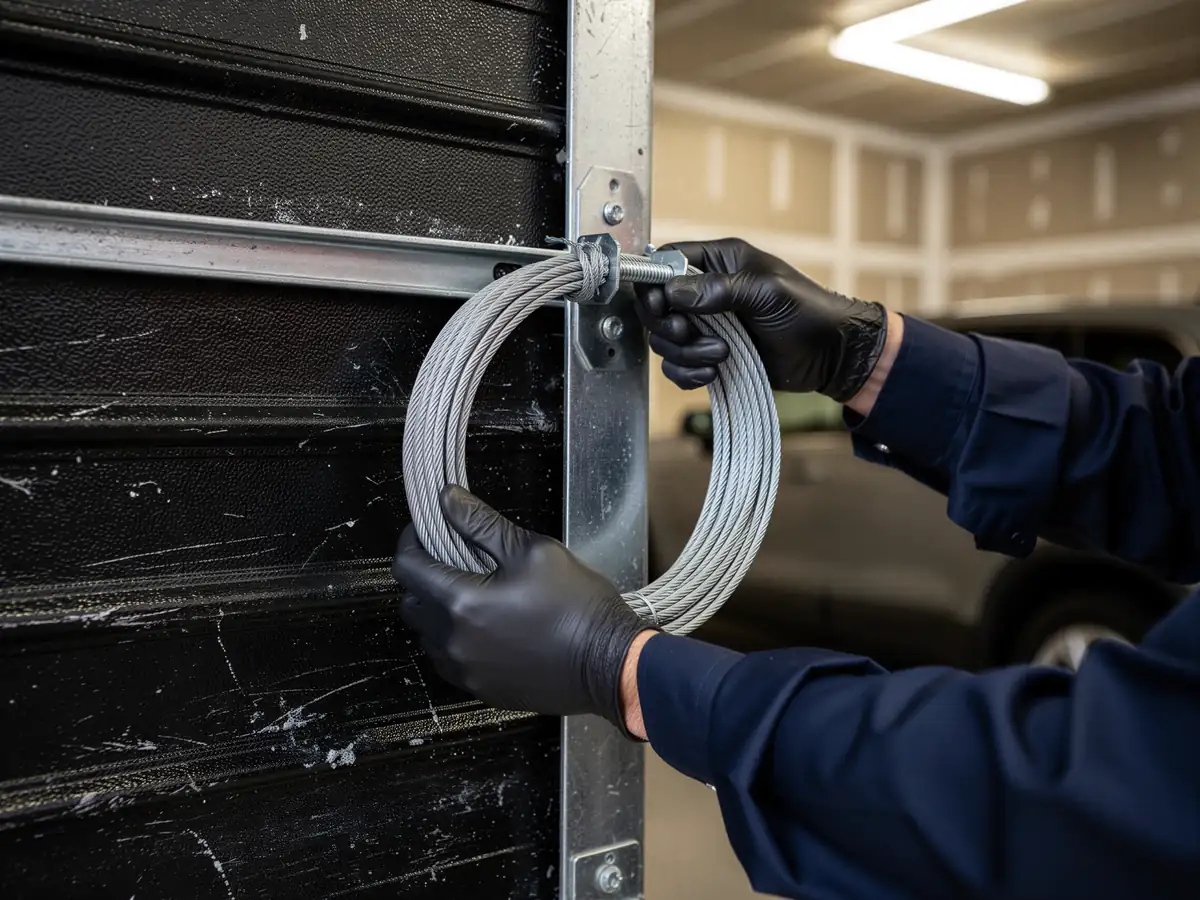
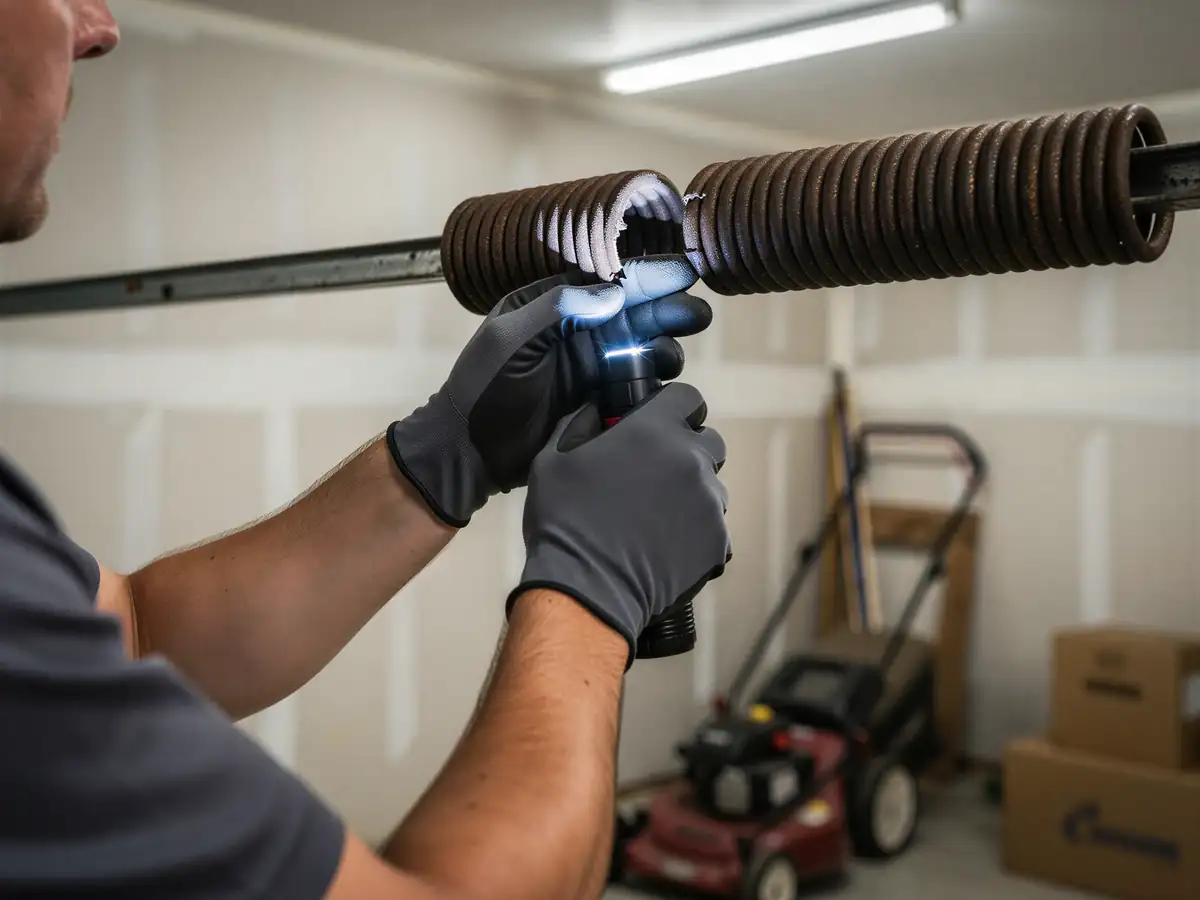
There's a decent chance nobody has ever touched the torsion spring, the cable drum, or the hinges on that door. Houses built in that stretch of the 1960s and 70s got hardware sized to the lighter doors of the time, and a lot of it just kept running quietly for decades with no reason for an owner to call anyone. That's the trap. A spring that's been coiling and uncoiling since 1966 doesn't give you much warning before it snaps, and the lift cables riding on the original drums are long past any rated lifespan.
YouTube will tell you winding a torsion spring is a weekend job
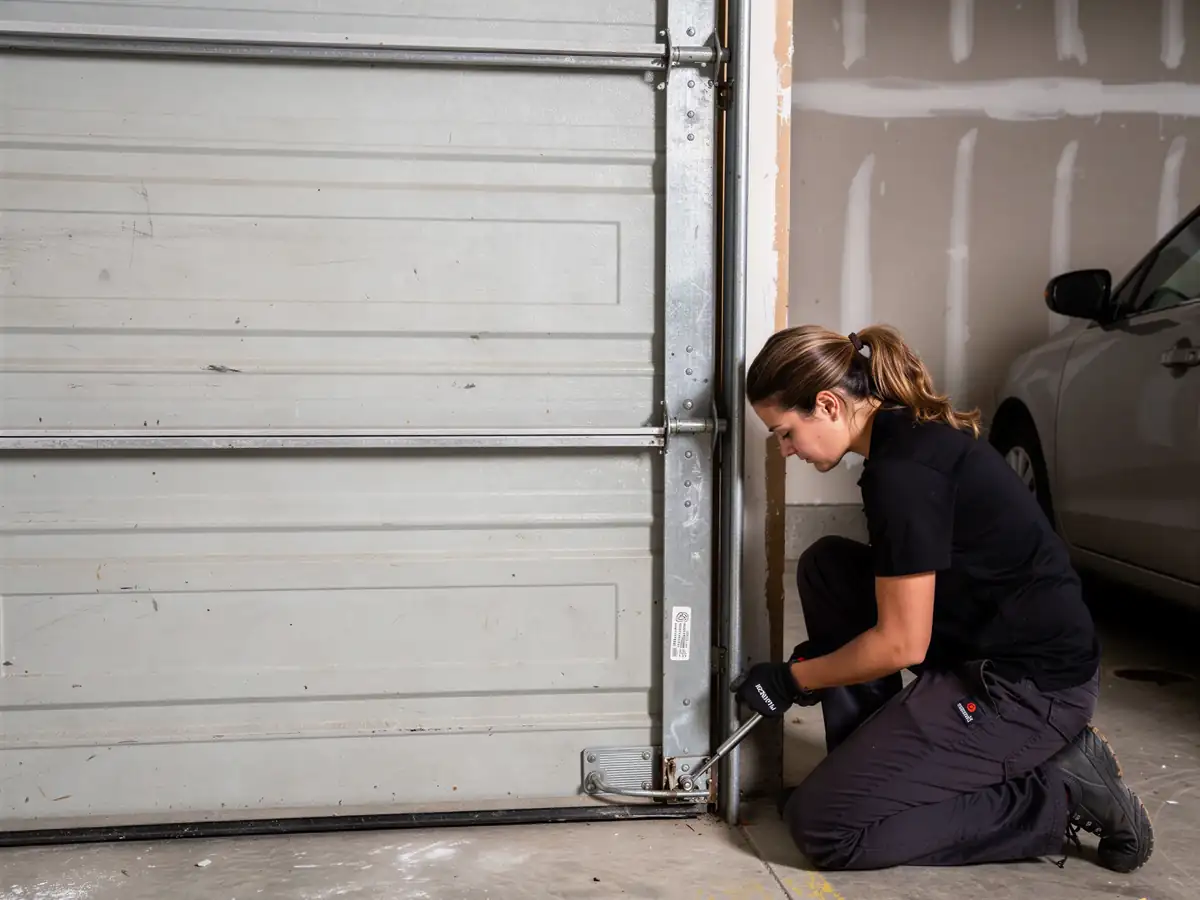
It is not, especially on hardware this old, where the galvanizing is thin and the winding cone can be pitted enough to slip under load. We're not going to pretend there isn't a DIY path for some of this - swapping a roller or tightening a loose hinge bolt is fine for a handy homeowner. Springs under tension, and anything attached to a cable drum, are a different category of risk. The hospital trips from torsion spring work are not rare, they're routine, and they happen to people who've done it before.
Why This Fails Locally
Portsmouth's housing didn't get the same wave of renovation push that newer parts of the service area saw. With median household income here at $58,972 - notably lower than the $90,885 figure across the broader area we cover - fewer of these doors get replaced proactively. People fix what breaks instead of upgrading ahead of a failure, which is a reasonable way to run a budget, but it means the original 1966-era torsion springs and drums are still out there in higher numbers than you'd find in a newer subdivision.
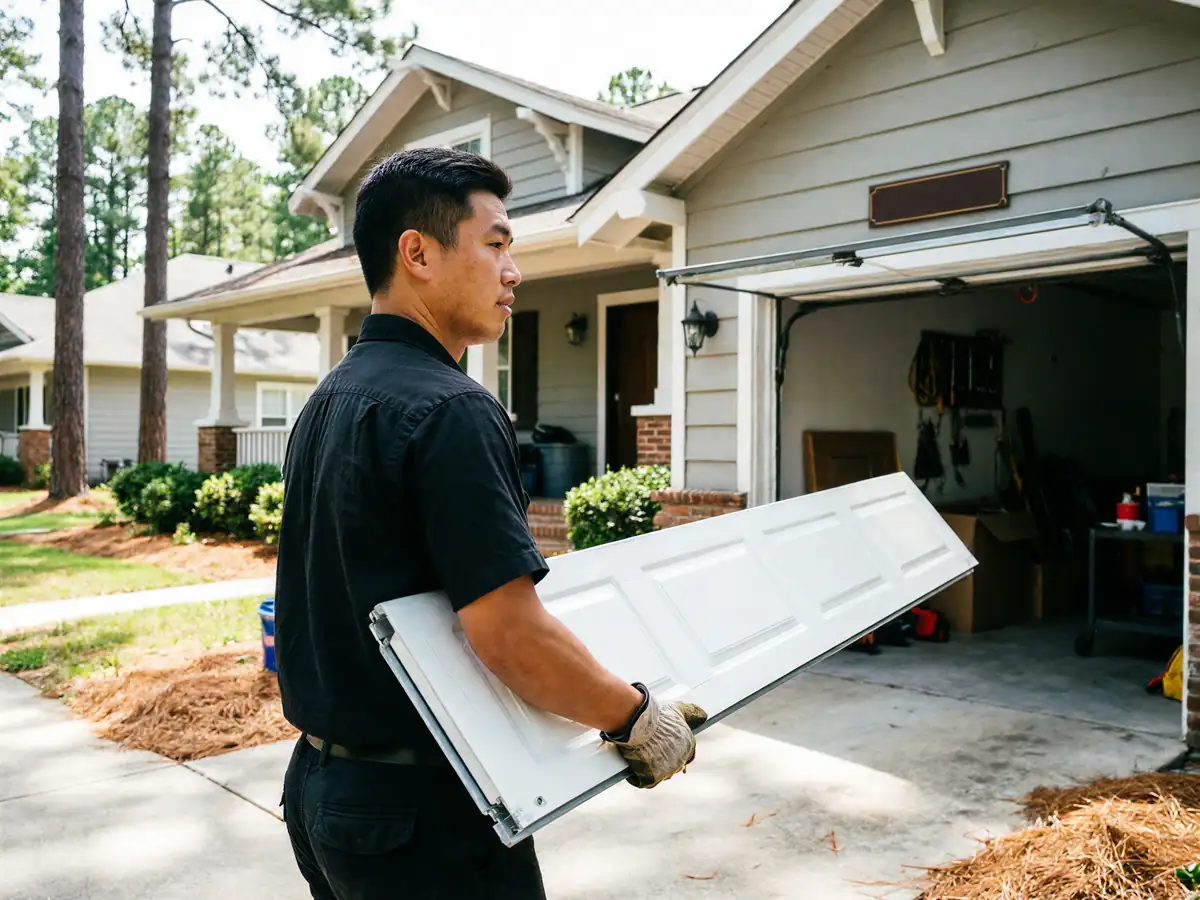
Across the roughly 39,678 households in Portsmouth, a large share are sitting on hardware that was engineered for a lighter-gauge steel door, not the insulated panel doors sold today. When an opener gets added later - which is common, since automatic openers weren't standard equipment on 1966 construction - it's often bolted onto springs that were never rated for the extra cycling an opener demands. That mismatch between old spring and newer opener is one of the more common calls we get once we're on site.
Parts We Carry
We stock what actually fails on hardware this age: torsion springs in the sizes common to 1960s and 70s residential doors, lift cables, drum sets, and the hinges and rollers that wear out from decades of cycling on galvanized track that's never been replaced. Center bearings and end bearing plates from this era corrode from the inside, so we carry those too rather than hoping a bearing with surface rust is fine.
What we don't carry on the truck is a replacement for every obsolete opener logic board from that period - some of those parts simply aren't manufactured anymore, and if yours has failed, we'll tell you straight that a new opener costs less than hunting down a thirty-year-old control board. That's the honest limit: we fix what's fixable, and we won't bill you for a parts search that isn't going anywhere.
Where This Job Goes Sideways
The call that starts as "the door won't open" on a Portsmouth house from this era often turns into something bigger once we're under the door
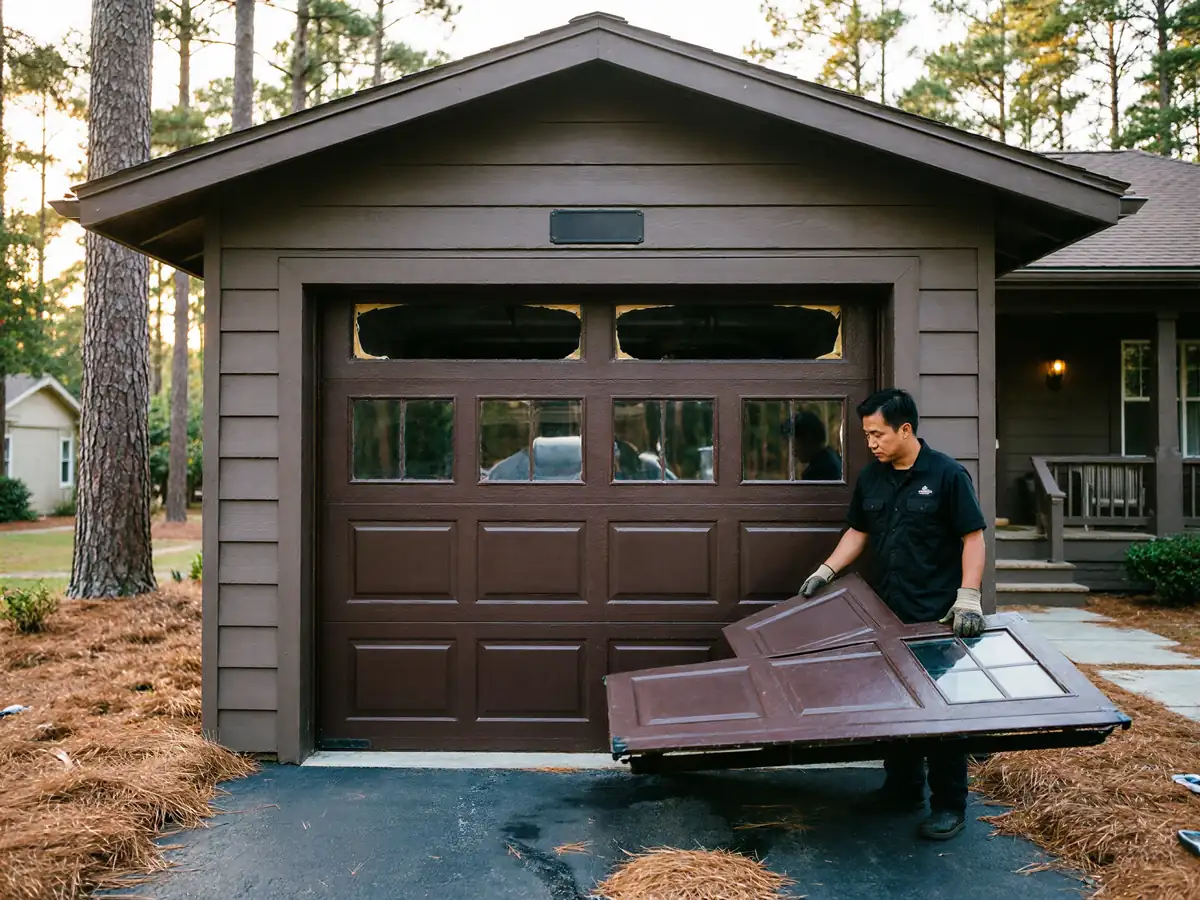
A snapped spring on one side usually means the other side is close behind, since they were wound the same year and carry the same fatigue. We see cable drums that have worn a groove deep enough that the cable has started jumping track, which isn't a five-minute fix - it's a full hardware swap on that side.
The other place this goes sideways is the opener retrofit
If a homeowner added an opener sometime after the original build, the bracket and the header mount are sometimes just screwed into drywall or thin framing that was never meant to carry the pull force, especially under repeated cycling. We've opened up headers on doors this age and found reinforcement that wouldn't hold up a door half this weight. That's not a quick spring swap - that's a conversation about what the opening can actually support.
The Symptom
Cold mornings are when 1966-era torsion springs tend to announce themselves. In a cold-moderate climate like this one, steel contracts just enough overnight that a spring already near the end of its fatigue life will bind, groan, or let go outright on the first lift of the day. If your door feels heavier in January than it does in July, that's not your imagination - it's old steel losing a little bit of tension with every cold cycle.
We drive the 13 miles from Hampton for these calls regularly, because this pattern - original hardware, added opener, decades of cycling, no mid-life inspection - shows up house after house in Portsmouth. If your door is slamming the last foot of travel, or the opener strains and reverses before it closes, that's usually a spring that's lost tension, not an opener that's failing. Worth a look before it snaps.