Why This Fails Locally
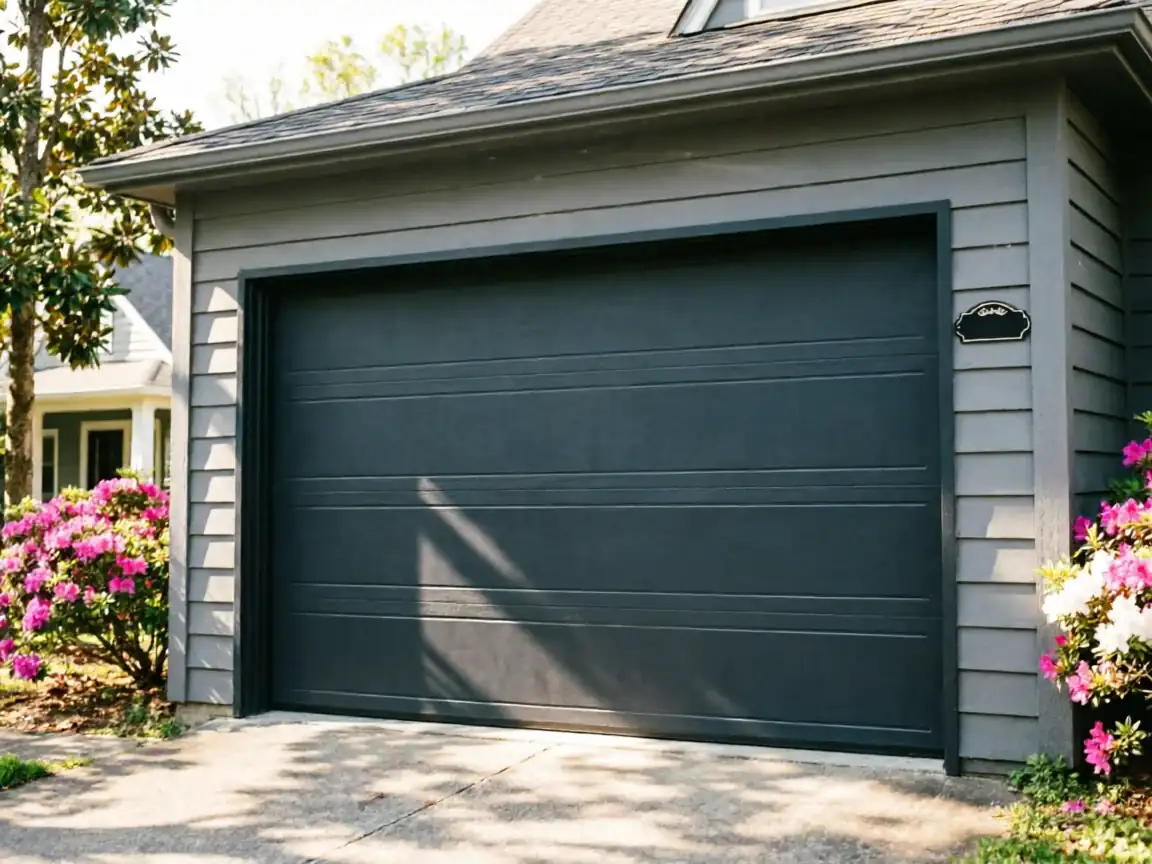
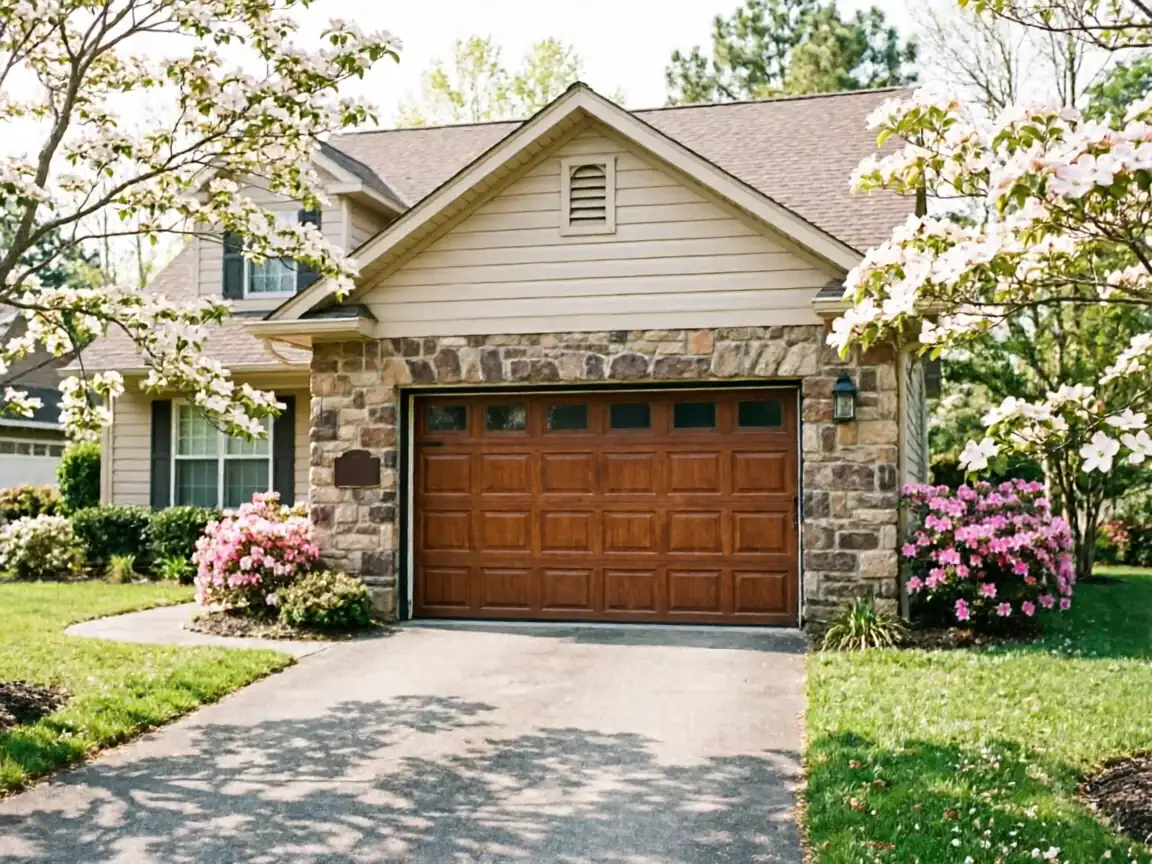
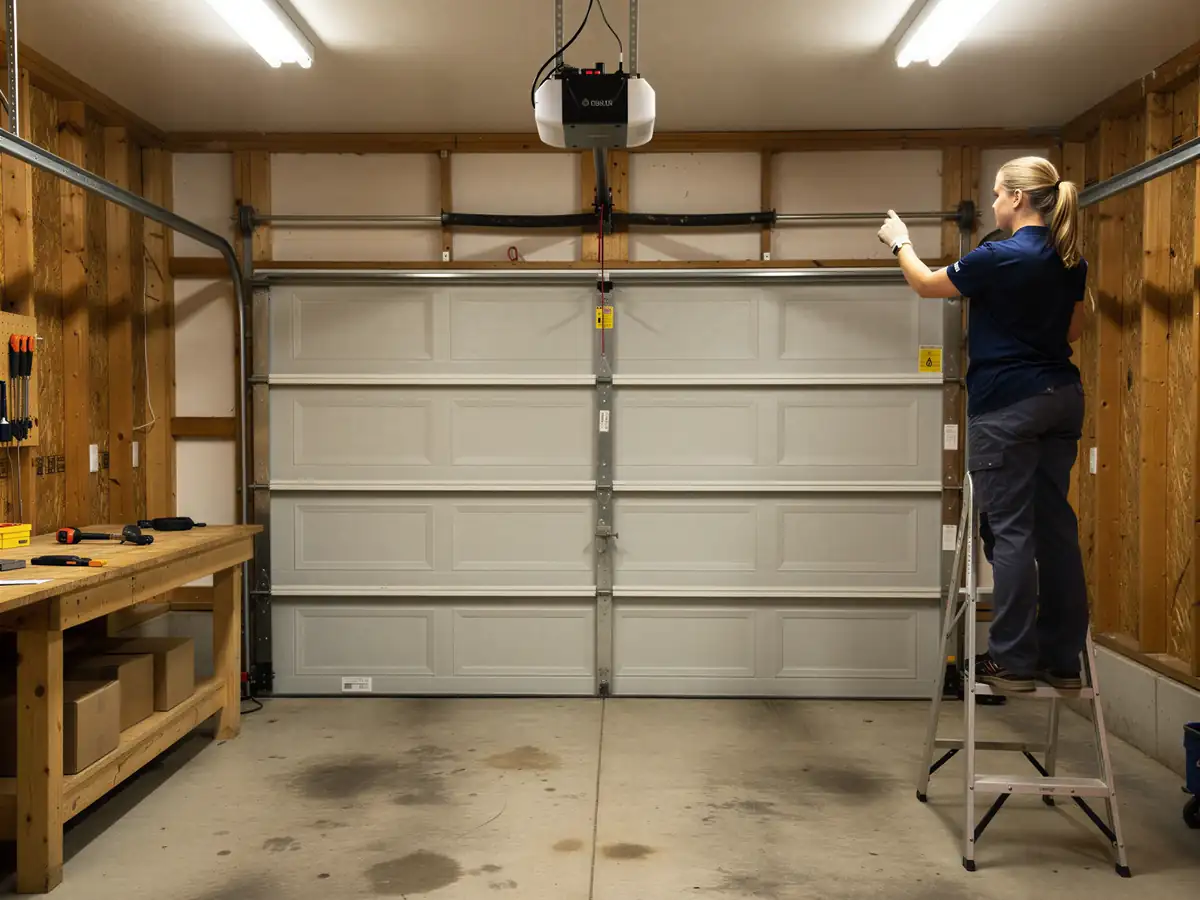
The failure isn't the brand of door - it's the mismatch between a 2024 product and a 1966 opening. Headers in homes from this era often sit lower, jamb studs were placed for narrower doors than today's standard widths, and the wiring run for an opener wasn't planned for a modern unit with built-in WiFi and a battery backup. With households here numbering 39,678 and a median income of $58,972 - noticeably below the $90,885 median across the broader service area - a lot of owners are weighing a full new install against another round of spring and track repairs on a door that's already decades past its original hardware. That math only works if the new door and opener are actually sized for the opening you have, not the opening a catalog assumes you have. We measure the jamb, the header, and the track radius before we order anything, because guessing on a house this age costs more in return trips than it saves in time.
Parts We Carry
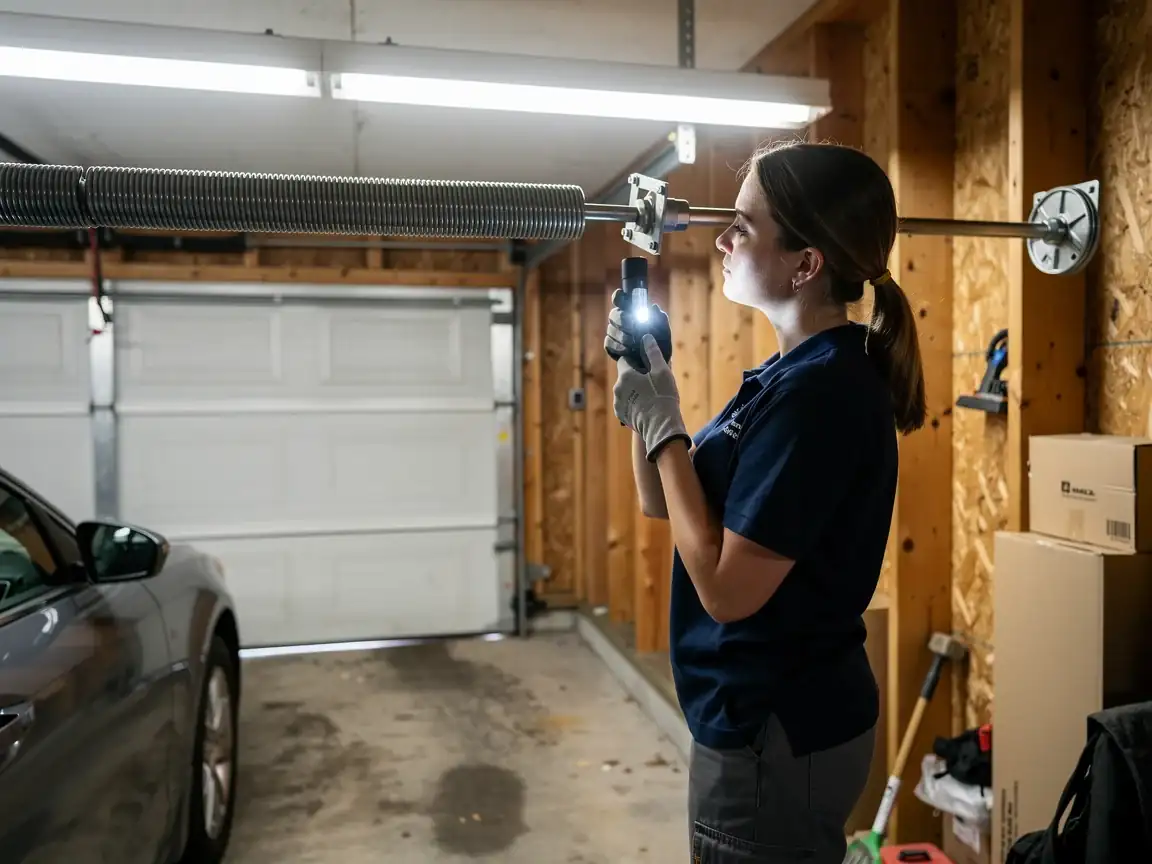
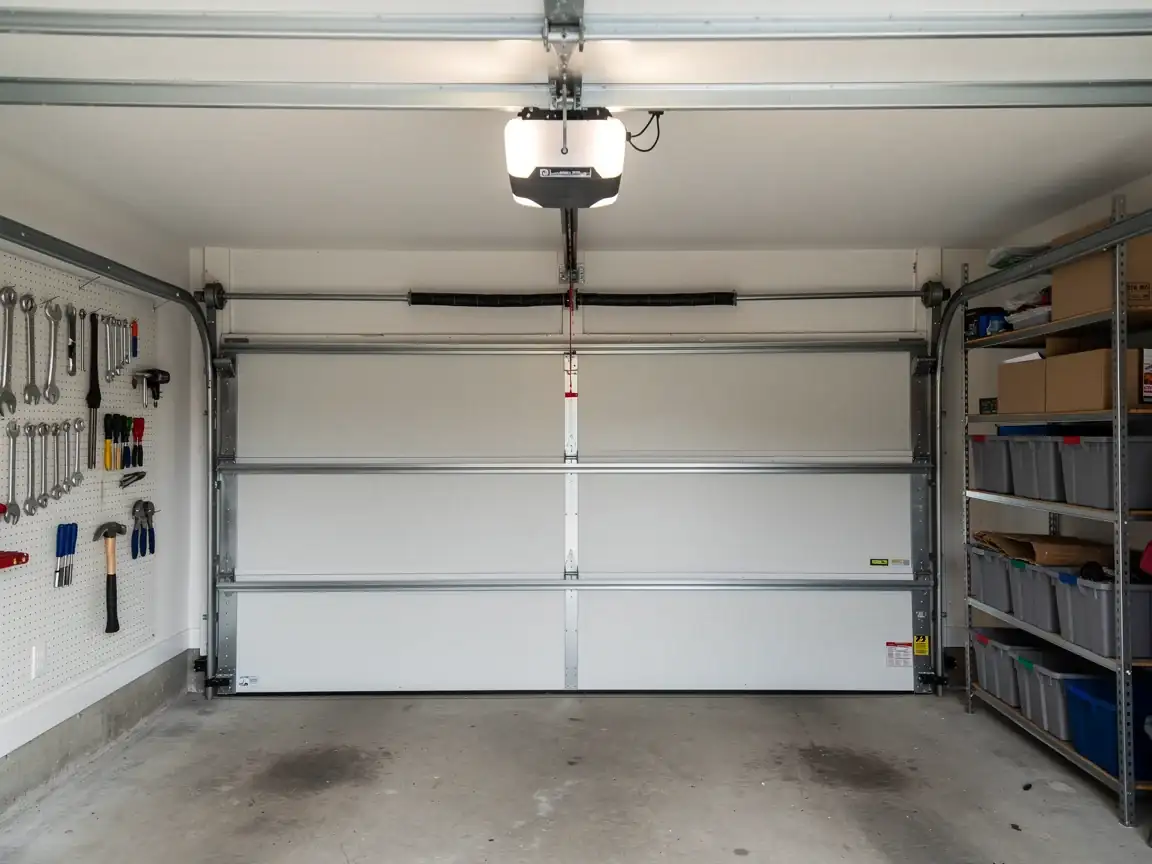
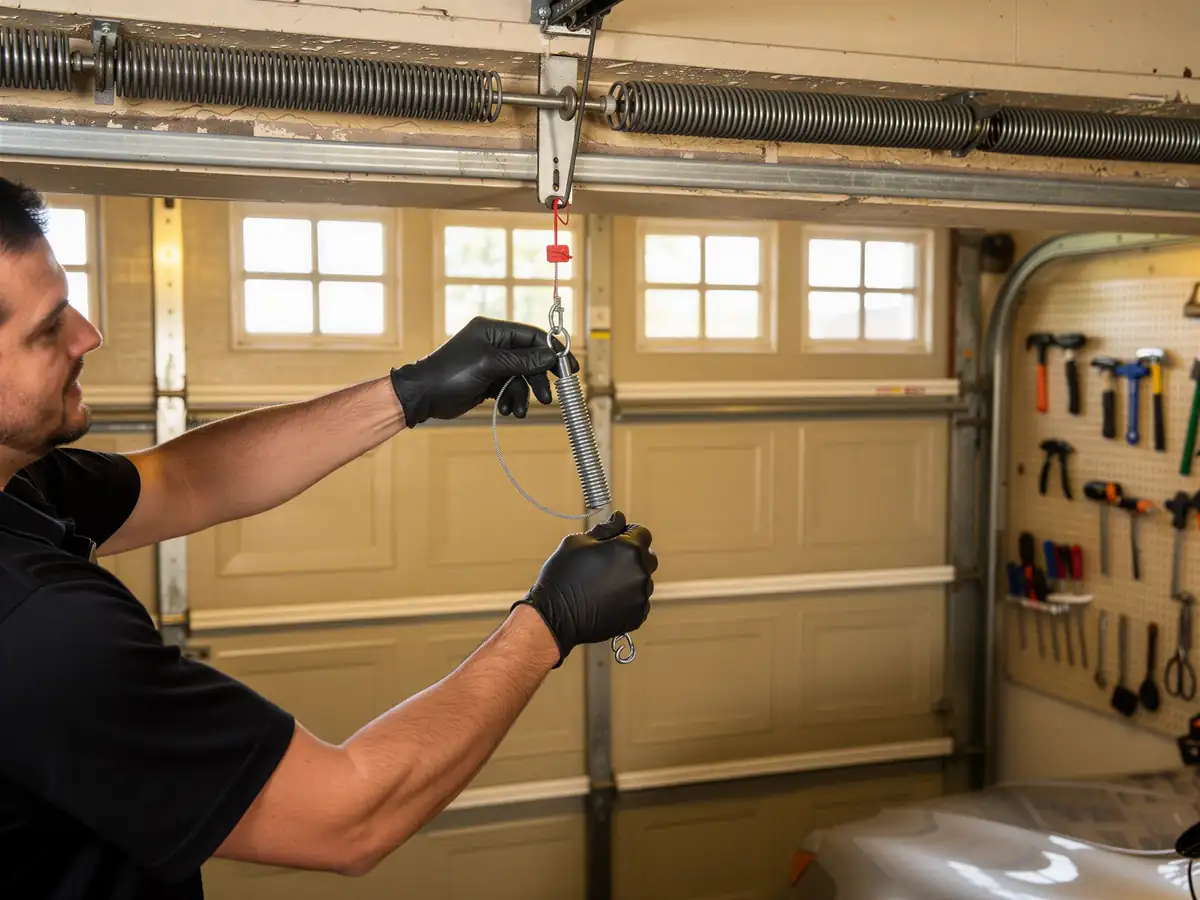
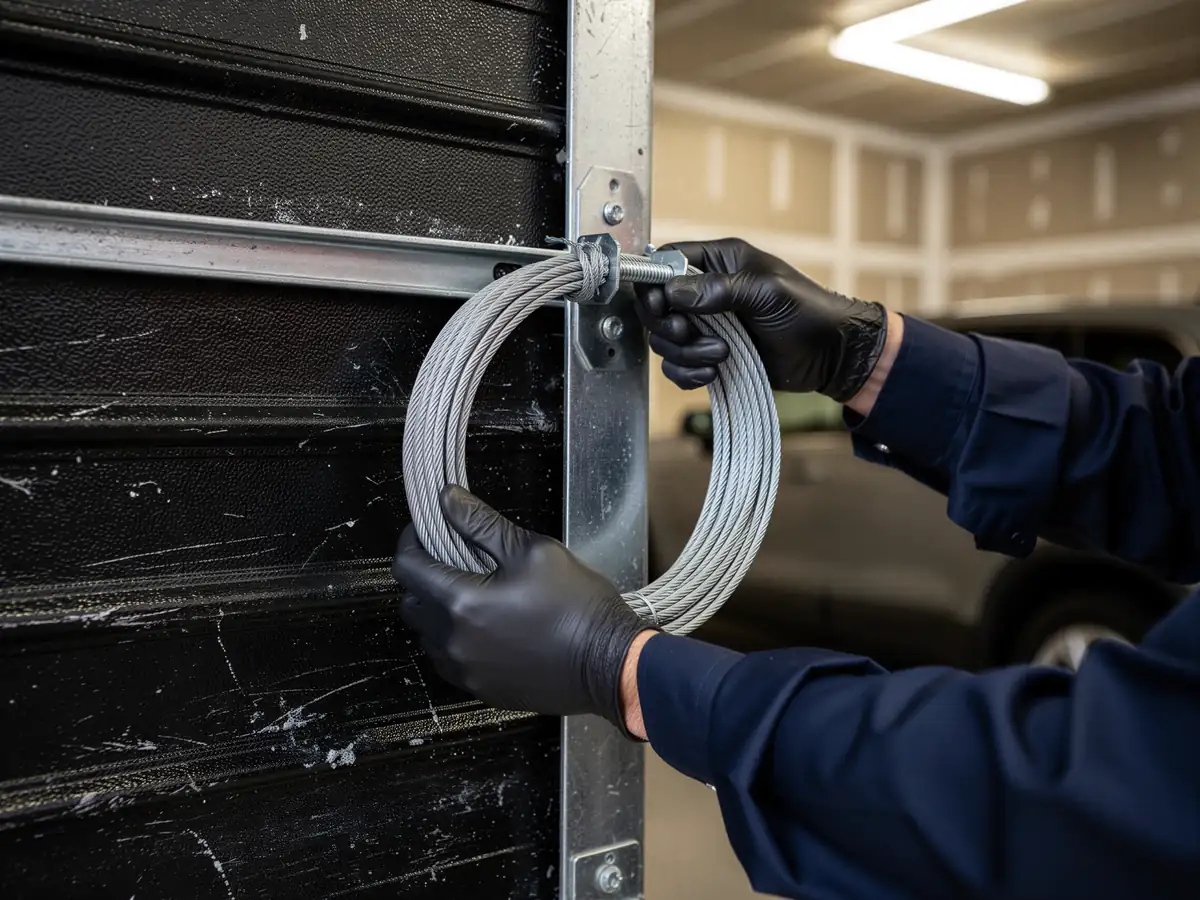
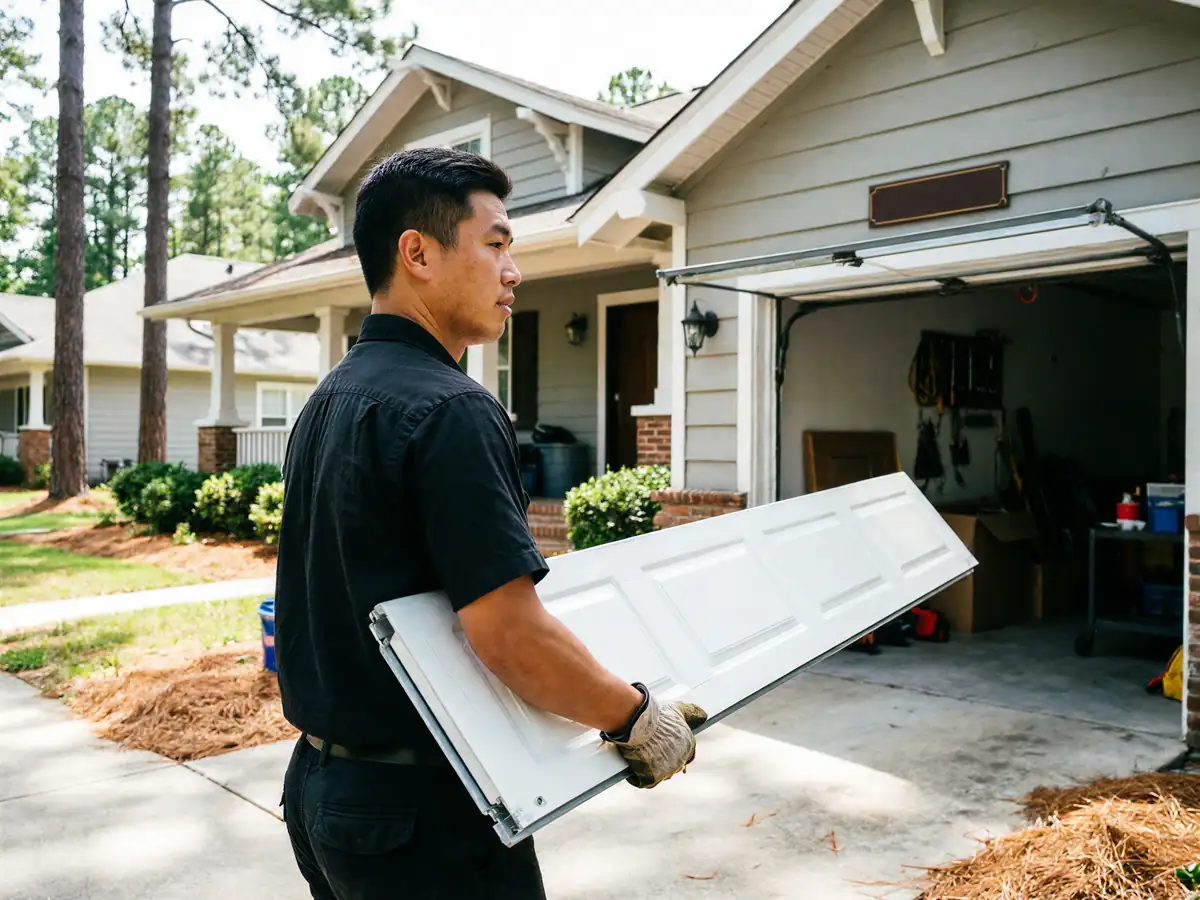
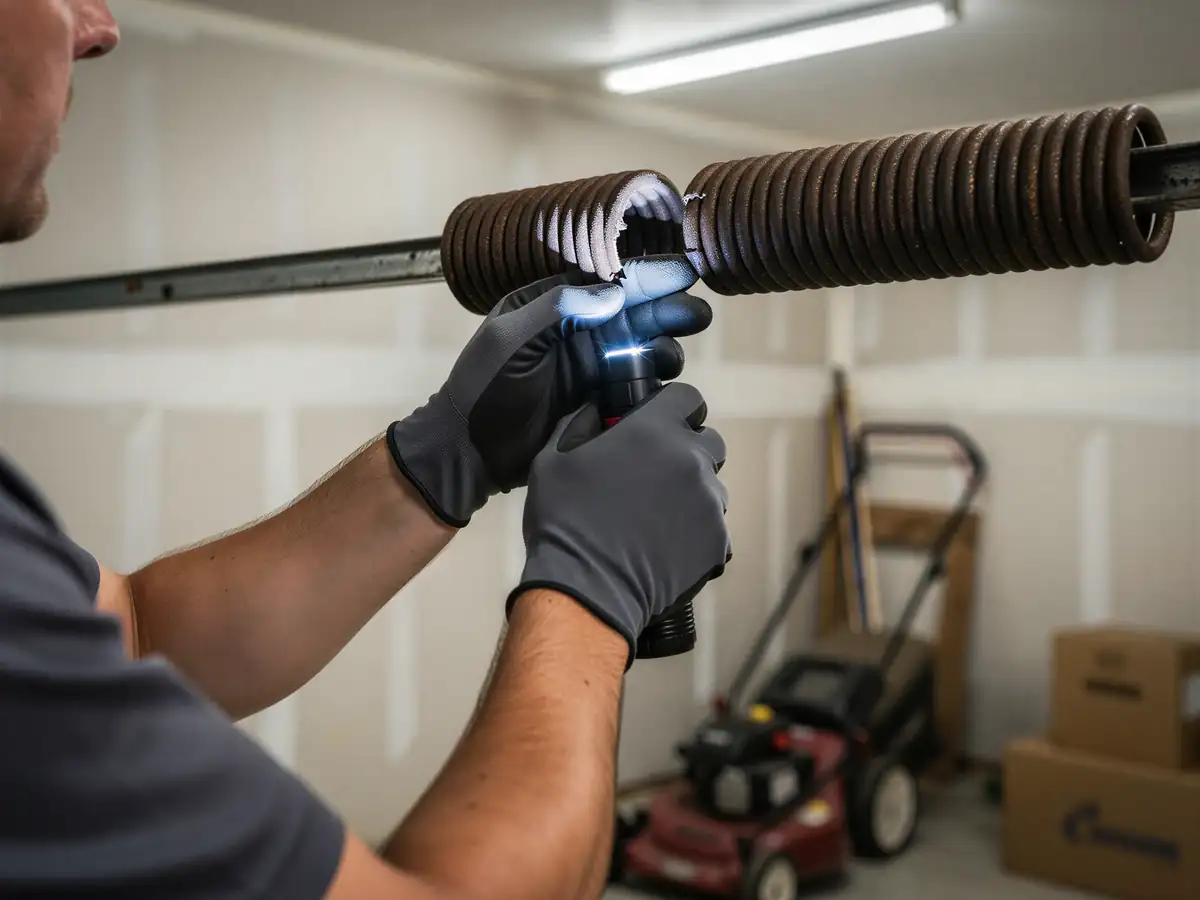
For new installs here we stock torsion springs sized for both older single-layer doors and current two- and three-layer insulated panels, since Portsmouth has both generations standing side by side on the same block. We carry standard-lift and high-lift track hardware, galvanized rollers rated for the area's humidity, and openers with manual-release chains for owners who don't want a smart-home opener wired into a 1966 electrical panel. What we don't stock on the truck is custom-width door panels for openings that fall outside standard sizes - those get special-ordered, and that's the one piece of this job with a real lead time. We'll tell you upfront if your opening needs that before we quote the job, not after we've started it.
The Symptom
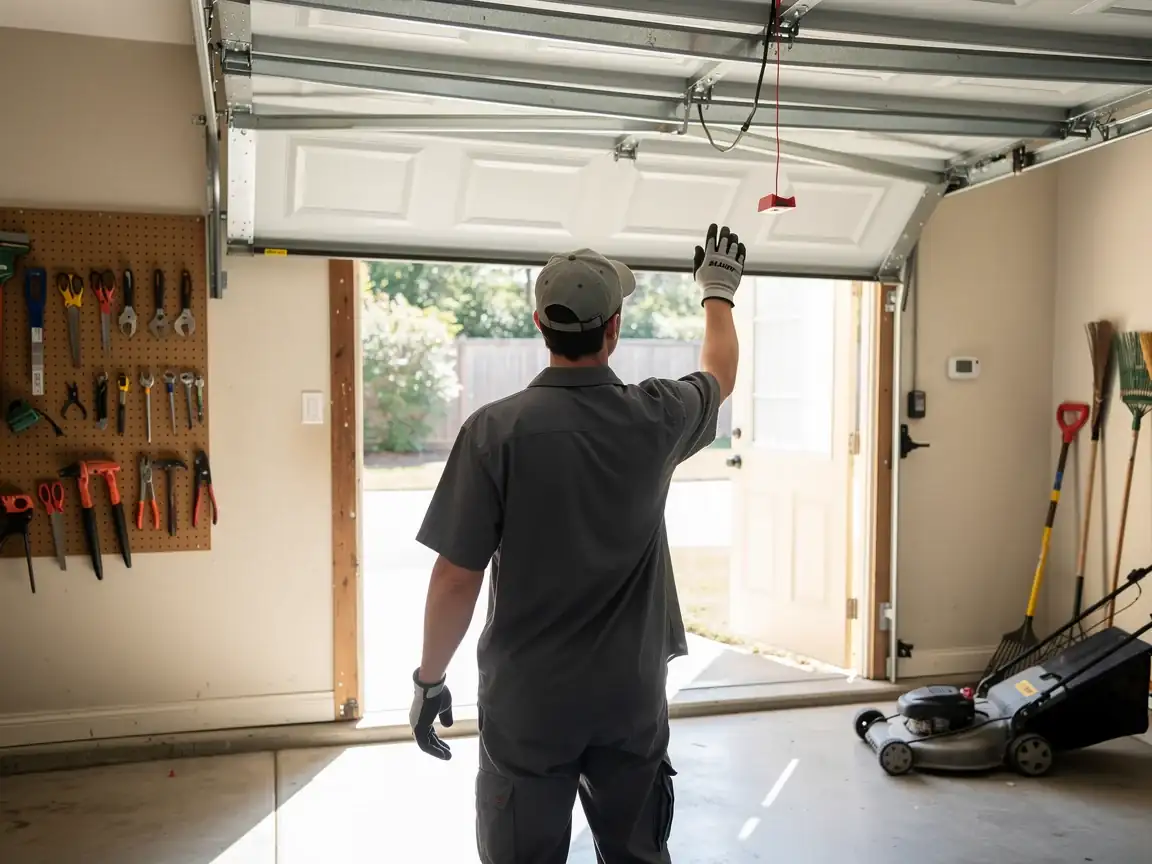
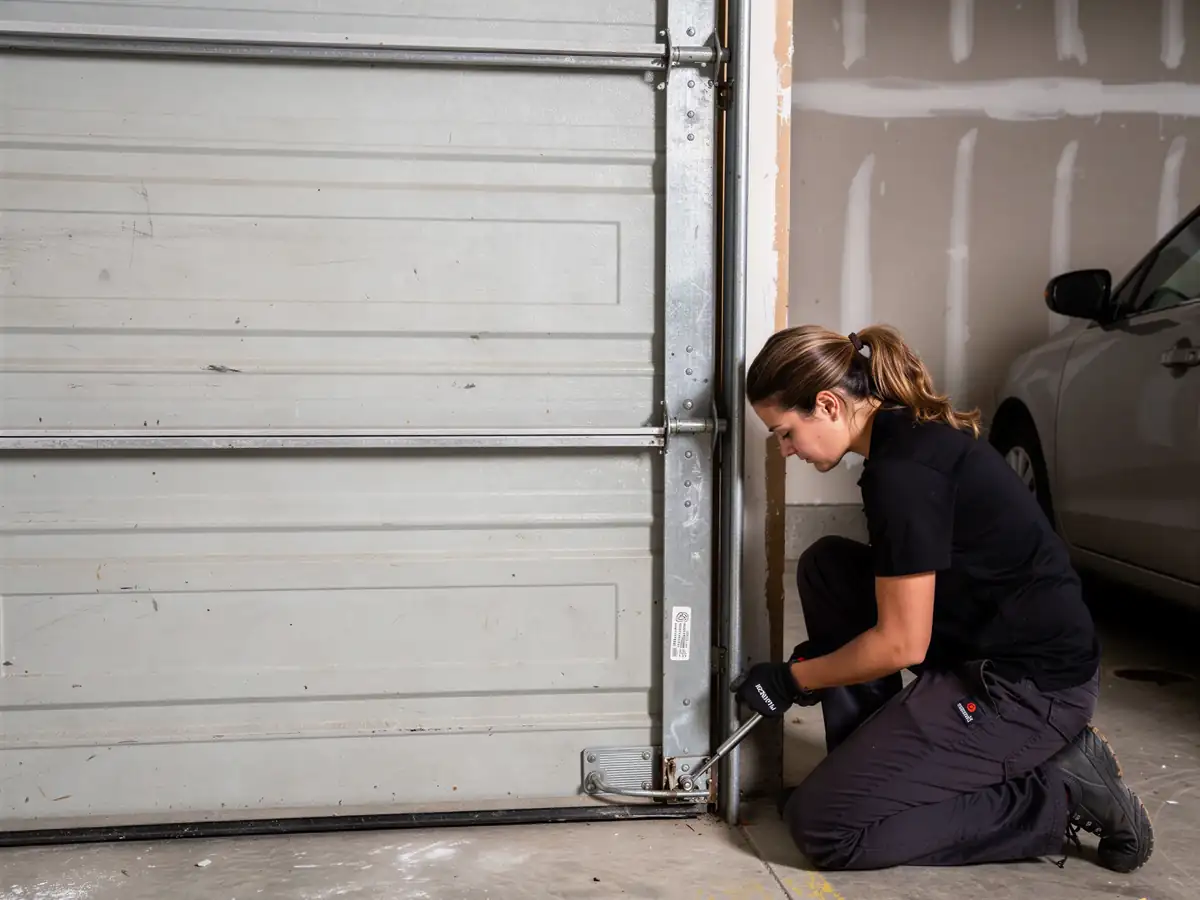
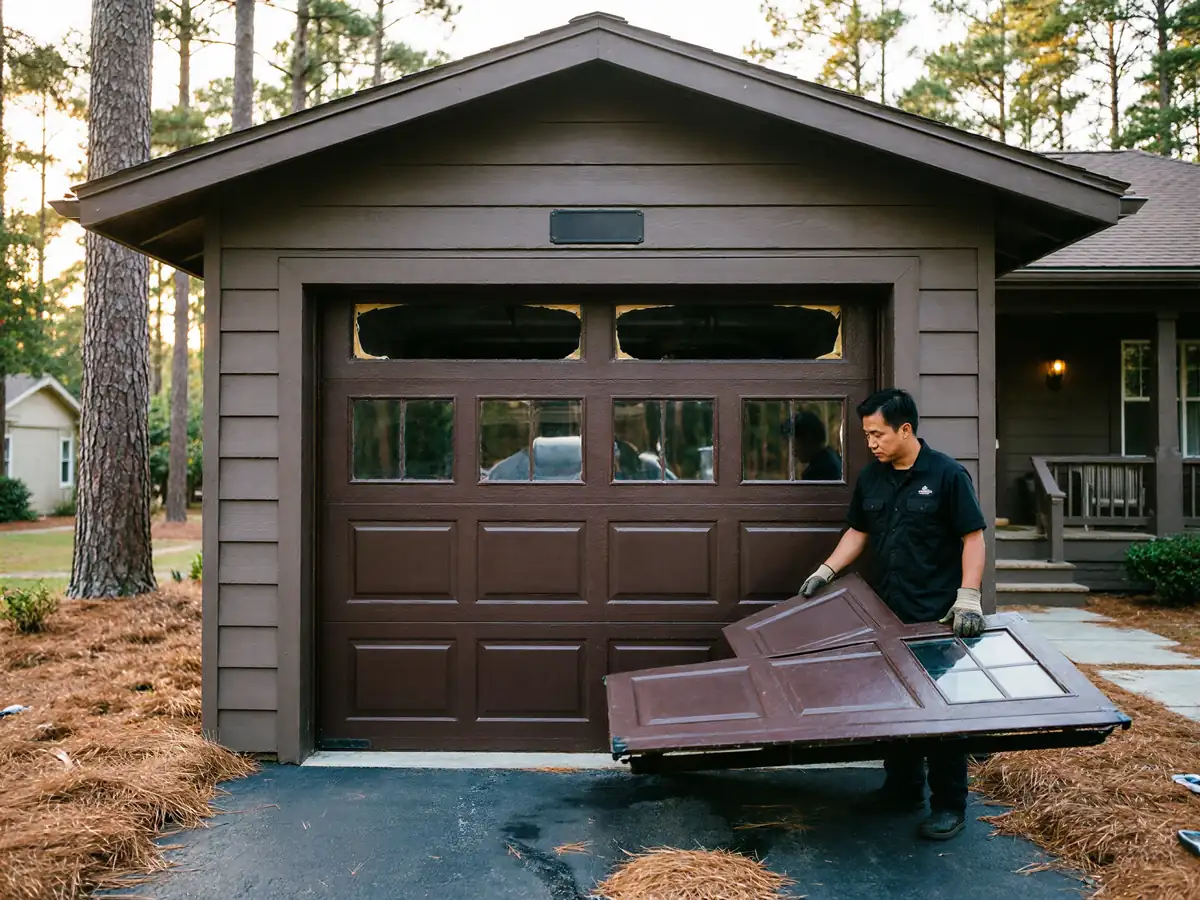
If your current door is still the original from when the house was built in the mid-1960s, the sign you're due for a new install rather than another repair is usually the door itself getting heavier to lift by hand, even after a spring adjustment. That's steel panel fatigue, not a spring problem, and no amount of re-tensioning fixes it. The other common sign is a track that's visibly bowed from decades of a heavier, uninsulated panel riding on it - rollers get noisy, then start binding. Neither symptom is an emergency, but both get worse the longer the original 1966-era door stays in service. We travel out from Hampton, about 13 miles, to look at these jobs and quote the install against what your opening actually needs.