Why This Fails Locally
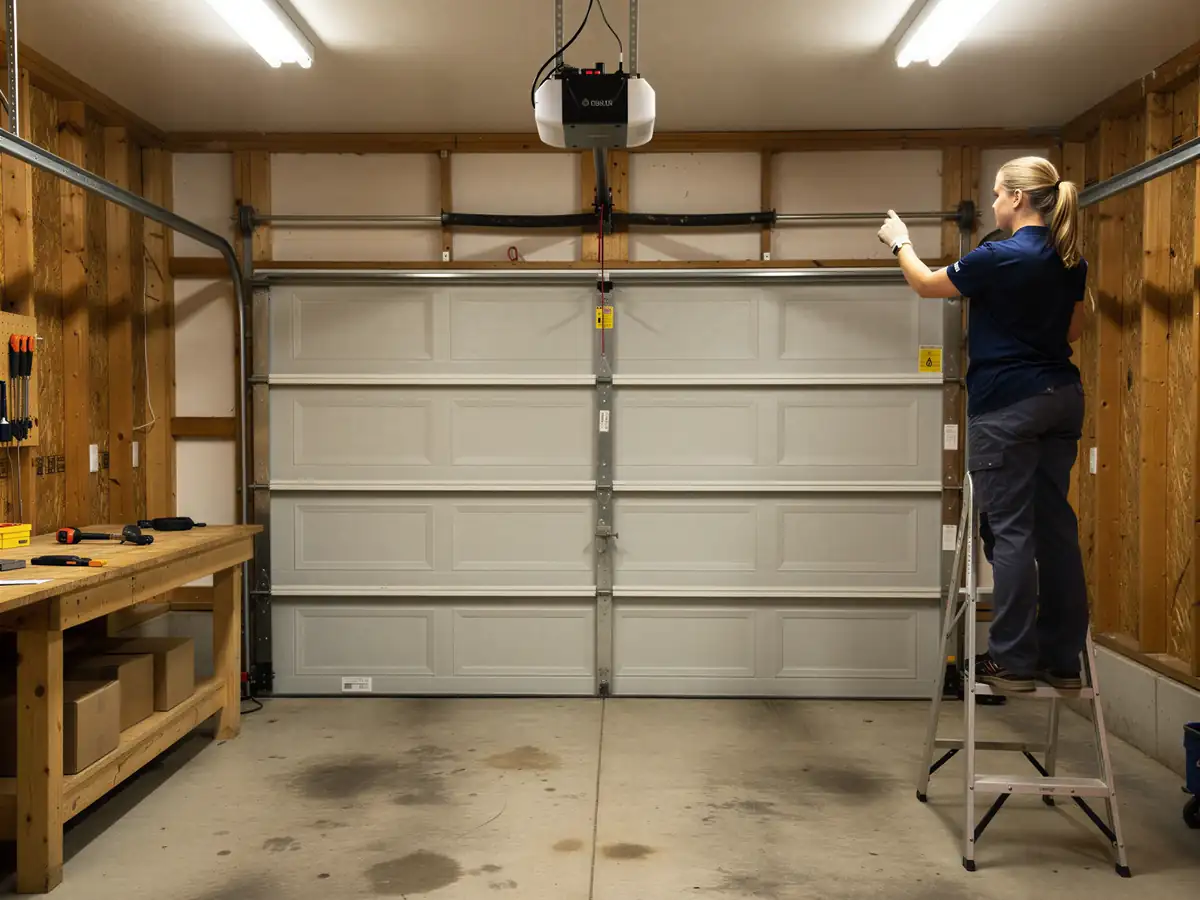
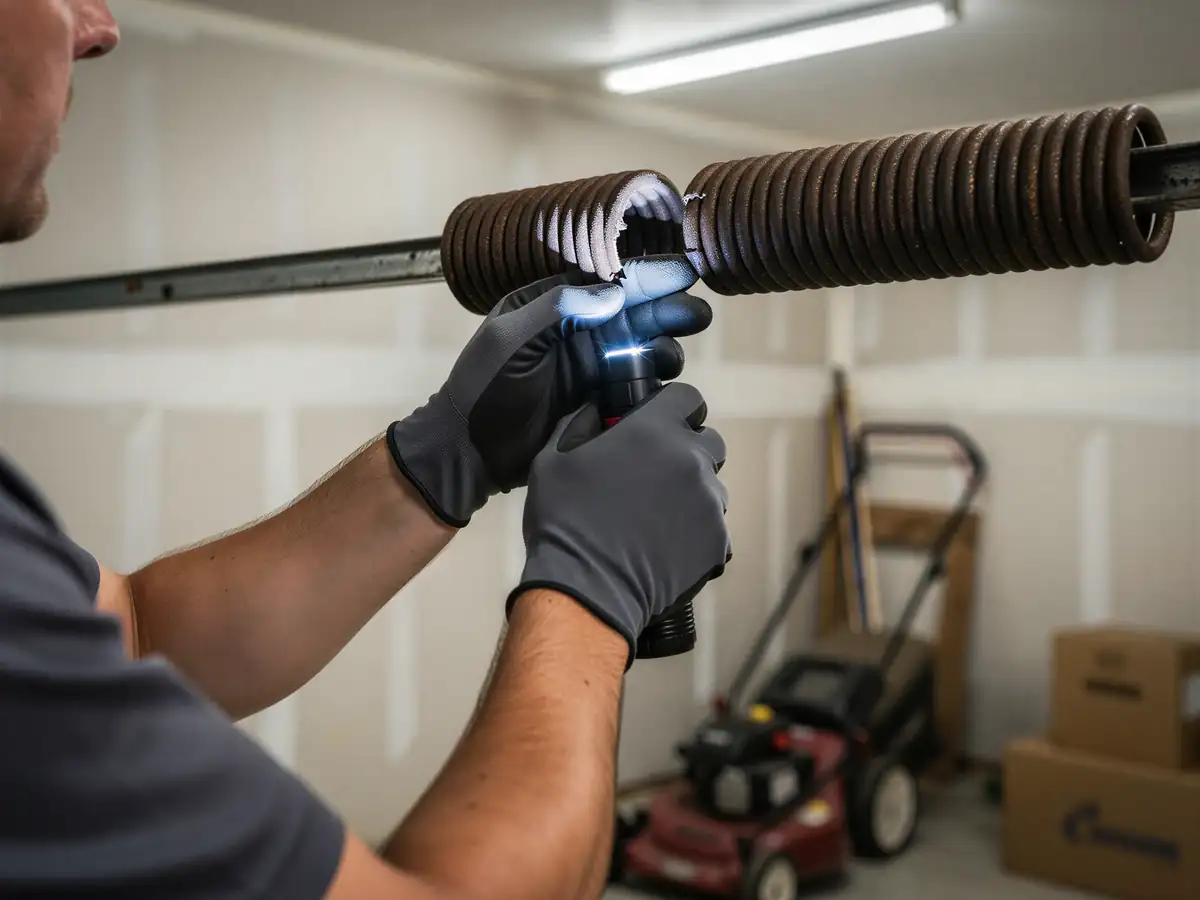
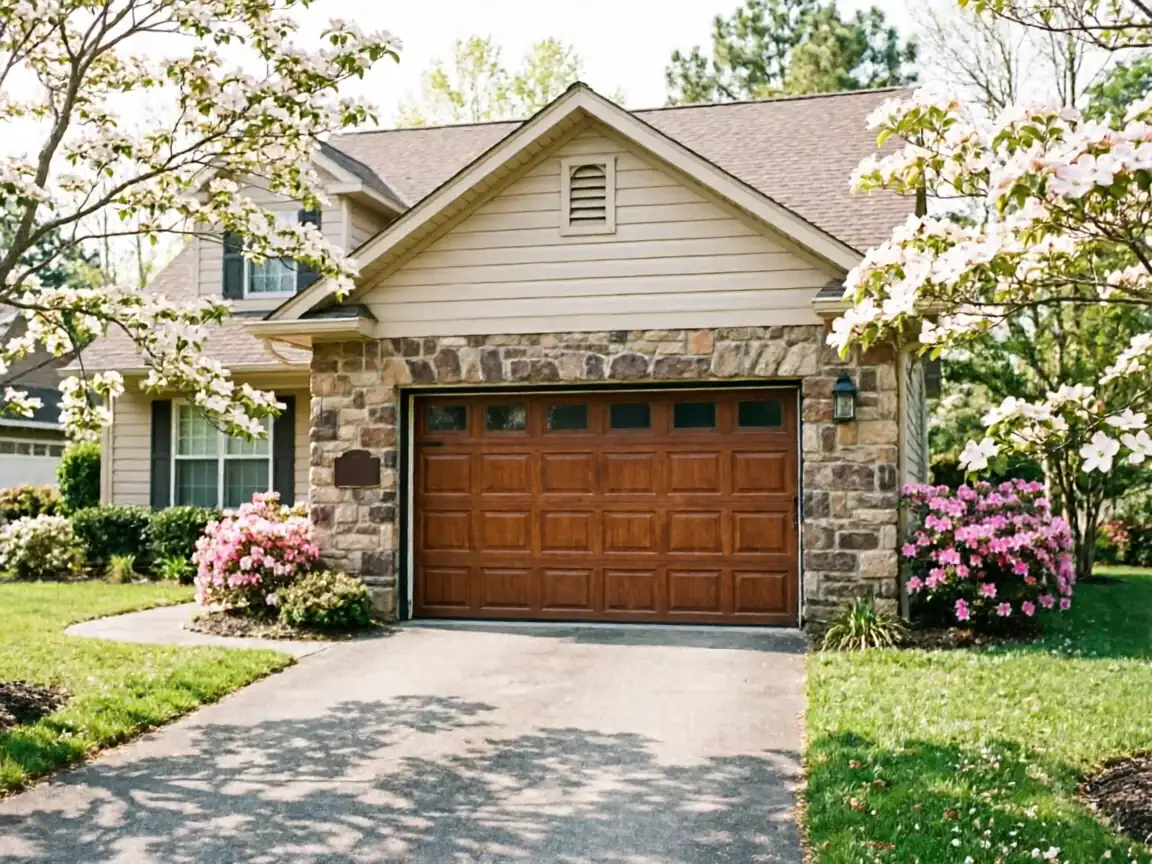
Portsmouth's housing stock runs older than the median across our wider service area - 1966 here against a 1977 median region-wide. That decade-plus gap matters because hardware specs changed more than once in between. A door from 1966 is more likely to carry a single torsion spring instead of the dual-spring setup that became common later, and the drums, cables, and end bearing plates sized for it aren't the same part number as what a supply house stocks for a 1980s door. We carry both because the service area spans both eras. Income here also sits lower than the region overall - $58,972 median against $90,885 - which changes the math on repair versus replacement. On a lot of these jobs, fixing the spring and cable and leaving the original steel panel in place is the right call, not because it's cheap, but because the door's still structurally sound. We don't push a full replacement on a door that doesn't need one.
Parts We Carry
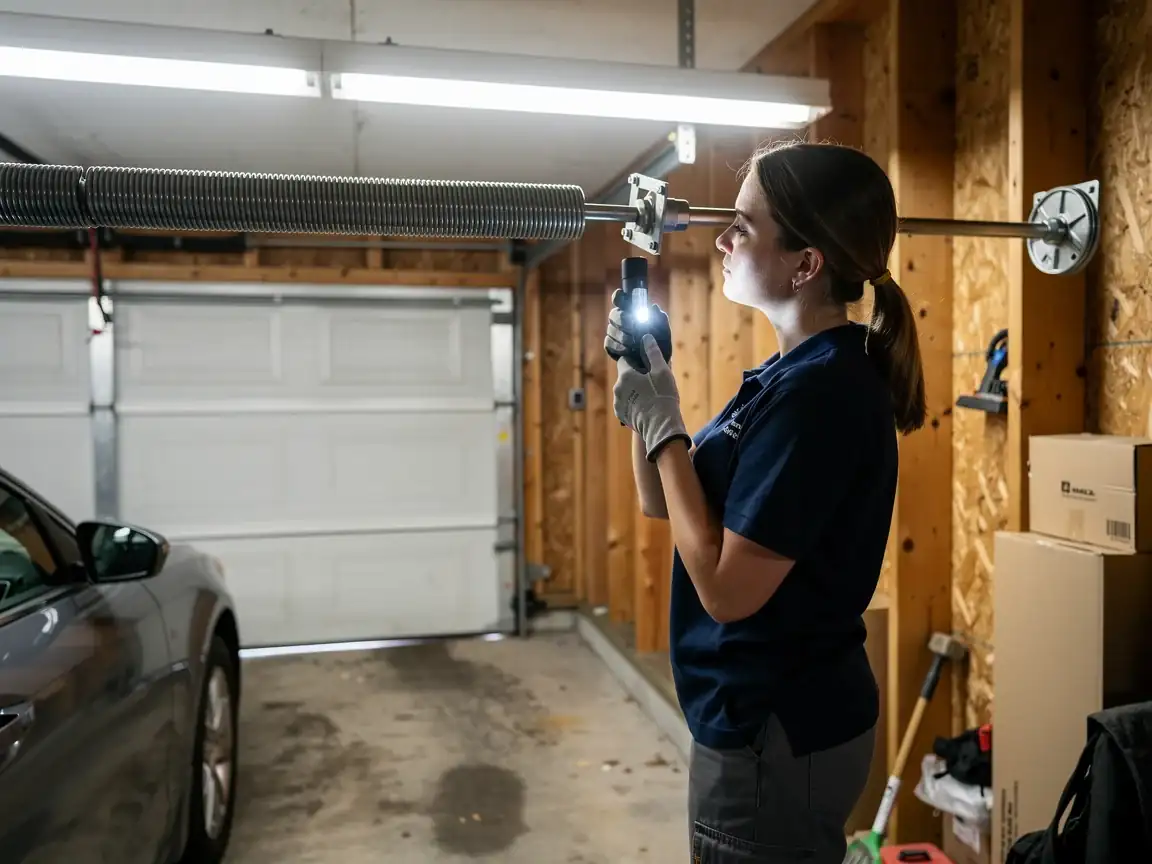
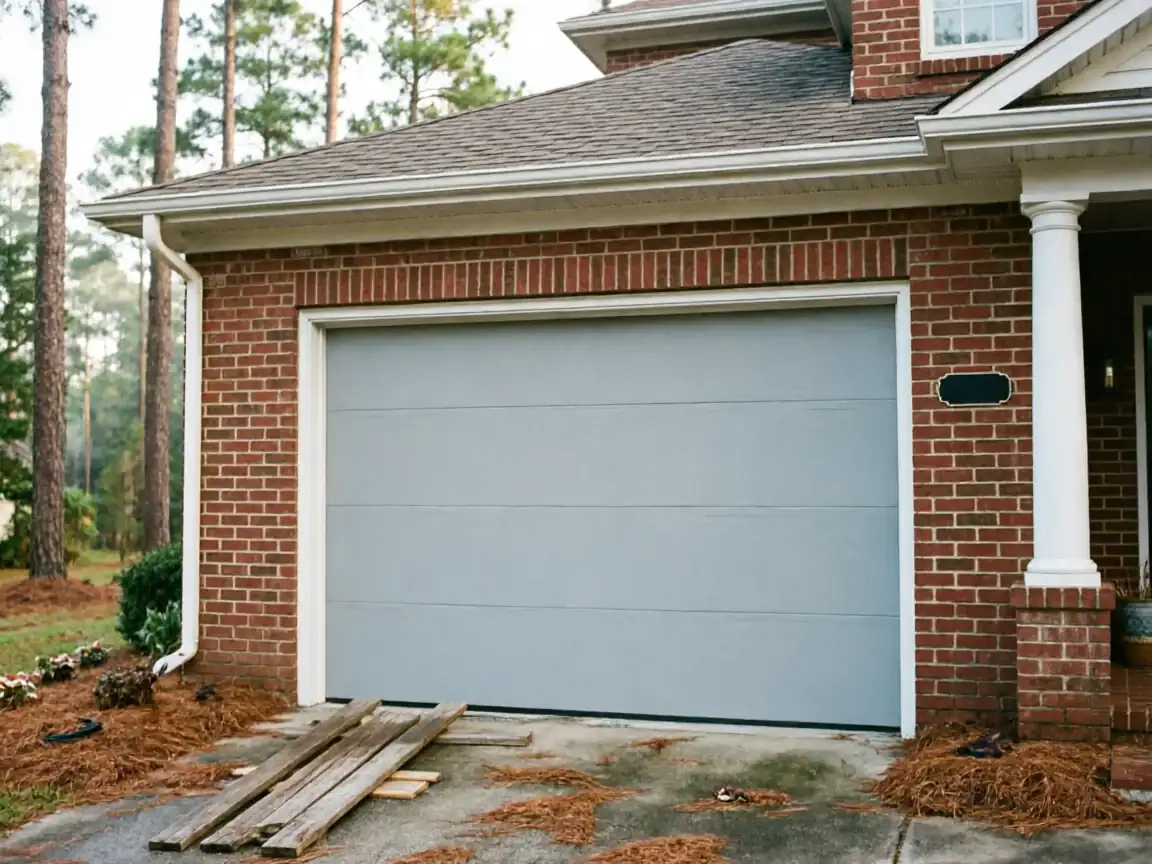
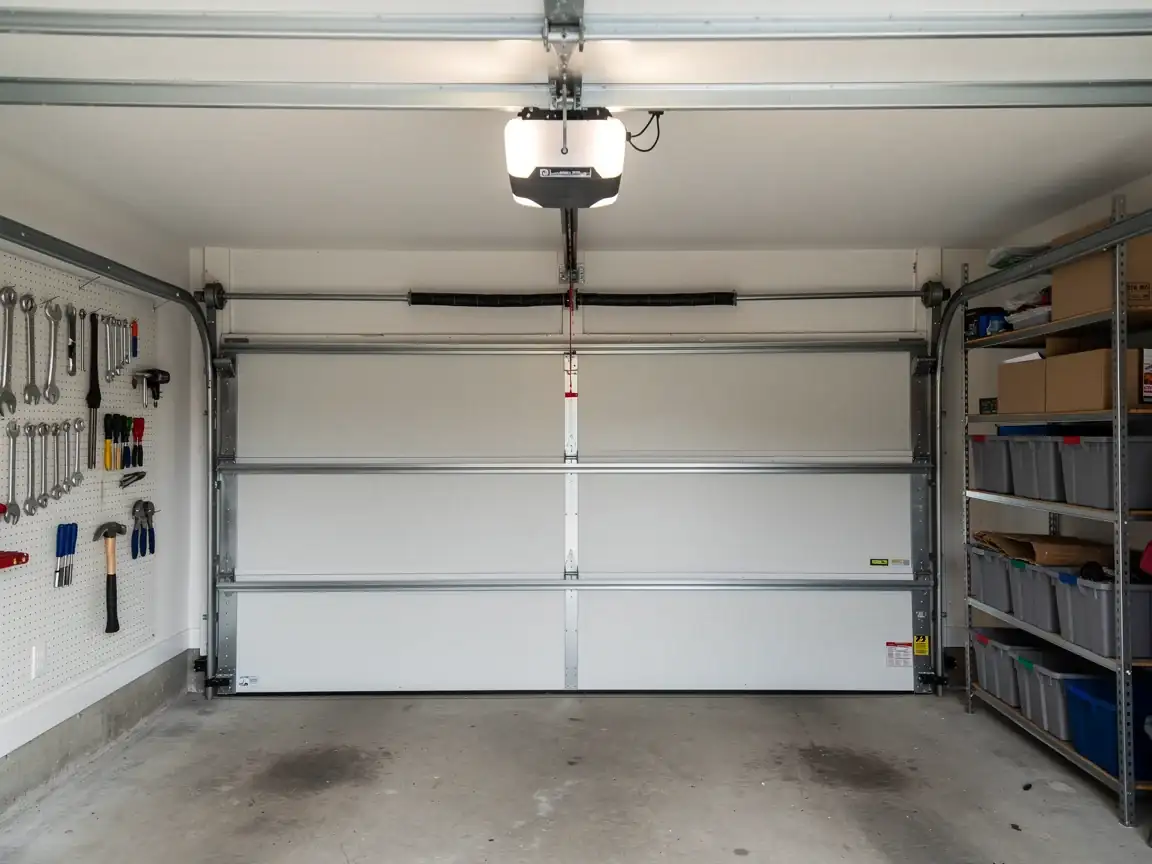
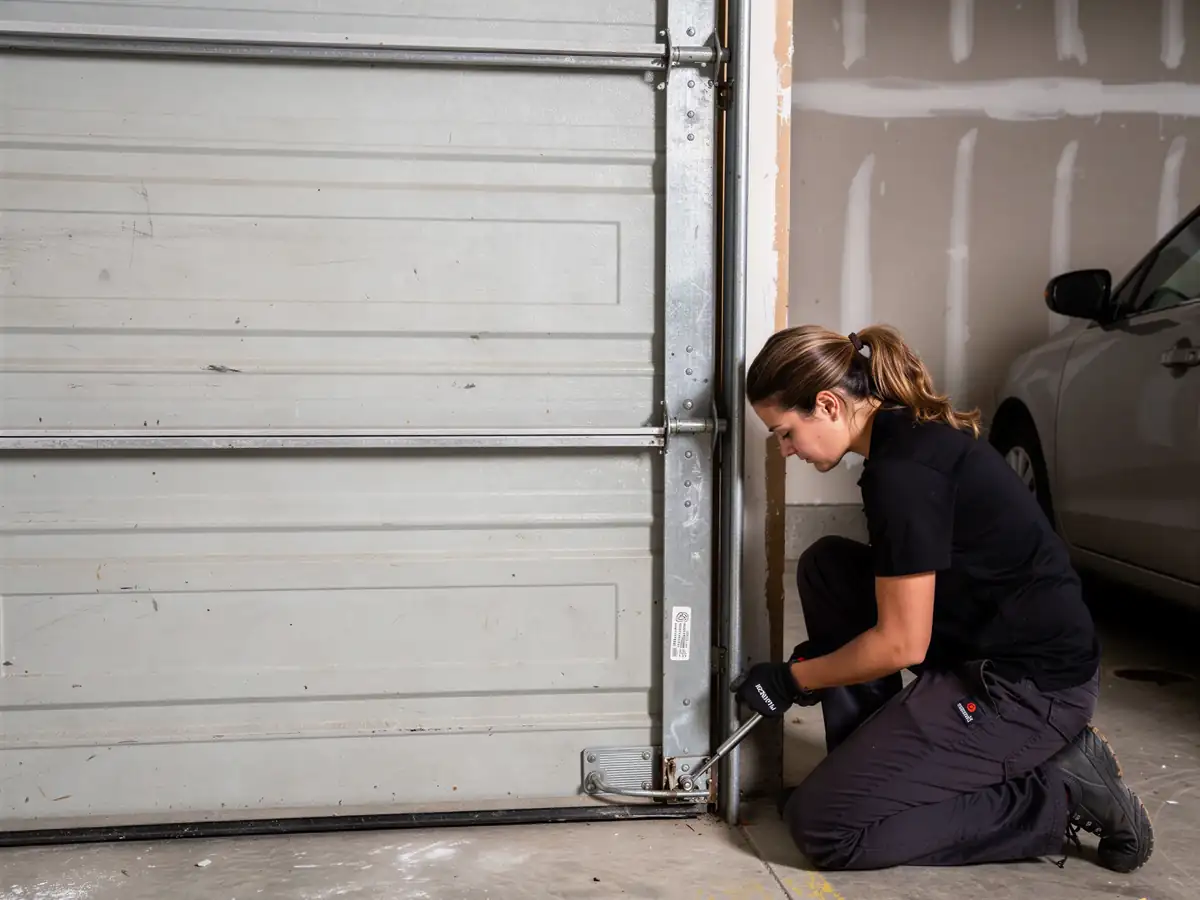
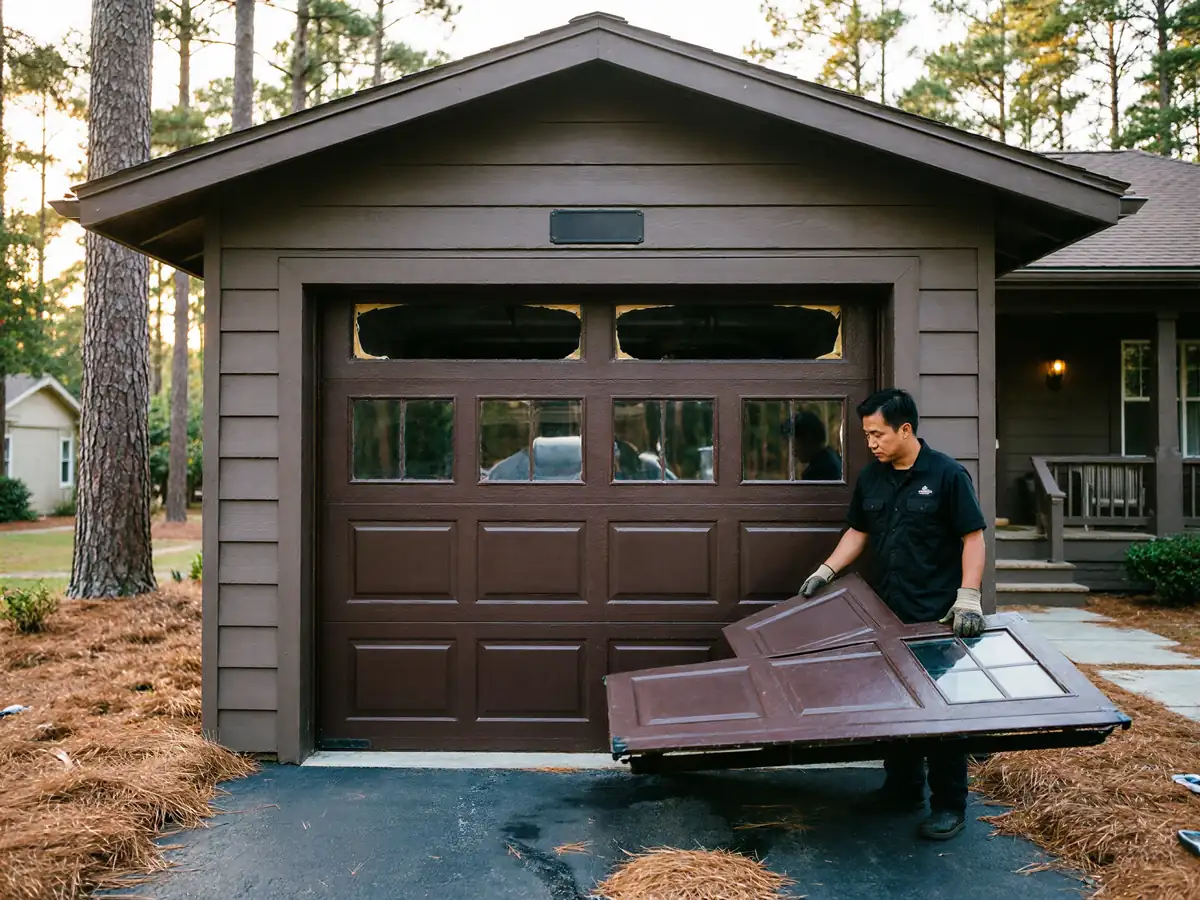
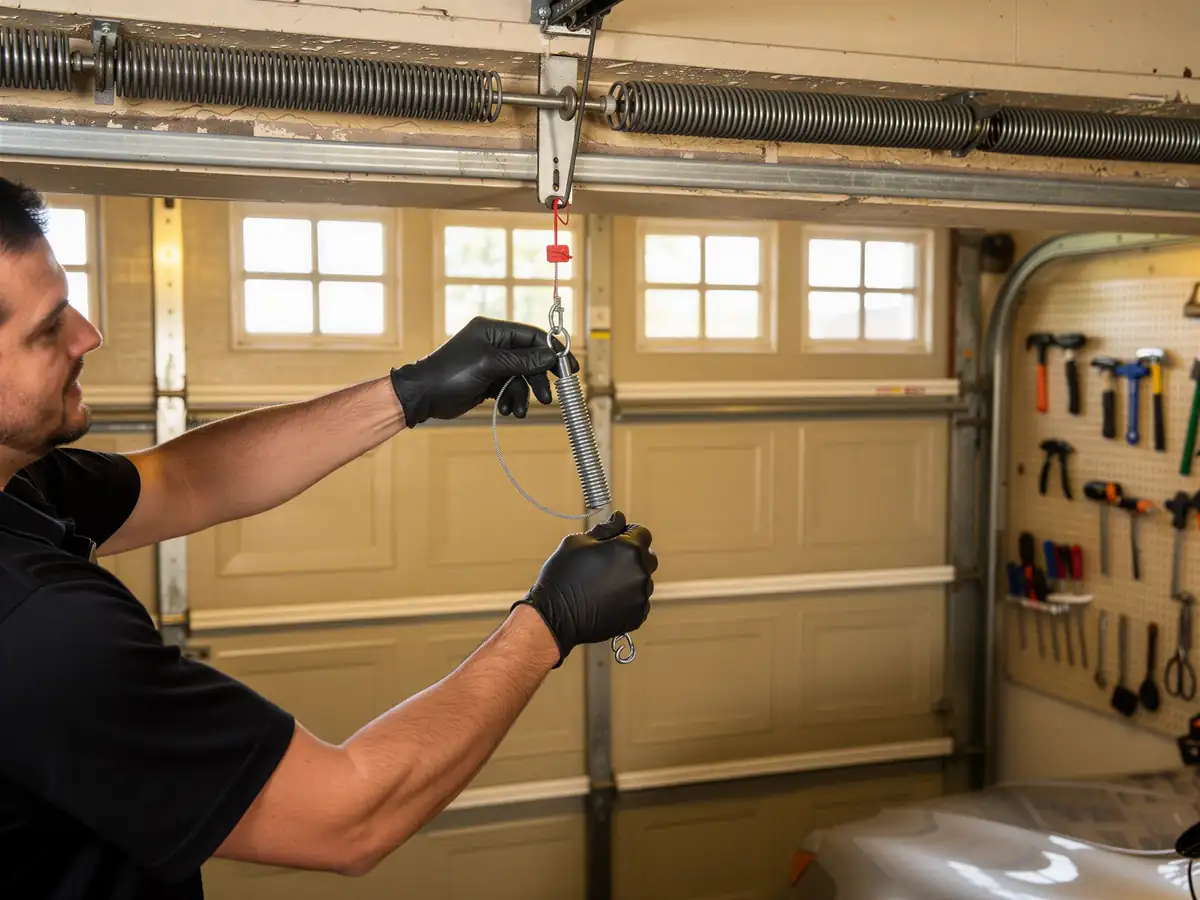
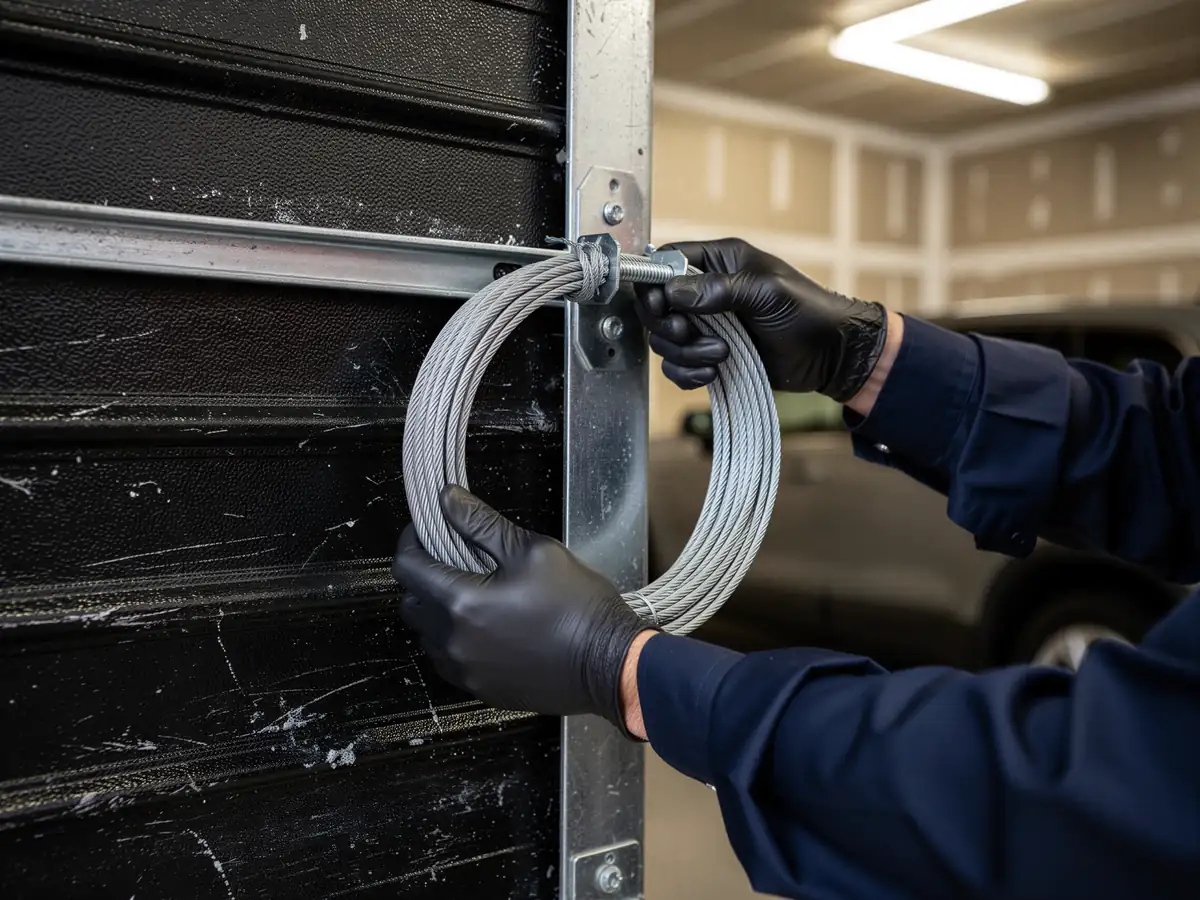
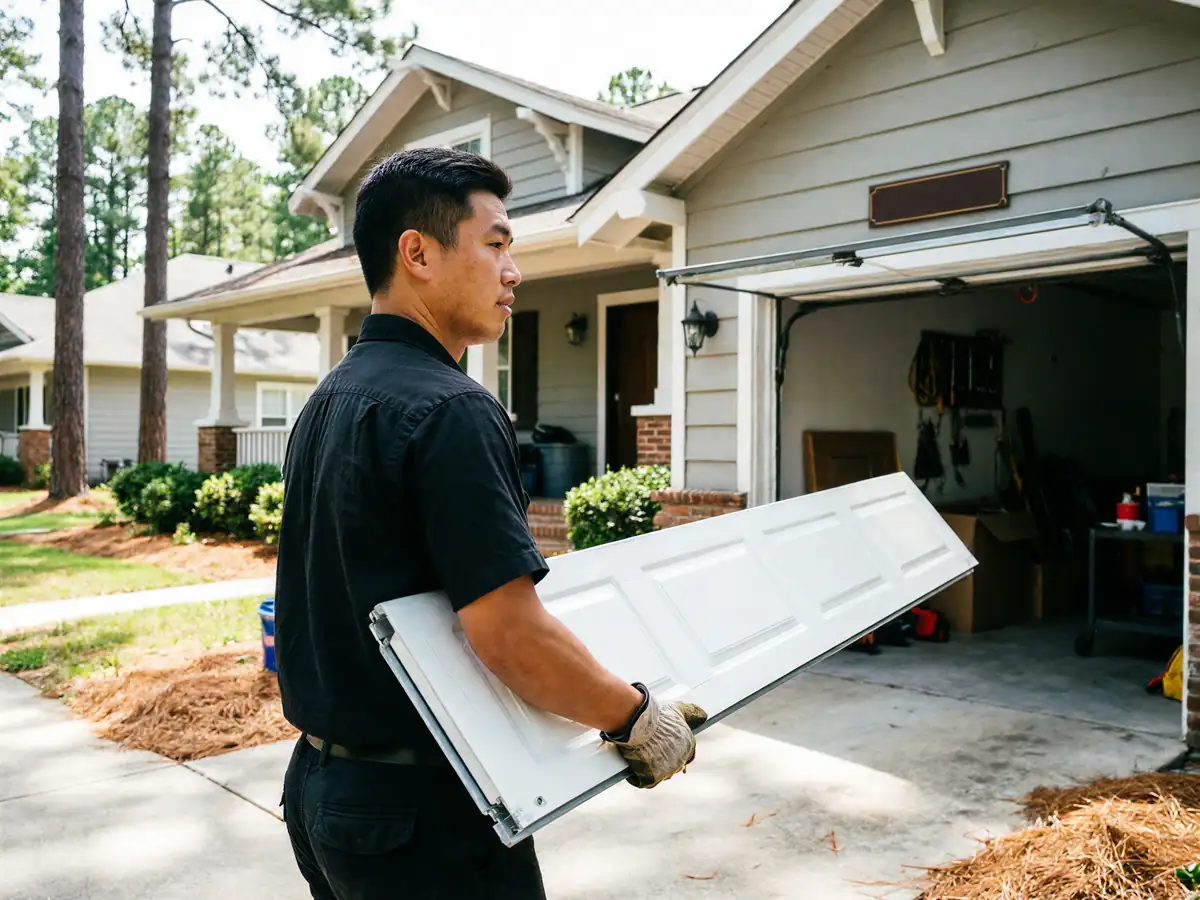
For the older single-torsion setups common on this side of the water, we carry replacement torsion springs sized to the original drum diameter, galvanized lift cables, steel end bearing plates, and the flat-wound extension springs that show up on some of the lighter single-car doors from the same build years. We also stock standard nylon and steel rollers, since the original stamped-steel rollers on a door this old are usually the first thing to seize or crack. What we don't carry on the truck is a replacement panel matched to an obsolete embossing pattern - if a 1966 steel panel is dented past repair, we're ordering a modern panel that won't quite match the rest of the door, and we'll tell you that up front before you commit to it.